


Importance of Herbs
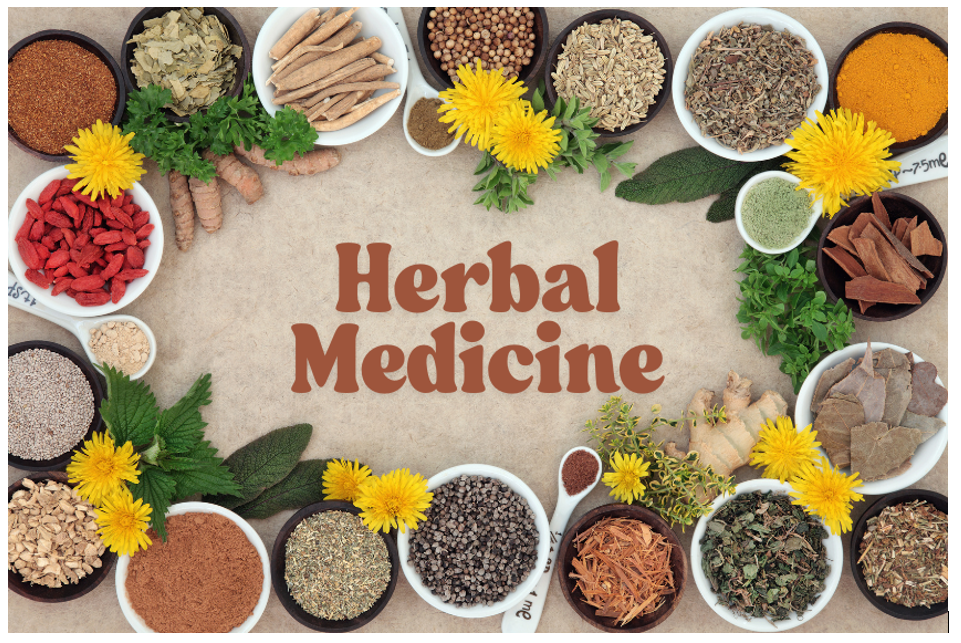
Exploring the Power of Herbal Medicine: Ancient Wisdom for Modern Health
There are countless herbs found across different regions of the world. However, due to practical limitations, we focus on herbs that are commonly available globally, easy to grow at home, and easily accessible in dry or powdered form. From this vast herbal world, we have selected ten essential herbs that are extremely effective for common health complaints faced by people today. These herbs are especially useful for general, non-chronic conditions and can be safely incorporated into daily life when used correctly.
Herbal Medicine in Everyday Life and Culture
Most of us have personal experiences with home remedies passed down through generations. In childhood, minor illnesses such as fever, cough, or cold were often treated at home rather than immediately consulting a doctor. Rest, simple dietary restrictions, and herbal preparations were the first line of care.
A common example is the traditional herbal kada, prepared using ingredients such as turmeric, tulsi, ginger, and vasaka (ardusi). These herbs were boiled together, strained, and often sweetened with honey to soothe the throat and relieve dry cough. Such remedies not only helped the body recover naturally but also supported the body’s effort to eliminate toxins.
These practices were never considered “medicine” in the modern sense; they were simply known as home remedies straight from the kitchen. Yet, they were deeply effective and formed the foundation of preventive healthcare in Indian culture.
Herbs as a Part of Our Heritage
The use of herbs is deeply embedded in our culture and traditions. What our parents and grandparents practiced instinctively is now being rediscovered as a scientific and holistic approach to health. This connection between culture and healing highlights why herbal medicine is often referred to as ancient wisdom for modern health.
Although modern society is advanced, fast-paced, and technologically driven, the body’s basic needs have not changed. In fact, the stresses of metro life, irregular routines, poor dietary habits, and environmental pollution have increased the need for natural healing methods. Herbs offer gentle, effective, and sustainable solutions that align with the body’s natural processes.
Herbs and the Principles of Naturopathy
Naturopathy is based on the principle that the body has an inherent ability to heal itself when given the right conditions. According to naturopathic philosophy, the human body is composed of the Panch Mahabhutas—Akash (space), Vayu (air), Agni (fire), Jala (water), and Prithvi (earth).
These five elements are not only the building blocks of the human body but also form the basis of all natural therapies used in naturopathy. Herbs, being a natural product of the earth, carry these elemental properties within them. When used appropriately, they help restore elemental balance in the body, thereby correcting dysfunction and promoting healing.
Therapeutic Role of Herbs in Disease Management
In naturopathy, herbs are not used to suppress symptoms but to support detoxification, enhance vitality, and strengthen the body’s healing mechanisms. Acute conditions such as fever, cold, or digestive disturbances are often viewed as the body’s attempt to expel toxins. Herbs assist this natural process rather than interrupting it.
Because herbs grow in harmony with nature, they work in harmony with the human body. Their natural composition allows them to act gently yet effectively, making them especially suitable for long-term health maintenance and preventive care.
Relevance of Herbal Medicine in Today’s World
In today’s era of quick relief and chemical dependency, herbal medicine provides a balanced alternative. It encourages patience, lifestyle awareness, and respect for the body’s signals. By reconnecting with herbs, we reconnect with nature, our culture, and our own inner healing capacity.
This is why understanding herbs is an essential part of naturopathy education. They are not merely remedies but tools for cultivating health, awareness, and self-responsibility.
Harmony Between the Five Elements and Herbal Healing
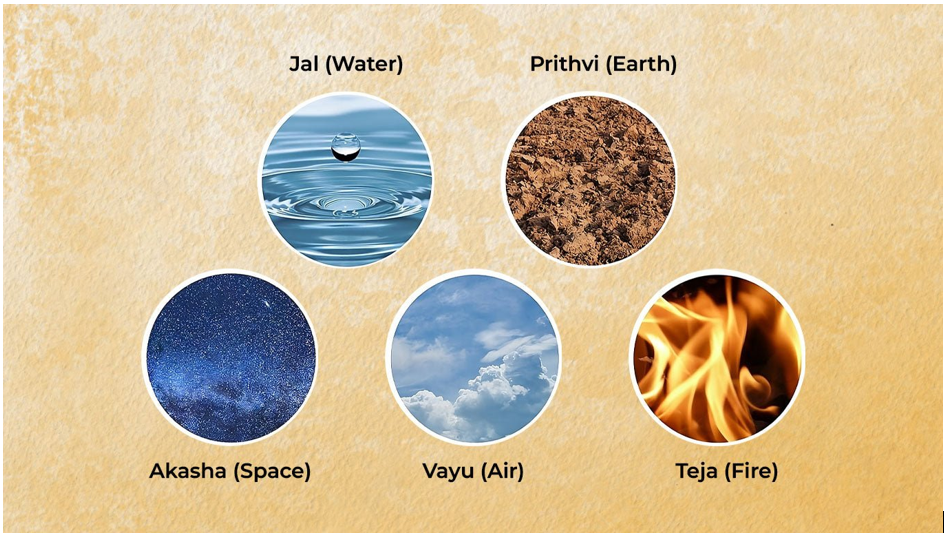
The human body is composed of the Panch Mahabhutas, or the five fundamental elements of nature—Akash (space), Vayu (air), Agni (fire), Jala (water), and Prithvi (earth). Since these same elements exist in nature, it is logical that substances derived from nature, especially herbs, have a deep therapeutic influence on the human body. Herbs carry the same elemental energies that form our physical structure, which makes them naturally compatible with our system. Because of this similarity, herbs play a vital role in restoring health, improving vitality, boosting immunity, and maintaining overall balance in the body.
Nature continuously nourishes us through air, water, sunlight, soil, and plant life. Herbs grow in this natural environment and absorb the elemental qualities of nature, making them powerful healing agents. However, to benefit fully from herbal medicine, one must have basic knowledge and awareness—understanding which herbs to use, their properties, and how to apply them correctly according to individual needs.
Herbs as a Gift of Mother Nature
All natural herbs are organic by nature, grown without artificial intervention, and therefore free from harmful side effects when used appropriately. This is one of the most important advantages of herbal medicine. Herbs are a priceless gift from Mother Nature to humankind, created to support life in its most natural form. Their healing potential is not limited to humans alone; many herbs are equally beneficial for animals, helping them maintain health and recover from illness instinctively.
In today’s world, we often observe animals such as stray dogs, cats, and wild animals living without access to hospitals, doctors, or medicines. Despite this, they remain comparatively healthier and more resilient than humans. This is because animals naturally consume greens, plants, and herbs that grow in their environment. By following nature’s instinct, they avoid many lifestyle-related disorders that humans face due to artificial living conditions and excessive chemical exposure.
Natural Living and Human Prakriti
Anything that grows naturally in a pure environment aligns well with human Prakriti, or body constitution. According to naturopathic and traditional health systems, every individual has a unique combination of Vata, Pitta, and Kapha. When these doshas remain balanced, the body stays healthy; however, when imbalance occurs, disease begins to develop.
From a naturopathy perspective, the root cause of disease lies in this imbalance. Treatment is therefore not generalized but personalized. Diagnosis and therapy are designed based on the individual’s body nature, lifestyle, diet, and environmental influences. Herbs play a crucial role in this approach, as different herbs possess different elemental and doshic properties, making them suitable for correcting specific imbalances.
Continued Relevance of Herbal Medicine in Modern Society
Although we live in a highly developed and modern society, herbal medicine remains deeply relevant even today. Despite advancements in technology and healthcare infrastructure, nearly 65% of the population continues to depend on herbal medicine or alternative systems of healing. This reliance is not only due to tradition but also due to accessibility, affordability, and effectiveness.
Modern medical facilities, pharmacies, and large hospitals are largely concentrated in urban and metro cities. In contrast, rural and remote areas often have limited healthcare resources. Many villages depend on a single government dispensary, which may lack adequate medicines, staff, or facilities. In such circumstances, people naturally turn to traditional knowledge and herbal remedies that have been passed down through generations.
Herbal Wisdom in Rural and Remote Communities
A significant portion of the population—over 70%—still resides in villages and remote regions. For these communities, herbal medicine is not an alternative system; it is the primary system of healthcare. The wisdom of using local herbs, home remedies, and natural therapies continues to be preserved and practiced, offering sustainable and effective healthcare solutions where modern medicine may not always reach.
This intergenerational transfer of knowledge reflects the strength of ancient healing systems. It also highlights the need to preserve, study, and scientifically validate herbal medicine so that it can be integrated responsibly into modern healthcare practices.
Dependence on Herbal Wisdom in Rural and Remote Areas
Even today, more than 70% of the population lives in villages and remote areas, where access to advanced medical facilities is limited. In such regions, people naturally depend on nature-based healing methods. From ancient times, knowledge about local herbs and natural remedies has been passed down from one generation to another. Although people in these areas may not possess formal medical education or scientific terminology, they are deeply aware of which locally grown herbs can help with common illnesses.
This traditional wisdom enables them to maintain good health while remaining chemical-free. Their reliance on herbs is not based on laboratory studies but on lived experience, observation, and ancestral knowledge. As a result, herbal medicine continues to be an integral part of daily life in rural communities.
Herbal Medicine as a Supportive Healing System
It is important to understand that naturopathy or herbal medicine is not presented as a forceful replacement for any other medical system. Every pathy has its own role, and healthcare often requires supportive or integrative approaches depending on the condition of the patient. Naturopathy emphasizes working with the body’s natural healing capacity rather than opposing it.
Herbs offer support by correcting imbalances, improving immunity, and aiding detoxification. They help the body heal itself instead of creating dependency. This supportive nature is what makes herbal medicine suitable for both preventive care and early-stage treatment.
Advantages of Using Herbs
One of the most significant benefits of herbs is that they have no side effects when used correctly, as they are naturally grown and free from synthetic chemicals. Herbs are also low in cost, making them extremely pocket-friendly, especially for large populations with limited financial resources. Their availability further enhances their usefulness, as many herbs grow locally and can be easily cultivated at home.
Another major advantage is that herbs are fast healers, particularly when used fresh. Common household remedies such as turmeric, tulsi, black pepper, and ginger have been used for generations to treat cough, cold, fever, and digestive issues. These ingredients are not rare or expensive; they are everyday kitchen items used in daily cooking.
Importance of Fresh Herbs and Natural Preparations
Freshly prepared herbal remedies act much faster than processed products. When herbs are plucked fresh and prepared immediately in the form of a kada, juice, paste, or decoction, they retain their natural energy and nutrients. This makes them more effective and easily absorbable by the body.
This concept can be compared to food consumption. Freshly cooked food is easier to digest and provides maximum nutrition, whereas stale or long-stored food loses its nutritional value and becomes difficult to digest. Similarly, fresh herbs act as living medicine, accelerating healing within a short period—often within two to three days for acute conditions.
While it is true that chronic diseases require a longer duration for complete recovery, the relief in symptoms and improvement in overall well-being can be felt relatively quickly. The body responds positively when natural remedies are used in their pure and fresh form.
Myth of Slow Healing in Naturopathy
There is a widespread myth that naturopathy or herbal medicine is slow. In reality, delay often occurs when herbs are converted into commercial products involving processing, transportation, packaging, storage, and marketing. These processes not only increase cost but may also reduce the natural potency of the herbs.
When herbs are used fresh, there is no need for heavy machinery, packaging, or long supply chains. This eliminates unnecessary expenses and makes treatment both affordable and effective. Thus, with minimal or zero investment, natural remedies can be prepared easily at home or in clinical settings.
Simple Natural Applications: Example of Mud Therapy
Apart from herbs, naturopathy also includes simple natural therapies such as mud therapy. Natural mud, especially deep-sea or clean natural mud, has powerful healing properties. To use it therapeutically, the mud is soaked in water for 7 to 8 hours or overnight in an earthen vessel. Once properly prepared, it can be applied directly to the abdomen or affected area.
Mud therapy is particularly effective for inflammation, digestive disorders, and chronic skin conditions such as eczema and psoriasis. The cooling and detoxifying nature of mud helps draw out toxins from the body and restores balance at the affected site.
Forms of Herbal Application and Natural Preparations
Herbal remedies can be used in various forms depending on availability, patient location, and practicality. These applications may include fresh juices, decoctions (kada), powders, tablets, or topical applications. At Saffron, fresh juices and kadas are always preferred whenever herbs are locally available. However, for patients residing abroad or in distant locations where fresh herbs are not accessible, herbal preparations in the form of powders or tablets become a practical and effective alternative.
These preparations are made exclusively from pure natural herbs, without the addition of preservatives, artificial binders, or chemical agents. All products are laboratory-tested and organic, ensuring safety, purity, and therapeutic effectiveness. Similar preparations can also be made at home with proper knowledge and hygiene. The key lies in maintaining the natural integrity of the herbs.
Healing Power and Trust in Herbal Medicine
Herbs possess remarkable healing potential and, in many cases, produce what may be described as near-miraculous results. Their therapeutic strength lies in their ability to work in harmony with the body rather than forcefully altering physiological processes. This makes herbal medicine a highly trustworthy form of treatment.
When patients approach a doctor—regardless of the medical system—their mindset is rooted in trust. They believe that the prescribed medicine will heal them. In naturopathy, this role is fulfilled by herbal medicine, whether in fresh or dried form. Herbs act as natural healers, supporting the body’s innate intelligence and self-repair mechanisms.
Introduction to Essential Herbs in Naturopathy
In this lecture, we focus on ten important herbs that are easily available, widely researched, and effective in managing multiple health conditions. These herbs are not rare or exotic; they are accessible, affordable, and suitable for people of all age groups when used in the correct dosage.
The first and most important herb among them is Wheatgrass.
Wheatgrass: The King of All Herbs
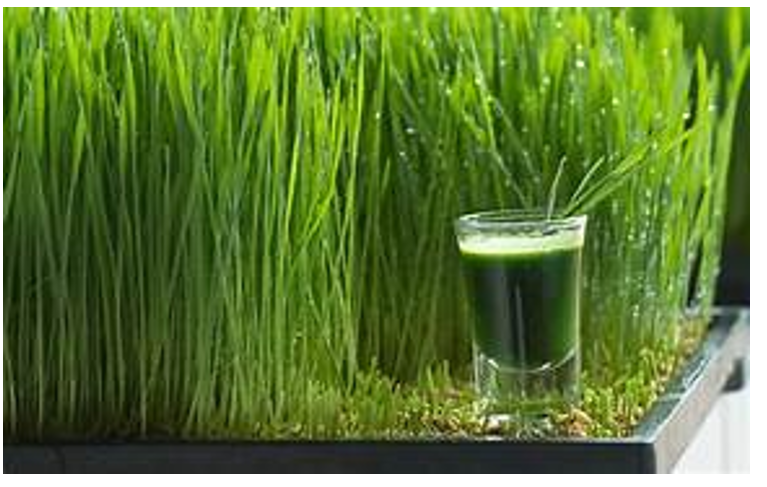
Wheatgrass, botanically known as Triticum aestivum, is one of the most powerful healing foods available on earth. It is often referred to as a panacea and the king of all herbs due to its extensive therapeutic benefits. Despite common confusion, wheatgrass is entirely different from wheat grains.
A frequently asked question by students is why wheat is often discouraged due to gluten content, while wheatgrass is recommended. The answer lies in its growth stage. Wheatgrass is harvested at a very early stage—typically 6 to 7 inches tall, before grain formation begins. At this stage, wheatgrass is completely gluten-free and extremely easy to digest.
Growth and Gluten-Free Nature of Wheatgrass
Wheatgrass is grown by sowing wheat seeds in soil. Within three days, sprouts begin to appear, and within seven days, green grass emerges. This growth occurs under natural conditions or in a greenhouse environment, where exposure to sunrise, dew drops, air, and soil energy transforms the plant’s nutritional profile.
Importantly, only the green grass blades are used—never the seeds. This is the reason wheatgrass contains no gluten and is safe even for individuals with gluten sensitivity.
Nutritional Profile and Chlorophyll Content
Wheatgrass is exceptionally rich in chlorophyll, which closely resembles the molecular structure of human hemoglobin. Because of this similarity, wheatgrass is often referred to as “green blood.” It contains 16 essential nutrients with a pH level similar to human blood, allowing for easy absorption and assimilation.
It is also packed with vitamins A, C, E, and K, along with minerals, enzymes, amino acids, antioxidants, and dietary fiber. This rich nutritional profile makes wheatgrass a powerful superfood capable of supporting cellular repair and regeneration.
Therapeutic Benefits and Disease Prevention
Wheatgrass plays a vital role in boosting immunity, improving metabolic activity, and preventing cellular damage. Its antioxidant properties protect cells from oxidative stress and environmental toxins. Due to its high chlorophyll content, wheatgrass is particularly effective in managing anemia, as it supports red blood cell formation and improves oxygen circulation in the body.
Research conducted across the globe has shown that fresh wheatgrass juice is beneficial as a supportive therapy in cancer care, helping detoxify the body, improve immunity, and reduce treatment-related side effects. This is supported by extensive scientific literature and clinical observations, not merely personal experience.
Clinical Acceptance and Modern Medical Use
Based on over 18–19 years of clinical experience, wheatgrass has consistently shown positive results across various age groups. Today, even MBBS and MS surgeons recommend wheatgrass as a nutritional supplement, especially for post-surgical recovery, menopausal women, and patients with nutritional deficiencies.
Wheatgrass is easily digestible, safe for long-term use, and suitable for children, adults, and elderly individuals when taken in appropriate dosage.
A Herb That Works on Multiple Conditions
Wheatgrass is known to support health in over 365 diseases, as confirmed by global research studies. It is classified as a supplementary food, not a drug, which makes it ideal for preventive healthcare. Its high fiber content supports digestion, while its nutrient density nourishes the body at a cellular level.
Wheatgrass as “Green Blood” and Its Therapeutic Power
Wheatgrass contains the same sixteen essential constituents and maintains a pH level similar to that of human blood, which is why it is commonly referred to as “green blood.” This unique similarity allows wheatgrass to integrate easily into the body’s system and support blood formation and purification. Its chlorophyll-rich composition plays a crucial role in improving hemoglobin levels and enhancing oxygen transport throughout the body.
Clinical observations have shown remarkable results in patients suffering from severe anemia. In several cases, patients with critically low hemoglobin levels—sometimes as low as 2 to 3 g/dL, where hospitalization is usually advised—have shown significant improvement within a short period. With proper supervision and supportive naturopathic care, hemoglobin levels have been observed to rise to above 10 g/dL within a week. These outcomes highlight the extraordinary potential of wheatgrass in supporting blood regeneration and overall vitality.
Wheatgrass as a Superfood and Nutrient Powerhouse
Wheatgrass is recognized globally as a superfood, packed with antioxidants, dietary fiber, vitamins, minerals, enzymes, and amino acids. Its antioxidant content helps neutralize free radicals, reducing oxidative stress and preventing cellular damage. The high fiber content supports digestion, detoxification, and gut health, which is essential because many diseases originate in the digestive system.
Due to its comprehensive nutrient profile, wheatgrass is beneficial in managing a wide range of health conditions, including blood disorders, hematological imbalances, skin diseases, type 2 diabetes, high blood pressure, digestive disorders, and toxemia. By cleansing the digestive tract and improving nutrient absorption, wheatgrass helps restore metabolic balance and supports long-term health.
Role of Wheatgrass in Digestive and Metabolic Disorders
Wheatgrass has a powerful effect on the digestive system. It helps in conditions such as gastritis, ulcers, acidity, and burning sensations by soothing the stomach lining and reducing inflammation. Since insulin resistance often begins in the gut, wheatgrass plays an important role in managing type 2 diabetes by improving metabolic function and supporting pancreatic health.
Additionally, wheatgrass exhibits anti-inflammatory, antibacterial, and anti-arthritic properties, making it useful in inflammatory disorders and joint-related conditions. It has also shown encouraging results in genetic blood disorders such as thalassemia, where it supports overall blood health and reduces complications.
Longstanding Clinical Experience and Cancer Support
Saffron has been cultivating organic wheatgrass since 1969, and decades of clinical application have demonstrated consistent and reliable results. Wheatgrass has shown particular effectiveness in conditions such as ulcerative colitis, where it helps reduce inflammation and improve gut healing.
In cancer care, wheatgrass is widely used as a supportive therapy, especially during chemotherapy. Chemotherapy often generates excessive heat, acidity, and toxicity in the body, leading to side effects such as hair loss, fatigue, nausea, and weakness. Wheatgrass, being cooling in nature, helps neutralize these effects, supports detoxification, and improves patient tolerance to treatment.
Even leading oncologists from renowned cancer centers, including major hospitals in Mumbai, recommend wheatgrass as a supportive nutritional supplement due to its proven benefits in reducing chemotherapy-induced toxicity.
Detoxification, Respiratory, and Allergic Benefits
Wheatgrass supports liver detoxification, enhancing the body’s ability to eliminate toxins and metabolic waste. Its anti-asthmatic and anti-allergic properties make it beneficial for individuals suffering from asthma, respiratory allergies, and chronic allergic conditions. By reducing inflammation and strengthening immunity, wheatgrass helps minimize allergic reactions and improves respiratory function.
Importantly, wheatgrass is 100% gluten-free, making it safe for individuals with gluten intolerance or sensitivity.
Forms of Wheatgrass and Methods of Consumption
Wheatgrass can be consumed in multiple forms based on individual needs and availability. Fresh wheatgrass juice, grown and harvested at home, offers maximum potency. However, for convenience and accessibility, wheatgrass is also available in powder and tablet form, which are easy to consume and suitable for regular use.
At Saffron, both fresh and dry forms are provided according to patient requirements, ensuring flexibility without compromising therapeutic value.
Alfalfa (Medicago sativa): The Second Powerful Herb
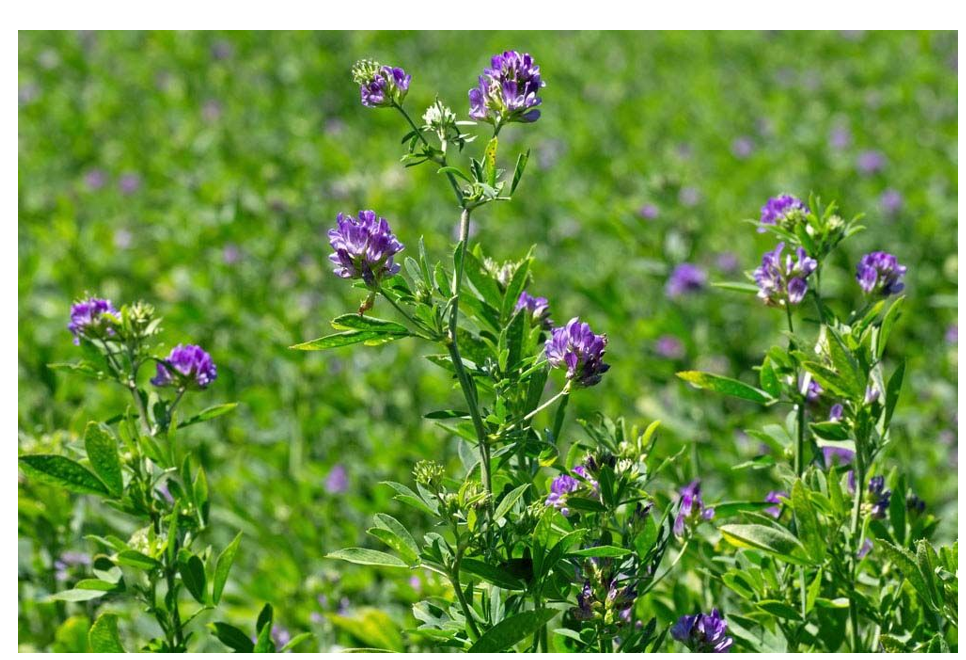
The second important herb is Alfalfa, botanically known as Medicago sativa. Alfalfa is rich in vitamins K and C, along with essential minerals such as copper and manganese, and bioactive compounds including folate, flavonoids, phytosterols, phytoestrogens, and alkaloids. These properties have been scientifically validated through extensive research.
Cardiovascular and Cellular Benefits of Alfalfa
Alfalfa is particularly effective in managing high cholesterol levels. It helps increase HDL (good cholesterol) while reducing LDL (bad cholesterol) and triglycerides, thereby improving heart health. Due to its antioxidant properties, alfalfa helps prevent cell death and DNA damage caused by free radicals.
Free radicals are generated through environmental pollution, poor diet, stress, and even normal metabolic processes. Regular consumption of alfalfa helps neutralize these harmful molecules, protecting cells and slowing down degenerative changes.
Neurological and Recovery Support
Research indicates that alfalfa may support recovery from stroke and brain injuries, especially when used alongside other therapeutic modalities. In neurological conditions such as Parkinson’s disease and movement disorders, alfalfa has shown promising results in improving recovery rates and enhancing mobility by supporting nerve health and reducing oxidative damage.
Hormonal Balance and Menopausal Support
One of the most significant benefits of alfalfa is its phytoestrogen content, which makes it highly beneficial for women experiencing menopausal and premenopausal symptoms. These include hot flashes, mood swings, fatigue, and hormonal imbalance. Alfalfa helps regulate hormonal fluctuations naturally and supports emotional and physical well-being during this transitional phase.
Alfalfa (Medicago sativa): Bone, Hormonal, and Nutritional Support
Alfalfa is not only rich in vitamins and antioxidants but is also an excellent source of calcium, making it highly beneficial for bone density, skeletal strength, and dental health. Regular consumption of alfalfa helps prevent conditions such as osteoporosis, weak bones, and tooth-related problems, especially in middle-aged and elderly individuals.
However, certain precautions are necessary. Alfalfa should be avoided during pregnancy, as it may influence hormonal activity. Once delivery is complete, alfalfa can be safely introduced, as it is known to enhance breast milk production in lactating women. Therefore, while it is contraindicated during pregnancy, it becomes highly supportive in the postnatal period.
When available fresh, alfalfa juice is extremely effective. In recent years, the popularity of microgreens and sprouts has increased significantly, even among celebrities. Alfalfa seeds can easily be sprouted at home, producing nutrient-dense greens that are easy to digest, rich in protein, calcium, and vital micronutrients. Depending on availability and patient needs, alfalfa can be consumed fresh, as sprouts, or in organic powder and tablet form. Dosage is always determined based on age, symptoms, and individual requirements.
Dalbergia (Indian Rosewood) Leaves: The Ultimate Cooling Herb
The third important herb discussed is Dalbergia leaves, commonly referred to as Indian Rosewood leaves. These leaves are considered one of the most cooling herbs in nature. Their primary role in naturopathy is to help maintain the body’s acid–alkaline balance, which is crucial for overall health.
The human body functions optimally within a specific pH range. When the internal environment shifts toward excessive acidity, it can disturb the digestive system, circulatory system, and organ function, eventually leading to disease. Dalbergia leaves are highly effective in neutralizing excess acidity and restoring internal balance.
Benefits for Eye Health and Liver Disorders
Dalbergia leaves are particularly beneficial for eye health. Symptoms such as redness, itching, dryness, and irritation respond quickly to their use. During liver disorders such as jaundice, consumption of fresh Dalbergia leaves has shown rapid and noticeable improvement, as the herb supports liver detoxification and cooling.
Clinical observations in outpatient settings have shown that children with increasing spectacle numbers benefit significantly from regular consumption of fresh Dalbergia leaves or their juice. Over time, improvements in eyesight and reduction in power have been observed, especially in growing children. When combined with proper nutrition and supportive therapies, the results are even more encouraging.
Anti-Acid and Digestive Support Properties
Dalbergia leaves act as a powerful natural antacid. They are highly effective in managing acid reflux, ulcers, gastritis, and burning sensations, particularly in individuals undergoing chemotherapy, where excess heat and acidity are common side effects.
In humid and coastal regions such as Mumbai, digestive issues are widespread due to high moisture levels in the environment. Poor digestion often leads to constipation, incomplete bowel evacuation, acid reflux, choking sensations, and chronic acidity. Dalbergia leaves directly address these issues by improving digestion and neutralizing excessive acid formation.
Method of Consumption and Alkaline Action
For best results, it is recommended to consume 10 fresh Dalbergia leaves early in the morning on an empty stomach. Chewing the leaves directly is preferable, as this allows them to mix with saliva. Saliva, especially in the morning on an empty stomach, is highly alkaline, which enhances the anti-acidic effect of the leaves.
This natural method works more effectively than chemical antacids such as gels and tablets, which are often prescribed alongside painkillers and long-term medications. Regular use of chemical antacids may suppress symptoms temporarily but does not correct the underlying imbalance. In contrast, Dalbergia leaves provide natural, long-lasting relief without side effects.
Role in Chemotherapy, Hormonal Imbalance, and Heat Disorders
During chemotherapy and radiation therapy, the body experiences excessive internal heat, leading to symptoms such as hair loss, mouth ulcers, skin boils, burning sensations, and fatigue. Dalbergia leaves, due to their intense cooling nature, help the body tolerate these treatments better by reducing heat and acidity.
They are also beneficial in hormonal imbalances, especially during menopause, where symptoms such as hot flashes, excessive sweating, and internal heat are common. Regular consumption helps cool the system and restore balance, providing significant symptomatic relief.
Alfalfa, Dalmaria (Indian Rosewood) Leaves, and Ashwagandha: Powerful Natural Supports for Holistic Health
Nature has provided us with several powerful greens and herbs that work gently yet effectively on the human body. Among these, Alfalfa, Dalmaria (Indian Rosewood) leaves, and Ashwagandha hold a very important place in holistic and naturopathic healing due to their wide-ranging benefits on digestion, bones, hormones, nerves, skin, and overall vitality.
Alfalfa: A Nutrient-Rich Green for Bones, Digestion, and Lactation
Alfalfa is extremely rich in calcium, protein, vitamins, and minerals, making it highly beneficial for bone density, bone strength, and teeth health. Regular consumption helps in preventing bone-related problems such as weakness and early degeneration. Because of its rich nutritional profile, it is also very supportive for overall strength and vitality.
However, precautions are necessary during pregnancy. Alfalfa is generally advised to be avoided during all nine months of pregnancy. Once delivery is completed, alfalfa can be safely introduced, especially for new mothers, as it helps in enhancing breast milk production and improves postnatal recovery.
Fresh alfalfa, if available, gives the best results. Fresh alfalfa juice is highly effective and easily absorbed by the body. In today’s lifestyle, many people, including celebrities, consume microgreens and sprouts, and alfalfa sprouts prepared from seeds are an excellent option. These sprouts are easy to digest, rich in protein and calcium, and support daily nutritional needs.
For convenience, alfalfa is also available in organic powder and tablet forms, including at Saffron. The dosage should always be individualized based on age, symptoms, and the specific health condition of the person.
Dalmaria (Indian Rosewood) Leaves: A Natural Alkalizer and Cooling Agent
Dalmaria leaves, commonly known as Indian Rosewood leaves, are considered one of the most cooling herbs in nature. Their primary role is to help balance the acid–alkaline (pH) level of the body. When the body shifts towards acidity, it can disturb digestion, circulation, organs, and overall metabolism. These leaves work effectively to restore balance.
They are especially beneficial for eye health. Conditions such as redness, itching, dryness of eyes, and eye discomfort—commonly seen during liver disorders like jaundice—respond very well to fresh dalmaria leaves. In clinical observations, children with increasing eye power have shown noticeable improvement when fresh leaves or their juice are consumed regularly, especially during the growing years.
Dalmaria leaves also work as a natural antacid. In cases of ulcers, acid reflux, hyperacidity, and even acidity caused during chemotherapy, these leaves provide fast relief and a cooling effect. This is particularly beneficial in humid and moist climates like Mumbai, where digestive issues and acidity are extremely common due to sluggish digestion and constipation.
Chewing 10 fresh leaves early in the morning on an empty stomach is highly recommended. Chewing allows saliva to mix properly, and saliva itself is alkaline in nature. This combination significantly reduces acid reflux and burning sensations. Instead of relying on chemical antacids for long-term use, consuming these fresh leaves provides natural, long-lasting relief without side effects.
During chemotherapy and radiation, the body generates excessive internal heat, leading to symptoms such as boils, hair fall, hot flushes, and weakness. Dalmaria leaves help cool the system and support recovery. They are also very helpful during menopause and hormonal imbalances, especially in managing hot flushes.
Benefits for Digestion, Skin, Hormones, and Metabolism
Regular consumption of dalmaria leaves improves digestion and prevents chronic acidity. Many people experience noticeable improvement from the very next day, and within 10 days, symptoms such as morning acidity, choking sensation, and burning reduce significantly.
These leaves also show excellent results in skin disorders like psoriasis, eczema, vitiligo (white patches), and other inflammatory skin conditions. By correcting digestion and reducing acidity, they support skin healing from within.
For women, dalmaria leaves are extremely beneficial in managing leucorrhea, PCOS, PCOD, irregular periods, and hormonal imbalance. With consistent use for at least 90 days, many women experience improved menstrual regularity, better flow, reduced discomfort, and hormonal balance.
In diabetic individuals, high blood sugar often leads to burning sensations, nerve-related issues, and digestive discomfort. These leaves help calm the nervous system and reduce internal heat, making them supportive for diabetic complications as well.
Mental Health Benefits: Stress, Anxiety, Sleep, and Depression
Acidity and digestive imbalance are closely linked to anxiety, hyperactivity, insomnia, and stress. Dalmaria leaves provide a calming effect on the nervous system. By cooling the body and reducing acidic overload, they help calm overactive neurons, promote better sleep, and reduce anxiety levels.
In practical experience, chewing these leaves during moments of high stress can bring immediate relaxation. While they may not remove the root cause of stress, they significantly reduce its intensity, improve mental clarity, and help the body cope better with emotional challenges.
When fresh leaves are not available, powdered forms can also be used, though fresh leaves always provide the fastest and most effective results.
Ashwagandha: The Power of Strength, Memory, and Nervous Balance
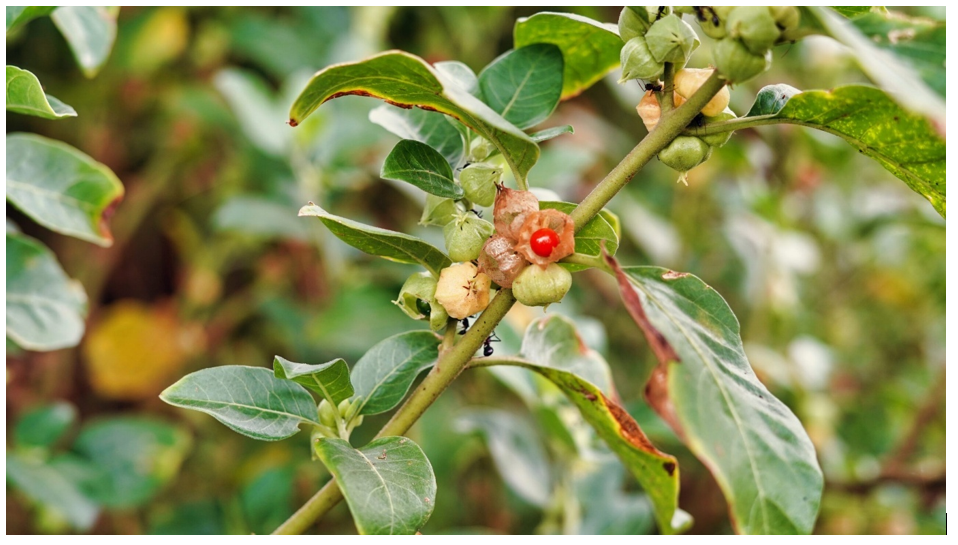
Ashwagandha, botanically known as Withania somnifera, is commonly referred to as Indian Ginseng or Winter Cherry. The name “Ashwagandha” itself signifies the strength of a horse, indicating stamina, vitality, and endurance.
Ashwagandha is well known for reducing anxiety, stress, and depression, while improving energy levels, stamina, and immunity. It supports brain health and is highly beneficial for individuals suffering from memory issues, forgetfulness, Alzheimer’s disease, and cognitive decline.
Women with thyroid disorders, especially hyperthyroidism, often experience poor memory and mental fatigue. Ashwagandha helps stabilize the nervous system and improves concentration and recall.
Overall, Ashwagandha works as a powerful adaptogen, helping the body adapt to physical, mental, and emotional stress while restoring balance and strength from within.
Ashwagandha: A Powerful Anti-Inflammatory, Hormone Balancer, and Vitality Booster
Ashwagandha is one of the most powerful and respected herbs in traditional natural medicine due to its multi-dimensional healing properties. One of its major benefits is its role in reducing the risk of diabetes by stabilizing blood sugar levels and improving insulin sensitivity. Regular consumption supports metabolic balance and helps protect the body from long-term complications associated with high blood sugar.
Ashwagandha is also well known for its ability to increase testosterone levels in males, thereby improving strength, stamina, libido, and reproductive health. At the same time, it supports hormonal balance in females, making it a truly versatile herb for both genders.
A Natural Anti-Inflammatory for Chronic Diseases
Inflammation is the root cause of most chronic diseases, whether it is related to the liver, joints, arthritis, muscles, or internal organs. Wherever there is chronic pain, stiffness, swelling, or degeneration, inflammation is always present at the cellular level. While modern medicine often relies on long-term painkillers and anti-inflammatory drugs, Ashwagandha works naturally from within, without damaging the digestive system.
Just one teaspoon or one tablespoon of Ashwagandha root powder, taken regularly, can show visible results within 2 to 3 days. Reduction in inflammation, swelling (edema), pain, and stiffness can be clearly noticed, even in chronic conditions. This makes Ashwagandha a powerful natural alternative for managing inflammatory disorders.
Joint Pain, Circulation, and Tissue Repair
Joint pain usually occurs when blood circulation is compromised, inflammation and edema are present, and tissues become stiff or damaged. Restricted movement, poor oxygen supply, and damaged cell membranes further worsen the condition. Ashwagandha helps reverse these changes by improving circulation, repairing tissues, and reducing inflammation at the root level.
With regular use, Ashwagandha supports better joint mobility, reduces stiffness, and enhances flexibility. It also strengthens muscles around the joints, offering long-term relief rather than temporary suppression of symptoms.
Roots vs Leaves: Understanding the Dual Nature of Ashwagandha
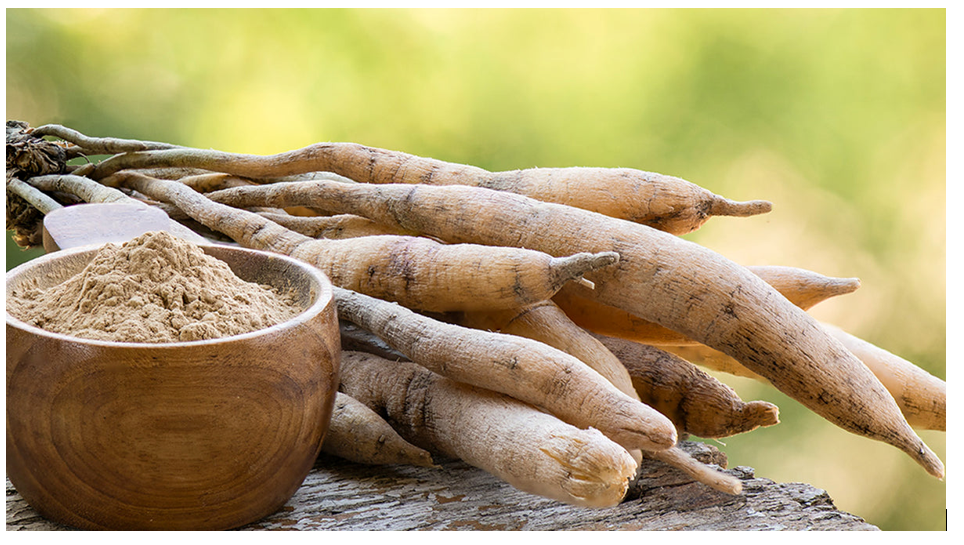
Ashwagandha is unique because different parts of the plant serve different purposes. The root, which is commonly used in powder form, is responsible for improving strength, stamina, immunity, fertility, and vitality. This is the form traditionally used for rejuvenation and recovery.
On the other hand, Ashwagandha leaves have a different role altogether. They are known to support weight reduction when used along with a proper diet and exercise routine. This fact became widely recognized when the leaves were popularized for weight management, and clinical experience has shown excellent results in patients seeking healthy and sustainable weight loss.
Stress Reduction and Hormonal Balance
Stress is one of the biggest contributors to hormonal imbalance. When the body is under stress, cortisol levels increase, leading to anxiety, fatigue, weight gain, hormonal disturbances, and sleep disorders. Ashwagandha naturally reduces cortisol levels, helping the body return to a balanced state.
By lowering stress hormones, Ashwagandha improves mental clarity, emotional stability, and cognitive function. It enhances brain performance, memory, focus, and concentration while reducing anxiety and mood swings. This is why it is often referred to as a natural adaptogen, helping the body adapt to physical, mental, and emotional stress.
Support for Muscles, Heart, and Metabolism
Ashwagandha improves muscular strength and endurance, making it beneficial for individuals suffering from weakness, fatigue, or muscle loss. It also supports cardiovascular health by improving circulation and reducing oxidative stress.
Additionally, Ashwagandha helps stabilize blood sugar levels, making it beneficial for diabetic and pre-diabetic individuals. Its anti-inflammatory and antioxidant properties further protect the heart, blood vessels, and internal organs from chronic damage.
Mood Enhancement, Libido, and Sexual Health
Ashwagandha acts as a natural mood enhancer, reducing symptoms of depression, irritability, and emotional exhaustion. By calming the nervous system and balancing hormones, it also improves libido and sexual performance in both men and women.
Its traditional name reflects its impact—“Ashwa” meaning horse, symbolizing strength, vitality, and reproductive power. This makes it especially beneficial for individuals suffering from low energy, sexual weakness, or hormonal fatigue.
Fertility and Reproductive Health in Men and Women
Ashwagandha plays a significant role in managing male and female infertility. When combined with other supportive herbs such as Shatavari, Vidarikand, and Kaunch Beej, it enhances reproductive health by improving hormonal balance, sperm quality, ovulation, and uterine strength.
Clinical experience from OPD practice shows that many patients who were advised IVF due to infertility issues achieved natural conception within 3 to 4 months through lifestyle modification, dietary correction, and consistent use of these natural herbs. These results highlight the power of holistic healing when applied correctly.
Furthermore, continued use of natural herbs, along with a healthy lifestyle during pregnancy, increases the chances of normal delivery and smoother recovery. In today’s time, where C-sections are increasingly common, strengthening the body naturally plays a crucial role in restoring reproductive health and confidence.
Precautions and Contraindications of Ashwagandha Use
While Ashwagandha is a powerful and beneficial herb, it is important to understand that not every natural substance suits every individual. Certain precautions must be followed to ensure safety and effectiveness. Ashwagandha should be avoided by patients who are on anticonvulsant or strong neurological medications, especially those prescribed after major cardiac surgeries, severe anxiety disorders, epilepsy, or certain psychiatric conditions. In clinical practice, it has been observed that Ashwagandha may interact with these medicines and aggravate symptoms, rather than improving them.
Patients suffering from advanced or end-stage liver diseases, such as liver cirrhosis or liver failure, should also avoid Ashwagandha. In such cases, the liver’s detoxification capacity is already compromised, and even beneficial herbs may place additional metabolic stress on the system.
Some individuals experience emotional numbness or altered neurological responses when Ashwagandha is taken alongside specific medications. Due to these observed effects, practitioners generally recommend complete avoidance in such patients.
Ashwagandha and Pregnancy: When to Use and When to Avoid
During pregnancy, Ashwagandha use must be handled with caution. While it is not universally contraindicated, around 5% of women experience nausea, vomiting, weakness, or discomfort when consuming Ashwagandha during pregnancy. For this reason, it is often considered safe only during the first trimester, provided no adverse symptoms are present.
However, after the second trimester begins, Ashwagandha is usually avoided—especially in women experiencing excessive nausea, vomiting, fatigue, or hormonal sensitivity. Although Ashwagandha can be highly nourishing when combined with herbs like wheatgrass and Shatavari, clinical experience suggests that avoiding it in later stages of pregnancy helps prevent unnecessary discomfort or complications.
Women who are on anticonvulsant medicines or hormone-altering drugs during pregnancy should strictly avoid Ashwagandha, as interactions have been known to worsen symptoms in some cases.
Forms of Ashwagandha and Their Appropriate Use
Ashwagandha can be consumed in various forms depending on availability and patient tolerance. The root powder is the most commonly used and therapeutically effective form for improving stamina, immunity, inflammation, fertility, and stress. Tablets are useful for individuals who find powder difficult to consume.
For those unable to take powder or tablets, Ashwagandha Arishta, a liquid Ayurvedic preparation, can be used as an alternative. The choice of form should always depend on symptoms, age, digestive strength, and medical background of the individual.
It is important to note that Ashwagandha leaves are generally used for weight management, while the roots are used for vitality and rejuvenation. Each part of the plant serves a distinct purpose and should be used accordingly.
Shatavari (Asparagus racemosus): The Queen of Female Reproductive Health
Shatavari is often paired with Ashwagandha because the two herbs complement each other exceptionally well. Botanically known as Asparagus racemosus, Shatavari is widely used in both traditional medicine and modern culinary practices. In fact, fresh asparagus commonly available in markets is a culinary form of Shatavari.
Shatavari is rich in antioxidants, making it highly beneficial for heart health and reducing the risk of chronic diseases, including certain cancers. Its strong anti-inflammatory properties are attributed to compounds such as racemosol, which allow it to act quickly in reducing internal inflammation.
Shatavari is also an excellent immune booster, strengthening the body’s resistance against infections and chronic illnesses.
Shatavari and Female Hormonal Balance
Shatavari plays a crucial role in female reproductive health, especially in conditions such as PCOS, PCOD, irregular menstrual cycles, menopause-related symptoms, and excessive menstrual bleeding (menorrhagia). It helps regulate hormonal fluctuations, improves ovarian function, and nourishes the reproductive tissues.
When combined with Ashwagandha, Shatavari provides outstanding results in restoring hormonal balance, improving fertility, and stabilizing menstrual health. This combination has been used effectively in numerous cases involving hormonal disorders and reproductive challenges.
A Remarkable Clinical Case: Reversing Ovarian Failure Naturally
One of the most impactful cases observed involved a young woman aged 25–26 years, who was unmarried at the time and had been diagnosed by three leading gynecologists in Mumbai. She was told that her ovaries had stopped functioning completely, and that conception would not be possible. She was even advised against marriage due to the presumed permanent infertility.
Her mother, familiar with naturopathic approaches, brought her for consultation. A detailed evaluation was conducted, including RHS, hormonal profiling, lactate levels, and other diagnostic investigations. Based on her condition, a personalized natural treatment protocol was initiated, focusing on diet correction, lifestyle modifications, and therapeutic use of herbs such as Ashwagandha and Shatavari.
Over time, significant improvement was observed in hormonal balance and ovarian activity. This case stands as a powerful example of how natural, holistic intervention can restore bodily functions that were considered irreversible, when applied correctly and consistently.
A Living Example of Natural Healing: Restoring Ovarian Function Through Herbs
After six months of consistent natural treatment, lifestyle correction, and herbal support, the same medical reports that once declared ovarian failure showed a remarkable reversal. The very doctor who had earlier stated that the ovaries had stopped functioning confirmed that normal ovarian activity had resumed. Within six months, the patient began experiencing regular menstrual cycles, a clear sign that hormonal balance had been restored.
Today, that same woman lives abroad, happily married, and is the proud mother of two healthy children. This case stands as one of the most powerful and memorable examples from clinical practice, demonstrating the true potential of natural healing when applied correctly.
It is important to clarify that this recovery was not achieved by consuming Shatavari or Ashwagandha alone. Rather, it was the result of a comprehensive naturopathic approach, including appropriate herbal combinations, therapeutic follow-ups, dietary corrections, lifestyle changes, and consistent monitoring. Herbs act as catalysts—but the body heals when the entire internal environment is corrected.
How Ashwagandha and Shatavari Restore Hormonal Balance
Ashwagandha and Shatavari work synergistically to reactivate ovarian function and normalize hormonal secretion. These herbs help restore the natural hormonal chain within the endocrine system, allowing communication between the brain, pituitary gland, ovaries, and other organs to function smoothly again.
What may appear as a “miracle” is, in reality, a scientific miracle of nature. These herbs contain specific bioactive compounds that influence hormonal receptors, reduce inflammation, correct stress-induced hormonal suppression, and nourish reproductive tissues. When used with proper knowledge, dosage, and timing, they support the body’s innate intelligence to heal itself.
Additionally, this combination helps balance Vata and Pitta doshas, which are most commonly disturbed in reproductive disorders, menstrual irregularities, infertility, and stress-related hormonal conditions.
Shatavari: A Natural Anti-Aging and Rejuvenation Herb
Beyond reproductive health, Shatavari plays a vital role in cell regeneration and anti-aging. It supports collagen production, improving skin elasticity, tissue repair, and overall vitality. In a world where many people rely on external cosmetics and chemical anti-aging solutions, Shatavari offers a natural, internal approach to rejuvenation—without side effects.
Shatavari is gentle, easily digestible, and well accepted by the body. Its regular consumption supports gut health, immunity, hormonal balance, and longevity. Because of its nourishing and cooling nature, it is suitable for long-term use in most individuals.
Role in Male and Female Fertility
Shatavari is beneficial not only for women but also for male reproductive health. It improves overall vitality, supports hormonal balance, and strengthens reproductive tissues in both genders. For couples facing fertility challenges, Shatavari—especially when combined with Ashwagandha and other supportive herbs—often yields encouraging results.
Shatavari During Breastfeeding
One of the most important traditional uses of Shatavari is in enhancing lactation. After childbirth, many mothers struggle with insufficient breast milk production and are often advised to rely on commercially available powdered milk. However, Shatavari offers a natural and effective alternative.
By consuming Shatavari powder or formulations containing Shatavari and Ashwagandha, mothers often experience a significant increase in milk quantity and quality, allowing infants to receive natural, nourishing breast milk. Several Ayurvedic and naturopathic preparations even combine these herbs in palatable forms, making them easier to consume during the postpartum period.
Should Shatavari Be Used Alone or with Ashwagandha?
Whether Shatavari should be used alone or combined with Ashwagandha depends entirely on the individual’s condition. In patients where Ashwagandha is contraindicated—such as those on anticonvulsant medications or with specific sensitivities—Shatavari alone can be safely administered.
However, when no contraindications exist, using Ashwagandha and Shatavari together in equal proportion generally provides the best therapeutic outcomes, particularly in hormonal, reproductive, and stress-related disorders.
Punarnava: The Herb of Cellular Regeneration
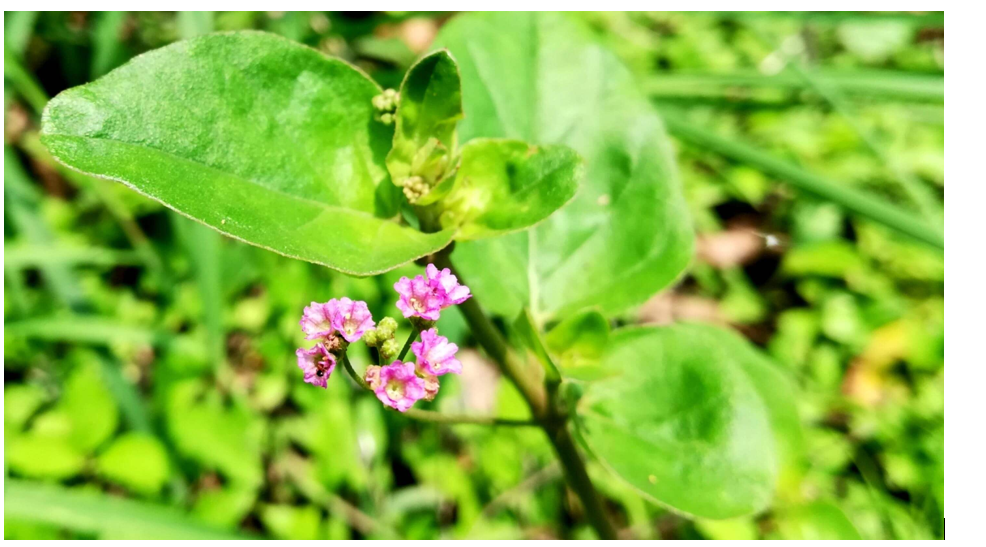
Another powerful herb worth mentioning is Punarnava, whose name itself reveals its function—“Punar” meaning again, and “Nava” meaning new. Punarnava signifies regeneration and renewal of cells. Every day, the body undergoes continuous detoxification and cellular turnover, and Punarnava supports this natural process effectively.
Ancient Ayurvedic texts describe Punarnava using the phrase “Shariram Punarnavam Karoti”, meaning it renews the body. This herb supports detoxification, reduces inflammation, improves kidney and liver function, and restores balance at the cellular level.
Understanding Doshas and Disease Formation
In naturopathy and Ayurveda, it is clearly understood that Prakriti (constitution) never changes—it remains constant throughout life. However, Vata, Pitta, and Kapha doshas frequently become imbalanced due to climate changes, improper diet, disturbed sleep patterns, stress, and emotional imbalance.
Each dosha, when disturbed, can lead to over 80 different disease conditions. Therefore, the foundation of natural healing lies in balancing these three doshas, rather than merely suppressing symptoms. Herbs like Ashwagandha, Shatavari, and Punarnava play a crucial role in restoring this balance when used wisely.
Punarnava: The Herb of Detoxification, Regeneration, and Systemic Balance
Ama is primarily a disorder associated with Kapha imbalance, and its accumulation significantly affects organs such as the lungs, digestive tract, and circulatory system. Conditions like indigestion, flatulence, sluggish digestion, ulcers, and improper blood flow are often rooted in this imbalance. When ama accumulates in the body, it obstructs normal metabolic processes, leading to disease. Therefore, balancing these doshas becomes essential to restore health and prevent illness.
Punarnava plays a crucial role in this process. True to its name, which means “renewal of the body,” Punarnava supports cellular regeneration, detoxification, and metabolic correction. By addressing the root cause rather than symptoms, it helps the body regain balance and vitality, allowing an individual to remain healthy and disease-free.
Punarnava and Urinary–Renal Health
Punarnava is considered one of the best kidney detoxifying herbs in naturopathy. It is extremely beneficial in urinary tract disorders, prostate-related conditions, and chronic renal dysfunction. In patients with elevated creatinine levels—especially those suffering from long-standing diabetes—renal filtration often becomes compromised due to nephron damage. This dysfunction commonly presents as puffiness around the eyes, fluid retention, and electrolyte imbalance.
Punarnava enhances the detoxification process by activating and strengthening nephrons, thereby improving kidney function naturally. It helps reduce fluid retention, supports proper urine flow, and assists in flushing out accumulated toxins. Because of this, it is frequently used in managing chronic kidney disease and early renal failure.
Slowing Premature Aging of Organs
Aging does not only reflect on the face—it occurs internally within organs as well. In today’s lifestyle, premature aging has become common even among younger individuals due to neglect of health, poor diet, stress, irregular sleep, and lack of physical activity. While people often invest time in external distractions, health rarely receives priority.
Punarnava helps slow down this internal aging process by regenerating tissues, improving metabolism, and enhancing detoxification. It rejuvenates aging organs and supports long-term organ vitality, making it an essential herb for preventive health care.
Role in Edema, Inflammation, and Circulatory Health
Punarnava is highly effective in reducing swelling, edema, and inflammation throughout the body. By improving blood circulation and restoring rhythmic flow, it prevents stagnation and congestion in tissues. This makes it particularly valuable in conditions involving fluid accumulation, inflammatory disorders, and compromised circulation.
Its action on the circulatory system also contributes to better oxygen delivery, nutrient absorption, and waste removal at the cellular level.
Natural Diuretic and Electrolyte Balancer
Punarnava is widely recognized as one of the best natural diuretics, yet unlike chemical diuretics, it does not disturb electrolyte balance. Instead, it helps restore and maintain electrolyte equilibrium while eliminating excess water and toxins from the body.
In conventional medicine, patients with kidney disorders, high creatinine, or prostate enlargement are often prescribed synthetic diuretics. With the regular use of Punarnava—especially when fresh or properly prepared—many patients are able to gradually reduce dependence on chemical diuretics, often within 7–10 days, under proper supervision.
Impact on Blood Pressure, Diabetes, and Metabolism
By improving circulation, reducing fluid overload, and correcting electrolyte balance, Punarnava plays a supportive role in managing high blood pressure. Its detoxifying effect also enhances insulin sensitivity and metabolic function, making it beneficial for individuals with type 2 diabetes.
Additionally, Punarnava helps manage obesity and water retention, two conditions often linked with sluggish metabolism and hormonal imbalance.
Clinical Experience in Chronic Renal Failure
In clinical practice, remarkable improvements have been observed in patients with chronic renal failure, including those with creatinine levels as high as 6–7 mg/dL, elevated potassium and nitrogen levels, and hemoglobin as low as 6–7 g/dL. Many such patients, who had been advised dialysis, chose naturopathic intervention instead.
Through a carefully guided protocol involving Punarnava as the core herb, combined with other supportive herbs such as Gokshura, along with strict dietary and lifestyle management, significant reversals were noted. In several cases, creatinine levels were stabilized and reduced to 1.3–2.0 mg/dL, without dialysis.
Punarnava acts as the base herb in such protocols—much like a solvent that allows other therapeutic components to work more effectively.
Benefits for Liver, Heart, and Blood Health
Punarnava also supports liver detoxification, improves anemia by enhancing metabolic efficiency, and promotes regeneration of heart cells. By strengthening cardiac tissues and improving circulation, it contributes significantly to overall heart health.
Its ability to regenerate cells makes it one of the most comprehensive herbs in naturopathy—addressing multiple systems simultaneously rather than targeting isolated symptoms.
The Healing Power of Nature: Punarnava and Tulsi in Naturopathic Care
Nature has always been humanity’s greatest healer. In naturopathy, it is believed that the human body is composed of the Pancha Mahabhutas—earth, water, fire, air, and space. These same five elements are present in nature, and therefore, remedies derived from nature naturally resonate with our body’s internal constitution. When we understand this harmony between human prakriti (body nature) and natural herbs, we can use nature as a powerful tool to restore balance, health, and vitality.
From a naturopathic point of view, diseases arise when there is an imbalance in the doshas—Vata, Pitta, and Kapha. Treatment is not just about suppressing symptoms, but about correcting the root cause by aligning the individual’s body nature with suitable natural remedies. This is where herbal medicine plays a vital role.
Even in today’s modern and rapidly developing world, nearly 65–70% of the population still depends on herbal medicine and alternative therapies, especially in rural and remote areas. Modern hospitals and advanced medical facilities are largely concentrated in metro cities, while villages often have limited access to healthcare. As a result, traditional herbal knowledge, passed down through generations, continues to support the health of millions.
Punarnava: A Remarkable Herb for Liver and Systemic Health
Among the many powerful herbs gifted by nature, Punarnava holds a special place in naturopathy. It is widely known for its effectiveness in managing liver-related disorders, including conditions such as jaundice, elevated SGPT, SGOT, and bilirubin levels. In clinical practice, very encouraging results have been observed in cases of hepatomegaly and even early-stage liver cirrhosis, when used appropriately under guidance.
Fresh Punarnava kada (decoction) has shown particularly positive outcomes. Patients are often advised to prepare and consume a simple sabji using the whole Punarnava plant (panchanga)—including leaves, stems, roots, and flowers. Regular intake helps support liver detoxification and improves overall metabolic function, all while being gentle on the body.
Beyond liver health, Punarnava is also known to:
- Support digestion and act as a natural appetizer
- Reduce bloating, gas, and heaviness
- Help relieve constipation and improve bowel movement
- Support respiratory health by easing breathlessness, cough, and recurrent cold
- Strengthen immunity and lung function
- Help manage joint pain, stiffness, and swelling
From a naturopathic perspective, when blood circulation and purification improve, every organ receives adequate oxygen and nutrients. This enhances the body’s natural healing capacity. Punarnava plays a supportive role in improving circulation, which contributes to faster recovery and better systemic health.
When fresh Punarnava is unavailable, alternatives such as organic Punarnava panchanga powder, tablets, or herbal formulations like Punarnavadi Mandur can also be used. While fresh herbs offer a different level of potency, quality organic preparations still provide excellent benefits when used consistently.
Tulsi (Holy Basil): The Queen of Herbs
Another cornerstone of traditional and naturopathic healing is Tulsi, also known as Holy Basil (Ocimum sanctum). It is often referred to as the “Queen of Herbs,” while wheatgrass is considered the “King of Herbs.” Tulsi is not the same basil used in continental cooking; it is a sacred medicinal plant with profound health benefits.
In Asian regions, three main varieties of Tulsi are commonly found:
- Rama Tulsi
- Shyama (Krishna) Tulsi
- Kapoor Tulsi
Each variety has unique properties and benefits, and none can be considered inferior to the other. Traditionally, Rama Tulsi is the most commonly found in households and gardens. Its strong, pungent taste has a refreshing and stimulating effect on the body and mind.
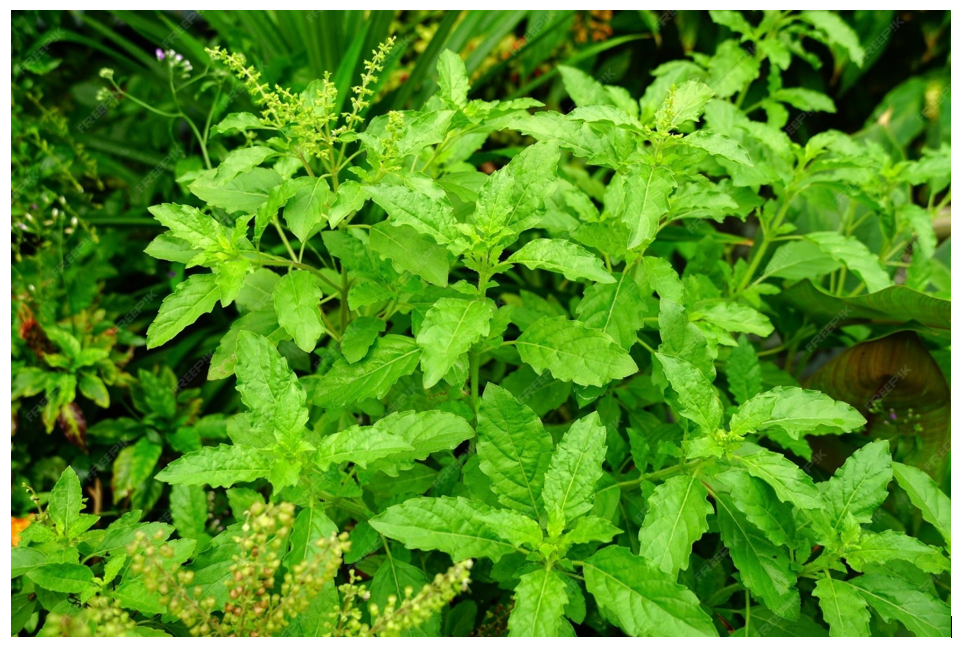
Tulsi supports:
- Respiratory health and immunity
- Relief from recurrent cough and cold
- Stress reduction and mental clarity
- Detoxification and metabolic balance
Cultural and Scientific Significance of Tulsi
Tulsi holds deep cultural and spiritual importance in Indian tradition. It is revered as sacred and symbolically associated with Lord Krishna, which is why rituals like Tulsi Vivah are celebrated after Diwali. Tulsi leaves are considered essential in religious offerings and prasad, signifying purity and divine connection.
However, this reverence is not merely symbolic. Ancient sages and rishis possessed profound scientific understanding of herbs. Tulsi was cultivated in homes not just for spiritual reasons, but because of its powerful medicinal properties and its ability to purify the surrounding environment.
Even today, in many households where space for multiple plants is limited, a Tulsi plant is almost always present, grown in a small pot or courtyard. This tradition reflects the wisdom of ancestors who understood the importance of preventive healthcare long before modern science emerged.
Tulsi in Daily Rituals: A Natural Shield for Immunity and Overall Health
In Indian tradition, the practice of offering Tulsi (Holy Basil) during morning prayers is far more than a religious ritual. It is a deeply scientific and health-oriented habit passed down through generations. After morning puja, it is customary to pluck one or two Tulsi leaves and chew them as prasad. This simple act plays a significant role in maintaining internal balance and protecting the body from disease.
Early morning is the time when our digestion is naturally at its strongest and saliva remains slightly alkaline. Chewing fresh Tulsi leaves at this time enhances this alkalinity, creating an internal environment that is antifungal, antibacterial, and anti-infective. Tulsi contains multiple active compounds that help inhibit harmful microorganisms, making it an excellent natural protector when consumed first thing in the morning.
Why Tulsi Is a Powerful Natural Immunity Booster
Tulsi is rich in essential micronutrients such as zinc and iron, which support immune function and cellular repair. Its regular consumption strengthens the body’s natural defense system, helping prevent frequent infections. This is why individuals who follow the traditional practice of daily Tulsi consumption often experience fewer episodes of illness.
In common conditions like cough, cold, fever, chest congestion, and respiratory infections, Tulsi proves highly effective. Simply chewing a few leaves daily or preparing a Tulsi kada (herbal decoction) can provide significant relief. Its expectorant and antimicrobial properties help clear mucus, soothe the respiratory tract, and support lung health.
Seasonal changes often weaken immunity and trigger detoxification needs. Tulsi acts as a gentle natural detoxifier, making it especially beneficial during climate transitions.
Tulsi as a Healthy Replacement for Regular Tea
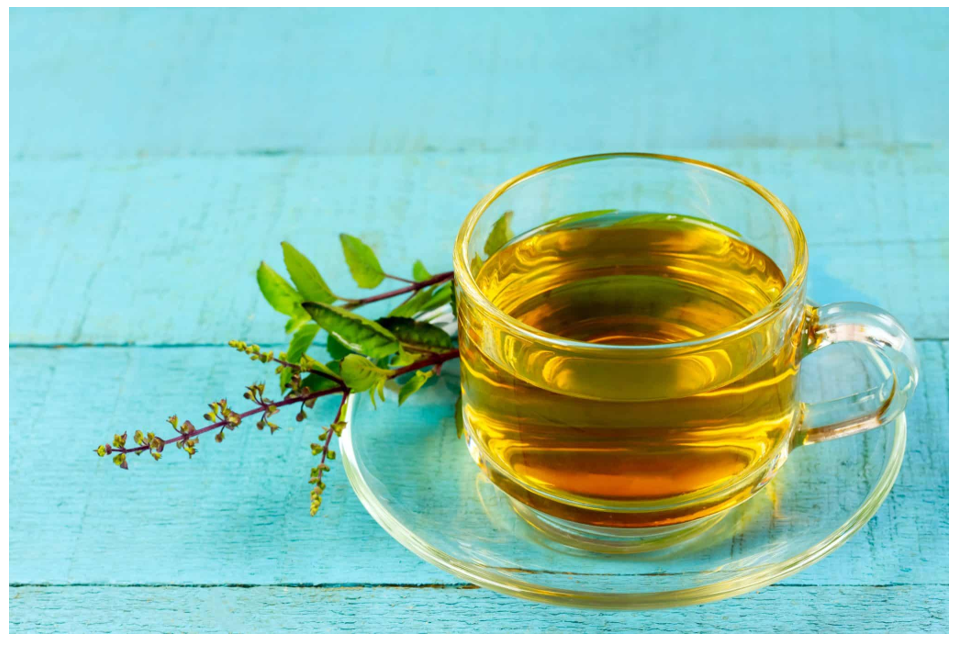
Most people begin their day with regular Indian tea, which is often high in tannins and stimulants that can irritate digestion and acidity. Replacing this with Tulsi-based herbal tea (Tulsi Sudha) is a far healthier alternative. Tulsi herbal tea is not only caffeine-free but also supports digestion, immunity, and mental clarity.
In fact, Tulsi herbal tea offers benefits that surpass even green tea in many aspects. It supports lung health, heart health, digestion, and blood purification, all while providing a refreshing taste and aroma. Starting the day with Tulsi instead of regular tea can itself reduce the risk of many lifestyle-related disorders.
It is often said that when the first intake of the day is corrected, nearly half of chronic health issues begin to resolve naturally. Tulsi helps set this foundation without the need for supplements or medications.
Blood Purification, Brain Health, and Stress Reduction
Tulsi is a powerful blood purifier, helping improve circulation and oxygen delivery to tissues. Chewing 5–10 fresh Tulsi leaves every morning supports detoxification and promotes healthier skin and organs.
Its adaptogenic properties help balance neurotransmitters like serotonin, reducing stress, anxiety, and mental fatigue. Regular Tulsi intake supports brain function, improves focus, and helps manage high blood pressure through its calming and anti-inflammatory effects.
In conditions like gout, arthritis, and degenerative joint disorders, Tulsi’s anti-inflammatory properties help reduce pain, stiffness, and swelling.
Protection Against Lifestyle Diseases
Modern lifestyle diseases such as high blood pressure, diabetes, and cholesterol often coexist. When one appears, the others frequently follow. Tulsi plays a preventive role by supporting metabolism, regulating blood sugar, improving lipid profiles, and reducing systemic inflammation.
What makes Tulsi unique is its zero cost, easy availability, and absence of side effects when used naturally. Few remedies on earth offer such wide-ranging benefits so effortlessly.
Tulsi and Kidney Health
Tulsi also supports kidney and urinary health due to its strong diuretic properties. Increased urine flow helps flush toxins, prevent stagnation, and assist in breaking down kidney stones. In cases of small to moderate kidney stones—whether located in the kidney poles, ureters, or urinary bladder—regular Tulsi intake may help gradually disintegrate stones and facilitate their natural elimination.
The pungent taste experienced while chewing Tulsi leaves reflects its potent diuretic and cleansing action within the body.
Tulsi, Parijat, and Nirgundi: Powerful Herbs for Digestion, Detoxification, and Joint Health
Tulsi (Holy Basil) is not only beneficial for immunity and respiratory health but also plays a significant role in maintaining a healthy gastrointestinal system. It helps stimulate appetite, improves digestion, and reduces bloating, gas, and heaviness after meals. Due to its natural alkalizing effect, Tulsi supports gut balance and helps counter excessive acidity, which is the root cause of many digestive disorders.
In recent times, alkaline water has become a major trend, especially on social media. Many health-conscious individuals consume silver alkaline water, gold alkaline water, or water infused with special alkaline stones soaked overnight. While these methods may have benefits, Tulsi offers a simple, affordable, and naturally available alternative. Chewing fresh Tulsi leaves early in the morning acts as one of the best natural alkaline agents, helping maintain the body’s pH balance without any artificial processing.
Tulsi for Kidney Stones and Urinary Health
Tulsi is highly beneficial for urinary tract health due to its strong diuretic properties, which promote increased urine flow and help flush toxins from the kidneys. For individuals suffering from kidney stones, consuming 8 to 10 fresh Tulsi leaves daily is generally advised. When Tulsi is combined with other supportive herbs, such as stone-breaking leaves traditionally used for renal health, the results are often enhanced.
Tulsi is considered thermally neutral—its effect does not excessively heat or cool the body. Its action depends on the season, dosage, and the individual’s constitution, making it safe for long-term use when taken appropriately.
The best method of consumption remains chewing fresh leaves, preferably Ram Tulsi, Shyam Tulsi, or Kapur Tulsi—whichever variety is locally available. Tulsi seeds are also extremely potent and are used to prepare herbal drinks such as Tulsi Sudha. In fact, Tulsi seeds contain even higher concentrations of active compounds than the leaves. While powders, extracts, and tablets are available and useful, fresh Tulsi remains the most effective and natural form.
Parijat and Nirgundi: Ancient Herbs with Modern Relevance
Parijat (Nyctanthes arbor-tristis), commonly known as Night Jasmine, and Nirgundi (Vitex negundo) are two powerful herbs that are traditionally used together. In many Indian and Asian regions, Parijat is recognized by its fragrant flowers that bloom at night, while Nirgundi is valued for its strong anti-inflammatory properties.
Ancient texts mention Parijat as a sacred herb originating during Samudra Manthan, highlighting its spiritual and medicinal importance. Scientifically, the combination of Parijat and Nirgundi is highly effective in conditions such as sciatica, arthritis, gout, joint stiffness, inflammation, edema, and water retention.
Punarnava, Parijat, and Nirgundi: A Powerful Therapeutic Combination
When Punarnava is combined with Parijat and Nirgundi, it creates a highly effective formulation for managing inflammatory and circulatory disorders. Punarnava Kada prepared with these herbs helps reduce swelling, stiffness, and pain, allowing patients—especially those with arthritis or gout—to regain mobility and comfort.
This combination also helps reduce high uric acid levels, which are commonly seen in gout patients. Additionally, it is beneficial in cases of varicose veins, where poor circulation and weakened venous valves lead to blood pooling and visible vein discoloration. By improving circulation, reducing acidity, and balancing Pitta dosha, these herbs support vein elasticity and blood flow when used alongside appropriate exercises and therapies.
Skin Health: Boils, Pimples, and Inflammation
Parijat and Nirgundi are equally effective when used externally. Individuals with oily skin, excessive sebum secretion, boils, or recurrent pimples—especially on the back or face—can benefit greatly from these herbs. Applying a fresh paste made from Parijat and Nirgundi leaves mixed with plain water directly onto affected areas helps reduce inflammation, control infection, and speed up healing.
Boils often subside within two to three days, while pimples show significant improvement within seven to ten days. These herbs purify the blood, reduce heat and toxins, and support skin regeneration naturally.
Role in Viral Infections and Flu
Beyond joint and skin health, Parijat and Nirgundi also play an important role in managing viral infections such as flu, body aches, and fever-related inflammation. Their antiviral, analgesic, and detoxifying properties make them valuable herbs in both internal consumption and external application during infections.
Comprehensive Health Benefits of Bael Fruit
Bael fruit is a highly versatile medicinal fruit that supports the functioning of almost every major system in the human body. One of its significant benefits is the maintenance of healthy blood pressure. Due to its high potassium and low sodium content, Bael fruit helps regulate blood pressure naturally and supports cardiovascular balance. This makes it especially beneficial for individuals suffering from hypertension or circulatory disorders.
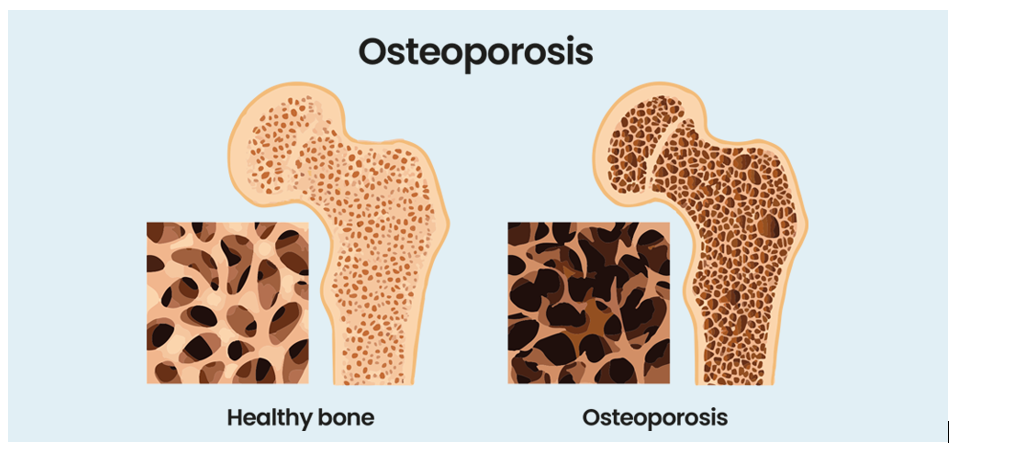
Bael fruit is also beneficial in conditions such as osteoporosis, as it supports bone health through its rich mineral content. Additionally, it promotes eye health, as it contains essential vitamins such as Vitamin A, B-complex, and Vitamin C, which are vital for vision, immunity, and cellular repair.
Digestive Health and Natural Electrolyte Balance
Bael fruit is exceptionally effective in managing loose motions and diarrhea. In modern medicine, oral rehydration solutions (ORS) are commonly prescribed for such conditions. Bael fruit works in a similar manner but in a completely natural and more cooling way, making it especially suitable during the summer season. It replenishes fluids, restores electrolyte balance, and soothes the digestive tract simultaneously.
Its cooling nature, combined with a high fiber content, helps calm intestinal irritation and improves bowel consistency. This makes Bael fruit a reliable remedy for both acute and chronic digestive disturbances.
Role in Diabetes Management
The bark and branches of the Bael tree possess strong diabetes-controlling properties, as supported by scientific observations. Although bark and branches are traditionally used, the fruit and leaves also carry these benefits. For individuals suffering from Type 2 diabetes, Bael leaves act as a powerful natural medicine.
A combination of Bael leaves, Neem leaves, Cinnamon leaves (Dalchini), and Gudmar (Madhunashini) has shown excellent results in managing and even reversing Type 2 diabetes when used consistently under guidance. This herbal combination helps regulate blood sugar levels, improves insulin sensitivity, and supports pancreatic function.
Benefits for Lungs, Immunity, and Skin Health
Bael fruit supports lung health and is especially effective during conditions associated with Ama (toxin accumulation) due to its antibacterial properties. It helps cleanse the respiratory system and strengthens immunity, reducing susceptibility to infections.
In addition, Bael fruit is highly effective in treating skin infections and skin disorders. Regular consumption of Bael fruit juice helps improve skin texture, reduces dryness, dullness, pigmentation, and black patches, and enhances the natural glow of the skin. Its detoxifying action clears internal toxins, which directly reflects in improved skin health.
For individuals suffering from chronic skin diseases, Bael fruit juice or leaf preparations offer a gentle yet powerful natural solution.
Cardiovascular Protection and Antioxidant Power
The high antioxidant content present in Bael fruit provides strong cardioprotective benefits. These antioxidants reduce oxidative stress, improve circulation, and protect heart tissues from damage. As a result, Bael fruit contributes to better heart health and overall vitality.
Because of its rich composition of minerals, vitamins, antioxidants, and dietary fiber, Bael fruit supports the optimal functioning of vital organs such as the heart, liver, lungs, intestines, and skin. Its holistic impact makes it one of the most complete medicinal fruits found in nature.
Seasonal Use and Traditional Consumption Methods
Bael fruit is a seasonal fruit, and its benefits are best obtained when consumed during its natural season—summer. It can be consumed in various forms such as:
- Chewing fresh leaves
- Preparing fresh juice or sharbat
- Using pulp in natural drinks
Seasonal consumption aligns the body with nature’s rhythm and enhances the therapeutic impact of the fruit.
Herbs as Medicine for Every Body System
Nature provides specific herbs for every organ, system, gland, and tissue of the human body. Herbs are not separate from food; rather, medicine is embedded within our food itself. Indian traditional cuisine is a perfect example of this philosophy. Spices such as turmeric, cinnamon, cumin, and coriander are not merely flavor enhancers but powerful medicinal agents.
Through both spices and herbs, Indian food naturally supports digestion, immunity, metabolism, and detoxification—often without conscious awareness of their medicinal properties.
Diversity of Herbs Based on Geography and Season
While this lecture covered commonly available herbs, there are countless other herbs that vary according to geographical region, climate, and season. Different cultures and regions use locally grown herbs best suited to their environment. This adaptability highlights the intelligence of nature and the importance of regional herbal knowledge.
Understanding Doshas and Personalized Healing
Questions often arise regarding Vata, Pitta, and Kapha (the three doshas). Understanding doshas requires both theoretical knowledge and symptomatic observation. Dosha assessment is not limited to a single textbook; it involves evaluating body structure, age, gender, symptoms, lifestyle, and mental tendencies.
Dosha identification is therefore customized and individualized, rather than standardized. Detailed understanding of doshas is covered extensively in Bachelor-level naturopathy courses, while advanced programs focus on applied and clinical aspects.
For deeper understanding, educational resources such as video lectures and articles are available, offering comprehensive explanations of dosha theory and practical diagnosis.
Herbal Combinations and Disease-Specific Formulations
Herbal mixtures such as kadas, powders, and juices are foundational tools in naturopathy. These combinations are disease-specific and symptom-based. Basic formulations are introduced early in training, while advanced combinations are taught progressively.
Understanding these mixtures requires clarity in fundamentals, such as body fluids, electrolytes, digestion, and detoxification. Once these basics are mastered, applying herbal combinations becomes logical and intuitive.
Concept of Base Herbs and Symptom-Based Customization
In naturopathy, treatment does not follow a rigid or fixed formula. Instead, it is symptom-oriented and individualized. Just as water forms the base for preparing lemon juice, to which lemon, salt, and sugar are added according to need, similarly, certain herbs act as base herbs in herbal medicine. These base herbs provide foundational support, and additional herbs can be added depending on the patient’s symptoms and condition.
Since the properties and actions of each herb are well understood, practitioners can confidently modify herbal combinations. Whether a patient suffers from a single condition or multiple disorders, herbs can be adjusted accordingly. When used properly, adding one herb or combining multiple herbs does not create side effects, as natural herbs work synergistically with the body rather than against it.
Role of Experience in Herbal Practice
While theoretical knowledge is essential, experience plays a crucial role in effective naturopathic practice. Over time, through observation and clinical exposure, practitioners develop a deeper understanding of how specific herbs interact with different body constitutions and disease conditions. Based on this accumulated experience, herbal mixtures are prepared in the form of kadas, powders, or tablets, making them convenient and accessible.
Such formulations are now easily available and can be delivered across regions. For those who need ready-made preparations, these herbal formulations can be procured through established naturopathic institutions, ensuring quality and consistency.
Timing of Herbal Consumption
The timing of herbal intake significantly influences therapeutic outcomes. In general, morning consumption of herbal remedies is considered ideal, as the body’s digestion and absorption capacity is strongest during this time. However, certain herbal preparations yield better results when consumed at night.
For example, Punarnava kada, commonly used for its diuretic, anti-inflammatory, and regenerative properties, is best consumed at night. The human body undergoes natural repair and regeneration between 2:00 a.m. and 4:00 a.m., and consuming such herbs before sleep enhances their effectiveness during this healing phase.
Thus, understanding the purpose of the herb helps determine the most appropriate time for consumption.
Natural Approach to Brain Health and Blood Clot Recovery
In conditions related to brain health or blood clot formation, the most fundamental and effective remedy is deep breathing. The brain primarily depends on oxygen and glucose supplied through blood circulation. Ensuring that the blood carries sufficient oxygen and nutrients is critical for recovery.
Deep breathing enhances oxygenation, improves cerebral circulation, and supports natural healing processes. Alongside breathing practices, supportive herbs such as Brahmi, Punarnava, and Wheatgrass can be incorporated to enhance brain nourishment, circulation, and detoxification.
While herbs may not directly dissolve a blood clot instantly, they help reduce associated symptoms such as dizziness, memory issues, speech difficulties, and weakness. With consistent practice and body acceptance, gradual improvement can be observed.
External Therapies and Circulation Support
In addition to internal herbal support, external naturopathic therapies play an important role in improving blood circulation. Applications over the skull and head region help stimulate blood flow and enhance oxygen delivery to brain tissues. These therapies, combined with breathing exercises and herbal support, create a holistic recovery environment.
It is important to note that individual response varies. However, even if complete resolution takes time, symptom relief is often noticeable early, indicating positive therapeutic response.
Clarification on Bael Fruit Pulp and Leaves
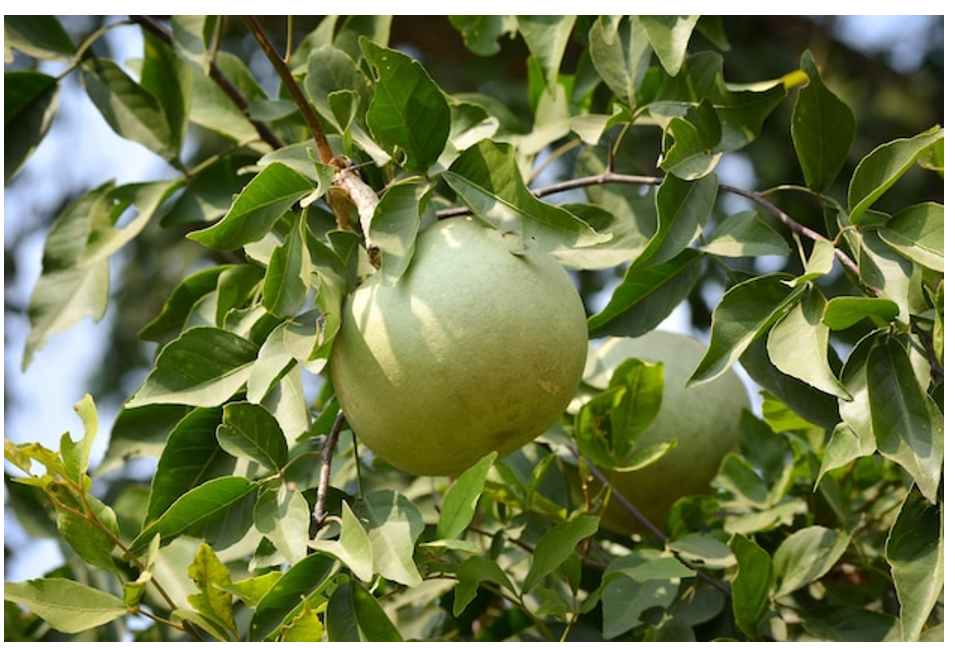
Bael fruit pulp and Bael leaves serve different therapeutic purposes and are not interchangeable. The Bael fruit pulp is cooling in nature and helps balance Pitta, making it ideal for summer use, digestive health, hydration, and overall dosha balance.
On the other hand, Bael leaves possess stronger medicinal properties related to blood sugar regulation. They are particularly effective for individuals suffering from diabetes, as they help improve glucose metabolism and insulin sensitivity.
Understanding these distinctions allows practitioners and individuals to use the correct part of the plant according to the health requirement.
The Power of Natural Herbs in Maintaining Health and Treating Diseases
Human beings are a part of nature, and our bodies are made up of the same five fundamental elements—Pancha Mahabhutas: earth, water, fire, air, and space. These elements not only form our physical structure but also govern our physiological and metabolic functions. When these elements remain in balance, the body stays healthy, energetic, and disease-free. However, when imbalance occurs, illness begins to manifest.
Nature itself provides solutions to restore this balance. The herbs that grow naturally in our environment are composed of the same elements as our body. This is why they are highly effective in treating diseases, boosting immunity, and improving overall vitality. With the right knowledge and awareness about herbs—their properties, usage, and timing—we can harness nature’s healing power effectively.
Natural Herbs: A Gift from Mother Nature
All natural herbs are organic by nature. They grow without chemical intervention and are nourished by natural sunlight, soil, air, and water. Because of this, they are generally safe and free from harmful side effects when used correctly. These herbs are truly a gift from Mother Nature to humankind.
Interestingly, herbs are not beneficial only for humans but also for animals. If we observe closely, stray animals and wild animals rarely visit hospitals or doctors. Instead, they instinctively consume natural greens and herbs available in their surroundings. This natural diet keeps them healthy and protects them from lifestyle-related diseases that humans commonly face today.
Naturopathy Perspective: Understanding Prakriti and Dosha Balance
According to naturopathy, every individual has a unique Prakriti (body constitution), governed by the three doshas—Vata, Pitta, and Kapha. Any imbalance in these doshas leads to disease. Rather than merely suppressing symptoms, naturopathy focuses on identifying and correcting the root cause of imbalance.
Treatment is always personalized, based on the individual’s body nature. Herbs that grow in natural environments tend to suit human Prakriti because they align with our elemental composition. This is why natural remedies are more harmonious with the body and support long-term healing.
Herbal Medicine and Rural Healthcare Dependence
Despite rapid modernization and development, a large portion of the population still relies on herbal medicine and alternative therapies. Nearly 65–70% of people, especially those living in villages and remote areas, depend on traditional and herbal systems of medicine.
In many rural regions, government dispensaries are limited, and access to modern healthcare facilities is not always reliable. As a result, people continue to use ancient wisdom passed down through generations—home remedies, medicinal plants, and traditional healing practices. These methods have sustained communities for centuries and remain relevant even today.
Leaves vs Fruits: Different Properties, Different Timing
Herbs, fruits, and leaves have distinct properties, even when they come from the same plant. For example, bael (bell) fruit and bael leaves serve different purposes and must be consumed at different times.
Bael fruit juice or sherbet is best consumed in the morning during breakfast hours or between 10 AM to 12 PM. It is particularly beneficial for digestion, blood sugar regulation, and gut health.
On the other hand, herbal leaves should ideally be consumed early in the morning on an empty stomach. Chewing fresh leaves directly allows the herbs to mix with saliva, enhancing absorption and making them alkaline in nature. This timing maximizes their detoxifying and healing effects.
Herbs Safe for Children and Infants
For children below the age of 10 and even for infants, only mild and nourishing herbs should be recommended. Certain superfoods such as wheatgrass (in appropriate dosage) and alfalfa are considered safe and beneficial. These herbs support immunity, digestion, and overall growth when used responsibly under guidance.
Tulsi: Myth vs Reality
There is a common misconception that Tulsi (Holy Basil) is “garam” (heating) in nature. In reality, Tulsi is neutral. The effect of Tulsi depends entirely on how it is prepared and consumed.
The best way to consume Tulsi leaves is by chewing them early in the morning on an empty stomach. When combined with saliva, Tulsi becomes completely alkaline and does not produce heat in the body.
However, if Tulsi leaves are boiled at high temperatures along with other ingredients—as in masala tea—it may behave differently. This is why an excellent alternative is Tulsi Sudha, prepared using Tulsi seed powder instead of leaves. Even after boiling, it remains neutral. Adding lemon juice after boiling and sweetening with jaggery (instead of sugar) further enhances its health benefits.
Tulsi for Skin Health and Pimples
Tulsi is known for its antibacterial and antifungal properties, making it highly effective for skin problems like pimples and acne. A paste of Tulsi leaves combined with other supportive herbs such as Parijat can be used both internally and externally to improve skin health naturally.
Herbal Support for Chronic and Degenerative Diseases
For neurological disorders such as Parkinson’s disease, herbs that support nerve health and blood circulation to the brain are recommended. Herbs like Ashwagandha, Shatavari, Vidarikand, and Kaunch Beej are known to nourish the nervous system and improve neurological functioning.
For skin diseases, Tulsi remains one of the most effective herbs. Along with Tulsi, wheatgrass and bael fruit are also highly beneficial due to their detoxifying and blood-purifying properties.
For arthritis and other degenerative joint disorders, herbs with strong anti-inflammatory properties are essential. Herbs such as Punarnava, Moringa (Shigru), and Parijat help reduce inflammation, pain, and stiffness while improving joint mobility.
Alfalfa, rich in fiber and calcium, also plays a supportive role in managing degenerative conditions by strengthening bones and improving digestion.
Aloe Vera, Brahmi, and the Vast World of Herbs
Herbs like Aloe Vera and Brahmi are widely recognized for their medicinal value. Aloe Vera is beneficial both internally and externally—for digestion, skin, immunity, and detoxification. Brahmi supports brain health, memory, and mental clarity.
It is important to understand that the herbal world is vast. There are hundreds of medicinal herbs, each with unique properties. It is not possible to discuss all of them at once. At institutions like Saffron, more than 150 herbs are studied, used, and researched, highlighting the depth and richness of naturopathic science.
Herbal Knowledge, Natural Healing, and the Importance of Water in Naturopathy
In our courses and training programs, comprehensive study material is always provided to students. The entire book covers the importance of herbs, their benefits, methods of usage, and practical applications in daily life. When students thoroughly go through this material, they gain a deeper understanding of how herbs work in harmony with the human body and nature. Proper reading and application of this knowledge is essential to practice naturopathy effectively.
Herbal Management of Kidney and Urinary Stones
From clinical experience, kidney and urinary stones vary significantly in size. In practice, cases have been observed ranging from 2–3 mm stones to even 18 mm stones. For such conditions, naturopathic management focuses on reducing symptoms and supporting the body’s natural elimination processes.
Typically, after 60 days of consistent herbal and lifestyle management, patients are advised to undergo follow-up investigations such as sonography or KUB X-ray. In many cases, symptoms such as pain, vomiting, low appetite, and burning sensation during urination gradually subside within this period, indicating improvement.
Use of Stone-Clearing Leaves and Tulsi
For managing kidney, bladder, and other urinary stones, certain leaves—commonly referred to as stone leaves—are traditionally recommended. These leaves help support the urinary system and assist in breaking down stone formation naturally.
The recommended practice is to consume:
- 8 to 10 leaves of stone leaves (Patha)
- 5 to 10 leaves of Tulsi
These should be taken together every morning on an empty stomach, either by chewing them directly or preparing fresh juice. Adding 2 to 3 black pepper seeds enhances absorption and improves effectiveness. This regimen should be followed daily for a minimum of 60 days to observe meaningful results.
Natural Water Consumption: A Forgotten Medicine
Water plays a crucial role in health, and from a naturopathic perspective, running water from natural sources holds the highest vitality. However, in modern urban life, access to such water is limited. Therefore, the best alternative recommended is earthen pot (matka) water.
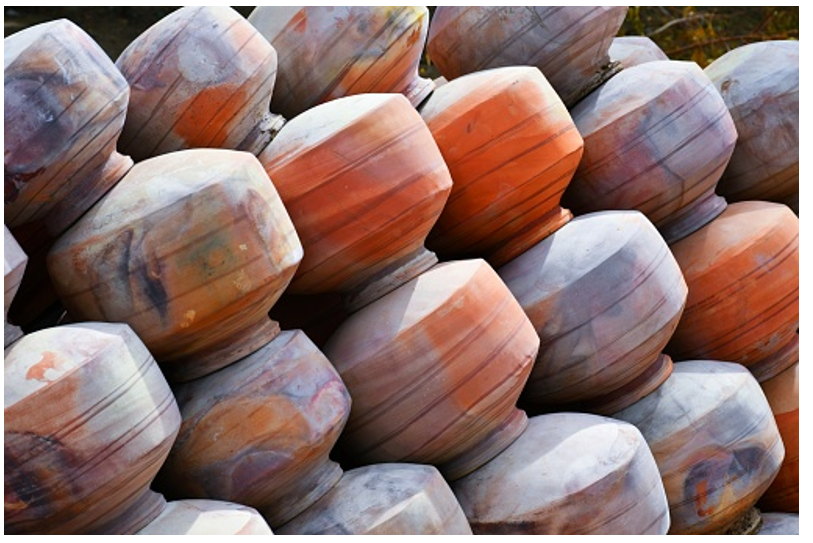
Excessive filtration through modern water purifiers often removes essential minerals from water. Most purifiers use carbon-based filtration, which may strip water of its natural elements. Instead, a simple and effective method is to boil water once, allow it to cool naturally, and store it in an earthen pot.
The earthen pot itself acts as a natural purifier and coolant, making the water beneficial for digestion, metabolism, and overall health. While metal or steel vessels are acceptable, there is no true substitute for earthen pot water in naturopathy.
Understanding TDS and Water Myths
Many patients today are concerned about TDS (Total Dissolved Solids) levels in water. While TDS awareness is scientific, excessive fear often creates confusion. There is no single universal rule for water quality that applies to everyone. Natural mineral content in water is not harmful; in fact, it is often beneficial.
There is no single authoritative book that explains water perfectly, as much of today’s information is influenced by opinions, marketing, and partial truths. Instead, individuals should rely on basic naturopathic principles, practical observation, and moderation.
Managing Uric Acid Naturally
High uric acid levels often lead to joint pain and crystal deposition between joints. Natural remedies such as:
- Whole coriander seeds
- Soft plant-based diets
- Adequate hydration
are helpful in managing uric acid levels. However, the most important factors are stress management and sufficient rest.
Exercise plays a vital role in reducing uric acid crystal accumulation. Through muscle contraction and relaxation, circulation improves, helping mobilize and eliminate these crystals. Exercises should always be performed within the patient’s physical capacity, avoiding strain.
Role of Physical Movement in Healing
Healing cannot occur through herbs alone. Proper movement supports the circulatory system, lymphatic drainage, and metabolic waste removal. Especially in conditions like uric acid imbalance and joint disorders, regular movement is essential for recovery.
Understanding Female Health, Herbal Therapy, and Holistic Healing in Naturopathy
Leucorrhoea (White Discharge): Causes and Natural Understanding
Leucorrhoea, commonly referred to as white discharge, is a female health condition characterized by excessive vaginal discharge. From a naturopathic perspective, leucorrhoea is often associated with infection, hormonal imbalance, poor digestion, weakened immunity, or excessive heat in the body. It is not merely a local problem but reflects an internal imbalance that needs holistic correction rather than symptomatic suppression.
Natural management focuses on improving digestion, balancing hormones, enhancing immunity, and reducing internal inflammation. Proper diet, hygiene, and suitable herbs play a significant role in restoring balance naturally.
Multiple Properties of Herbs: One Herb, Many Benefits
One of the most important principles of naturopathy is understanding that every herb possesses multiple properties, not just one specific action. For example, Indian Rosewood is known not only for its role in managing diabetes but also for its antidepressant and nerve-supporting properties. Similarly, herbs can be selected and combined based on symptoms rather than disease labels.
In conditions like diabetes, where neurological involvement, circulation issues, and metabolic imbalance coexist, herbs that support nerves, regeneration, and blood sugar balance are especially beneficial.
Wheatgrass: The King of All Herbs
Wheatgrass is often referred to as the “King of all Herbs” due to its exceptionally rich chlorophyll content. Chlorophyll supports detoxification, blood purification, oxygenation, and cellular regeneration. Because of these properties, wheatgrass is beneficial in a wide range of conditions, especially degenerative diseases.
When used alone or in combination with other herbs, wheatgrass supports healing at the cellular level. One of its greatest advantages is that it has no side effects when used correctly. This makes it safe for long-term use across almost all age groups.
Importance of Personal Experience in Herbal Practice
For anyone practicing naturopathy or planning to guide patients naturally, personal experience with herbs is essential. When practitioners use herbs themselves, they gain confidence, clarity, and authentic understanding. This personal practice leads to better patient guidance and stronger results.
It is often said, “Charity begins at home,” and similarly, healing experience should begin with oneself. Confidence rooted in experience is far more powerful than theoretical knowledge alone.
The knowledge shared in these lectures is not based on short-term learning but on over 19 years of clinical practice and 8 years of formal study. This combination of education and experience forms the foundation of authentic naturopathic guidance.
Menopause: A Natural Phase Requiring Emotional and Physical Support
Menopause is a natural biological transition, and the most important support during this phase is emotional stability and understanding. If a woman does not experience significant symptoms, no intervention is required.
However, when symptoms arise, herbs can be selected based on individual needs:
- Hot flashes: Cooling foods like barley (daliya) are beneficial.
- Weakness, bone density loss, or vitamin deficiencies (B12, D3): Alfalfa and wheatgrass provide nutritional support.
- General menopausal discomfort: Ashwagandha and Shatavari can be used in balanced proportions.
Herbs should be used only when symptoms are present, as unnecessary supplementation is not encouraged in naturopathy.
Knee Pain and Joint Health

Knee pain is best managed through a combination of movement therapy and nutrition. From a naturopathic viewpoint, hot and cold applications help improve circulation, reduce inflammation, and relieve pain. Alongside this, maintaining adequate calcium levels through natural nutrition is important.
Regular, gentle exercise strengthens joints and muscles, preventing stiffness and degeneration. Movement is always considered a primary medicine in joint-related disorders.
Universal Herbal Support: Wheatgrass and Alfalfa
If one universal recommendation can be given in naturopathy, it is the use of wheatgrass and alfalfa. These two herbs can be safely suggested to almost every individual, at any age, due to their rich nutritional profile.
They support:
- Immunity
- Bone health
- Digestion
- Blood purification
- Hormonal balance
The only group requiring caution is pregnant women, where dosage and usage must be supervised. Apart from this, these herbs are beneficial in more than 365 conditions, making them foundational in natural healing.
Conclusion: Returning to Nature for Sustainable Health and Healing
The entire discussion presented throughout this article strongly reinforces one fundamental truth: human health is inseparably connected to nature. From the five elements that constitute the human body to the herbs, plants, water, air, and soil that sustain life, nature has already provided everything required for prevention, healing, and regeneration. Naturopathy does not introduce something new; rather, it revives ancient wisdom that humanity has practiced for generations but gradually forgotten in the pursuit of rapid modernization.
Human beings are formed from the same Panchamahabhutas—earth, water, fire, air, and space—that constitute nature. Therefore, it is only logical that remedies derived from nature align harmoniously with the human body’s prakriti. When imbalance occurs in the doshas—Vata, Pitta, or Kapha—it reflects not just a physical disturbance but also a disruption in lifestyle, diet, emotional balance, and environmental connection. Naturopathy emphasizes correcting these root causes rather than suppressing symptoms, making healing a process of restoration rather than temporary relief.
One of the most powerful insights highlighted is that herbs are not single-purpose medicines. Each herb possesses multiple properties that act simultaneously on various organs, systems, and tissues. This multidimensional nature of herbs explains why a single plant can support digestion, immunity, skin health, hormonal balance, and mental well-being at the same time. Unlike synthetic medicines, herbs work intelligently with the body, supporting its innate healing mechanisms without creating dependency or side effects when used correctly.
The examples discussed—such as Parijat, Nag leaves, Tulsi, Bale fruit, Wheatgrass, Alfalfa, Ashwagandha, Shatavari, Punarnava, and Brahmi—clearly demonstrate how nature has placed medicine directly within food and daily life. Bale fruit, for instance, serves as a cooling, digestive, liver-supportive, hydrating, and detoxifying agent, especially suited for the summer season. Its availability during hot months itself reflects nature’s intelligence and mindfulness toward human needs. Similarly, wheatgrass and alfalfa stand out as universal superfoods capable of supporting almost every individual across age groups, proving why they are often referred to as foundational herbs in naturopathy.
Another significant takeaway is the importance of seasonal and regional wisdom. Herbs and foods grown in a particular climate are best suited for the people living in that region. This is why traditional Indian cuisine naturally incorporates spices, herbs, and foods that balance digestion, immunity, and metabolism according to seasonal changes. Whether knowingly or unknowingly, Indian households have practiced naturopathy for centuries through their daily diet.
The article also emphasizes the role of experience in healing. Knowledge alone is incomplete without personal application. Practitioners are encouraged to use herbs themselves before recommending them to patients. This self-practice builds confidence, understanding, and authenticity. Healing is not merely theoretical; it is experiential. As rightly stated, “Charity begins at home,” and so does natural healing.
From women’s health concerns such as leucorrhoea and menopause to chronic conditions like diabetes, arthritis, kidney stones, neurological disorders, skin diseases, and digestive imbalances, naturopathy offers individualized and flexible solutions. There is no rigid formula. Herbal combinations can be adjusted based on symptoms, prakriti, age, and lifestyle. This adaptability is one of naturopathy’s greatest strengths.
Equally important is the role of lifestyle practices such as deep breathing, exercise, hydration, and stress management. Healing cannot be achieved through herbs alone. Oxygen, water, movement, rest, and emotional balance are medicines in themselves. Deep breathing improves oxygenation and circulation, exercise helps mobilize toxins and metabolic waste, and adequate rest allows regeneration at the cellular level. These practices, when combined with herbs, accelerate recovery and prevent recurrence.
The discussion on water highlights another crucial principle: natural simplicity is often more powerful than excessive processing. Excessive filtration strips water of its natural minerals. Traditional methods such as boiling and storing water in earthen pots preserve its vitality while ensuring safety. Such practices remind us that progress does not always mean complexity; sometimes, it means returning to simpler, time-tested methods.
A recurring theme throughout the article is safety and sustainability. When used with proper understanding, natural herbs do not create side effects. They nourish rather than burden the body. This makes naturopathy especially valuable in today’s world, where chronic diseases, lifestyle disorders, and medication dependency are increasing at an alarming rate.
Ultimately, the article affirms that there is an herb for every organ, every system, and every tissue of the human body. Nature has already placed medicine within our reach. What is required is awareness, education, discipline, and respect for natural laws. As future practitioners, students, or health-conscious individuals, the responsibility lies in preserving this wisdom, practicing it ethically, and passing it on to future generations.
In conclusion, naturopathy is not merely a system of treatment—it is a way of life. It teaches us to listen to the body, respect nature, trust natural rhythms, and heal holistically. By integrating ancient knowledge with modern understanding, naturopathy offers a sustainable, safe, and deeply effective approach to health and wellness. When nature is honored, the body heals; when balance is restored, true health emerges.