
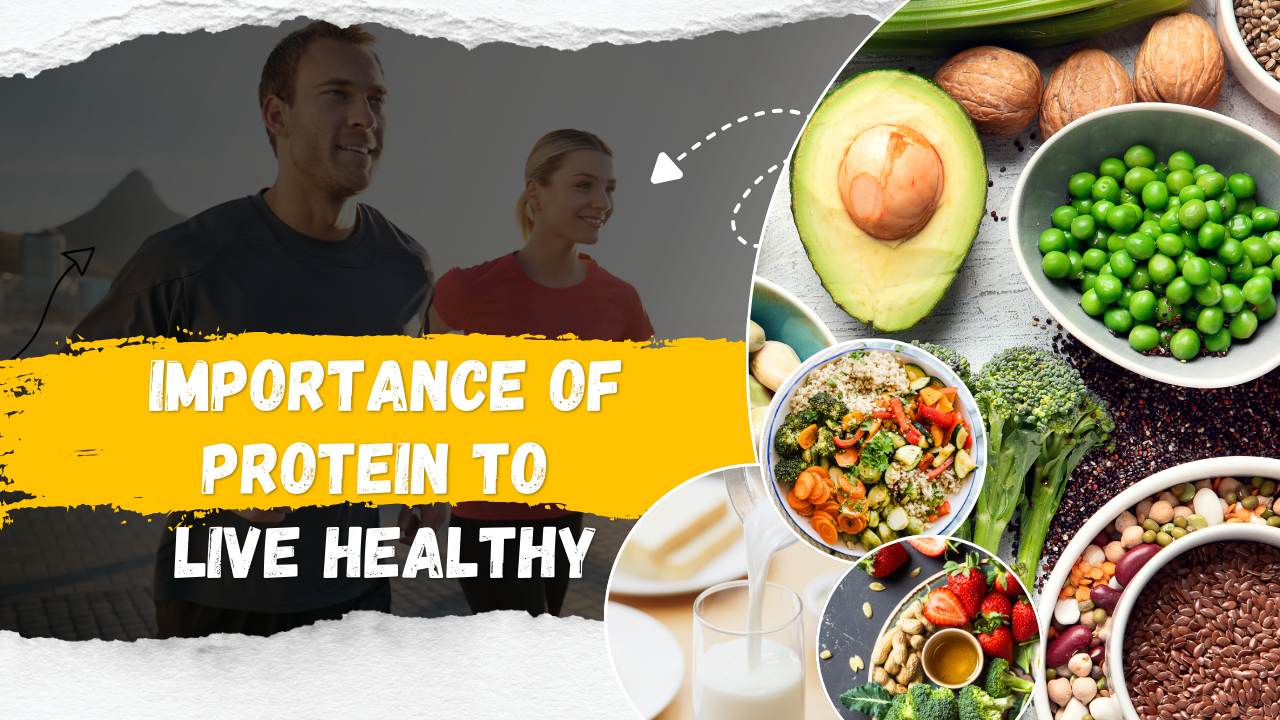
Importance of Protein to Live Healthy
The Role of Amino Acids and Protein in Human Health
Welcome to Saffron Educational and Medical Foundation, where we believe in empowering individuals to become their own doctors through knowledge and awareness.
Proteins are essential macronutrients required for the proper functioning of the human body. They are made up of smaller units called amino acids, which are broadly classified into three types: essential, non-essential, and conditionally essential amino acids.

Essential amino acids are called so because the body cannot synthesize them; they must be obtained through diet. There are nine essential amino acids, of which lysine, methionine, and tryptophan are commonly studied as major examples. A deficiency of essential amino acids can negatively impact overall health.
Non-essential amino acids are those that the body can produce on its own under normal conditions. However, during certain physiological states such as pregnancy, old age, illness, or stress, some non-essential amino acids become conditionally essential, meaning the body’s requirement increases and dietary intake becomes important.
The body needs protein for multiple vital functions. Proteins are crucial for growth and development, as muscles, tissues, and organs are all composed of protein. They play a key role in tissue repair, formation of enzymes, hormones, and neurotransmitters, which regulate biochemical reactions and nerve signaling in the body.
Proteins are also fundamental to the immune system, as antibodies are protein-based and help protect the body against infections. Adequate protein intake supports muscle mass maintenance, preventing muscle wasting conditions such as sarcopenia, commonly seen in sedentary lifestyles, old age, and chronic diseases.
Protein is equally important for bone health. Calcium absorption is closely linked to adequate protein intake; without sufficient protein, calcium supplementation alone may not be effective. Thus, protein and calcium work interdependently to maintain strong bones.
In the musculoskeletal system, proteins help maintain lean muscle mass necessary for daily activities like walking and movement. Proteins also contribute to hormonal balance, including insulin and thyroid hormones, and support digestion through protein-based digestive enzymes.
Additionally, proteins such as collagen and keratin maintain skin, hair, and connective tissues. In the circulatory system, hemoglobin and plasma proteins are vital for oxygen transport and fluid balance. Along with electrolytes like sodium and potassium, proteins help regulate osmosis and maintain proper blood circulation.
In summary, protein acts as the workforce of the body, supporting structure, metabolism, immunity, circulation, and overall vitality. Adequate and balanced protein intake is essential for maintaining optimal health throughout life.
Protein: Its Functions, Deficiency, Requirements, and Sources
Protein plays a fundamental role in building and maintaining the human body. It is involved in the formation of muscles, bones, cartilage, skin, hair, and nails, providing structural strength and repair. Proteins also form enzymes that support digestion and metabolism, hormones such as insulin and thyroid hormones, and antibodies that strengthen the immune system. In this way, protein acts as the workforce of the body, supporting almost every physiological activity.

When protein intake is inadequate, body systems begin to suffer. Metabolism slows down, recovery from illness or physical activity becomes delayed, and overall body functioning is disturbed. Protein has a high thermic effect of food, meaning the body uses more energy to digest protein, which increases metabolic rate. This is why protein-rich diets are commonly recommended for weight management.
Protein also helps maintain stable blood sugar levels by reducing sugar spikes after meals. In the liver, proteins participate in detoxification pathways, supporting healthy liver function. Mental health is also closely linked to protein intake, as important neurotransmitters such as serotonin, dopamine, and GABA are derived from amino acids. Protein deficiency, especially during stress, can increase the risk of depression and mood disorders.
Common signs of protein deficiency include chronic fatigue, slow recovery, hair fall, brittle nails, body swelling (especially in the legs due to low albumin levels), poor immunity, frequent infections, delayed wound healing, and intense cravings for sugar or junk food.
The recommended daily protein intake depends on body weight and activity level. For a healthy adult, the baseline requirement is 0.8 to 1 gram per kilogram of body weight. For physically active individuals, elderly persons, or those recovering from illness, the requirement increases to 1.2 to 1.6 grams per kilogram. Along with quantity, bioavailability and digestibility of protein are crucial. From a naturopathy perspective, naturally digestible and bioavailable protein sources are preferred over synthetic supplements.
Proteins are made from 20 amino acids, which combine in different ways to form thousands of functional proteins in the human body. Research on protein functions continues as science advances.
Sources of protein include plant-based foods such as pulses and legumes, chickpeas, nuts and seeds, soy and tofu, millets, amaranth, and green foods like spirulina. Dairy products such as milk and curd also provide good-quality protein. Choosing a variety of natural protein sources helps meet daily requirements effectively.
Protein Sources, Vegan Perspective, and Protein Diversity in the Human Body
With the growing popularity of veganism, discussions around protein sources have become more prominent. In India, plant-based diets are traditionally well tolerated because legumes, pulses, and dairy have been part of our food culture since childhood. Ethical concerns such as animal cruelty have made foods like milk controversial for some; however, milk remains a good source of protein and is generally well tolerated in the Indian population.
From a naturopathy standpoint, the primary focus is to gradually shift individuals toward a plant-based diet. Therefore, animal-based proteins are not emphasized, even though they exist in many varieties. The goal of naturopathy is balance, digestion, and long-term sustainability rather than dependence on heavy animal proteins.
A common question arises regarding the number of proteins present in the human body. Proteins are built from 20 amino acids, but their combinations create an enormous diversity. The human body contains tens of thousands of functional proteins, each with specific roles. Some proteins are structural, some act as enzymes, hormones, or antibodies, and others are involved in cellular signaling.
For example, insulin is a protein hormone made up of 51 amino acids, while larger proteins like titin contain around 25,000 amino acids, making it one of the largest known proteins in the human body. Many proteins are cell-specific and age-dependent, meaning their function and expression change throughout life.
Proteins differ in size, structure, and function. Some are involved in metabolism, others in immunity, tissue structure, and enzymatic reactions. These functional proteins are synthesized by the body itself and cannot be fully replaced by external sources. This highlights the importance of providing the body with adequate and quality amino acids through diet.
To meet protein needs effectively, especially on a plant-based diet, it is important to combine different protein sources. Combining legumes, grains, seeds, and nuts helps provide a complete amino acid profile, ensuring optimal absorption and utilization by the body.
In conclusion, protein diversity in the human body is vast, and its proper intake through balanced, natural, and well-combined food sources is essential for health, vitality, and metabolic balance.
The Importance of Protein in Human Health
Protein is one of the most essential nutrients for the human body, acting as the building block for nearly every structure and function. Our body requires protein for growth, development, tissue repair, and the formation of muscles, bones, skin, hair, and nails. Proteins are also vital for the production of enzymes, hormones such as insulin and thyroid hormones, neurotransmitters, and antibodies that support immunity. Essentially, protein serves as the workforce of the body, influencing metabolism, blood circulation, and overall health.
Types of Amino Acids
Proteins are made up of amino acids, which are classified as:
- Essential amino acids: Must be obtained from the diet.
- Non-essential amino acids: Produced by the body.
- Conditional amino acids: Required in certain conditions like pregnancy, illness, or aging.
A balanced intake of amino acids is crucial to maintain muscle mass, bone health, hormonal balance, and proper functioning of the digestive and immune systems.
Protein Deficiency
Insufficient protein intake can lead to fatigue, slow recovery, brittle hair and nails, swelling, poor immunity, frequent infections, and impaired metabolism. Protein deficiency can also affect mental health due to its role in neurotransmitter synthesis, and it can exacerbate conditions like sarcopenia (age-related muscle loss) or slow recovery after illness.
Protein Requirements
The daily protein requirement varies depending on body weight, activity level, and health status:
- Baseline requirement: 0.8–1 gram per kg of body weight.
- Active or healing individuals: 1.2–1.6 grams per kg of body weight.
Bioavailability and digestibility are critical, and naturally sourced proteins are preferred over synthetic alternatives.
Protein Sources
Plant-based protein sources are widely available and sufficient to meet dietary needs. Common sources include:
- Lentils, chickpeas, soy, tofu, and millets
- Nuts, seeds, and grains like rice and wheat
- Spirulina and other green superfoods
Combining foods like dal with rice or chapati with vegetables ensures a complete amino acid profile for optimal protein utilization. Animal proteins, such as milk, are also good sources, though naturopathy emphasizes plant-based diets.
Protein and Digestive Health
Proper digestion is essential for protein absorption. Sprouting, fermentation, or cooking can improve digestibility and reduce digestive discomfort like gas or bloating. Myths such as “protein damages kidneys” are true only in cases of pre-existing kidney disease. For healthy individuals, adequate protein intake supports tissue repair, metabolic health, and overall well-being.
Personalized Protein Prescription in Naturopathy
In naturopathy, protein intake is not a “one-size-fits-all” approach. The key principle is personalization based on an individual’s body type, digestive strength, lifestyle, and health conditions. Rather than strictly counting grams, naturopathy emphasizes slow eating, mindful digestion, and tracking functional outcomes such as muscle mass, energy levels, and symptom improvement.
Quality Over Quantity
The effectiveness of protein depends not just on quantity, but also on digestibility, quality, and bioavailability. Plant-based sources are preferred, and combining foods like lentils with grains ensures complete amino acid intake. Protein should be included in every meal, not concentrated in a single serving, and should be easy to digest.
Protein for Different Conditions
Protein requirements vary according to activity, health status, and life stage:
- Sedentary adults: ~48 grams per day
- Active individuals: ~72 grams per day
- Weight loss patients: up to 84 grams per day
- Thyroid patients: 60–70 grams per day
- Diabetes patients: 70–90 grams per day
- Recovery/post-illness: 70–90 grams per day
- Elderly: 60–72 grams per day
- Pregnant women: 66 grams per day
- Lactating women: 72 grams per day
- Chronic Kidney Disease (CKD) stage 1–3: reduced protein (36–48 grams per day)
- CKD stage 4: protein intake under supervision
Practical Considerations
- Protein should be integrated into every meal for better absorption.
- Combining amino acids through varied plant foods ensures complete protein.
- Myths such as “protein is only for gym-goers” or “protein damages kidneys” are not universally true; plant-based protein is safe for most, except in advanced kidney disease.
- Tracking outcomes such as muscle mass and energy levels is more important than merely hitting a numerical target.
Understanding the Role and Types of Protein in the Human Body
Protein is an essential nutrient required for growth, repair, immunity, hormone production, enzyme function, muscle maintenance, and brain health. It forms the foundation of nearly every structure and process in the body, making it indispensable for overall well-being.
Protein Requirements and Meal Distribution
For practical dietary planning, 20–30 grams of protein per meal is considered sufficient. Combining protein with fiber and consuming it during breakfast or post-workout (after 45–55 minutes) supports digestion, absorption, and muscle recovery.
Types of Proteins in the Body

Proteins in the human body can be classified based on their function:
- Structural proteins – form body structures (e.g., keratin in hair, myosin in muscles)
- Enzymatic proteins – catalyze reactions (e.g., amylase)
- Transport proteins – carry molecules (e.g., hemoglobin)
- Hormonal proteins – regulate physiological processes (e.g., insulin)
- Contractile proteins – enable muscle contraction (e.g., actin, myosin)
- Storage proteins – store nutrients (e.g., ovalbumin in eggs, glycogen in muscles)
- Defense proteins – support immunity (e.g., antibodies, fibrin in wound healing)
Proteins can also be categorized by shape, composition, or function, including functional, structural, and genomic proteins, each playing unique roles in metabolism, organ support, and cellular communication.
Why Protein Matters
Adequate protein intake supports:
- Muscle growth and maintenance
- Tissue repair and recovery
- Enzyme and hormone synthesis
- Immune defense and antibody production
- Blood sugar regulation
- Neurotransmitter synthesis for brain function
Protein is crucial during muscle loss, weight loss, recovery from illness, PCOD, thyroid imbalances, or burnout, and must be included in a personalized, balanced diet for optimal results.
Protein in Naturopathy: Personalized Use, Benefits, and Practical Guidelines
Protein is a cornerstone nutrient in naturopathy, supporting growth, recovery, immunity, hormonal balance, and metabolism. Its use is not only about quantity but also about quality, digestibility, and personalization based on individual health conditions, age, lifestyle, and digestive capacity. Properly prescribed protein can significantly improve energy, muscle mass, and overall well-being.
When Protein is Needed Most
Protein becomes crucial in various conditions:
- Children post-weakness or illness: Helps in tissue repair and supports growth.
- Early diabetes or insulin resistance: Stabilizes blood sugar and reduces cravings.
- Muscle weakness, hair fall, brittle nails, or low immunity: Supports structural and defense proteins.
- Post-illness or surgery recovery: Aids tissue repair and enhances healing.
- Weight loss: Protein delays digestion, reduces hunger, stabilizes metabolism, and supports lean muscle retention.
- PCOS and thyroid-related conditions: Improves insulin sensitivity, hormone regulation, and metabolic function.
Signs of protein deficiency include fatigue, slow recovery, hair fall, brittle nails, swelling, poor wound healing, sugar cravings, and mood swings.
When Protein Should Be Limited
Certain conditions require cautious protein intake:
- Chronic Kidney Disease (CKD): Stage 1–3: reduced intake; Stage 4: supervised intake.
- Gout (high uric acid): Excess protein can worsen symptoms.
- Active liver failure: Moderate protein intake is recommended.
Even in these cases, protein is still necessary; the key is balance and supervision.
Naturopathy-Friendly Protein Sources
Plant-based proteins are emphasized for their digestibility and compatibility with naturopathy principles. Recommended sources include:
- Lentils: moong dal, chana dal, urad dal, rajma, chickpeas
- Soy and tofu
- Nuts and seeds
- Sprouts and fermented lentil preparations (e.g., dhokla, idli)
- Buckwheat (kutu) and other millet flours
- Dairy products (milk, cheese, curd) where suitable
Fermentation and sprouting improve digestibility, especially for individuals with IBS, gut sensitivity, acidity, constipation, diarrhea, or other digestive issues. Examples include moong dal soup, clear lentil water, sattu, or lightly fermented tofu. These preparations allow the body to absorb protein without irritation, supporting healing and recovery.
Complete vs. Incomplete Protein
- Complete proteins: Contain all essential amino acids (e.g., soy, dairy, quinoa).
- Incomplete proteins: Lack one or more essential amino acids (e.g., rice, wheat, chickpeas).
By combining different plant proteins across meals, individuals can achieve a complete amino acid profile. For example, lentils with rice or chapati with chickpeas ensures sufficient protein intake for overall health.
Protein Distribution and Practical Guidelines
- Per meal: 20–30 grams of protein is ideal.
- Meal timing: Include protein in every meal, especially breakfast and post-workout.
- Digestibility: Slow eating, mindful chewing, and combining with fiber improve absorption.
- Quantity adjustments: Personalized based on activity, health status, and life stage.
Physiological Benefits
Protein supports multiple body functions through various types of proteins:
- Structural proteins: Keratin in hair, myosin in muscles.
- Enzymatic proteins: Amylase, aiding digestion and metabolism.
- Transport proteins: Hemoglobin, moving oxygen.
- Hormonal proteins: Insulin, regulating glucose metabolism.
- Contractile proteins: Actin and myosin, facilitating muscle contraction.
- Storage proteins: Glycogen, storing energy.
- Defense proteins: Antibodies and fibrin, supporting immunity and wound healing.
Proper protein intake improves metabolism, supports lean muscle retention, reduces cravings, and helps control blood sugar, making it essential for weight management, PCOS, diabetes, thyroid disorders, and recovery from illness.
Protein: The Silent Foundation of Growth, Healing, and Hormonal Balance
Introduction
In modern clinical practice, protein deficiency has quietly become a silent epidemic. Despite sufficient calorie intake, most individuals today suffer from inadequate protein consumption, leading to hormonal imbalance, poor recovery, chronic disease progression, and reduced immunity. Protein is not merely a nutrient; protein is life. Its role extends far beyond muscle building and includes hormone regulation, tissue repair, nervous system balance, and metabolic stability.
Protein, Hormones, and the Thyroid Connection
Unlike insulin, which directly regulates blood sugar, protein influences the body through growth hormone (GH) pathways. The thyroid gland has minimal muscle mass, but it is deeply connected to growth hormone activity. When the thyroid is imbalanced, growth hormone activity declines, making tissue repair, metabolism, and regeneration difficult.
In such cases, adequate and intelligent protein intake supports:
- Hormonal recovery
- Cellular repair
- Metabolic balance
This becomes especially important in thyroid disorders, where muscle wasting, fatigue, and slow healing are common.
Protein in Diabetes and Cardiac Stability
Protein plays a crucial role in diabetic management:
- Stabilizes blood sugar
- Supports heart health
- Reduces dependency on refined carbohydrates
- Prevents muscle loss
Replacing excessive fatty foods with moderate, easy-to-digest protein helps stabilize cardiac function while maintaining metabolic balance in diabetic patients.
Role of Protein in Liver Recovery and Cancer Care
For liver health and cancer recovery:
- Protein supports tissue regeneration
- Enhances immune response
- Assists detoxification pathways
Cancer patients often suffer from muscle wasting and weakness. Providing light, digestible proteins supports recovery without overburdening the liver.
However, protein must be prescribed thoughtfully, especially in chronic illness.
Protein and Kidney Health: Individualized Approach
In kidney disorders, protein prescription must be strictly individualized. The quantity, type, and timing of protein depend entirely on:
- Disease stage
- Renal function
- Patient condition
Blanket recommendations are harmful. This highlights why naturopathic practice demands deep clinical understanding rather than fixed prescriptions.
Protein and Stress: The Modern Epidemic
Stress is the most common disorder of modern life. Chronic stress disrupts:
- Nervous system function
- Hormonal balance
- Muscle recovery
Protein helps by:
- Activating the nervous system
- Supporting neurotransmitter synthesis
- Reducing fatigue and burnout
This is especially beneficial for working professionals, particularly women, who are consistently found to be severely protein deficient.
Protein Needs of Special Populations
Working Women
Working women show high protein deficiency due to:
- Hormonal fluctuations
- Stress
- Irregular eating patterns
Adequate protein is essential for hormonal balance, energy, bone health, and mental stability.
Bankers, Students, and Night Shift Workers
Yes, these groups need protein differently and more intelligently due to:
- Irregular sleep cycles
- Mental fatigue
- Stress-induced hormonal imbalance
Protein helps improve focus, recovery, and nervous system resilience.

Children: The Second Priority
Protein is non-negotiable for children. It supports:
- Bone growth
- Height development
- Brain maturation
- Immunity
- Hormonal development
- Muscle strength
Children must be given natural protein sources while eliminating processed foods. One critical rule:
Do not combine sugar with protein, as sugar drastically reduces protein absorption.
The Major Dietary Mistake in Daily Indian Diets
A typical daily diet includes:
- Tea and biscuits
- Poha or upma
- Rice and dal
- Snacks
- Chapati and vegetables
This diet is:
- High in carbohydrates
- Extremely low in protein
People often believe dal or chapati is enough protein, but in reality, core protein intake is missing.
Even in traditional diets where rice is eaten with vegetables or chutneys, protein consumption remains insufficient.
How a Balanced Protein-Rich Day Should Look
A practical naturopathic approach:
- Morning: Moong chilla or dal-based preparation
- Mid-morning: Curd with seeds
- Lunch: Balanced meal with lentils
- Evening: Tofu, nuts, or soaked seeds
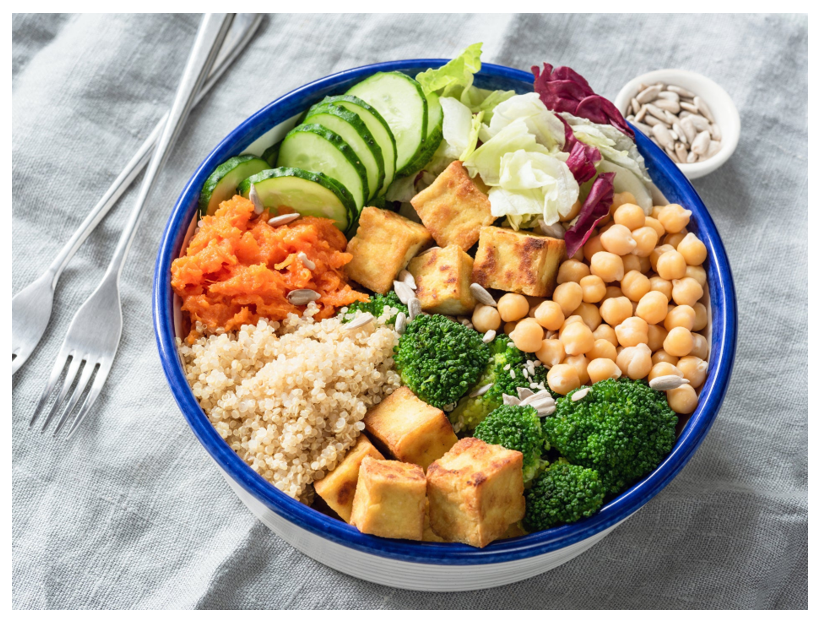
Any three protein sources per day, combined wisely, can fulfill daily protein requirements and transform health outcomes.
Common Questions About Protein
Patients frequently ask:
- Is high protein healthy?
- Is vegetarian protein sufficient?
- Does protein cause gas or bloating?
- What is the best time to eat protein?
The answer lies in quality, quantity, timing, and combination. When prescribed intelligently, protein heals rather than harms.
Protein Deficiency: A Silent Epidemic
Protein deficiency leads to:
- Hormonal imbalance
- Weak immunity
- Poor healing
- Chronic fatigue
- Degenerative diseases
As natural practitioners, we cannot prescribe blindly. Unlike conventional medicine, naturopathy demands transformation, not symptom suppression.
Patients often come to us as a last hope, carrying chronic conditions. Only strong concepts and clear understanding allow us to guide them toward healing.
Understanding Superfoods: Beyond Marketing
Superfoods are not marketing labels. They are nutrient-dense natural foods that support healing, regeneration, and vitality.
True superfoods:
- Support hormonal balance
- Enhance immunity
- Aid recovery
- Complement protein intake
Understanding superfoods correctly is essential, not just consuming them blindly.
Superfoods in Naturopathy: Nutrition as Therapy and Food as Medicine
Introduction
Superfoods are often misunderstood in today’s world. In modern times, the word “superfood” has become more of a marketing term than a scientific or therapeutic concept. From a naturopathy point of view, superfoods are not trendy products, packaged powders, or commercial labels. They are natural, whole foods that possess therapeutic value and support the metabolism and functioning of the body at a deep level.
In naturopathy, superfoods are viewed as tools for preventive healthcare and natural body medicine. They are not approached from a pharmaceutical or commercial angle but from the perspective of natural healing and cellular protection.
The Origin and Misuse of the Term Superfood
Before the late 1990s, there was no clear or popular concept known as “superfood.” Around 1999, the term began to be widely used, largely driven by food marketing. Gradually, any grain or ingredient began to be labeled as a superfood.
The truth is that superfood is not a legally defined or scientifically standardized term. There is no official definition. Many times, when foods are processed, refined, or packaged and then marketed as superfoods, only a very small percentage of their original nutritional value remains. True superfoods are not exotic or rare; they are organic, natural, traditionally consumed whole foods.
Defining Superfoods from a Naturopathy Perspective
From a naturopathy standpoint, a superfood must fulfill specific nutritional and therapeutic criteria. A true superfood should be nutritionally dense rather than calorie dense. It must be a whole food, not refined or isolated. It should contain high levels of vitamins and minerals, be rich in antioxidants, and have bioactive compounds that support metabolism and cellular repair.
Such foods should be low in empty calories and capable of protecting the body against oxidative stress. In naturopathy, food should never be hollow. It should not only provide energy but also nourish the body at the cellular level.
Importance of Nutritional Density
High nutritional density ensures the presence of essential amino acids, vitamins, minerals, phytonutrients, and natural enzymes. These components provide therapeutic benefits and not just temporary fullness.
Plant-based foods naturally contain bioactive compounds that actively participate in healing. When food is nutritionally rich, it supports metabolism, strengthens immunity, promotes cellular repair, and helps prevent chronic lifestyle diseases.
Role of Antioxidants in Superfoods
One of the most important characteristics of superfoods is their antioxidant property. Antioxidants neutralize free radicals, reduce oxidative stress, and protect cells from damage. Oxidative stress is a major cause of inflammation, degenerative diseases, hormonal imbalance, and premature aging.
By reducing oxidative stress, superfoods help restore internal balance and protect long-term health.
Key Antioxidant Components in Superfoods
Vitamin C and Vitamin E play a vital role in cellular protection. Vitamin C supports immunity and tissue repair, while Vitamin E protects cell membranes and supports skin and hormonal health.
Polyphenols have strong anti-inflammatory and immune-supporting properties. They help reduce chronic inflammation and improve metabolic efficiency.
Carotenoids are responsible for yellow, orange, and red colors in foods. They support eye health, immunity, and skin protection.
Importance of Colorful Foods
In naturopathy, color itself is considered therapeutic. All colorful foods carry antioxidant properties. Yellow and orange foods are rich in carotenoids. Red and purple foods are rich in polyphenols. Green foods are rich in chlorophyll, minerals, and enzymes.
These colors are indicators of specific healing actions within the body, not just visual appeal.
Superfoods as Cellular Protectors
From a naturopathic viewpoint, superfoods work as protectors at the cellular level. Nutrition acts as a shield for the body’s natural defense system, and healing begins inside the cell.
Most chronic lifestyle diseases develop due to long-term nutritional deficiencies and oxidative stress. Superfoods play a vital role in preventive healthcare by reducing disease risk before symptoms appear.
Nutrition as Therapy: The Core Philosophy of Naturopathy
In naturopathy, food is medicine and nutrition is therapy. Healing is natural and supports the body’s innate self-healing ability rather than suppressing symptoms.
Therapeutic nutrition helps maintain balance, promotes repair, and supports optimal health. This approach does not merely manage disease but transforms overall well-being.
Plant-Based Superfoods: Nature’s Healing Power for Holistic Health
In the previous discussion, we explored the foundational role of a plant-based diet in maintaining health. Moving beyond basic nutrition, plants offer powerful phytonutrients that play a crucial role in natural healing and disease prevention. These compounds are not man-made or artificially marketed “superfoods”—they are gifts of nature, refined through centuries of traditional wisdom and now supported by modern research.
The Power of Phytonutrients in Plant-Based Diets
Plant foods contain bioactive compounds that support overall health at a cellular level.
- Flavonoids support cardiovascular and brain health.
- Isoflavonoids help regulate glucose metabolism and aid in cancer prevention.
- Anthocyanins are potent anti-inflammatory and neuro-protective agents.
These phytonutrients form the foundation of nature healing, strengthening the body’s own ability to repair and protect itself. Instead of labeling artificially processed foods as “superfoods,” it is more appropriate to recognize these naturally occurring plant foods as true superfoods created by nature itself.
Mineral Density: The Backbone of Vitality
Minerals are the building blocks of life. Foods rich in mineral density enhance vitality, immunity, and structural strength of the body.
- Coconut water is one of the best natural sources of electrolytes and minerals, supporting hydration and cellular balance.
- Spinach is rich in iron, magnesium, calcium, and phosphorus, making it excellent for bone health, muscle function, and blood formation.
- Zinc and selenium strengthen immunity and support cellular repair.
Adequate mineral intake ensures strong bones and teeth, balanced metabolism, and sustained energy levels.
Moringa: The Miracle Tree

One of the most powerful plant-based superfoods is Moringa, often referred to as the Miracle Tree. What makes moringa truly unique is that every part of the tree is usable—leaves, pods, seeds, and even bark.
Research studies suggest that moringa contributes to the prevention of nearly 300 diseases, which is why it has earned such high respect in traditional and modern healing systems.
Nutritional Highlights of Moringa
- Contains 25% more iron than spinach
- Provides 17 times more calcium than milk
- Has 15 times more potassium than banana
- Offers 9 times more protein than yogurt
- Supplies 7 times more vitamin C than orange
Moringa is rich in vitamins A, B-complex, C, calcium, potassium, magnesium, and powerful antioxidants. Due to its anti-inflammatory and cellular protective properties, it boosts immunity, improves digestion, and supports metabolic balance.
Moringa has been traditionally used in Ayurveda and natural medicine to support:
- Bone health
- Blood sugar and cholesterol balance
- Skin healing
- Digestive health
- Male nutrition and vitality
Including just one spoonful of moringa powder daily is a simple and sensible way to strengthen overall health.
Sattu: The Traditional Protein Powerhouse
Another excellent plant-based superfood gaining popularity is Sattu, a traditional food made from roasted chickpeas. Often called the “poor man’s protein,” sattu is a highly nutritious and affordable source of nourishment.
Benefits of Sattu
- Rich in plant-based protein, supporting muscle repair and stamina
- High in dietary fiber, improving digestion and gut health
- Contains iron, magnesium, and manganese
- Provides a natural cooling effect, especially beneficial in summer
- Helps manage fatigue after physical activity
- Supports blood sugar balance and weight management
Sattu is widely used in traditional medicine as a natural hydration and energy drink. It improves appetite, aids recovery during illness, reduces body stiffness, and helps balance heat-related conditions.
Spirulina: The Space-Age Superfood
Spirulina, a blue-green algae, is one of the most researched superfoods in the world. Its nutritional importance was recognized during NASA’s space nutrition programs, where astronauts consumed small quantities to meet high nutritional demands.
Nutritional Profile of Spirulina
- Contains 50–70% high-quality protein by dry weight
- Provides all 9 essential amino acids
- Rich in vitamins B1, B2, B3
- High in iron, copper, magnesium
- Loaded with antioxidants like phycocyanin and beta-carotene
- Contains omega-3 and omega-6 fatty acids
Spirulina supports immunity, detoxification, energy production, and cellular health, making it a powerful addition to a plant-based diet.
Chia Seeds: Tiny Seeds with Mighty Power
Chia seeds are another remarkable superfood known for their ability to absorb water and expand, enhancing hydration and nutrient absorption.
Benefits of Chia Seeds
- Rich in omega-3 fatty acids
- High in fiber for digestion and weight management
- Excellent source of calcium and magnesium for bone strength
- Provides plant protein and sustained energy
Traditionally used by runners and active individuals, chia seeds are often referred to as “runner’s food” due to their ability to provide long-lasting energy and endurance.
Protein-Rich Plant Superfoods and Their Role in Naturopathy
Protein is one of the most essential nutrients for the human body, yet it is also one of the most misunderstood—especially in the context of naturopathy. In natural healing, the focus is not only on how much protein we consume, but more importantly on how well it is digested, absorbed, and utilized by the body.
Chia Seeds: Small Seeds, Powerful Nutrition
Chia seeds play an important role in weight management and blood sugar regulation. Their greatest strength lies in their fiber content, which slows digestion, improves satiety, and supports stable glucose levels. Along with fiber, chia seeds provide good-quality plant protein, omega-3 fatty acids, antioxidants, and essential minerals.
A single spoonful of chia seeds delivers multiple nutrients at once, making it a highly efficient superfood. When soaked in water, chia seeds expand and become more bioavailable, supporting hydration, digestion, and nutrient absorption. This makes them especially useful in naturopathy, where gentle digestion is always prioritized.
Quinoa: A Complete Plant Protein
Quinoa (often pronounced as keen-wah) is another powerful plant-based superfood. Although commonly used like a grain, quinoa is actually a seed and is naturally gluten-free, making it suitable for people with gluten sensitivity or digestive issues.
What sets quinoa apart is that it contains all nine essential amino acids, which is rare for plant foods. This makes quinoa a complete protein source.
Why Quinoa Should Be Included in the Diet
Quinoa is rich in protein and high-end dietary fiber, supporting muscle repair, digestion, and sustained energy. It has a low glycemic index, making it beneficial for blood sugar regulation. It is also packed with micronutrients and antioxidants that help reduce oxidative stress.
Quinoa is highly versatile and can be consumed in multiple forms—khichdi, porridge, salads, or even ground into flour for chapatis. In naturopathy and recovery diets, quinoa is especially useful during illness due to its easy digestibility and complete amino acid profile.
If quinoa is consumed even three to four times a week, it can significantly help prevent protein and amino acid deficiencies, especially in vegetarian or plant-based diets.
Understanding Protein Beyond Quantity
When discussing protein, it is important to move away from the idea that only grams matter. In naturopathy, the emphasis is always on digestibility and assimilation rather than numbers alone.
It is not enough to consume protein once or twice a day and assume the body’s needs are met. Protein should be distributed across meals, because the body requires a steady supply for repair, immunity, enzyme production, and hormonal balance.
The traditional combination of dal, rice, sabzi, and roti is nutritionally balanced, but problems arise when meals become irregular or heavily skewed toward carbohydrates without sufficient protein.
Protein Shakes, Nuts, and Food Combinations

A common question is whether protein-rich foods like nuts should be mixed into fruit shakes.
For healthy individuals with strong digestion, nuts can be combined with fruits occasionally. However, for individuals with illness, weak digestion, or metabolic disorders, this combination may not be ideal.
Fruits digest quickly, while nuts and seeds digest slowly. When combined, digestion may become sluggish, reducing nutrient absorption. From a naturopathy perspective, simple meals digest better and reduce toxin accumulation.
Instead of adding nuts to daily shakes, it is often more beneficial to consume them separately, two to three times a week. This improves nutrient value and avoids unnecessary calorie overload—especially important for people with sedentary lifestyles.
Protein shakes may be helpful during travel, physically demanding schedules, or recovery phases, but they should not replace regular meals daily.
Timing of Protein Intake: Sunset Rule vs Modern Lifestyle
Traditionally, naturopathy advises eating before sunset. However, modern lifestyles do not always allow strict adherence to this rule. Therefore, a 12-hour eating window is a more practical and sustainable approach.
For example, if the first meal is at 9:00 a.m., the last meal should ideally be by 9:00 p.m., preferably earlier—around 8:30 p.m. This allows sufficient digestive rest and supports metabolic health.
Spacing meals every 3–4 hours further improves digestion and nutrient assimilation.
Digestibility: The Core Principle of Protein in Naturopathy
One of the most important concepts in naturopathy is that undigested protein becomes toxic rather than beneficial.
Many individuals have low stomach acid (weak HCL), which prevents proper protein breakdown. When protein is not fully digested, it leads to waste accumulation, toxin formation, and eventually disease.
This is why naturopathy does not encourage excessive protein consumption without considering digestive capacity. The goal is not high protein intake, but efficient protein utilization.
There is a common myth that people who eat more protein automatically become healthier. In reality, without proper digestion, higher protein intake may increase toxicity and metabolic burden.
The Naturopathic Approach to Protein
Naturopathy teaches balance. Protein is essential, but it must be:
- Plant-based and natural
- Easy to digest
- Consumed in appropriate combinations
- Timed correctly
- Matched to individual digestive strength
Superfoods like chia seeds, quinoa, sattu, spirulina, nuts, and seeds provide high-quality protein when used mindfully. When digestion is respected, protein becomes a healing nutrient, not a burden on the body.
Protein Digestion, Gut Health, and the Naturopathic Approach to Healing
In today’s lifestyle, many individuals—especially in the Indian population—suffer from acidity, acid reflux, and digestive discomfort. On the surface, it appears that stomach acid is excessive. However, from a naturopathy perspective, the real issue is often low-quality or weak stomach acid, not excess acid.
This imbalance directly affects protein digestion, leading to poor absorption, toxin formation, and long-term health issues.
The Real Problem: Acid Reflux vs Low Digestive Acid
Many people experience burning, acidity, and reflux, yet their actual hydrochloric acid (HCL) levels are low. Because protein digestion requires adequate stomach acid, weak acidity means proteins are not properly broken down.
Undigested protein ferments in the gut, increasing:
- Gas and bloating
- Acid reflux symptoms
- Toxin accumulation
- Inflammation and disease risk
Therefore, simply reducing protein intake is not the solution. Protein is essential and cannot be eliminated. Instead, the digestive system must be corrected first.
Correcting Digestion Before Increasing Protein
In naturopathy, when digestion is weak, the first step is to support the gut, not overload it.
Use of Liquid and Easily Digestible Foods
Initially, patients are advised to consume more liquid or semi-liquid foods, which place less stress on digestion. This allows the stomach and intestines to regain strength.
Importance of Fermented and Sprouted Proteins
Fermented and sprouted proteins play a crucial role in this phase. Examples include:
- Sprouted lentils
- Fermented foods
- Light plant-based protein preparations
Fermented proteins contain natural enzymes, which support digestion. When stomach acid is low, these enzymes help break down protein more efficiently, making absorption easier and reducing toxin formation.
Small Quantity, Frequent Intake
Another key principle is reducing quantity while increasing frequency. Instead of large protein-heavy meals, patients are advised to:
- Eat smaller portions
- Eat more frequently
- Avoid late-night heavy meals
This approach respects digestive capacity and prevents overload.
Superfoods and the Question of RDA
A common concern regarding plant-based superfoods like moringa, wheatgrass, spirulina, and similar powders is that they are usually consumed in small quantities (3–5 grams). Naturally, such quantities do not meet the full Recommended Dietary Allowance (RDA) for protein, minerals, or vitamins.
This leads to an important clarification.
Superfoods Are Supportive, Not Sole Nutrition
Superfoods are not meant to replace regular meals. They are supportive foods, not the only source of nutrition.
A plant-based diet already includes protein from:

- Lentils
- Pulses
- Grains
- Seeds and vegetables
When superfoods are added, they help bridge nutritional gaps, especially because many of them contain all nine essential amino acids. Their role is to support balance, not to act as standalone nutrition.
It is incorrect to assume that consuming moringa or wheatgrass alone eliminates the need for proper meals. Naturopathy always emphasizes whole-diet balance, not isolated supplementation.
The Truth About Protein Supplements and Marketing Claims
In recent years, many commercial supplements claim to provide complete nutrition or meet 50–70% of RDA in a single serving. However, long-term human studies on such products are limited.
History shows that:
- Nutrients once considered complete (like isolated ascorbic acid) later showed absorption issues
- Formulations keep changing due to poor long-term outcomes
- Claims often precede scientific validation
- Aggressive marketing often promotes the idea:
“Drink one protein shake and skip meals.”
From a naturopathy perspective, this approach is dangerous in the long run. Many real-life cases show metabolic complications, deficiencies, and digestive issues arising from prolonged dependence on such supplements.
Protein must come from diverse, natural food sources, not a single branded product.
Protein Should Be Distributed Across Meals
One of the most important lessons in protein nutrition is distribution.
Protein should not be consumed all at once. The body cannot efficiently utilize large quantities in a single meal. Instead, protein should be included in:
- Breakfast
- Lunch
- Dinner
This steady supply supports:
- Muscle repair
- Enzyme and hormone production
- Immune function
- Stable metabolism
Balanced meals with distributed protein are far superior to one-time protein loading.
Oral Health, Gut Health, and Inflammation
Chronic gum inflammation and swelling often have deeper causes beyond local dental issues.
Connection Between Gut and Gum Health
If digestive imbalance, acidity, or gut dysbiosis exists, inflammation can manifest in the mouth. Conditions like:
- Pyorrhea
- Chronic gum swelling
- Mouth infections
may reflect internal imbalances, not just poor oral hygiene.
Mineral Deficiency and Inflammation
Gum inflammation is also linked to calcium and mineral deficiency. Teeth and gums depend heavily on adequate mineral intake for strength and resistance to infection.
Simple Naturopathic Remedies for Gum Inflammation
Several effective natural measures can support oral health:
- Mustard oil with salt and turmeric applied gently to gums
- Clove oil for antibacterial and pain-relieving effects
- Oil pulling with sesame oil to reduce toxins and infection
Oil pulling involves swishing oil in the mouth and spitting it out, which helps cleanse oral tissues and reduce microbial load.
The Role of Water Quality
An often-overlooked factor in dental and oral health is water quality. Excessive use of RO water or chemically altered drinking water may contribute to mineral imbalance and oral issues.
Evaluating water source and quality is an important step when gum or dental problems persist despite treatment.
Conclusion
In the journey toward holistic health, nutrition cannot be reduced to numbers, grams, or isolated nutrients. Naturopathy teaches us that health is not created by excess, but by balance, and that the body’s ability to digest, absorb, and assimilate nutrients is far more important than the quantity consumed. Protein, though essential for life, strength, repair, and immunity, becomes beneficial only when it is understood and used correctly.
One of the most critical observations in today’s population—particularly within Indian dietary patterns—is the widespread presence of digestive imbalance. Many individuals suffer from acidity, acid reflux, bloating, and discomfort, yet the underlying cause is often low digestive strength rather than excessive acid production. Weak hydrochloric acid leads to incomplete protein digestion, which in turn results in fermentation, toxin formation, inflammation, and long-term disease development. This reality challenges the common misconception that reducing protein intake is the solution. In truth, the solution lies in correcting digestion, not eliminating protein.
Naturopathy therefore places digestion at the center of nutrition. When digestive capacity is compromised, the approach is to support the gut gently—through liquid foods, light meals, fermented and sprouted proteins, and enzyme-rich preparations. Fermented proteins play a vital role because they naturally assist digestion, making nutrients more bioavailable even when stomach acid is low. Small quantities consumed frequently respect the body’s limitations and prevent overload, reinforcing the principle that how we eat is as important as what we eat.
The discussion on plant-based superfoods further strengthens this understanding. Foods such as moringa, wheatgrass, spirulina, chia seeds, quinoa, sattu, and legumes are not meant to replace meals or single-handedly meet the entire Recommended Dietary Allowance. Instead, they function as nutritional supporters, filling gaps, supplying essential amino acids, antioxidants, minerals, and phytonutrients, and enhancing overall dietary quality. Their power lies not in isolated consumption but in their integration into a balanced, whole-food, plant-based diet.
A major misconception addressed is the belief that consuming a single supplement or protein product can replace regular meals. Such claims are often driven by marketing rather than long-term scientific evidence. History has repeatedly shown that isolated nutrients and heavily processed supplements may promise quick results but fail to sustain health over time. Naturopathy emphasizes that no single food, powder, or drink can replace the complexity of a natural diet. True nourishment requires diversity, rhythm, and respect for biological processes.
Another key takeaway is the importance of protein distribution across meals. The body cannot effectively utilize large amounts of protein consumed at once. Instead, a steady supply through breakfast, lunch, and dinner supports continuous repair, enzyme activity, hormone synthesis, and immune function. This approach aligns with natural physiology and prevents metabolic stress. Balanced meals that include appropriate protein sources alongside carbohydrates, fats, fiber, and micronutrients create stability rather than strain.
The interconnection between gut health and other systems of the body becomes evident when examining chronic inflammation, including oral and dental conditions. Persistent gum inflammation, swelling, or infection often reflects deeper imbalances—such as digestive disturbances, mineral deficiencies, or microbial dysbiosis. Treating symptoms locally without addressing systemic causes provides only temporary relief. Naturopathic remedies such as oil pulling, herbal applications, mineral-rich diets, and attention to water quality highlight the holistic principle that the mouth is not separate from the gut or the rest of the body.
Water quality itself emerges as a subtle yet powerful factor influencing mineral balance and oral health. Over-processed or mineral-stripped water may contribute to deficiencies over time, reminding us that even the most basic elements of daily life must be evaluated thoughtfully.
At its core, this entire discussion reinforces a fundamental naturopathic truth: the body has an innate intelligence and healing capacity, but it requires the right conditions to function optimally. Nutrition should support the body, not challenge it. Protein should heal, not burden. Superfoods should complement, not replace. Supplements should assist, not dominate. And digestion must always be protected as the foundation of health.
Ultimately, the goal is not perfection, nor rigid dietary rules, but awareness and adaptability. Each individual has a unique digestive strength, lifestyle, and metabolic need. Naturopathy encourages mindful observation, gradual correction, and long-term consistency rather than quick fixes. When food is chosen wisely, eaten simply, and aligned with the body’s capacity, it transforms into medicine.
In conclusion, protein nutrition within naturopathy is not about chasing trends or consuming excessive quantities. It is about digestibility, balance, distribution, and natural sources. When these principles are honored, protein supports vitality, immunity, tissue repair, and longevity. When ignored, even the most nutritious foods can become a source of imbalance.
True health, therefore, is not found in a packet, a pill, or a promise—but in understanding the body, respecting nature, and nourishing both with intelligence and care.