
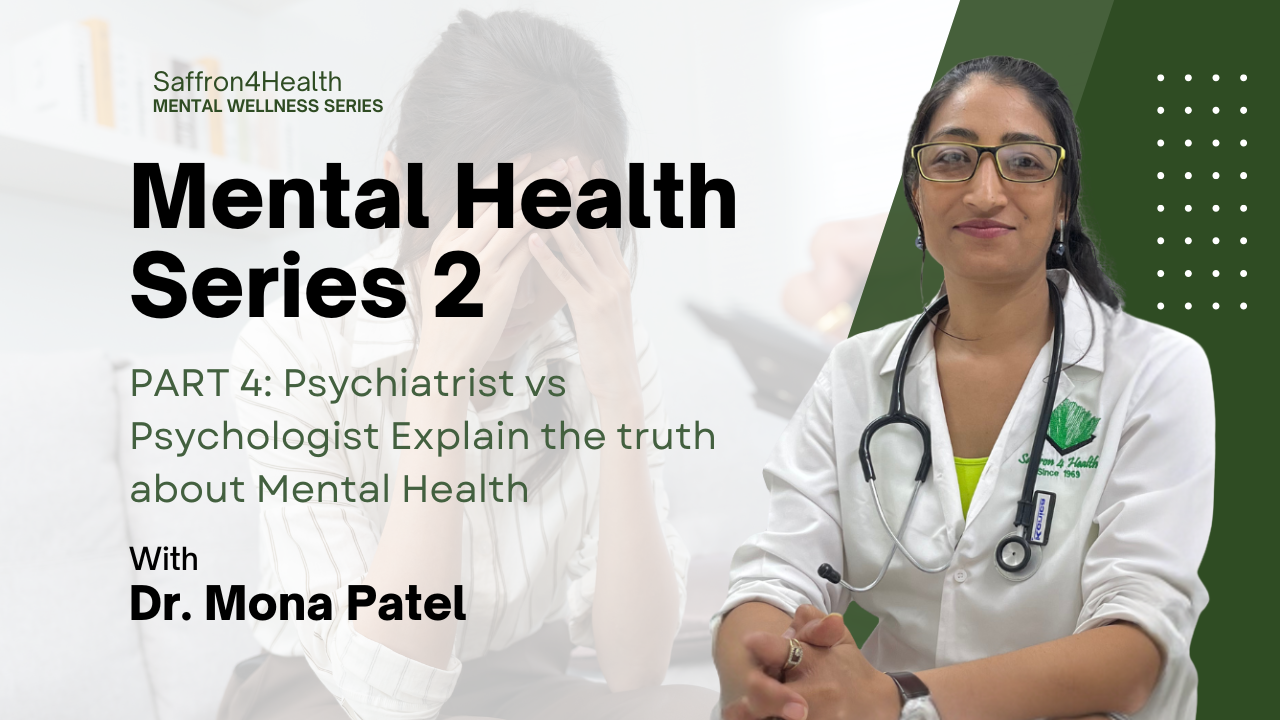
Part 4 : Psychiatrist & Psychologist Explain the truth about Mental Health
Understanding Mental Illness, Mental Wellness, and the Role of Psychiatrists & Psychologists
Introduction: Mental Health as a Real and Serious Illness
In today’s world, mental illness has become increasingly common, yet it remains one of the most misunderstood aspects of health. When someone falls physically ill, society responds with sympathy and support. However, when illness affects the mind, the response is often fear, judgment, or denial. This lack of awareness creates a major barrier to treatment and recovery.
Mental illness is not a weakness, nor is it something to be ashamed of. It is a medical condition that requires timely care, proper guidance, and continuous support—just like any other chronic illness. Understanding mental health, accepting professional help, and breaking societal stigma are essential steps toward true healing.
Mental Disturbance: Recognizing the Early Signs
Many individuals and families observe behavioral or emotional changes but are unsure what to do next. Disturbances may appear in many forms:
- Persistent sadness or hopelessness
- Anxiety and excessive fear
- Anger that feels uncontrollable
- Withdrawal from family or society
- Disturbed sleep and recurring dreams
- Sudden mood changes
- Loss of interest in daily activities
- Difficulty in concentration
Often, families notice these symptoms but delay seeking help due to confusion or fear of social judgment. The question arises: If there is a mental disturbance, whom should we approach?
The Role of Family Doctors: Why Specialized Care Is Needed
Family doctors play an important role in general healthcare, but when it comes to mental illness, their support alone may not be sufficient. Mental health requires specialized understanding, diagnosis, and treatment.
This is where Psychiatrists and Psychologists become crucial. These professionals are specifically trained to understand the complexities of the human mind and behavior.
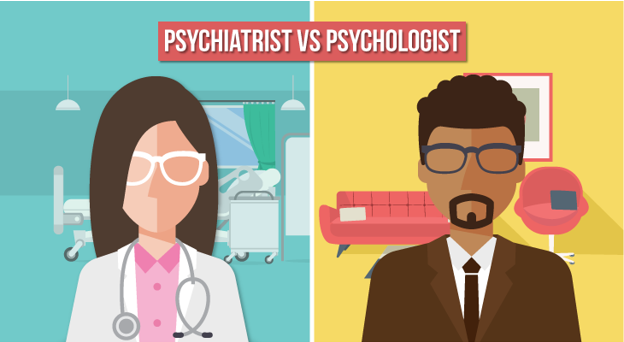
Psychiatrists and Psychologists: Who They Are and How They Help
Psychiatrists
Psychiatrists are medical doctors. They have studied medicine and specialized in mental health. Because of their medical background, they can:
- Diagnose mental illnesses
- Prescribe medications
- Monitor side effects
- Decide dosage and duration of treatment
Psychiatrists are especially important in severe and complex mental disorders where medication is essential.
Psychologists
Psychologists are not medical doctors, but they are experts in mental behavior, emotional patterns, and therapy. They focus on:
- Counseling
- Psychotherapy
- Behavioral therapy
- Cognitive restructuring
- Lifestyle and emotional management
Psychologists usually do not prescribe medicines. Instead, they help patients heal through structured therapy, guidance, and behavioral changes.
Society and Stigma: The Biggest Obstacle to Mental Healing
One of the greatest challenges in mental healthcare is societal fear and misunderstanding. Even today, people believe that visiting a psychiatrist or psychologist means a person has “gone mad.”
Statements like:
- “He has gone crazy”
- “Why did you take him to a mental doctor?”
- “People will talk”
These reactions discourage families from seeking help. Unfortunately, listening to society often worsens the condition.
It is important to remember:
- Society contains both good and bad people
- Social opinions do not cure illness
- Fear delays recovery
- Awareness saves lives
True healing begins when families choose treatment over judgment.
Treating a Mental Health Patient with Compassion
If a family member is suffering from mental illness, fear and secrecy only deepen the problem. Mental patients require:
- Patience
- Emotional support
- Professional care
- A non-judgmental environment
When treated correctly and consistently, recovery is possible—even if it takes time.
Mental Illness Is Not a Short-Term Problem
Mental health conditions are often long-term. Unlike fever or infection, recovery may take:
- Months
- Years
- Continuous monitoring
This does not mean cure is impossible—it means healing is gradual.
Mental wellness is a journey, not an overnight process.

When to Seek Professional Help
Anyone experiencing emotional distress should not hesitate to consult a mental health professional. You should seek help if:
- Emotions feel uncontrollable
- Anxiety becomes overwhelming
- Anger leads to harmful behavior
- Daily functioning is disturbed
- Thoughts feel confusing or frightening
Ignoring symptoms due to fear of society only worsens the condition.
Psychiatrist or Psychologist: Whom Should You Visit?
The choice depends on the stage, severity, and nature of the illness.

Medication-Focused Conditions
Some conditions require stronger medical intervention, such as:
- Bipolar Disorder
- Alzheimer’s Disease
- Severe psychotic disorders
- Degenerative mental conditions
In these cases, psychiatric medication becomes essential and often long-term.
Therapy-Focused Conditions
Other conditions respond better to counseling and therapy, such as:
- Anxiety disorders
- Phobias
- Depression
- Hopelessness
- Excessive dreaming
- Personality disorders
- Emotional trauma
In these cases, psychological counseling plays the main role.
Example: Anxiety Disorder – A Balanced Approach
Consider a person suffering from anxiety disorder.
- When anxiety becomes severe and uncontrollable, a psychiatrist may prescribe medication to immediately reduce symptoms.
- Medication helps calm the nervous system and prevent harm to self or others.
- However, medication alone is not enough.
For long-term recovery:
- Psychological counseling is essential
- Therapy helps identify root causes
- Lifestyle changes reduce recurrence
- Emotional regulation techniques are learned
This combination provides stable and sustainable healing.
The Importance of Psychological Counseling
Counseling helps individuals:
- Understand emotional triggers
- Identify thought patterns
- Modify harmful behaviors
- Build emotional resilience
- Improve lifestyle habits
Therapies may include:
- Behavioral therapy
- Cognitive therapy
- Stress-management techniques
- Emotional awareness practices
Counseling does not suppress emotions—it teaches how to manage them.

Simple Therapeutic Techniques in Daily Life
Therapy often includes simple yet powerful techniques.
For example, anger management:
When anger arises and feels uncontrollable:
- Start reverse counting: 100, 99, 98, 97…
- This diverts attention
- The emotional intensity reduces
- The mind regains control
Such techniques may seem small, but they are scientifically backed and extremely effective when practiced regularly.
Therapy Creates Awareness, Not Dependence
One of the biggest advantages of therapy is that it empowers individuals.
It:
- Awakens self-understanding
- Encourages self-control
- Reduces dependency on medication
- Promotes long-term mental wellness
Combining Medical and Psychological Support
Mental health treatment is not about choosing one professional over another. It is about:
- Understanding the condition
- Using medication when needed
- Using counseling for long-term balance
- Adjusting treatment as the condition changes
Both psychiatrists and psychologists are essential pillars of mental healthcare.
Choose Awareness Over Fear
Mental illness is real.
Mental wellness is achievable.
Social fear should never decide medical care.
When someone suffers mentally:
- Do not hide
- Do not delay
- Do not listen to stigma
- Seek professional help
With proper treatment, understanding, and support, recovery is possible—even if it takes time.
Always remember: seeking help is a sign of strength, not weakness.