
Part 1 : Sciatica Why this Pain Happens
Introduction
In today’s fast-paced lifestyle, many people suffer from back pain, leg pain, or difficulty in movement without fully understanding the root cause. Our aim is always to provide correct, simple, and practical health information that helps you make yourself healthier with nominal tips and basic knowledge. One such commonly misunderstood condition is Sciatica. This article explains sciatica in detail—its meaning, causes, symptoms, physiological basis, and traditional understanding—so that readers can clearly understand what happens in the body and why proper diagnosis is important.
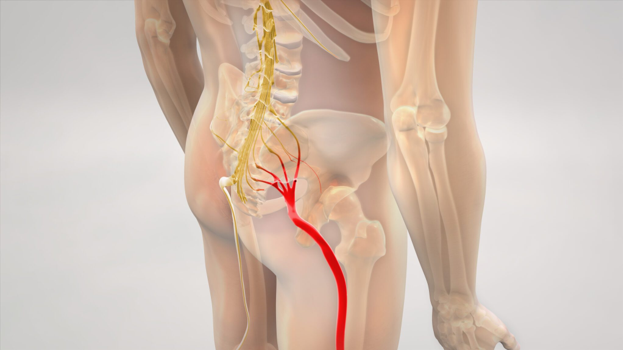
What Is Sciatica?
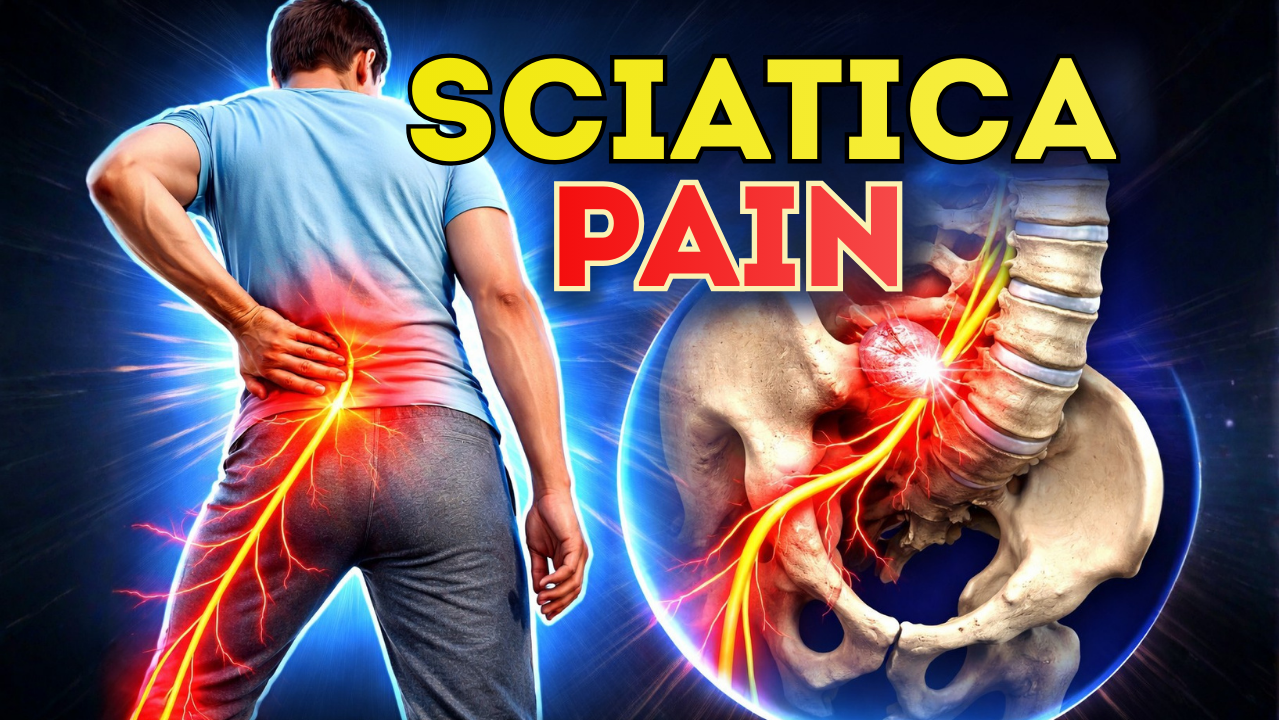
Sciatica refers to pain that occurs due to a problem with the sciatic nerve, which is the largest and longest nerve in the human body. The sciatic nerve originates from the lower end of the spinal cord and travels through the lower back, buttocks, thighs, legs, and finally reaches the feet and toes. Because of its length and size, any disturbance, pressure, or injury along its path can lead to significant pain and discomfort.
Sciatica is not a disease by itself. Rather, it is a set of symptoms that arise when the sciatic nerve is affected. These symptoms commonly include pain, tingling, numbness, or weakness that radiates from the lower back down one leg.
Understanding Sciatica from a Structural Perspective
The spinal cord ends in the lower back region, where several nerve roots emerge. These nerve roots combine to form the sciatic nerve. From this point, the nerve passes through the pelvis, travels beneath the buttock muscles, and continues down the back of each leg. This long pathway makes the sciatic nerve vulnerable to compression, inflammation, or injury.
When there is any form of pressure on the sciatic nerve—whether due to injury, posture-related strain, or structural imbalance—the nerve becomes irritated. This irritation leads to inflammation, reduced blood circulation, and inadequate oxygen supply to the nerve tissues. As a result, pain develops and spreads along the entire nerve pathway.
Sciatica and Lower Back Pain: Are They the Same?
It is a common misconception that all lower back pain is sciatica. This is not true. While sciatica often includes lower back pain, not every case of back pain indicates sciatica. Back pain can arise from muscle strain, ligament issues, joint problems, or general fatigue. Sciatica, on the other hand, specifically involves nerve-related pain.
The distinguishing factor is the radiating nature of the pain. In sciatica, pain usually starts from the lower back or buttock and travels down the leg, sometimes reaching the heel or toes. This radiating pattern is a key indicator that the sciatic nerve may be involved.
Ayurvedic Perspective on Sciatica
According to Ayurveda, the human body is governed by the Tridosha—Vata, Pitta, and Kapha. Most nerve-related disorders, including sciatica, are primarily associated with an aggravation of Vata dosha. Vata is responsible for movement, nerve impulses, and circulation within the body.
In Ayurvedic understanding, sciatica is often linked to conditions resembling Vata-dominant disorders, where dryness, stiffness, pain, and irregular movement are present. When Vata becomes imbalanced, it affects the nerves and joints, leading to pain that is sharp, radiating, and sometimes sudden in onset.
Sciatica is also sometimes associated with underlying joint or degenerative conditions, similar to arthritis, where structural imbalance further aggravates nerve compression.
Causes of Sciatic Nerve Pain
Sciatic pain develops when the sciatic nerve is compressed, irritated, or injured. This pressure may arise due to several reasons. Any form of physical injury, excessive strain, improper posture, or long-term stress on the lower back region can affect the nerve.
When pressure is applied to the sciatic nerve, inflammation develops in the surrounding tissues. This inflammation disrupts blood circulation, reducing oxygen supply to the nerve. Oxygen deprivation further intensifies pain and sensitivity, making the condition more severe over time if left unaddressed.
The Mechanism of Pain in Sciatica
Sciatic pain often begins suddenly and may intensify gradually. When the nerve is compressed, it sends abnormal pain signals to the brain. Because the sciatic nerve travels from the lower spine to the foot, pain can be felt anywhere along this route.
Commonly affected areas include:
- Lower back
- Buttocks
- Back of the thigh
- Calf muscles
- Heel and toes
As blood circulation is affected, inflammation increases, and nerve conduction becomes impaired. This leads not only to pain but also to difficulty in performing normal movements.
Symptoms of Sciatica
Sciatica presents with a variety of symptoms depending on the severity of nerve involvement. The most common symptom is pain that radiates along one leg. This pain may feel sharp, burning, or electric in nature.
Other commonly observed symptoms include difficulty in sitting, standing, or getting up from a seated position. In aggravated cases, even walking becomes painful, and daily activities are significantly affected. Some individuals may experience stiffness, weakness, or reduced mobility in the affected leg.
One-Sided Nature of Sciatica
One important characteristic of sciatica is that it usually affects only one side of the body. In most cases, pain is felt either in the right leg or the left leg, but rarely in both at the same time. This unilateral presentation is a key identifying feature of sciatic nerve pain.
If pain consistently radiates from the waist down to one leg, especially following the nerve pathway, it strongly suggests sciatic involvement rather than general muscular pain.
Diagnosis of Sciatica
Proper diagnosis is essential to confirm whether pain is due to sciatica or another underlying condition. Experienced doctors usually begin with a detailed assessment of symptoms, physical examination, and movement analysis.
In certain cases, diagnostic tests such as blood investigations or imaging studies may be advised to confirm inflammation, nerve compression, or associated conditions. These tests help rule out other causes and ensure appropriate treatment planning.

Impact of Sciatica on Daily Life
Sciatica can significantly affect a person’s quality of life. Simple activities such as sitting normally, standing for long periods, bending, or getting up can become extremely painful. In severe cases, individuals may find it difficult to perform routine tasks or continue working.
Because movement aggravates the pain, people may unknowingly reduce physical activity, which can further worsen stiffness and nerve irritation. Early awareness and timely care are therefore crucial.
Importance of Early Understanding and Care
The sciatic nerve is the largest nerve in the body, and there is no other nerve above it in terms of length and influence. Any damage, injury, or prolonged pressure on this nerve can lead to persistent pain if ignored.
Understanding how sciatica develops, recognizing early symptoms, and seeking proper guidance can help prevent long-term complications. Awareness itself plays a vital role in managing and improving nerve health.
Understanding Sciatica: Causes, Symptoms, and Everyday Triggers
Introduction
Pain that begins in the lower back and radiates down the leg is a common yet often misunderstood condition. Many people casually refer to it as simple back pain, but in reality, this radiating pain frequently points to sciatica. Sciatica is not a disease in itself; rather, it is a collection of symptoms caused by irritation or compression of the sciatic nerve. This article converts the given spoken explanation into a clear, structured, and detailed written format, expanding it into an in-depth educational resource.
Sciatica can affect people at any stage of life and across different professions. From sudden movements while sleeping to long hours of standing at work, everyday activities can trigger or worsen this pain. Understanding how and why this pain occurs is the first step toward prevention and better management.
What Is Sciatic Pain?
Sciatic pain typically starts in the lower back and does not remain limited to that area. Unlike localized back pain, sciatica often radiates. The pain can travel from the lower back to the hip joint, pass through the buttocks, move down the back of the thigh, and sometimes extend all the way to the heel or foot.
This radiating nature of pain is one of the key identifying features of sciatica. People often describe it as sharp, shooting, burning, or electric-like pain. In many cases, the pain suddenly becomes aggressive, appearing without much warning and severely limiting movement.
How Sciatica Feels in Daily Life
Sciatic pain can appear suddenly during very common activities. It may occur when:
- You cough or sneeze
- You bend forward or move from a sitting to a standing position
- You suddenly stand up after sleeping or resting in bed
- You sit for long periods in an awkward or unsupported posture
When this happens, the entire nerve pathway may feel stretched. This stretching creates an intense discomfort that can feel overwhelming, sometimes described as a deep, pulling pain or severe irritation along the nerve.
Sudden Movements and Nerve Stretching
One of the most noticeable features of sciatica is how abruptly it can appear. A person may feel relatively fine and then, after a small movement, experience intense pain. This is because sudden movements can stretch the sciatic nerve or increase pressure on it.
For example, waking up suddenly from sleep and getting out of bed without proper support can cause an immediate stretch of the nerve. Similarly, bending forward incorrectly or twisting the spine unexpectedly can aggravate the nerve and lead to pain.
Prevalence of Back Pain and Sciatica
Research observations, including studies conducted in the United States, show that a very large percentage of people experience back pain at some point in their lives. Approximately 85% of individuals report lower back pain at least once.
However, not all lower back pain is sciatica. Among those experiencing back pain, only about 15–20% are affected specifically by sciatic pain. This distinction is important because treatment and management strategies may differ.
It is also true that almost everyone experiences some form of back discomfort during their lifetime. Occasional lower back pain is common and often temporary, especially after physical strain.
Everyday Causes of Lower Back Pain
Lower back pain often occurs due to activities that are not part of a person’s regular routine. Some common triggers include:
- Lifting heavy weights suddenly
- Performing excessive or intense exercise without preparation
- Engaging in physical activities like trekking or adventure sports without conditioning
- Sudden increase in physical workload
When the body is not accustomed to a particular movement or load, the muscles and supporting structures place extra pressure on the spine and nerves. This can lead to pain, stiffness, and inflammation.
Role of the Spine and Vertebral Column
The vertebral column, commonly known as the spine, plays a crucial role in supporting the body and protecting the spinal cord. The spinal cord runs through the vertebral column and gives rise to multiple nerves that branch out to different parts of the body.
When there is excessive pressure or compression in the vertebral column—due to posture, weight, or sudden strain—it can affect the nerves emerging from it. This pressure may be felt as back pain or, in more specific cases, as sciatic pain.
Understanding the Sciatic Nerve
The sciatic nerve is the longest and thickest nerve in the human body. It originates from the lower part of the spinal cord and travels through the pelvis, buttocks, and down each leg, reaching as far as the ankle or foot.
Because of its length and pathway, any compression or irritation along this nerve can cause pain over a wide area. Sciatica often affects one side of the body, but in some cases, symptoms may be felt on both sides.
Why Pressure on the Sciatic Nerve Occurs
Pressure on the sciatic nerve can occur due to several lifestyle and occupational factors. One common scenario involves people who must stand for long hours as part of their job. Examples include:
- Retail shop sales staff
- Jewelry shop employees
- Teachers and professors who deliver continuous lectures
Standing continuously for six to eight hours places sustained pressure on the lower back and legs. Over time, this can irritate the sciatic nerve, especially if posture is poor or breaks are insufficient.
Impact of Body Weight on Sciatica
Body weight plays a significant role in spinal health. Individuals who are overweight experience increased pressure on the spine, hips, knees, and feet. This added load can compress nerves and contribute to conditions like sciatica.
The situation can be compared to overloading a vehicle. When excess weight is added, the strain on the structure increases. Similarly, excess body weight places constant stress on the vertebral column and surrounding tissues, making nerve compression more likely.

Long Standing and Occupational Risks
People with long-standing jobs are particularly vulnerable to sciatica. Continuous standing without adequate movement or ergonomic support leads to stiffness and pressure buildup. Over time, this pressure may result in nerve irritation.
This risk increases further when long-standing is combined with other factors such as obesity, poor footwear, or improper posture. Together, these elements create a condition where sciatica can gradually develop or suddenly appear.
Strain, Stiffness, and Nerve Compression
In most cases, sciatica develops due to excessive strain, muscle stiffness, or direct pressure on nerves. When muscles around the spine become tight or inflamed, they can compress nearby nerves. Similarly, structural pressure in the spine can irritate the sciatic nerve.
This compression disrupts normal nerve function and sends pain signals along the nerve pathway. As a result, pain is felt not only in the back but also along the leg.
Sciatica as a Lifestyle-Related Condition
Sciatica is often linked to lifestyle habits rather than a single injury. Lack of regular movement, sudden physical exertion, prolonged standing or sitting, and excess body weight all contribute to its development.
Modern routines that involve limited physical activity followed by occasional intense exertion place the spine under unpredictable stress. Over time, this pattern increases the risk of nerve compression and chronic pain.
Recognizing the Nature of Sciatic Pain
It is important to understand that sciatica is different from ordinary back pain. While common back pain may remain localized, sciatic pain typically follows a nerve pathway. It often feels deeper, sharper, and more persistent.
Recognizing these characteristics helps individuals seek appropriate care and make necessary lifestyle adjustments before the condition worsens.