

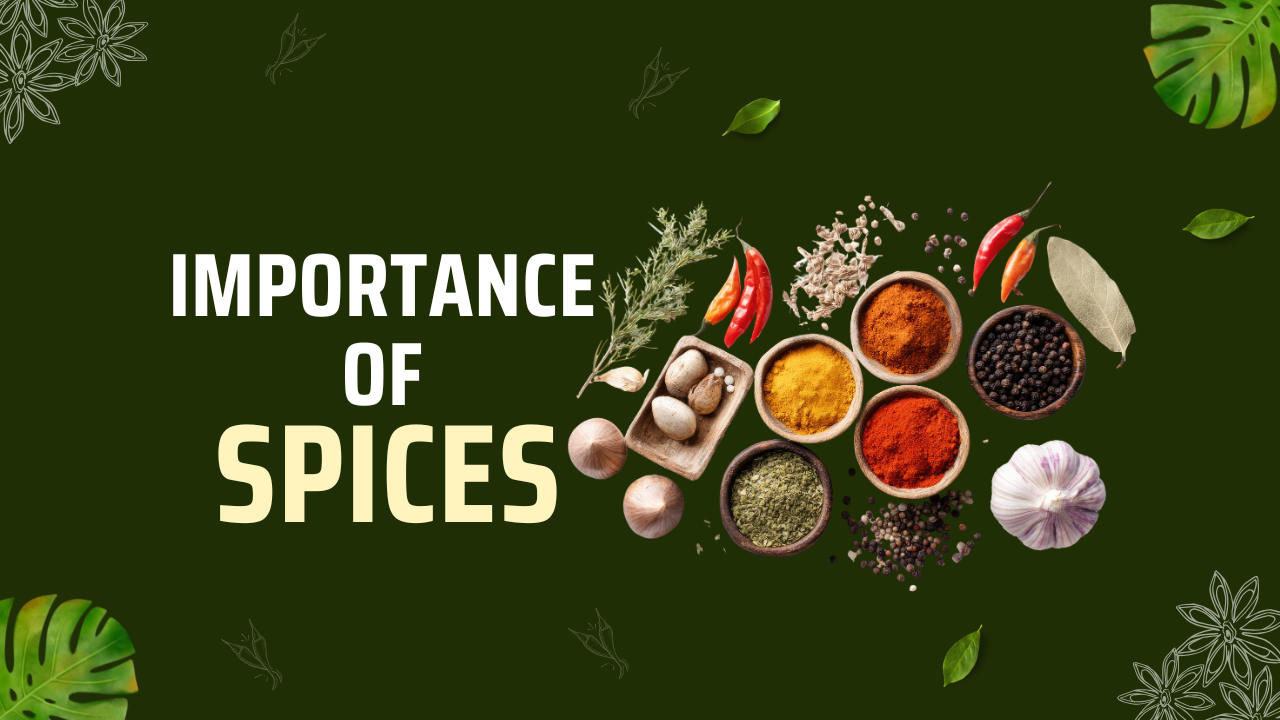
Importance of Spices
Staying healthy every day is not only about exercise or medicines—it also begins in our kitchen. Today, we explore the importance of spices, a priceless gift deeply rooted in our Indian and Asian traditions.
Spices: The Heart of Our Food Culture
Spices are mouth-warming, aromatic ingredients available in beautiful rainbow colors—red, yellow, black, green, and more. While spices are found across the globe, they hold a special place in Asian cuisine, particularly in India.
In our tradition, spices are not optional additions; they are the center point of our food. A meal prepared with only salt and pepper feels incomplete. Turmeric, coriander, curry leaves, carom seeds, cumin seeds, fennel seeds, black pepper, ginger, garlic—these spices do much more than enhance flavor.
Beyond Taste: Spices as Health Enhancers
Spices are not limited to improving taste alone. They play a vital role in:
- Improving digestion
- Strengthening gut health
- Enhancing metabolism
- Supporting overall physical and mental well-being
From ancient times, our ancestors understood that consuming spices directly in large amounts was not practical. Instead, they wisely included them in daily meals, ensuring regular intake in small, beneficial quantities. This allowed people to enjoy flavorful food while naturally supporting their health.
Spices and Gut Health: The Foundation of Wellness
In modern times, you often hear health experts emphasize gut health. In naturopathy, we have always believed that the origin of most diseases lies in the stomach and digestive system.
What we eat becomes a gift—or a burden—for our gut. This is why we say “Food is medicine.” Spices help food digest properly, improve absorption of nutrients, and maintain a healthy digestive fire.
Spices as Natural Medicine
When we refer to spices as herbs, their medicinal value becomes even clearer. These kitchen ingredients act as powerful natural remedies, often without side effects.
For naturopathy practitioners and future doctors, spices are essential tools. Simple kitchen remedies can be suggested to patients for managing common health issues naturally. This is the true beauty of naturopathy—healing through nature.
Many spices also support the management of chronic conditions, making them invaluable for long-term health maintenance.
Healing Beyond the Physical Body
Spices do not work only at the physical level. They also influence:
- Mental health
- Emotional balance
- Inner satisfaction and well-being
The aroma released while cooking spices fills not just the kitchen but the entire home, creating warmth, comfort, and positivity. Food prepared with love, spices, and tradition nourishes not just the body, but the mind and soul as well.

Food, Emotions, and Family Connection
Think of a simple daily meal—roti, dal, sabzi, rice. Now compare it with a special dish prepared during festivals or family gatherings. When the whole family sits together to enjoy a well-spiced meal, it creates happiness, emotional bonding, and a sense of fulfillment.
This is the subtle yet powerful role of spices—they connect health, taste, emotions, and relationships.
Spices Beyond Taste: Nourishment for Body, Mind, and Soul
The satisfaction we receive from food is not limited to filling our stomachs. When food is prepared with the right balance of spices, it creates a deep sense of contentment—one that reaches the soul. This is because spices added to our food do not act only at the physical level; they also influence our mental, emotional, and spiritual well-being.
In Indian tradition, especially in Bharat, spices hold a sacred and symbolic value. From daily meals to religious rituals, their presence is considered essential. Whether during festivals, auspicious days, pujas, or spiritual ceremonies, certain spices are always used first. Among them, turmeric (haldi) holds a special place.
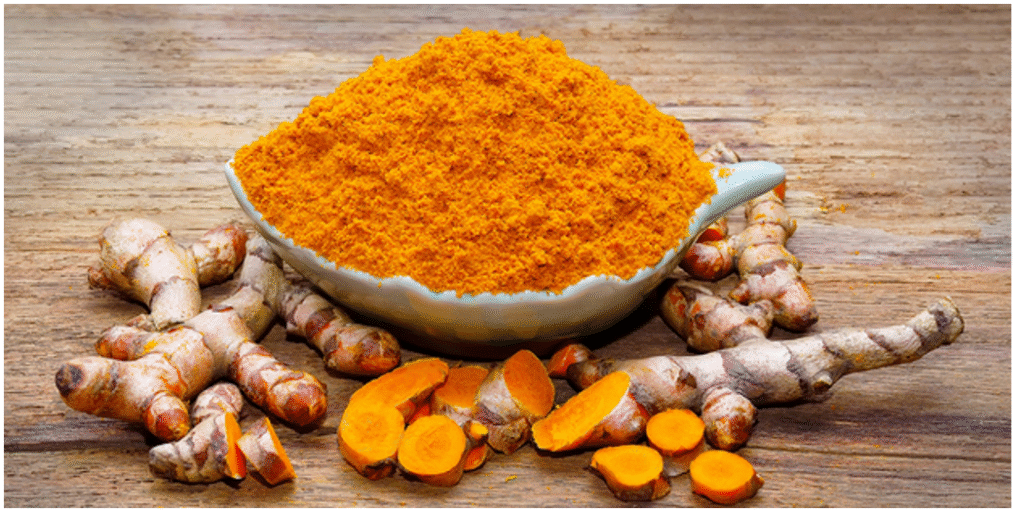
Turmeric: The Golden Spice of Culture and Health
Turmeric is not just a kitchen ingredient—it is deeply woven into our culture, traditions, and spiritual practices. From applying haldi in religious rituals to using it in daily cooking, this golden spice connects our kitchens to our cultural roots.
Turmeric is often called the “Golden Spice.” This title is not given merely because of its yellow color, but because of its extraordinary properties and versatile uses, ranging from religious rituals to preventive and therapeutic health care.
Medicinal Properties of Turmeric
Turmeric possesses powerful antibacterial and antiseptic properties. In earlier times, before modern medicines became common, turmeric was the first line of treatment for minor injuries.
Many of us can recall childhood memories when, after playing outdoors for long hours, small cuts or wounds were treated simply by applying turmeric powder. No ointments, no chemical antiseptics—just haldi. Even without understanding medical science at the time, this traditional practice worked effectively. Turmeric helped prevent infection and promoted healing, often clearing wounds within a day or two.
This simple example reflects the natural healing power of turmeric and the wisdom of our ancestors.
Turmeric as an Immunity Booster
Turmeric is not limited to external use. Internally, it has been a trusted remedy for centuries. During the COVID-19 period, turmeric once again proved its importance. Across households, people were advised to consume warm milk with a pinch of turmeric daily. This practice helped boost immunity, improve digestion, and protect the body from infections.
Turmeric acts as a natural warrior against bacteria and viruses, supporting the body’s defense mechanisms and strengthening immunity.
Scientific Validation of Ancient Wisdom
Modern science has now validated what ancient systems of healing already knew. Turmeric contains an active compound called curcumin, which has been extensively researched. Scientists have extracted curcumin from turmeric and proven its powerful anti-inflammatory, antioxidant, and anti-cancer properties.
Research shows that curcumin plays a significant role in protecting the body against chronic diseases, including cancer. This scientific validation highlights the depth of knowledge present in ancient Ayurvedic texts, where turmeric has long been praised for its healing potential.
Our ancestors recognized the strength of this golden spice and incorporated it into daily life, religious rituals, and healing practices. This is why turmeric is used in auspicious ceremonies—it symbolizes purity, protection, health, and prosperity.
Turmeric in Daily Life: A Natural Shield for Health and Healing
If turmeric has not yet become a regular part of your daily routine, now is the time to include it. In today’s world, maintaining strong immunity is essential. With changing lifestyles, advanced technologies, and the increasing emergence of new viruses, protecting our health naturally has become more important than ever.
We have already experienced one global viral outbreak—COVID-19. While the future remains uncertain, strengthening the body’s natural defense system is in our hands. Regular consumption of turmeric helps support the immune system and strengthens the body’s defense mechanisms. Turmeric works at a molecular level, helping reduce inflammation, relieve pain, and enhance overall immunity.
Turmeric for Pain and Inflammation Relief
From our grandparents’ time, turmeric has been widely used as a natural remedy for pain and swelling. A simple homemade turmeric pack was commonly prepared for joint pain, muscle pain, or localized inflammation.
The method is simple:
A small amount of water is boiled, to which rock salt and turmeric powder are added. This mixture is gently heated for a minute, mixed well, and then applied warm to the affected area. This natural paste helps reduce pain and swelling effectively. Even today, many traditional households continue to practice this remedy.
This therapy does not require expensive medicines or advanced treatments. A simple combination of turmeric and rock salt can provide noticeable relief, even in conditions such as ankle sprains, ligament strain, mild dislocations, or swelling caused by injury.
Support for the Endocrine System
Turmeric also plays a supportive role in maintaining a healthy endocrine system. In modern times, endocrine-related issues such as thyroid disorders, infertility, irregular menstrual cycles, and painful cramps are becoming increasingly common.
Including turmeric in daily food can help support hormonal balance and improve overall endocrine function when used consistently as part of a healthy lifestyle.

Benefits of Turmeric for Skin Health
Turmeric has been used for skin care since ancient times. Even today, the beauty and cosmetic industry relies heavily on this golden spice. Many skincare products, especially traditional formulations, include turmeric as a key ingredient. Products like Kumkumadi oil and creams are well-known examples.
A simple home remedy for glowing skin involves mixing turmeric with fresh milk or curd to form a paste. Regular application can help:
- Improve skin glow
- Reduce dark patches and pigmentation
- Minimize blackheads and blemishes
- Support overall skin health
While modern trends often highlight skincare practices from other cultures, such as rice-based beauty routines, our traditional knowledge has long recognized the power of turmeric. The lack of awareness today is largely due to reduced promotion of these natural remedies.
Simple Homemade Turmeric Face Pack
You can easily prepare a turmeric-based face pack at home with minimal ingredients:
- One tablespoon turmeric powder
- One tablespoon sandalwood (chandan) powder
Mix both ingredients and store them in a clean, dry glass container. When needed:
- For dry or unevenly tanned skin, mix the powder with curd
- Apply the paste evenly to the affected area
- Wash off gently after it dries
This simple routine supports healthy, radiant skin using natural ingredients.
Daily Skin Care with Turmeric: Natural Glow Without Side Effects
If you desire naturally glowing, glass-like skin, turmeric can easily become part of your daily routine. It helps cleanse blackheads, reduce dark patches, lighten scars, and minimize dark circles. One of the most effective and gentle methods is to combine turmeric with fresh milk cream (malai).
Fresh malai acts as a natural moisturizer and nourishes the skin deeply. When mixed with turmeric, it forms a powerful yet mild skincare remedy. This therapy is completely natural, free from side effects, cost-effective, and can be prepared hygienically at home. Both turmeric root and turmeric powder can be used. The roots can be dried, powdered, and stored for regular use, making turmeric a versatile ingredient for everyday skin care.
Black Pepper: The King of All Spices
After turmeric, another miraculous spice deserves special attention—black pepper, often referred to as the King of Spices.
Black pepper is primarily grown in the southern regions of India. Historically, it was one of the most valuable spices in the world. European traders and colonial powers were so drawn to black pepper that wars were fought and regions were ruled for decades to control its trade. When foreign traders first arrived through sea routes in southern India, the unique aroma of spices, especially black pepper, attracted them. Upon understanding its taste and medicinal value, black pepper became a major global commodity. This historical importance is why it earned the title “King of Spices.”
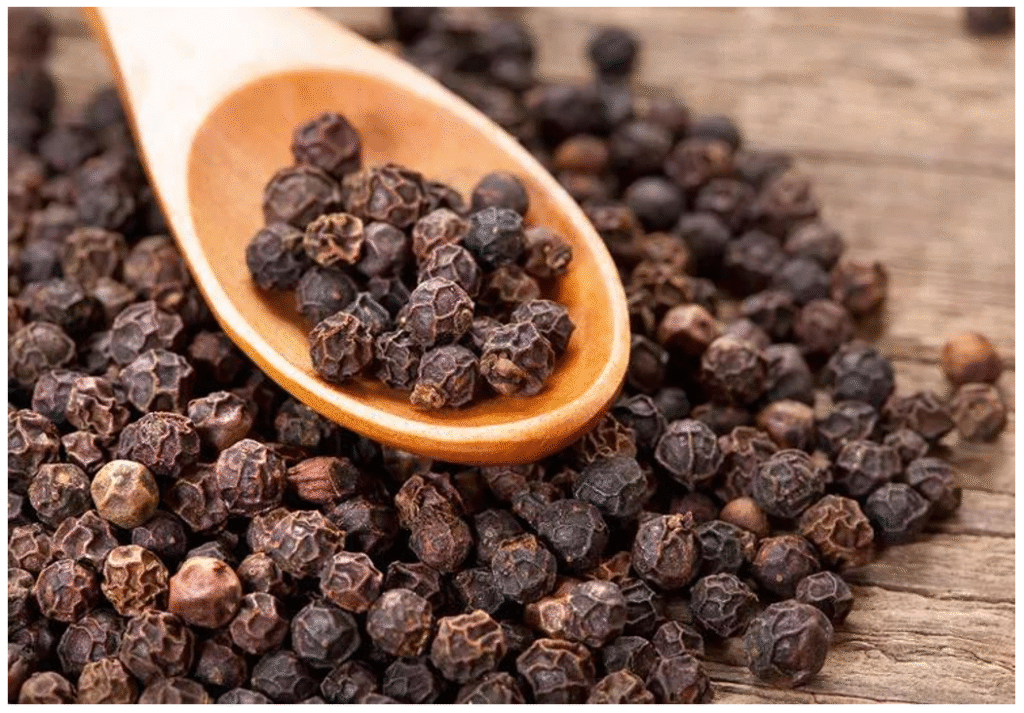
Health Benefits of Black Pepper
Black pepper offers a wide range of health benefits:
- Helps prevent skin damage and reduces wrinkles
- Acts as a powerful natural detoxifying agent
- Supports weight management
- Helps regulate blood sugar levels
- Plays a role in preventing abnormal cell multiplication
- Supports mental well-being and helps reduce symptoms of depression
Modern lifestyles often bring stress, anxiety, loneliness, and emotional imbalance. Black pepper helps stimulate circulation and supports the nervous system, making it beneficial for managing low mood and mental fatigue. Even individuals already experiencing depressive symptoms may benefit from its regular, mindful use.
Black pepper is also effective in treating common cold and cough, especially when used in home remedies.
Green Black Pepper: A Seasonal Treasure
Black pepper is available not only in dried form but also as fresh green pepper, which is considered even more medicinal. Green black pepper is more alkaline in nature and contains higher therapeutic value than the dried form.
In many Indian traditions, especially Gujarati households, green black pepper is used to prepare pickles. Summer is the ideal season for preparing such traditional preserves, as it is also the time when fresh spices are abundantly available.
Traditional Green Black Pepper Pickle for Gut Health
All spices, when used in proper proportion, are excellent for gut health. They support digestion and are rich in essential nutrients that help maintain metabolic balance.
A simple traditional method to prepare green black pepper pickle includes:
- Washing fresh green black pepper bunches thoroughly
- Preparing a solution of water, salt, and lemon juice
- Immersing the pepper bunches in this solution
- Storing the mixture in a clean glass jar
- Keeping it under sunlight for 2–3 days
- Later storing it in a cool place or refrigerator
This naturally fermented preparation supports digestion, enhances gut health, and adds medicinal value to daily meals.
Black Pepper in Daily Diet: Simple Uses for Strong Digestion and Immunity
Throughout the year, especially when rice and curry are part of our regular meals, green black pepper can be used as a pickle or even as a salad side dish. Its regular inclusion in food significantly improves digestion and gut health.
One of the simplest ways to benefit from black pepper is to replace red chilli powder with freshly crushed black pepper whenever possible. This small change makes food easier to digest and reduces excessive heat and irritation in the digestive tract.
Why Pepper and Salt Are Widely Used in European Diets
In many European countries, especially Italy, food preparation mainly relies on just two spices—pepper and salt. Whether it is pasta or pizza, crushed black pepper and salt are commonly sprinkled over food.
This practice has a digestive reason behind it. European diets traditionally rely heavily on refined flour (maida), which is difficult to digest. Since their climate and grain availability differ from India, they use pepper and salt to stimulate digestion and support gut health. Black pepper acts as a natural digestive stimulant, helping the body process heavy foods more efficiently.
Home Remedies Using Black Pepper
Black Pepper Remedy for Cold and Cough
One of the most effective home remedies for cold and cough comes directly from the kitchen and is still widely practiced today.
Method:
- Boil one cup of water
- Add 8–10 crushed black peppercorns
- Add a few tulsi leaves
- Add a pinch of turmeric
- Boil until the water reduces to half
- Strain the liquid and add one tablespoon of honey
This remedy is highly effective for cold, cough, asthma-related discomfort, and lung health. It is safe, natural, and suitable for people of all ages, climates, and regions.
Black Pepper Water for Weight Management and Digestion
Black pepper is also beneficial for weight management and metabolic balance.
Method:
- Take 3–4 crushed black peppercorns
- Add them to a glass of water
- Add a pinch of carom seeds (ajwain)
- Boil until the water reduces to half
- Strain and drink before meals
This drink improves gut health, helps balance excess calorie intake, and supports fat metabolism when taken regularly.
Multiple Health Benefits of Black Pepper
Black pepper offers a variety of health benefits through its different preparations:
- Improves digestion and gut function
- Supports weight balance
- Enhances metabolism
- Strengthens immunity
- Helps in managing cold and respiratory discomfort
Its versatility makes it one of the most powerful everyday spices in natural healing.

Cardamom: The Fragrant Healer
Cardamom is another widely used spice known for its pleasant aroma and therapeutic benefits. In India, it is commonly used in masala chai, making it a familiar ingredient in daily life.
Cardamom is added to tea not only for flavor but also to counter the effects of tannins, which are naturally present in tea. Tannins can interfere with digestion and mineral absorption, and cardamom helps reduce their impact on the body.
Although tea consumption is not encouraged in naturopathy, cardamom’s role here highlights its medicinal importance.
Cardamom for Oral Hygiene and Digestion
Cardamom has strong antibacterial properties and is especially effective for:
- Bad breath
- Mouth odor caused by bleeding gums
- Excessive sweating-related body odor
- Digestive discomfort
Chewing two green cardamom pods every morning on an empty stomach can help eliminate bad breath and reduce body odor naturally. It also supports digestion and oral hygiene without any side effects.
Cardamom: A Gentle, Digestive-Friendly Spice for Daily Health
Cardamom is a digestive-friendly spice that supports overall health in a gentle yet powerful way. It helps improve digestion primarily because it is rich in essential nutrients such as iron, magnesium, sodium, calcium, potassium, and vitamin C. These minerals are vital not only for digestion but also for bone strength and metabolic balance.
Our bones require a regular supply of these minerals to remain healthy and strong, and cardamom naturally provides them in an easily absorbable form.
Everyday Use of Cardamom in Indian Cooking
Cardamom has always been an integral part of Indian cuisine. It is widely used in:
- Rice preparations such as biryani
- Sweet dishes like kheer, halwa, and sheera
- Milk-based foods
- Masala chai
In many households, tea lovers add one or two crushed cardamom pods to their morning tea. This tradition exists for a reason. Dairy-based foods, especially milk preparations, are heavy to digest and take longer to process in the gut. Adding cardamom helps stimulate digestion and makes these foods easier on the digestive system.
Cardamom for Digestion, Heart, and Bone Health
Cardamom supports:
- Improved gut health and digestion
- Better bone health due to its mineral content
- Heart health by supporting balanced circulation
Although cardamom contains sodium, it is present in a digestible and balanced form, along with magnesium and iron. This combination helps support cardiovascular health and may assist in maintaining healthy blood pressure levels when used regularly and moderately.
Cardamom for Anemia and Energy Levels
For individuals experiencing low hemoglobin levels (anemia), cardamom can be a helpful daily addition. Chewing two to three green cardamom pods daily may support iron absorption and improve overall vitality over time when combined with a balanced diet.
Cardamom and Weight Management
Cardamom also supports weight management. When added to herbal decoctions (kadha) along with black pepper, it works deeply at the tissue level. Its natural compounds help improve fat metabolism and support the body’s detoxification processes.
Role of Cardamom in Blood Sugar Balance
Cardamom supports pancreatic function and may help maintain stable blood sugar levels. It works on long-term sugar control rather than sudden fluctuations. Regular use, along with other supportive herbs and a healthy lifestyle, may help improve HbA1c levels over time by supporting insulin activity.

Kidney Health and Detoxification
The kidneys are the body’s primary detoxifying organs, and cardamom supports their function naturally. It helps maintain the health of the nephrons, the filtering units of the kidneys, allowing effective removal of unwanted waste products from the body.
By supporting kidney function, cardamom contributes to overall detoxification and metabolic balance.
Anti-Inflammatory and Protective Properties
Cardamom contains natural anti-inflammatory compounds that support digestive health and reduce internal inflammation. Its antioxidant properties may help reduce the risk of chronic conditions when included regularly in a balanced diet.
Right Quantity Is the Key
The most important principle in using spices is moderation. There is no need to consume large quantities. Just one or two cardamom pods daily, whether whole or powdered, are sufficient to gain its health benefits.
Cardamom can be used in:
- Daily cooking
- Herbal drinks
- Milk-based preparations
- Tea
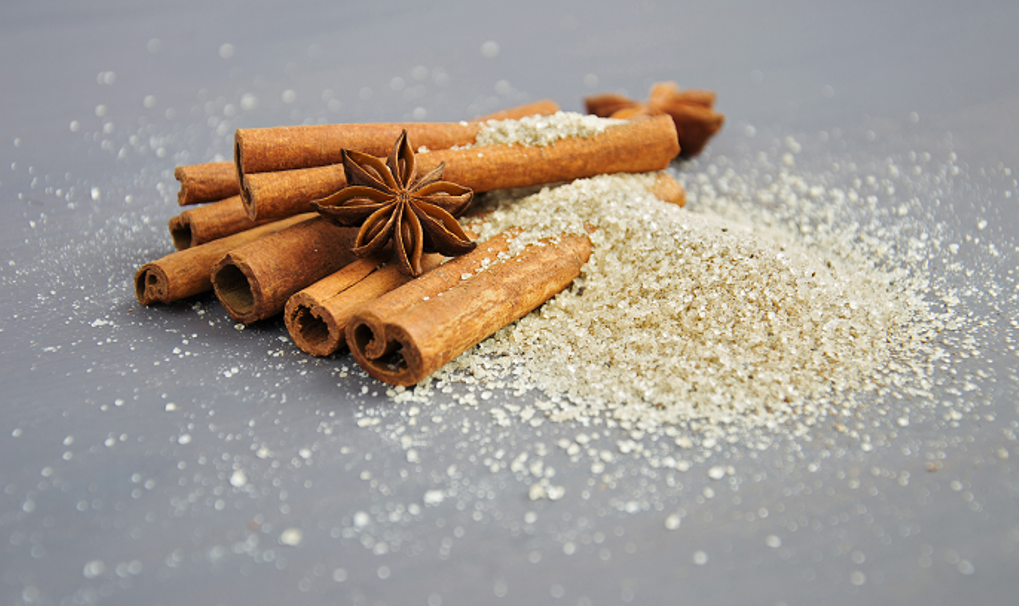
Moving Forward: Cinnamon as the Next Healing Spice
Another important spice closely associated with cardamom is cinnamon. Traditionally, cardamom and cinnamon are often used together, as they complement each other’s properties and enhance overall therapeutic effects.
Cinnamon: The Perfect Companion to Cardamom
Cardamom and cinnamon are often used together in traditional cooking. When combined, they enhance both the fragrance and taste of food, which is why these two spices are commonly added in parallel to many dishes.
Cinnamon is derived from the bark of the cinnamon tree. In its natural form, true cinnamon is mild and gentle. However, many commercially available cinnamon sticks are artificially enhanced with colors, flavors, or extracts to intensify taste and aroma. Therefore, it is important to choose good-quality, naturally sourced cinnamon when purchasing this spice.
Medicinal Properties of Cinnamon
Cinnamon offers a wide range of therapeutic benefits, especially for lifestyle-related disorders.
Improves Insulin Sensitivity
Cinnamon helps improve insulin sensitivity, making it especially beneficial for individuals with diabetes. Regular use supports better glucose metabolism and long-term blood sugar control.
Supports Cholesterol and Triglyceride Balance
Cinnamon helps reduce:
- High triglyceride levels
- Low-density lipoprotein (LDL or “bad cholesterol”)
Diabetes, hypertension, and high cholesterol are often referred to as the “three lifestyle siblings.” When one condition develops, the others frequently follow. Cinnamon supports all three by improving metabolic function and vascular health.
Many healthcare practitioners recommend taking a pinch of cinnamon powder with warm water early in the morning on an empty stomach. This practice helps cleanse excess lipid deposits, supports arterial health, and promotes better circulation.
Cinnamon for Digestive Health and Gut Balance
Cinnamon has natural antibacterial properties and helps fight harmful gut bacteria, including E. coli, which is known to disrupt digestion. When harmful bacteria dominate, digestion becomes weak, leading to bloating, loose stools, and poor nutrient absorption.
Cinnamon tea or herbal decoctions containing cinnamon and cardamom are traditionally used to restore gut balance and improve digestion.
Herbal Alternatives for Daily Wellness
As part of naturopathic practice, herbal formulations combining multiple beneficial herbs are often recommended. Herbal teas enriched with cinnamon, cardamom, tulsi, and other antioxidants can serve as a healthy alternative to regular tea.
Such blends support detoxification, improve digestion, and help individuals manage conditions such as diabetes, hypertension, cholesterol imbalance, and metabolic stress. These herbal beverages are easy to consume and fit well into daily routines, especially as a replacement for conventional tea.

Brain Health: Protection Against Alzheimer’s and Dementia
Cinnamon and cardamom also support brain health. Their aroma alone has a profound effect on the nervous system. Familiar fragrances can instantly alter mood, improve focus, and stimulate memory.
Scientific observations show that pleasant aromas activate neural pathways in the brain. This sensory stimulation, combined with internal consumption, helps support brain cells and may reduce the risk of neurodegenerative conditions such as Alzheimer’s disease and dementia.
Even simple exposure to these natural fragrances can:
- Improve emotional balance
- Enhance mental alertness
- Trigger positive memory responses
Therapeutic Benefits of Cinnamon and Cumin in Daily Nutrition
Cinnamon is not just a flavour-enhancing spice; it is a powerful natural medicine when used correctly and consistently. Whether taken as cinnamon powder, cinnamon tea, or added regularly to daily meals, this herb works deeply at the cellular level, especially on the brain and nervous system. Cinnamon directly supports brain cells and neurons, making it beneficial in conditions related to neuropathy and cognitive decline.
Rich in polyphenol antioxidants, cinnamon helps prevent cellular damage and reduces inflammation throughout the body. Its antioxidant properties protect tissues from oxidative stress, which is a major contributor to lifestyle disorders and premature aging. Cinnamon also supports gut health by acting as a natural probiotic. While curd is commonly known as a probiotic food, many Indian spices, including cinnamon, also nourish beneficial gut bacteria and improve digestion naturally.
In recent times, gut health has become a trending topic, with many people pursuing specialized courses and certifications. However, traditional Indian diets already include powerful gut-healing spices. When these are used regularly along with naturopathy principles, individuals naturally develop strong digestive health without the need for artificial supplements or advanced degrees. Our traditional wisdom has always emphasized this balance.
Cinnamon is also beneficial for women’s health, particularly in conditions like PCOS, as it helps regulate the menstrual cycle. Additionally, it supports oral health. In cases of bleeding gums, loose gums, or pus formation, chewing a small piece of cinnamon bark near the affected area can help strengthen gums and stop bleeding almost immediately. Cinnamon can be used either as a powder or in its whole bark form, depending on personal preference and dietary habits.
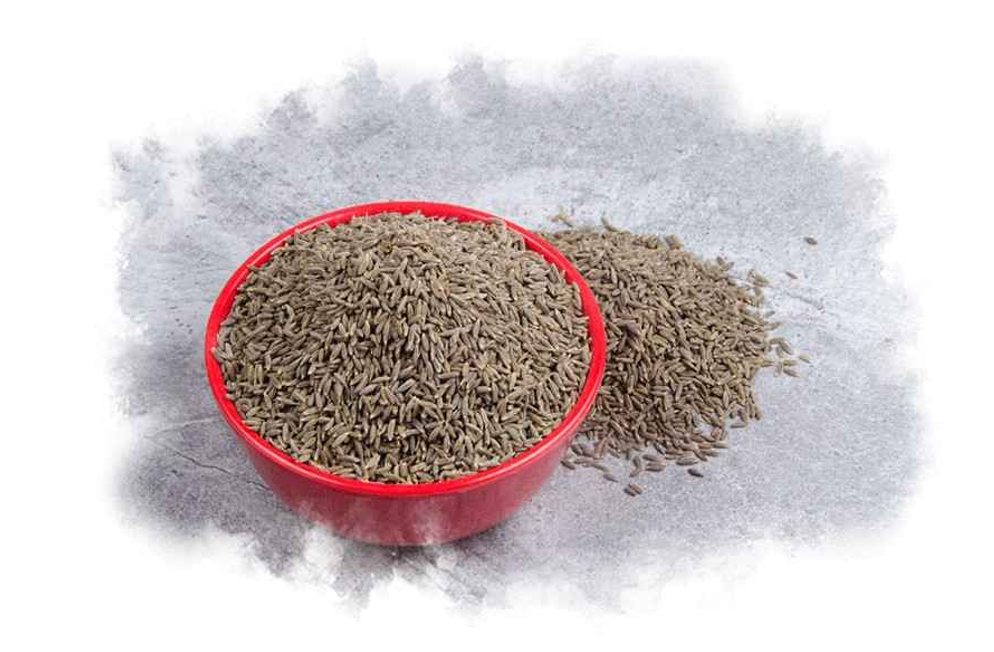
Cumin (Jeera): A Daily Spice with Powerful Healing Properties
Cumin seeds are an integral part of Indian cooking. Almost every curry or preparation includes jeera in the tempering (tadka). In an average household of three to four members, at least one tablespoon of cumin is used daily in cooking, meaning each person naturally consumes about one-fourth teaspoon every day. This regular intake itself provides immense health benefits.
Cumin is rich in iron and antioxidants, making it especially beneficial for improving hemoglobin levels and overall metabolism. One of its most important traditional uses is in supporting lactation. Cumin helps increase breast milk production in lactating mothers and has been used for generations in postnatal care.
In traditional Indian households, special herbal liquids or decoctions made from cumin and other spices are prepared for mothers after delivery, usually for a period of 40 to 60 days. These preparations help restore strength, improve digestion, and enhance milk production. This practice is deeply rooted in traditional wisdom and has shown consistent results.
From personal experience as well, cumin-based preparations can work remarkably well. Regular intake of jeera-based herbal drinks during the lactation period has shown visible improvement in milk supply within just a few days. This is because cumin is alkaline in nature and supports digestion, absorption, and hormonal balance.
Instead of relying on external supplements or formula feeds for newborns, supporting the mother’s nutrition through such natural therapies ensures that the baby receives adequate nourishment through breast milk itself. This approach benefits both the mother and the child and aligns perfectly with naturopathy principles.
Role of Jeera (Cumin) in Circulatory, Digestive, and Metabolic Health
The circulatory system is one of the greatest gifts of the human body. Whenever there is a cut or injury, the first thing we notice is blood. This simple observation reminds us how deeply the circulatory system is spread throughout the body—from the outermost layer of the skin to the deepest tissues, from the scalp to the toes. Small capillaries, veins, and arteries work continuously to keep the body alive and functional.
The circulatory system does not only transport blood; it also carries essential electrolytes, nutrients, enzymes, oxygen, and hormones to every cell. Because of this, maintaining good circulation is extremely important for overall health. When circulation is disturbed, conditions such as varicose veins and other vascular problems may develop.
Jeera (cumin) plays a significant role in supporting healthy blood circulation. Regularly adding cumin to daily food helps improve circulation and supports the health of veins and capillaries. It also helps treat blood-related imbalances and supports weight management while maintaining stable blood sugar levels. Many common spices used in everyday Indian cooking help prevent lifestyle diseases long before they fully develop.
Jeera for Weight Loss and Metabolic Balance
Jeera tea is commonly recommended in naturopathy for weight management. When cumin is combined with spices like cardamom and black pepper and taken early in the morning, it helps boost metabolism and assists in reducing excess body fat. This simple herbal drink supports digestion, detoxification, and fat metabolism naturally.
Jeera as a Remedy for Flatulence and Digestive Disturbances
Flatulence has become a very common problem today due to irregular lifestyles, stress, and lack of mindful eating. Many people eat meals while focusing on mobile phones, laptops, or work-related calls. This lack of attention during meals affects chewing and digestion, leading to bloating, gas, and discomfort.
Jeera is one of the best natural remedies for flatulence. It improves digestion, reduces gas formation, and helps calm the digestive system. Proper chewing and mindful eating, along with regular intake of cumin, can significantly reduce digestive issues.
Nutritional and Medicinal Properties of Jeera
Cumin is rich in essential oils and vital vitamins such as A, E, and C. These nutrients provide multiple health benefits:
- Vitamin A supports eye health and vision.
- Vitamin E and C are beneficial for skin health and immunity.
- Vitamin C boosts the immune system and supports tissue repair.
- Essential oils help slow down aging, reduce wrinkles, and promote natural skin glow.
Jeera also contains bioactive compounds such as thymol and cumin aldehyde, which have antimicrobial and anti-inflammatory properties. These compounds help inhibit the growth of harmful microbes and reduce inflammation in the body. Scientifically, these properties explain why spices like cumin are considered powerful medicinal herbs rather than just flavoring agents.
Traditional Wisdom and Modern Relevance
All these healing spices are easily available in our traditional kitchens. Many people today continue to experience discomfort even after long-term use of modern medicines due to side effects or incompatibility. While modern medicine is necessary in many situations, natural remedies can be safely used as supportive therapy.
If alternative, time-tested options are available, it is wise to use them alongside proper medical guidance. Regular use of herbs like cumin can help manage deep tissue disorders and chronic lifestyle-related conditions naturally.
Jeera can be consumed whole, powdered, or as a herbal drink, depending on individual preference and routine.
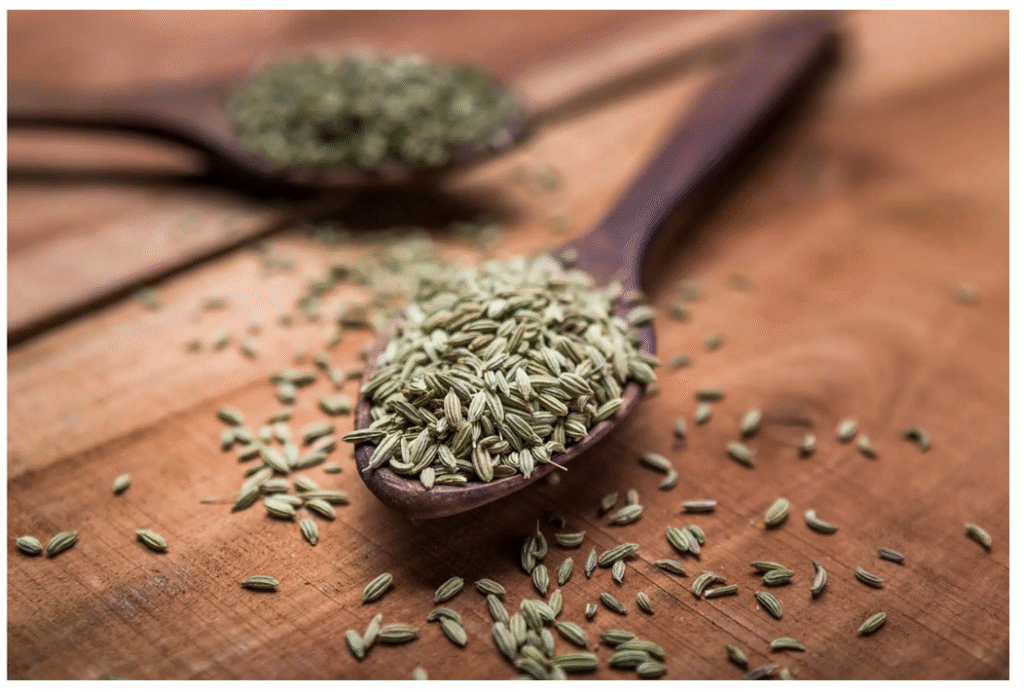
Fennel Seeds (Saunf): A Gentle Digestive Herb
Fennel seeds, commonly known as saunf, are aromatic, flavorful, and soothing to the digestive system. They are rich in dietary fiber, calcium, magnesium, and vitamin C. Fennel supports digestion, reduces bloating, freshens the mouth, and contributes to overall gut health, making it an excellent companion to cumin in daily nutrition.
Fennel Seeds (Saunf): A Traditional Digestive and Hormonal Healer
Fennel seeds, commonly known as saunf, are valued in Indian tradition not only for their pleasant taste and aroma but also for their powerful medicinal properties. One of the key reasons fennel is so beneficial is its high fiber content, which plays a crucial role in digestion and gut health.
In Indian culture, there is a long-standing tradition of consuming mukhwas after meals, and fennel seeds are an essential component of almost every mukhwas preparation. The reason behind this practice is simple yet scientific: fiber is essential for proper digestion. It acts as a protective barrier in the stomach and intestines, supports smooth bowel movements, and helps prevent digestive discomfort. This is why fennel is traditionally consumed after every meal.
Today, many people opt for modern “super seeds” like pumpkin seeds or mixed seed blends. While these are beneficial, our traditional spices such as fennel are equally powerful, easily available, and better suited to our climate and digestive systems.

Digestive and Gut Health Benefits
Fennel seeds are rich in magnesium and vitamin C, both of which support digestion and overall gut health. They help improve the absorption of nutrients from food and strengthen the digestive process. Fennel also contains a volatile oil called anethole, which stimulates the secretion of digestive juices and enzymes, thereby enhancing digestion.
Powdered fennel acts as a natural laxative and is especially beneficial for individuals suffering from irritable bowel syndrome (IBS), stomach cramps, bloating, and constipation. Today, more than 90% of people—knowingly or unknowingly—suffer from some form of digestive issue such as gas, acidity, or constipation. This is particularly common in humid regions like Maharashtra and Mumbai, where digestion tends to be weaker due to climate and lifestyle factors.
Regular consumption of fennel after meals works like a natural medicine, helping to digest food efficiently and maintain gut balance.
Fennel for Constipation and Intestinal Cleansing
Due to its high fiber content, fennel helps cleanse the intestinal tract naturally. Chewing one tablespoon of raw fennel seeds daily supports regular bowel movements and prevents constipation.
One of the most effective naturopathic remedies is fennel water (saunf ka pani). To prepare this:
- Soak one tablespoon of fennel seeds in a glass of water overnight.
- Drink the water early morning on an empty stomach.
- Chew the soaked fennel seeds afterward.
This practice works as a gentle natural laxative and helps cleanse the entire intestinal channel. It also supports the healing of the intestinal mucosa, which is often damaged in conditions like IBS, acid reflux, and chronic digestive disorders. Fennel helps protect beneficial gut bacteria, which are essential for overall digestive health.
IBS patients can also chew one teaspoon of fennel seeds just before meals to reduce cramps, bloating, and discomfort.
Respiratory Health Benefits Fennel is beneficial not only for digestion but also for respiratory health. It helps relieve conditions such as cough, bronchitis, and nasal congestion.
There are two effective ways to use fennel for respiratory issues:
- Internal use: Chewing fennel seeds helps clear mucus and soothe the respiratory tract.
- Steam inhalation: During steam therapy, adding fennel seeds to boiling water enhances its effectiveness. Traditionally, fennel is added along with camphor (kapur) while boiling water for steam inhalation. This method helps relieve congestion, cough, and breathing difficulties.
In cases of both acute and allergic bronchitis, fennel helps reduce inflammation and strengthens the bronchi, improving lung capacity and respiratory function.
Hormonal Balance and Women’s Health
Fennel seeds are highly alkaline in nature, making them especially useful for hormonal balance. Maintaining the body in a slightly alkaline state helps regulate hormonal secretions and supports stable blood pH levels.
Fennel is particularly beneficial during menopause, where many women experience hot flashes, night sweats, sleep disturbances, mental discomfort, and sudden sweating. Regular consumption of fennel water helps reduce the intensity of hot flashes and improves sleep quality.
It is also beneficial during the menstrual cycle, helping relieve cramps, body pain, excessive bleeding, clot formation, and irregular cycles. Drinking fennel water regularly supports hormonal balance and provides natural relief from menstrual discomfort.
A Simple Yet Powerful Daily Remedy
Fennel seeds are a simple, affordable, and highly effective natural remedy that can be easily included in daily life. Whether consumed after meals, as soaked water, or used in steam therapy, fennel works gently yet powerfully to support digestion, respiratory health, and hormonal balance.
Incorporating such traditional herbs into daily routines not only prevents common health issues but also strengthens the body naturally, without side effects.
Fennel Seeds: Vision, Digestion, and Childhood Wisdom
Fennel seeds are an excellent natural source of vitamin A, which plays a vital role in maintaining healthy vision and improving eyesight. Regular consumption of fennel supports eye health and helps protect against vision-related strain caused by lifestyle factors such as excessive screen exposure.
How to Use Fennel Seeds
Fennel seeds can be consumed in multiple ways. They can be chewed whole after meals, powdered and added to food, or consumed in their fresh green form when available seasonally.
In India, especially during the winter season, fresh green fennel was a common sight outside schools. Many of us remember small roadside vendors selling green fennel along with fruits like ber and star fruit. After a long school day, children would snack on these simple foods before reaching home. At that time, it felt like a treat—but today, we understand the deeper reason behind this habit.
Our parents intuitively chose such snacks because they helped refresh the body, alkalize the system, support digestion, and improve circulation. Children often shared tiffins at school, which could sometimes disturb digestion. Chewing fresh fennel helped balance gut health naturally. This seasonal habit strengthened the body and prevented digestive issues in a simple, natural way.
Beyond physical health, revisiting such childhood practices also nourishes mental well-being. Reliving these memories stimulates serotonin release—the “happy hormone”—which improves mood, boosts immunity, and enhances overall health. Sometimes, reconnecting with traditional foods is also a way of reconnecting with joy.
Fenugreek Seeds (Methi Dana): A Natural Regulator of Blood Sugar
Fenugreek seeds, commonly known as methi dana, are among the most widely used spices in Indian and Asian cuisine. Along with cumin (jeera) and mustard (rai), fenugreek forms the foundation of everyday cooking, especially in curries and vegetable preparations.
Modern science has now validated what traditional systems already knew: fenugreek seeds possess remarkable medicinal properties. They are rich in glucomannan fiber and compounds such as fenugreek trigonelline, which play a crucial role in regulating blood sugar levels.
Those familiar with modern medicine may notice that similar compounds appear in the ingredient lists of many antidiabetic drugs. These medicines help control blood sugar, but they are still foreign substances to the body. In contrast, fenugreek seeds are completely natural, easily accepted, and gently digested by the system.
Because of their natural origin, fenugreek seeds work in harmony with the body rather than forcing a response. This makes them especially valuable in long-term management of blood sugar without adverse effects.
A Simple and Natural Approach
Incorporating fenugreek seeds into daily routines is easy and effective. Regular use supports blood sugar balance, improves digestion, and strengthens metabolic health. As with other traditional spices, the key lies in consistency and moderation rather than excessive consumption.
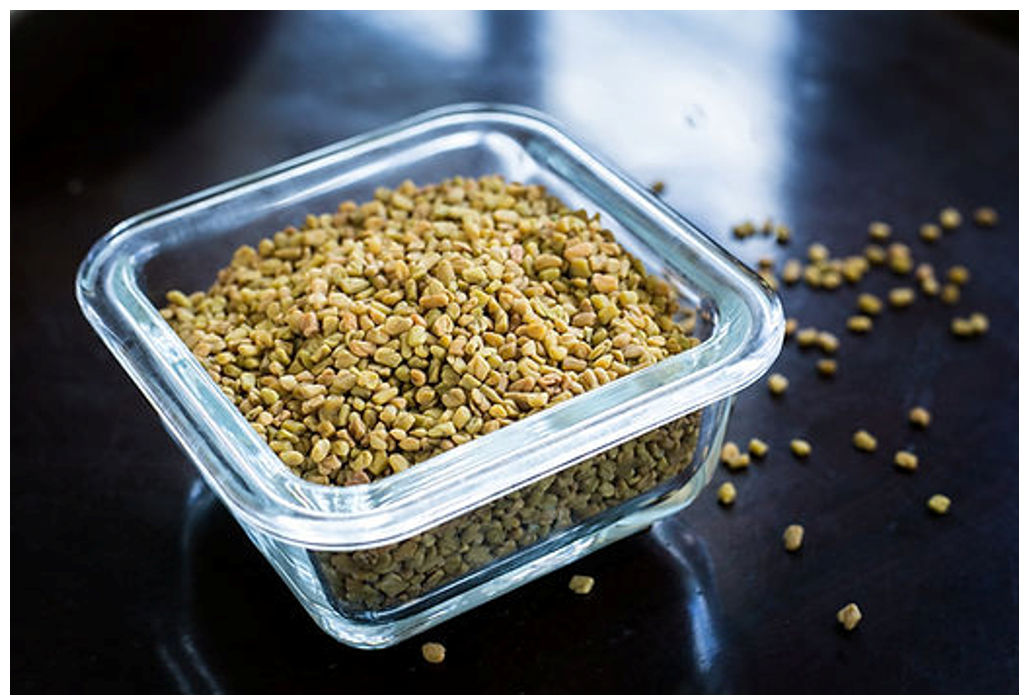
Fenugreek Seeds (Methi Dana): A Powerful Natural Healer
Fenugreek seeds, commonly known as methi dana, are among the most powerful medicinal spices used in traditional Indian households. One of the simplest and most effective ways to consume fenugreek is by soaking one teaspoon of seeds overnight in a cup of water and consuming it early morning on an empty stomach. Along with the water, the soaked seeds—softened and less bitter—can be easily chewed and swallowed.
This simple practice is extremely beneficial for individuals suffering from high blood sugar levels, those seeking weight loss, and anyone aiming to improve digestion naturally. Fenugreek water helps regulate appetite, which indirectly supports weight management by reducing overeating.
Benefits for Cholesterol, Immunity, and Metabolism
Fenugreek seeds are rich in glucomannan fiber and fenugreek compounds, which help lower triglycerides and cholesterol levels while maintaining a healthy balance between HDL and LDL cholesterol. Regular consumption strengthens immunity, making the body more resistant to seasonal infections such as cough, cold, and chest congestion.
This remedy is especially effective for children who frequently fall ill during seasonal changes. Instead of repeatedly relying on medications, a 60-day course of fenugreek water can significantly enhance immunity and reduce illness frequency. The same benefits extend to elderly individuals as well.
Support During Lactation and Postnatal Care
Fenugreek is highly beneficial for lactating mothers. It improves both the quantity and quality of breast milk, making it lighter and easier for the newborn to digest. When breast milk is well-digested, infants remain calm, sleep better, and cry less after feeding.
Traditional postnatal diets often include laddoos prepared with fenugreek and other digestive herbs. These formulations help the mother overcome indigestion and gas, which otherwise directly affect the baby through breast milk.
Hair Health, Joint Disorders, and Pain Relief
Fenugreek seeds play a vital role in reducing hair loss and promoting natural hair growth. Due to their effect on the scalp’s sebum balance, fenugreek is commonly used in herbal hair oils. Even at Saffron, fenugreek seeds are included in the preparation of herbal hair oil formulations.
Fenugreek also contains natural steroid-like compounds, making it extremely effective in inflammatory and degenerative conditions such as osteoarthritis, rheumatoid arthritis, and gout. Patients are advised to consume fenugreek regularly for at least six months to observe significant improvements in joint mobility, reduced inflammation, and lowered uric acid levels—often with reduced dependency on pain medications.
Balancing Vata Dosha and Digestive Health
Fenugreek helps balance Vata dosha, which is often aggravated during the monsoon season due to weakened digestion. Regular intake reduces gas, bloating, and indigestion, making it an essential seasonal preventive herb. Fenugreek can be consumed whole, soaked, or in powdered form based on individual preference.
Ajwain (Carom Seeds): The Digestive Protector
Ajwain, also known as carom seeds, holds a special place in Indian cuisine, especially in fried foods like vada, bhaji, samosa, and pakoras. These foods are heavy to digest and commonly cause gas and acidity. Our ancestors understood this well and wisely incorporated ajwain into such preparations to aid digestion.
Ajwain improves taste while preventing indigestion, bloating, and discomfort. This reflects the deep-rooted intelligence of traditional food practices, where flavor and health always went hand in hand.
Tradition as Preventive Medicine
Occasional indulgence in outside or modern foods is acceptable, but daily routines should remain grounded in traditional dietary practices. Sticking to cultural food wisdom ensures better digestion, balanced metabolism, and long-term health.
Ajwain contains dietary fiber, essential fatty acids, and proteins, all of which support gut health and nutrient absorption. Essential fatty acids, in particular, are crucial for maintaining hormonal balance and cellular health.
Ajwain (Carom Seeds): A Powerful Digestive and Metabolic Healer
For the human body to function in a rhythmic and balanced manner, essential fatty acids are extremely important. Among these, Omega-3 and Omega-6 fatty acids play a vital role in maintaining the health of the brain, heart, nervous system, and overall metabolism. Without adequate essential fatty acids, no organ system can perform optimally.
Ajwain (carom seeds) naturally contains essential fatty acids, specific proteins, and compounds that support protein metabolism. This makes ajwain not only a digestive aid but also a systemic healer.
Digestive Disorders and Blood Pressure Regulation
Ajwain is widely used in traditional medicine to treat acidity, indigestion, gas, bloating, and flatulence. It is also known to help regulate blood pressure, especially in individuals suffering from long-term hypertension.
Many patients with chronic high blood pressure notice sudden fluctuations despite regular medication. This often happens not only due to cardiovascular reasons but because of severe gastric disturbance. When gas accumulates in the digestive tract and instead of moving downward it moves upward (udavarta or anavayu), it creates pressure in the chest region. This can cause discomfort, suffocation, angina-like pain, and sudden spikes in blood pressure.
In such situations, chewing a pinch of ajwain with a pinch of rock salt provides immediate relief. This simple home remedy releases trapped gas, reduces chest pressure, and helps stabilize blood pressure naturally.
Travel Sickness, Nausea, and Motion Sensitivity
Ajwain is also extremely useful for individuals who experience nausea, vomiting, or discomfort during travel, especially bus journeys, hilly travel, or long rides. Chewing a small quantity of ajwain with rock salt continuously helps prevent nausea and settles the stomach effectively. Such traditional remedies are often more valuable and faster acting than modern medications.
Respiratory Health and Chronic Conditions
Ajwain helps in managing respiratory ailments such as asthma, bronchitis, and chronic cough. A traditional remedy involves preparing small balls (ladoo) made from ajwain and jaggery. Consuming one such ball daily, either in the morning or after meals, helps reduce bronchial inflammation, clears mucus, and supports lung health. It is also beneficial in chronic ama conditions.
Anti-Aging, Skin Health, and Beauty Benefits
Ajwain also plays a significant role in slowing down the aging process. Regular use helps reduce wrinkles, fine lines, enlarged pores, dark circles, and dull skin. Everyone desires youthful, healthy skin—regardless of gender—and these visible signs of aging often indicate underlying internal imbalances.
Instead of relying on expensive cosmetic products, incorporating ajwain into daily meals supports internal cleansing, digestion, and metabolism, which naturally reflects as glowing, youthful skin. True beauty always begins from within.
Weight Loss and Metabolic Boost
Drinking ajwain water regularly enhances metabolism and helps burn excess fat, making it a supportive remedy for weight loss. Improved digestion and better nutrient absorption further contribute to overall metabolic balance.
Ajwain can be consumed in multiple forms:
- As whole seeds
- In powdered form
- Mixed with warm water
- Combined with rock salt or jaggery as needed
Ajwain (Carom Seeds) and Saffron: Powerful Natural Remedies in Traditional Healing
When the balance of acids in our body is disturbed, the entire system—including vital organs—fails to function in a proper, rhythmic manner. This imbalance affects digestion, metabolism, circulation, and even mental well-being. Therefore, maintaining internal harmony is essential for overall health.
Role of Essential Fatty Acids and Ajwain
Omega-3 and Omega-6 fatty acids are crucial for the proper functioning of every system in the body, especially the brain and nervous system. Ajwain (carom seeds) is a remarkable natural ingredient that contains essential fatty acids along with specific proteins that support protein metabolism.
Ajwain plays a significant role in treating various digestive disorders such as acidity, indigestion, bloating, and flatulence. In traditional medicine, it has also been widely used to help control blood pressure.
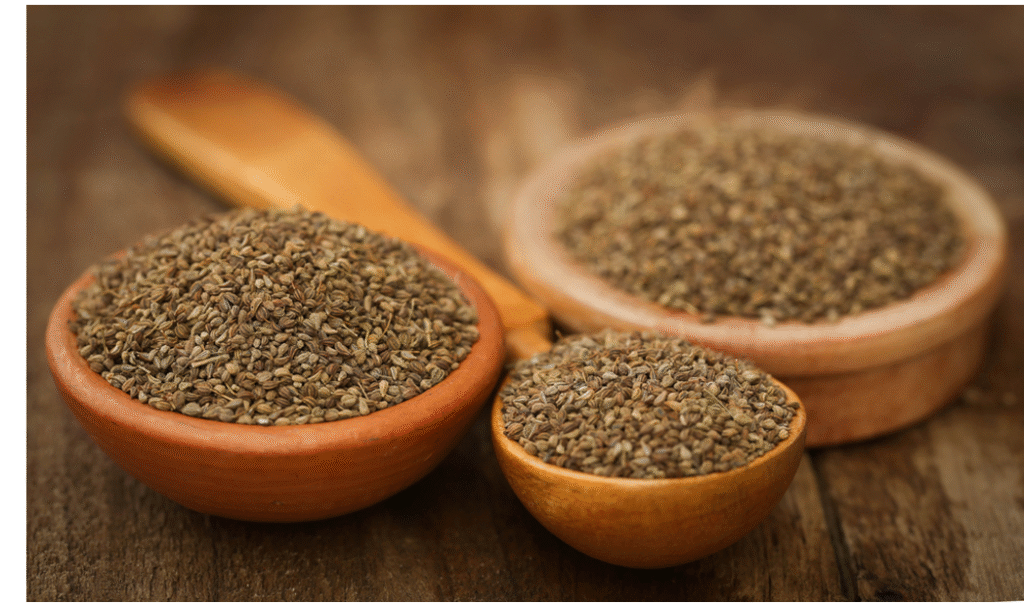
Ajwain and Hypertension: The Digestive Connection
Many individuals suffering from hypertension for long periods notice sudden fluctuations in blood pressure, even while on medication. This often happens not solely due to medicines, but because of underlying digestive issues such as gas and indigestion.
Normally, gas should pass downward and be expelled from the body. However, when gas moves upward—a condition referred to as Udavarta or Aanaayu—it creates pressure in the chest and heart region. This can cause breathlessness, chest discomfort, angina-like pain, and sudden spikes in blood pressure.
In such cases, a simple and effective home remedy is to chew a pinch of ajwain with a pinch of rock salt. This often provides immediate relief.
Ajwain for Travel Sickness and Nausea
People who experience nausea, vomiting, or anxiety while traveling—especially in buses or mountainous regions—can benefit greatly from ajwain. Chewing a small amount of ajwain with rock salt continuously helps prevent nausea and vomiting. These simple remedies are often more effective and valuable than modern medications.
Respiratory Benefits of Ajwain
Ajwain is also beneficial in treating respiratory conditions such as asthma and bronchitis. A traditional remedy involves making small balls (laddoos) using ajwain and jaggery. Consuming one daily, either in the morning or after meals, helps manage chronic cough, bronchitis, and respiratory congestion.
Anti-Aging and Skin Health Benefits
Ajwain helps minimize signs of aging such as wrinkles, fine lines, enlarged pores, and dark circles. Everyone desires a youthful appearance, regardless of gender. However, these external signs often indicate internal health issues.
Regular use of ajwain in daily food supports internal cleansing and nourishment, which reflects as healthy, glowing, wrinkle-free skin. Instead of relying on expensive cosmetic products, incorporating ajwain into your routine provides beauty benefits along with overall health improvement.
Ajwain for Weight Management
Drinking ajwain water regularly enhances metabolism and helps burn excess fat, supporting healthy weight loss. Ajwain can be used whole, in powdered form, or boiled in water. The boiled ajwain water can be consumed daily for best results.
Saffron: The Sunshine Spice
Saffron is known as the “Sunshine Spice”—the most expensive spice in the world and one of the most powerful natural herbs packed with numerous health benefits. Because of its high cost and rarity, it is not accessible for daily use by everyone.
Original saffron is extremely difficult to obtain due to widespread adulteration in the market. Authentic saffron threads are rare and expensive, often costing between ₹800 to ₹1,000 per gram, with no absolute guarantee of purity unless purchased from a trusted source with proper knowledge.
Origin and Cultivation of Saffron
Saffron consists of threads derived from purple crocus flowers, primarily cultivated in the Himalayan regions, especially Jammu and Kashmir. Its cultivation requires specific climate conditions, precise harvesting time, and intense manual labor. After extensive effort, only a small quantity of saffron is obtained, which explains its high cost and value.
Health Benefits of Saffron
Saffron is one of the most powerful antioxidants and has strong anti-inflammatory properties. Compounds like crocin help reduce inflammation and may support cancer prevention by assisting in the destruction of cancer cells.
In traditional medicine systems, including Chinese medicine, saffron threads are used in the preparation of anti-cancer formulations.
Saffron in Kashmiri Tradition
If you have ever tasted authentic Kashmiri Kahwa, you will recognize the unmistakable aroma of saffron. The moment the container is opened, the fragrance fills the air. Saffron is among the most aromatic substances in nature, which is why it is extensively used in perfumes, attars, and cosmetic products.
Mental Health and Hormonal Benefits
Saffron helps reduce PMS symptoms, lowers anxiety levels, and supports emotional balance. Simply smelling saffron has been shown to influence the nervous system and endocrine glands.
It is beneficial for individuals suffering from depression, anxiety, bipolar disorder, dementia, Alzheimer’s disease, and certain personality disorders. Saffron directly stimulates neurological pathways, helping calm and balance the mind.
Saffron and Sexual Health
Saffron promotes better physical performance and enhances libido. In traditional healing, it is combined with herbs like Shilajit, Kesar, Ashwagandha, and Shatavari to improve sexual health, sperm quality, and vitality.
These natural formulations often work more effectively than synthetic medications like Viagra—without side effects and with added health benefits. Such powerful herbal solutions are deeply rooted in traditional systems, which is why Western medicine often relies on artificial alternatives.
Saffron (Kesar): A Powerful Herb for Metabolism, Fertility, and Holistic Health
Saffron not only improves libido but also provides numerous health benefits beyond sexual wellness. In today’s fast-paced metropolitan lifestyle, high stress levels, irregular food habits, and sedentary routines have led to a significant rise in infertility issues, especially sperm-related problems. In such cases, saffron works as a natural medicine by supporting hormonal balance and reproductive health.
Appetite Control and Weight Management
One of the lesser-known benefits of saffron is its ability to suppress appetite naturally. It creates a feeling of satisfaction and fullness after meals. Drinking saffron tea or saffron-infused water helps reduce unnecessary cravings and overeating, thereby supporting healthy weight loss. This makes saffron extremely beneficial for individuals struggling with obesity due to lifestyle-related issues.
Heart Health and Immunity Support
Saffron plays an important role in maintaining heart health. It also helps the body fight seasonal illnesses such as cough, cold, and fever. While preparing herbal remedies like kada, adding saffron enhances both its therapeutic value and effectiveness.
Due to its strong anti-inflammatory and memory-enhancing properties, saffron is beneficial in neurodegenerative conditions such as Alzheimer’s disease. Regular consumption supports cognitive health and mental clarity.
Skin Health and Anti-Aging Benefits
Saffron is widely known for promoting healthy, radiant, and glowing skin. Traditional formulations like Kumadi Tailam, which contain saffron, help achieve wrinkle-free, spotless, and youthful skin. These benefits highlight how external beauty reflects internal health.
Our ancient texts (granthas) have already described the importance of such herbs and spices. Unfortunately, due to lack of time, awareness, or knowledge, many of these powerful remedies remain hidden gems of our culture. Today, global cosmetic and pharmaceutical companies recognize their value and actively use these herbs in premium products.

Benefits for Diabetes and Pancreatic Health
Saffron is also beneficial for pancreatic health as it supports insulin secretion. Diabetic patients, especially those with Type 2 diabetes, can benefit from saffron consumption.
In Type 1 diabetes, pancreatic alpha and beta cells are completely damaged, which prevents insulin production. However, in Type 2 diabetes, the pancreas can produce insulin but not in sufficient quantity. Regular intake of saffron helps stimulate insulin secretion and improves glucose regulation.
For best results, diabetic individuals can consume saffron tea daily or add two to three saffron threads to their food or regular tea.
How to Use Saffron in Daily Diet
Saffron can be used in various forms:
- Saffron water
- Saffron tea or kada
- Added to sweets, milk, rice, or daily meals
One unique property of saffron is that it retains—and even enhances—its medicinal qualities after cooking. Unlike many herbs that lose potency during boiling or heating, saffron’s therapeutic value improves when cooked. Research suggests that heating saffron enhances its bioactive compounds.
This explains why saffron has traditionally been added to sweets like sheera, kheer, and dishes like biryani. Cooking saffron during food preparation increases its health benefits.
Ginger Herbal Tea (Adraki Chai) for Digestion and Blood Sugar Balance
Ginger tea helps maintain blood sugar levels and improves digestion. When combined with ingredients like hing (asafoetida), ajwain (carom seeds), and pudina (mint), it becomes an excellent remedy for gastric discomfort.
During the monsoon season, digestive issues such as gastritis, bloating, and acidity are extremely common. A simple homemade kada prepared directly from kitchen ingredients can effectively manage these problems.
Simple Digestive Kada Recipe
- Take 100 ml of water
- Add a pinch of hing
- Add a few fresh pudina leaves (if available)
- Add a 1-inch piece of grated ginger
- Boil until the water reduces to half
- Strain and consume warm
This easy-to-make herbal drink supports digestion, reduces gastric discomfort, and strengthens immunity.
Healing Powers of Traditional Spices and Herbs: A Natural Guide to Health
Nature has provided us with a treasure trove of spices and herbs that are not only culinary delights but also powerful remedies for various health concerns. Incorporating these into your daily routine can enhance digestion, boost immunity, improve circulation, and support overall well-being. Here’s a closer look at some of the most beneficial spices and herbs commonly used in traditional Indian and Asian cuisine.
Cinnamon: A Spice for Brain and Gut Health
Cinnamon is more than just a fragrant spice; it is a natural medicine. Rich in antioxidants like polyphenols, cinnamon protects cells from damage, reduces inflammation, and supports brain health. Regular consumption of cinnamon—whether as a powder, tea, or incorporated into meals—can improve neuropathic function and help regulate menstrual cycles, making it beneficial for conditions like PCOS.
Cinnamon also contributes to gum health. Chewing a small piece of cinnamon bark near affected areas can strengthen gums and stop bleeding. Additionally, it acts as a natural probiotic, supporting gut health and aiding digestion, highlighting how traditional spices often serve as natural remedies for modern lifestyle ailments.
Cumin (Jeera): Circulation, Digestion, and Immunity
Cumin is a staple in Indian cuisine, valued for its health-promoting properties. Rich in iron and antioxidants, cumin enhances lactation in new mothers, supports digestion, and aids in weight management. It can help manage blood sugar levels and alleviate digestive issues like bloating and flatulence.
Cumin’s essential oils and compounds such as thymol and cuminaldehyde provide anti-inflammatory, antimicrobial, and antioxidant benefits. Regular use of cumin can improve skin health, support vision through vitamin A, and boost immunity. Whether used whole or powdered, cumin is a versatile spice that benefits multiple systems in the body.
Fennel Seeds (Saunf): Digestive and Respiratory Benefits
Fennel seeds are traditionally consumed after meals as a digestive aid. High in fiber, magnesium, and vitamin C, fennel promotes gut health, improves nutrient absorption, and acts as a natural laxative, benefiting those with IBS, constipation, and stomach cramps.
Fennel also supports respiratory health. Chewing fennel seeds or inhaling steam infused with fennel can relieve nasal congestion, cough, and bronchitis. Additionally, its alkaline nature helps regulate hormonal imbalances during menstruation and menopause, reducing hot flashes and menstrual discomfort.
Fenugreek (Methi Dana): Blood Sugar, Immunity, and Hair Health
Fenugreek seeds are a multipurpose herb. Soaking a teaspoon of seeds overnight and consuming them on an empty stomach can help control blood sugar, support weight loss, reduce cholesterol, and boost immunity. Fenugreek also benefits lactating mothers by enhancing milk quality and aiding digestion, which directly improves newborn health.
Its natural steroid content helps reduce inflammation, supporting patients with osteoarthritis, rheumatoid arthritis, or gout. Fenugreek also promotes hair growth and reduces hair fall, making it a valuable addition to both diet and herbal hair oils.
Carum Seeds (Ajwain): Digestion and Heart Health
Carum seeds, commonly used in fried and heavy foods, aid digestion and reduce bloating. They contain essential fatty acids, proteins, and compounds that improve metabolism and help treat acidity, indigestion, and flatulence. Carum seeds are also beneficial for hypertension, preventing gas-related pressure in the chest and heart region.
Regular consumption can improve nutrient absorption, purify blood, and support cardiovascular health. They act as a natural remedy for angina pain and can enhance survival chances during heart emergencies when used appropriately.
Saffron: The Sunshine Spice
Saffron, often called the “sunshine spice,” is one of the most valuable and aromatic herbs in the world. Its threads, harvested from purple flowers in the Himalayas, are rich in antioxidants and compounds like crocin, which may help prevent cancer and reduce inflammation.
Saffron supports mental health, alleviating anxiety, depression, and age-related cognitive decline. It enhances libido, improves heart health, regulates insulin secretion in diabetics, and boosts skin radiance, promoting wrinkle-free and glowing skin. Saffron can be used in teas, desserts, or added to meals, retaining its properties even after cooking.
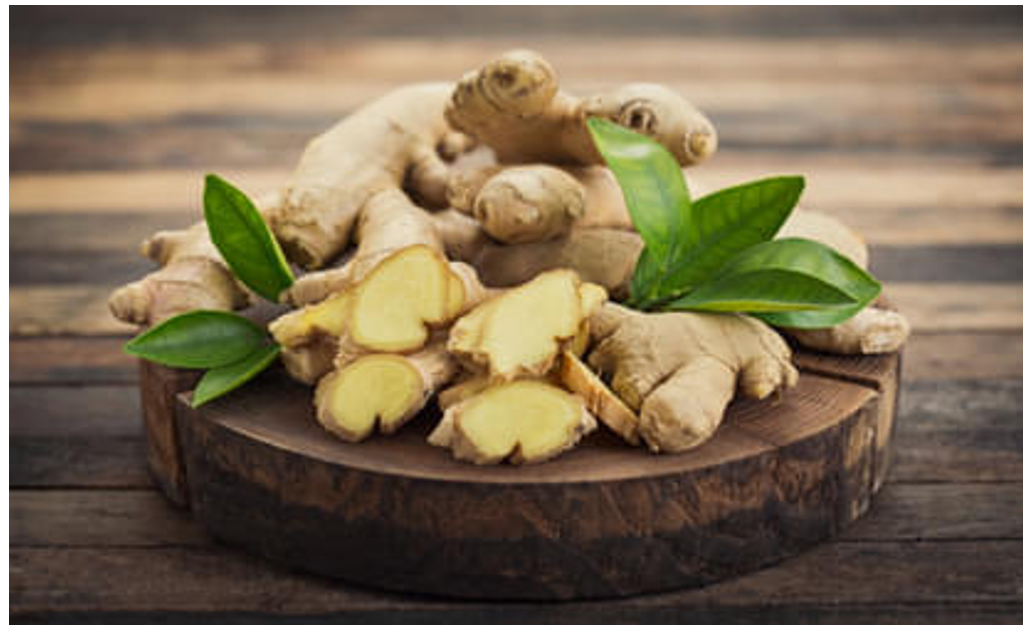
Ginger: Metabolism, Heart, and Immunity
Ginger is a powerful root that aids digestion, speeds up metabolism, and supports weight loss. Ginger tea, combined with spices like hing, carum seeds, and mint, can improve digestion, reduce gastric discomfort, and enhance nutrient absorption.
Fresh ginger can also provide emergency relief during angina attacks. Chewing a few inches of fresh ginger increases the chances of surviving heart-related emergencies until medical help arrives. Additionally, ginger improves breath, clears sinuses, boosts immunity, and exhibits anti-cancer properties against colon, breast, lung, ovarian, and pancreatic cancers.
Cloves: Anti-inflammatory and Oral Health Benefits
Cloves are packed with eugenol and manganese, offering anti-inflammatory and antimicrobial properties. Clove oil provides relief from arthritis, inflammation, toothaches, sore gums, and mouth ulcers. It also aids digestion, alleviating bloating, gastric irritability, and nausea.
Incorporating cloves into daily meals or using their oil topically can strengthen bones, improve oral health, and manage pain naturally.
The Medicinal Power of Cloves and Traditional Indian Spices
Among the most common spices in Indian cuisine, cloves stand out for their potent antimicrobial, anti-inflammatory, and analgesic properties. Traditionally, our parents would advise chewing two or three cloves directly on the affected tooth or gum when suffering from a toothache or mouth ulcer. The essential oils released from fresh cloves mix with saliva and provide immediate relief from pain, sore gums, and oral infections.
Cloves are also beneficial for digestion, supporting gut health, reducing bloating, and promoting overall wellness. While clove oil is readily available and effective, chewing fresh cloves or using powdered cloves in meals is often the most natural and convenient remedy.
Combining Spices for Maximum Health Benefits
Many traditional Indian dishes use garam masala, a mixture of multiple spices, which is not only flavorful but also medicinal. Garam masala typically contains a combination of cloves, cumin, fennel, carum seeds, black pepper, star anise, and other herbs, each with unique health-promoting properties.
Using a blend of these spices in vegetables, curries, or proteins enhances digestion, boosts immunity, and strengthens metabolism. While each spice has its own benefits when used alone, combining them—as in garam masala—ensures that you receive a synergistic effect, making meals both flavorful and medicinal.
How to Use Spices Effectively
Spices can be consumed in multiple ways depending on the type and purpose:
- Chewing raw: Some spices, like fennel or soft cumin seeds, can be chewed directly to relieve digestive discomfort or improve gut health.
- Powdered form: Harder spices, such as black pepper, can be powdered and sprinkled over vegetables, salads, or fruits.
- Cooked in food: Most spices retain their medicinal properties even after cooking. Adding spices during meal preparation enhances flavor while promoting digestion and nutrient absorption.
- Infusions or teas: Certain spices like ginger, saffron, and fenugreek can be boiled in water to prepare teas or infusions, providing both therapeutic and comforting effects.
The key is to use spices regularly and appropriately, either individually or as a combination, to maximize health benefits while keeping meals tasty.
Traditional Wisdom in Everyday Cuisine
Indian culinary practices have long recognized the healing power of spices. For example, star anise and other lesser-known herbs are commonly incorporated into meals for both flavor and health. By following traditional practices, such as adding a spice blend to curries or preparing infusions, we can maintain digestive health, improve metabolism, and prevent illnesses naturally.
Spices are not just flavoring agents—they are hidden gems of our culture. Regular use of these herbs can help improve immunity, support cardiovascular and digestive health, aid in weight management, and even enhance mental well-being.
In conclusion, whether used individually or in combination, cloves and other traditional Indian spices are powerful allies for maintaining health. Incorporating these spices into your daily diet honors the wisdom of our ancestors and brings measurable benefits for both body and mind. From chewing cloves for toothache relief to adding garam masala for holistic nutrition, these time-tested remedies remain relevant in modern life.
How to Use Spices for Maximum Health Benefits
Spices are not just flavoring agents—they are powerful medicinal tools that have been used in traditional Indian cuisine for centuries. Whether cooked or raw, these herbs and spices provide a wide range of health benefits, from improving digestion to boosting immunity and preventing chronic illnesses.
Raw vs. Cooked Spices
Many spices, such as cumin (jeera) and fenugreek seeds (methidana), can be consumed in their raw form for maximum medicinal benefit. For example:
- Raw consumption: Eating raw cumin or soaked fenugreek seeds releases their full potential, including digestive fibers and active compounds. Chewing these seeds can aid digestion, regulate blood sugar, and improve metabolism.
- Cooked form: While cooking may slightly reduce the potency of certain compounds, incorporating spices into vegetables, curries, or teas still provides significant health benefits. For those who cannot consume raw spices directly, adding them to cooked dishes is far better than not consuming them at all.
Soaking hard seeds like fenugreek overnight before consuming them ensures easier digestion while preserving fiber and nutrients.
Individual or Combined Usage
Spices can be used alone or in combination, depending on preference and health goals:
- Single spices are most potent when used alone for medicinal purposes.
- Combined spices—as in garam masala or spice blends—are equally beneficial, as they enhance digestion, stimulate digestive juices, and provide a synergistic effect on the body.
In traditional Indian cuisine, spices are often used in mixtures in vegetables, curries, or even teas, maximizing both flavor and therapeutic value.
Adapting Spices to Your Body
It’s important to remember that not all spices suit everyone. Individual responses depend on factors like age, body type, and digestive capacity. For example:
- Someone with sensitive digestion may need lighter doses or cooked forms of spices.
- Older adults or those with chronic conditions may benefit from specific spices in raw form for medicinal purposes.
While it’s tempting to create a “weekly spice chart,” there is no universal prescription. Instead, spices should be recommended based on personal needs, body constitution, and availability. Practitioners can guide individuals on which spices to use raw, which to cook, and how to combine them for optimal health outcomes.
Regional and Seasonal Considerations
The use of spices is also influenced by climate and local traditions:
- In hotter regions, such as the Middle East, lighter, less-spiced meals are preferred to suit the climate.
- In India, with its diverse seasonal variations, meals often include slightly spicier preparations, which support digestion and overall health.
Adhering to seasonal, regional, and cultural practices ensures that the body receives the best benefits from spices while maintaining balance and comfort.
Using Spices and Herbs as Natural Remedies
In many parts of the world, dietary habits differ significantly, influencing how spices and herbs can be used effectively for health. For instance, many patients from Saudi Arabia primarily consume non-vegetarian foods and are less familiar with certain vegetables. Their meals are often heavy and packed with proteins and fats, which can affect gut health. In such cases, not all spices are suitable. For example, fenugreek seeds (auine) may be too strong for their digestion, whereas soft spices like ginger and cumin are gentle on the stomach and well-tolerated.
The key principle is that spices should be used as medicinal herbs: they can act as natural remedies to support health, complementing, but not replacing, modern treatments when needed.
Uric Acid Management
High uric acid is a common issue linked to gout, rheumatoid arthritis, and renal disorders. Addressing the root cause is crucial, but dietary interventions can help manage and reduce uric acid levels:
- Alkaline fluids: Coconut water, ash gourd juice, and regular water form 60% of your daily intake to help flush out uric acid crystals.
- High-fiber diet: Fruits, vegetables, and alkaline foods support detoxification and reduce deposition in joints.
- Exercise and movement: Physical activity is essential to mobilize uric acid deposits in areas like knees and ankles.
- Herbal support: Herbs such as dalia, wheatgrass, and alfalfa can be used as complementary remedies.
These natural approaches, combined with lifestyle management, can significantly reduce uric acid accumulation and support joint health.
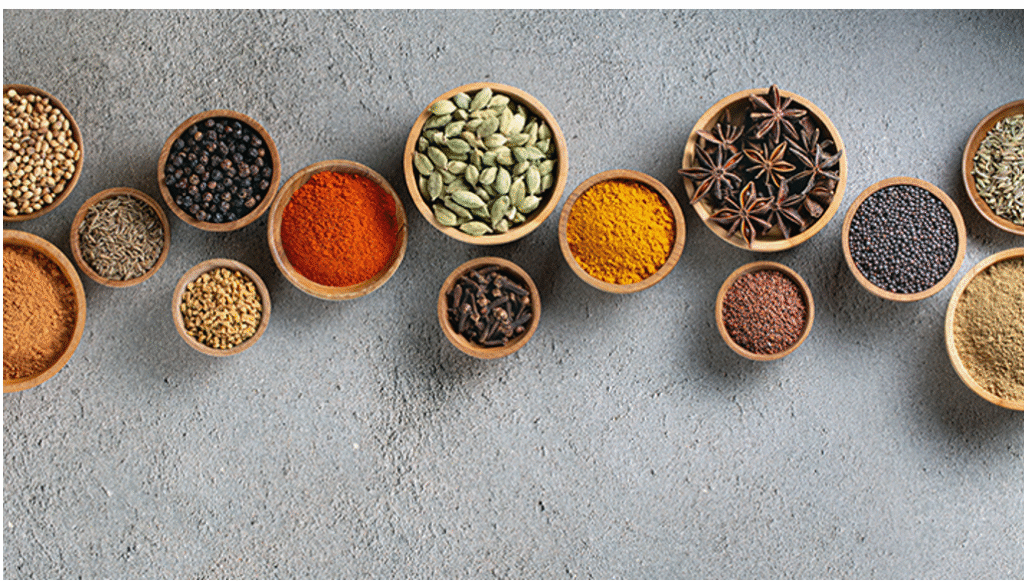
Spices for Skin Health
Certain spices are particularly effective in improving skin health:
- Saffron: Promotes radiant, glowing skin and helps reduce pigmentation.
- Turmeric (haldi): Anti-inflammatory and antioxidant properties help combat skin aging and blemishes.
- Soft spices like ginger: Enhance blood circulation and support overall skin vitality.
Using these spices regularly, either in food, teas, or face packs, can enhance skin texture, brightness, and overall health.
Practical Advice for Spice Usage
- Raw vs. cooked: Spices can be consumed raw, soaked, or cooked. Raw forms often retain more medicinal properties, but cooked spices are still beneficial. For example, soaking cumin or fenugreek seeds before eating makes them easier to digest.
- Combination vs. single use: Spices can be taken alone for maximum potency or combined in blends such as garam masala. Blends can provide synergistic benefits for digestion, immunity, and overall wellness.
- Cultural adaptation: Food and spice choices should respect regional, seasonal, and cultural practices. In hotter climates, lighter, less-spiced meals may be preferable, while in temperate regions, more aromatic and spiced foods are suitable.
Enhancing Your Health Knowledge with Saffron Organic Products
For students and health enthusiasts, continuous learning beyond textbooks is essential. Following reliable sources like Saffron4Health’s Instagram, YouTube, and other social media channels can provide small but significant health tips that make a real difference in daily life. Health is more than the absence of disease—it also includes mental peace, happiness, and overall well-being. A holistic approach combines physical health, emotional balance, and lifestyle practices.
As naturopathy students or future practitioners, staying updated with authentic tips and practical knowledge is invaluable. Insights from daily practice and over 18 years of experience in naturopathy, combined with real-life applications, ensure that these tips are both safe and effective. Students are encouraged to ask questions, clarify doubts, and use these learnings to enhance their personal and professional growth.
Trusting Organic Products
When it comes to organic products, confidence in quality and safety is essential. Saffron4Health offers over 250 organically cultivated products sourced from their own agricultural land. Each product undergoes strict lab testing to ensure purity, effectiveness, and safety.
Saffron4Health has been operating since 1969 and specializes in organic farming, ensuring that all products meet the highest standards. These products are designed to support health naturally, offering significant benefits without any side effects.
Students and consumers can verify product authenticity and details through the official website or by contacting the marketing and support team. Direct communication allows for clarification of any doubts and ensures trust in the products being used.
Practical Advice
- Stay connected: Follow Saffron4Health on social media for tips, guidance, and updates on organic products.
- Ask questions: Students and consumers are encouraged to reach out for personalized advice on naturopathy and product usage.
- Order with confidence: All Saffron products are organic, lab-tested, and safe, ensuring reliable results for health and wellness.
- Holistic health approach: Remember that true health includes physical well-being, emotional balance, and a happy mindset.
By integrating these practices, students can strengthen their knowledge, apply naturopathy principles effectively, and prepare to become future leaders in natural health care.
Conclusion: The Timeless Importance of Spices in Everyday Health
In conclusion, spices are far more than simple flavoring agents added to food—they are an inseparable part of our cultural heritage, traditional wisdom, and daily healthcare system. From ancient Indian kitchens to modern naturopathy practices, spices have consistently played a central role in maintaining health, preventing disease, and enhancing overall well-being. Staying healthy is not limited to exercise routines or medical treatments; it begins with mindful eating, and spices form the foundation of this approach.
Indian and Asian food traditions have always treated spices as essential, not optional. A meal without spices feels incomplete because spices bring life, warmth, aroma, and balance to food. Turmeric, cumin, coriander, ginger, garlic, fennel, carom seeds, curry leaves, and black pepper are not merely taste enhancers—they are functional foods that work silently and effectively within the body. Their regular inclusion in meals ensures that the body receives continuous, gentle support for digestion, metabolism, immunity, and vitality.
One of the most significant contributions of spices is their role in digestive health. In naturopathy, digestion is considered the root of health, as most diseases originate from digestive imbalance. Spices stimulate digestive enzymes, improve appetite, reduce gas and bloating, enhance nutrient absorption, and maintain gut harmony. When digestion is strong, the body naturally resists disease, and energy levels remain stable. This ancient understanding aligns perfectly with modern scientific emphasis on gut health, proving the timeless relevance of traditional knowledge.
Our ancestors demonstrated remarkable wisdom by incorporating spices into daily cooking rather than consuming them separately in large quantities. This ensured consistent intake in safe and beneficial amounts. Such a practice highlights the preventive nature of traditional diets, where food itself acted as medicine. The saying “Food is medicine” finds its truest meaning in the intelligent use of spices, which support the body naturally without creating dependency or harmful side effects.
Spices also hold immense medicinal value. When viewed as herbs, their therapeutic potential becomes even clearer. Many common health issues—such as indigestion, colds, inflammation, weak immunity, and metabolic disturbances—can be effectively managed with simple kitchen remedies. For naturopathy practitioners and students, spices serve as powerful, accessible tools for healing. They allow healthcare to remain natural, affordable, and rooted in everyday life, strengthening the bond between nature and human health.
Beyond physical health, spices have a profound impact on mental and emotional well-being. Their aroma, taste, and warmth influence mood, reduce stress, and create a sense of comfort and satisfaction. The fragrance of spices during cooking fills the home with positivity, evoking feelings of security, nourishment, and tradition. Food prepared with spices and mindful intention nourishes not only the body but also the mind and soul, promoting emotional balance and inner harmony.
In the modern world, where processed foods and artificial flavors dominate diets, reconnecting with traditional spices is more important than ever. Spices remind us to slow down, cook consciously, and respect the natural rhythms of the body. They encourage a holistic approach to health—one that addresses physical strength, digestive balance, mental clarity, and emotional peace together.
Ultimately, spices represent the perfect union of taste, tradition, and therapy. They are a priceless gift passed down through generations, carrying the wisdom of nature and the science of life within them. By honoring and using spices correctly in our daily meals, we do not merely improve the flavor of our food—we invest in lifelong health, preventive care, and holistic well-being. Embracing spices is, therefore, not just a culinary choice but a conscious step toward a healthier, more balanced, and harmonious life.