
Part 5 : Naturopathy-based tips to Support Mental Health Recovery
Natural Recovery from Mental Disturbances
A Holistic Naturopathy-Based Approach to Healing Mind and Body
Introduction: Why Natural Healing Is the Need of the Hour
In today’s world, mental health challenges are increasing rapidly. Stress, anxiety, confusion, emotional imbalance, and behavioral disturbances have become common across all age groups. While counseling and medication are widely promoted solutions, they are not always accessible, affordable, or sustainable for everyone.
Many individuals find themselves stuck between two extremes: either waiting endlessly for counseling appointments or consuming medicines for long durations. Both approaches come with their own limitations—financial burden, physical side effects, mental dependency, and emotional fatigue.
This is where natural healing and naturopathy-based living emerge as powerful, practical, and sustainable alternatives. Natural methods do not demand long waiting periods, expensive sessions, or lifelong medication. Instead, they empower individuals to understand themselves, correct the root cause, and initiate recovery from within.
Limitations of Long-Term Counseling and Medication
Counseling can be helpful, especially in acute or severe conditions. However, it is important to understand its practical limitations.

Financial and Emotional Burden
Counseling is not a one-time process. Each session involves payment, and multiple sessions are often required. For many individuals and families, this becomes an ongoing financial burden. Additionally, repeated sessions can be emotionally draining. Sitting repeatedly and revisiting painful experiences can sometimes deepen distress instead of relieving it.
Repetition Without Resolution
A common observation is that after two or three counseling sessions, patients often feel that no new guidance is being provided. Advice may become repetitive:
- Do this
- Do that
- Change your thinking
- Be positive
While well-intentioned, such repeated instructions may not always translate into real-life transformation. If inner changes do not occur, the person may feel helpless, frustrated, and even guilty for not improving.
Medication: Temporary Relief, Long-Term Side Effects
Long-term use of psychiatric medicines may lead to:
- Physical side effects
- Mental dullness
- Dependency
- Reduced natural coping ability
Moreover, medicines often suppress symptoms rather than resolving the root cause. Over time, both mental and physical health may be affected.
The Need for Natural and Self-Empowering Solutions
Natural healing approaches focus on restoring balance, not suppressing symptoms. When practiced correctly, they can bring the body and mind into recovery mode and even reversal mode.
The first step is self-awareness.
Before asking what medicine to take or which therapy to follow, one must ask:
- What caused this disturbance?
- Why am I experiencing mental imbalance?
- What are my symptoms?
- What are my lifestyle patterns?
- What are my excesses and deficiencies?
- How do my actions create reactions in my body and mind?
Without understanding this personal history, no therapy can be truly effective.
Mental Health Is Individual-Centered, Not One-Size-Fits-All
Mental health conditions vary greatly from person to person.
Just as:
- Five fingers are not identical
- Five individuals can never have the same mental state
Mental health is influenced by:
- Age
- Gender
- Emotional maturity
- Life situation
- Environment
- Surroundings
- Physical health
- Past experiences
Because of these variations, a single therapy can never work for everyone. Each individual requires personalized understanding and tailored lifestyle changes.
This is a core principle of naturopathy and Ayurveda.
Naturopathy: Returning Back to Nature
At the heart of naturopathy lies one simple philosophy:
“Back to Nature.”
Human beings are not separate from nature—we are made from it.

According to ancient health sciences:
- The human body is composed of five elements
- Earth
- Water
- Fire
- Air
- Space (Sky)
Even after death, the body merges back into these five elements.
If the body is formed by nature, then nature itself must be capable of healing it.
Healing Through the Five Elements
Naturopathy uses the same five elements to restore balance:
- Earth: Food, mud therapy, grounding
- Water: Hydrotherapy, fasting, hydration
- Fire: Sunlight, metabolism, digestive fire
- Air: Breathing exercises, fresh air exposure
- Space: Silence, meditation, mental clarity
Through consistent and mindful use of these elements, reversal of disease becomes possible.
The process does not require miracles—only:
- Patience
- Daily effort
- Consistency
- Trust in natural laws
Root Cause of Most Mental Disturbances: Digestive Fire
According to Ayurveda, most diseases—especially mental disturbances—begin with weakened digestive fire (Agni).
When digestive fire becomes dull:
- Indigestion develops
- Metabolic rate slows down
- Gas and acidity increase
- Appetite reduces
This chain reaction does not stop at digestion—it spreads to the mind.
How Digestive Imbalance Affects Mental Health
When digestion is disturbed, the following symptoms often appear:
Physical Effects
- Hyperacidity
- Gas and bloating
- Fatigue
- Poor sleep
Mental and Emotional Effects
- Disturbed sleep patterns
- Mental distraction
- Reduced concentration
- Poor decision-making ability
- Confusion
- Irritability
- Short temper
- Anger issues
These symptoms directly impact:
- Education
- Work performance
- Family relationships
- Social interactions
Thus, what appears as a “mental problem” often has its roots in digestive and lifestyle imbalance.
From Indigestion to Emotional Instability

When digestion is weak:
- Toxins accumulate in the body
- These toxins affect the nervous system
- The brain becomes overstimulated or undernourished
As a result:
- Emotional reactions increase
- Patience decreases
- Logical thinking weakens
This is why individuals with digestive disturbances often experience anxiety, anger, and emotional instability.
Day-to-Day Natural Practices for Recovery
Natural healing does not depend on rare or complicated techniques. It depends on daily, real-life actions.
Some key principles include:
- Eating light, easily digestible food
- Eating at fixed times
- Avoiding overeating
- Improving sleep hygiene
- Spending time in natural sunlight
- Practicing conscious breathing
- Maintaining physical activity
Small daily changes, when practiced consistently, bring profound transformation.
Mental Healing Requires Time and Compassion
Natural recovery is not instant—but it is permanent.
Unlike medicines that act quickly but temporarily, natural healing works gradually by rebuilding the system from within.
It requires:
- Patience with oneself
- Compassion toward one’s journey
- Commitment to lifestyle correction
Healing is not about fighting the body or mind—it is about supporting them.
Why Awareness Is the First Medicine
The moment a person realizes:
- “Something is wrong”
- “I need to improve”
- “I must change my lifestyle”
That moment itself becomes the beginning of healing.
There is no better time than now.
Waiting for the “right time” often delays recovery. Every new understanding brings an opportunity for immediate action.
Conclusion: Healing Is Possible, Naturally
Mental health challenges are not a life sentence. They are signals—messages from the body and mind asking for attention, balance, and care.
By understanding:
- The root cause
- Individual differences
- Digestive health
- Lifestyle patterns
- Natural elements
One can initiate recovery without excessive dependency on counseling or medication.
Natural healing empowers individuals to take control of their own health—physically, mentally, emotionally, and energetically.
With patience, discipline, and awareness, true and lasting mental well-being is achievable.
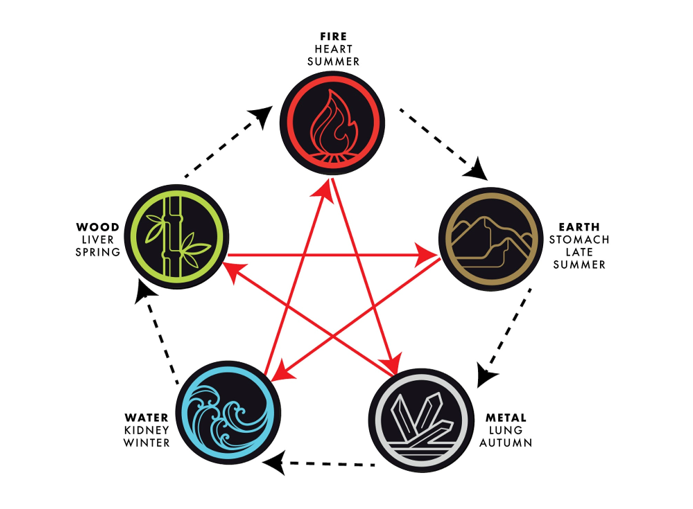
Balancing the Five Elements:
A Natural Path to Physical, Mental, and Emotional Healing
Introduction: The Foundation of True Health
In the journey toward complete health, the most crucial factor is balance—especially the balance of the five elements within the body. According to naturopathy and ancient Indian health sciences, the harmony of these five elements—earth, water, fire, air, and space—is the core foundation of physical vitality, mental stability, and emotional well-being.
When these elements remain balanced, the body functions efficiently, the mind stays calm, and the emotions remain stable. In fact, by restoring balance to these elements alone, nearly 60 to 70 percent of health issues can be corrected naturally and often quite quickly.
This article explains how simple, natural, and practical lifestyle changes—rooted in traditional wisdom and supported by scientific understanding—can help restore this balance and initiate healing from within.
Why Balancing the Five Elements Is So Important
The human body is not separate from nature; it is a direct extension of it. Every cell, tissue, and organ in the body is composed of the five elements. When any one element becomes excessive or deficient, imbalance arises, leading to discomfort, disease, or mental disturbance.
Modern life has pushed humans away from nature. Artificial schedules, processed food, lack of sunlight, irregular sleep, and mental stress have disrupted this natural balance. Restoring harmony with nature is therefore not optional—it is essential.
The First Step to Healing: Cleansing the Digestive System
Among all natural healing methods, cleansing the stomach and digestive system holds the highest importance.

According to Ayurveda:
“If the stomach is clean, diseases automatically begin to disappear.”
Since human beings cannot survive without food, digestion becomes the central pillar of health. If digestion is weak or polluted, toxins accumulate, energy levels drop, and both physical and mental health suffer.
Therefore, the first and most important step toward balancing the five elements is digestive cleansing.
Importance of Colon and Digestive Cleansing
Colon cleansing plays a vital role in naturopathy. When waste material remains stuck in the intestines:
- Energy levels drop
- The body feels heavy
- The mind becomes dull
- Decision-making power weakens
A person with an unclean digestive system often feels:
- Confused
- Lethargic
- Unable to think clearly
- Mentally blocked
Natural methods such as:
- Water therapy
- Enema (under guidance)
- Herbal support like Triphala
- Light fasting
can help cleanse the system safely and effectively.
Once the stomach is clean:
- The body feels fresh
- Energy levels increase
- Mental clarity improves
- Motivation returns
This clearly shows how physical health directly supports mental balance.
Digestive Health and Mental Health Are Interconnected
A healthy digestive system ensures:
- Proper absorption of nutrients
- Balanced secretion of digestive enzymes
- Healthy metabolism
When digestion works efficiently:
- The nervous system remains calm
- Hormonal balance improves
- Mental stress reduces
This is why digestive correction is the foundation of mental health management in naturopathy.

The Role of Exercise in Natural Healing
Once the body feels lighter and more energetic after cleansing, the next essential step is exercise.
Out of 24 hours in a day, dedicating even 20–30 minutes to physical activity can create a powerful transformation.
The human body is like a machine. Just as machines require:
- Oiling
- Maintenance
- Regular movement
the human body also needs daily movement to function smoothly and efficiently.
Exercise ensures:
- Smooth joint movement
- Healthy muscle tone
- Proper blood circulation
- Efficient oxygen supply
How Exercise Supports Internal Balance
Regular exercise:
- Energizes the body
- Activates all organs and systems
- Improves hormonal secretions
- Enhances digestion of proteins and fats
When fat digestion improves:
- Obesity reduces naturally
- Metabolic disorders decrease
Exercise also helps:
- Control insulin levels
- Regulate blood sugar
- Maintain healthy blood pressure
Most importantly, it prevents:
- Hyperactivity of the nervous system
- Excess anxiety
- Mental restlessness
All these benefits arise from simple, natural daily movement.
Exercise as a Natural Medicine
Unlike artificial stimulants or medicines, exercise:
- Has no side effects
- Improves physical strength
- Enhances mental stability
- Boosts emotional resilience
That is why daily exercise is considered a natural medicine rather than just a fitness activity.
Back to Nature: Living in Harmony with Natural Forces
Modern life has become extremely fast-paced. People leave home early in the morning and return late at night. Most travel:
- In closed vehicles
- Under artificial lighting
- Without fresh air or sunlight
As a result:
- Exposure to natural sunlight is minimal
- Breathing becomes shallow
- The body loses connection with nature
This lifestyle creates long-term physical and mental imbalances.
Importance of Sunlight in Human Health
Sunlight is one of the most powerful natural healers.
In ancient Indian culture, people:
- Woke up early
- Faced the rising sun
- Offered water to the Sun
This practice was not just a ritual—it was deeply scientific.
Morning sunlight:
- Purifies the body
- Kills harmful bacteria
- Activates metabolism
- Energizes the nervous system
Vitamin D3: The Sunshine Nutrient
Today, vitamin D3 deficiency is extremely common—even in sunny regions.
Natural sunlight is the best and most effective source of vitamin D3, which is essential for:
- Bone strength
- Muscle health
- Brain function
- Memory and cognition
Vitamin D3 also plays a critical role in:
- Emotional stability
- Physical growth
- Mental development
Deficiency can lead to fatigue, depression, weak immunity, and poor concentration.
Sunlight and Mental Growth
Exposure to morning sunlight improves:
- Mood
- Alertness
- Sleep-wake cycle
It also regulates the body’s internal clock, helping maintain a natural routine.
This balance supports both physical and mental growth.

Surya Namaskar: Union of Movement, Breath, and Sun Energy
One of the most powerful natural practices combining exercise and sunlight is Surya Namaskar.
Surya Namaskar:
- Synchronizes body movement with breathing
- Activates all major muscle groups
- Stimulates internal organs
- Enhances circulation and digestion
It also allows the body to absorb solar energy efficiently.
Practicing Surya Namaskar in the morning sunlight:
- Energizes the entire system
- Improves flexibility and strength
- Enhances mental clarity
Integration of Natural Elements Through Daily Living
By following simple daily practices:
- Cleansing the digestive system
- Exercising regularly
- Getting sunlight exposure
- Breathing fresh air
- Staying connected with nature
one can naturally balance the five elements within the body.
This balance:
- Prevents disease
- Strengthens immunity
- Stabilizes emotions
- Sharpens mental clarity
Healing Does Not Require Complexity
Natural healing is simple, but it requires consistency.
It does not demand:
- Expensive treatments
- Complicated therapies
- Long-term medication
It demands:
- Awareness
- Discipline
- Daily effort
- Patience
Nature Is the Greatest Healer
Balancing the five elements is not an ancient concept meant only for textbooks—it is a practical lifestyle solution for modern health problems.
By cleansing the body, nourishing digestion, exercising daily, absorbing sunlight, and reconnecting with nature, a person can:
- Restore physical health
- Stabilize mental health
- Achieve emotional balance
True healing begins when we stop fighting our body and start supporting it naturally.
When lived correctly, nature does not just heal—it transforms.
Holistic Lifestyle Practices for Physical, Mental, and Emotional Well-Being
A Naturopathy-Based Scientific and Traditional Perspective
Introduction
In today’s fast-paced and highly artificial world, human beings are increasingly disconnected from nature, their own bodies, and their inner balance. This disconnect is one of the major reasons behind the rising prevalence of lifestyle disorders, mental health challenges, emotional instability, and chronic diseases.
Naturopathy and traditional health sciences have always emphasized living in harmony with nature, following a balanced lifestyle, and respecting the natural rhythms of the body. Long before modern science began researching gut health, mental health, detoxification, or circadian rhythms, ancient Indian scriptures such as the Charaka Samhita, Vagbhata Samhita, and the Vedas had already explained these principles in detail.
This article aims to explain—scientifically and practically—how exercise, breathing, food habits, seasonal living, emotional balance, detoxification, and self-discipline together form the foundation of holistic health, especially mental well-being.
Exercise as a Complete Therapy: Movement, Breath, and Energy
Exercise is not merely about burning calories or building muscles. In naturopathy, exercise is considered a complete therapy—one that integrates movement, breathing, circulation, and energy flow.
One such powerful practice is Surya Namaskar (Sun Salutation). It is not just an exercise but a holistic system consisting of 12 sequential postures, each connected with inhalation and exhalation. These movements ensure that the entire body participates, from the muscles and joints to the internal organs and nervous system.
When practiced correctly:
- The whole body moves in a coordinated manner
- Breathing becomes rhythmic and conscious
- Oxygen intake improves
- Blood circulation increases
This combination automatically becomes a form of Air Therapy, one of the five natural elements (Panchamahabhuta).

Scientific Benefits of Breathing-Based Exercise
From a scientific perspective, breathing-based exercises such as Surya Namaskar help in:
- Purification of blood
- Improvement in oxygen saturation
- Normalization of hemoglobin levels
- Activation of brain cells
- Better glucose and oxygen supply to the brain
When the brain receives adequate oxygen and glucose, it becomes more alert, active, and balanced. This directly impacts:
- Concentration
- Memory
- Emotional regulation
- Stress management
The most beautiful aspect of this therapy is that it costs nothing. Without spending money on equipment or supplements, one can gain numerous physical and mental health benefits simply by following a disciplined routine.
The Role of Food: You Cannot Live Without Eating
No matter how advanced medical science becomes, one truth remains unchanged: without food, life cannot sustain. However, the quality, timing, and type of food play a crucial role in determining health or disease.
Naturopathy strongly emphasizes:
- Eating according to one’s constitution
- Following a routine
- Consuming Sattvic food
- Respecting seasonal and regional availability
Food is not merely fuel; it is information for the body.
Seasonal and Regional Eating: Nature’s Intelligence
Nature provides exactly what the body needs at a particular time and place. This is why seasonal and regional food is always the most suitable for human health.
For example:
- In Southern India, rice is the staple food
- In Northern India, maize (corn), mustard greens, and beetroot are common
- In Western India (Maharashtra and Gujarat), foods made from jowar, bajra, and ragi are traditionally consumed
These foods grow naturally in those regions and climates, making them ideal for digestion and assimilation.
When we eat food that grows in our own geographical location and season, the body accepts it naturally and functions efficiently.

Traditional Food Is the Key to Long-Term Health
Traditional food systems evolved through centuries of observation, experience, and wisdom. They were designed to:
- Maintain digestive strength
- Balance hormones
- Support mental stability
- Prevent chronic illness
Modern lifestyles have caused people to abandon traditional diets in favor of processed, packaged, and trend-based foods. This shift has significantly contributed to digestive disorders, mental health issues, and metabolic diseases.
Sticking to traditional food does not mean restriction. It means respecting balance.
Taste, Cravings, and Emotional Balance
Taste is not the enemy. Suppressing cravings completely can be harmful.
Just like a rubber band breaks when stretched too tightly, the human mind also reacts negatively when deprived excessively. Occasional indulgence is necessary for:
- Emotional satisfaction
- Hormonal balance
- Mental peace
Allowing yourself to enjoy food “once in a while” helps maintain a healthy relationship with eating and prevents binge behaviors.
This balance supports the proper functioning of serotonin and dopamine, the key hormones responsible for happiness, motivation, and emotional stability.
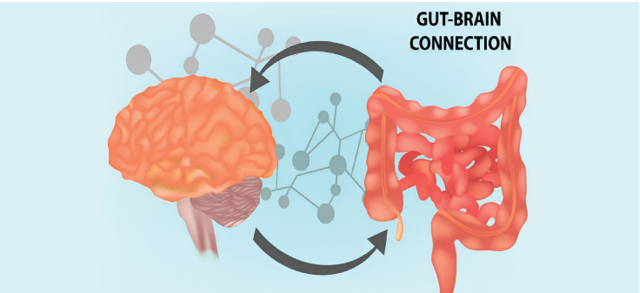
Gut–Brain Connection: Ancient Wisdom, Modern Science
Today, modern science strongly confirms the gut–brain connection, stating that digestive health directly affects mental health. Interestingly, this concept has existed in Indian scriptures for centuries.
Texts such as:
- Charaka Samhita
- Vagbhata Samhita
- Ayurvedic literature
- The Vedas
have clearly explained the relationship between digestion, mind, emotions, and disease.
Poor digestion leads to toxin formation, which affects:
- Brain function
- Mood
- Mental clarity
- Emotional balance
What science is “discovering” today was already known—but forgotten due to lack of awareness.
Importance of Routine and Discipline
A disciplined lifestyle is not restrictive; it is liberating.
Key principles include:
- Waking up on time
- Sleeping on time
- Eating at fixed hours
- Maintaining a daily routine
Life is not only about work and education. To truly live, one must live naturally. Constantly artificial habits disrupt biological rhythms and invite disease.
Every season brings change, and the body must adapt accordingly. Ignoring these changes leads to imbalance.
Detoxification: Body and Mind Both Need Cleansing
Detoxification is not limited to the body. The mind also accumulates toxins in the form of:
- Negativity
- Anger
- Stress
- Emotional overload
These toxins often originate from:
- Irregular lifestyle
- Poor dietary habits
- Excessive stimulation
- Mental suppression
When toxins accumulate, they affect:
- Brain health
- Mental stability
- Emotional responses
Regular detoxification—physical and mental—is essential for holistic health.
Do Not Copy Others: Individuality Matters
One of the biggest mistakes in modern society is copying others’ diets and lifestyles.
In the name of protein trends:
- Vegetarians feel pressured to eat non-vegetarian food
- People abandon their cultural eating habits
This is unnecessary and harmful.
Vegetarian diets naturally contain:
- High fiber
- Better digestibility
- Rich nutrient profiles
Non-vegetarian diets, when consumed excessively, often lead to:
- Increased acidity
- Lower alkaline balance
- Hyperactivity
- Reduced patience
This does not mean one must change their food identity. The key is to respect who you are and stay aligned with your culture.
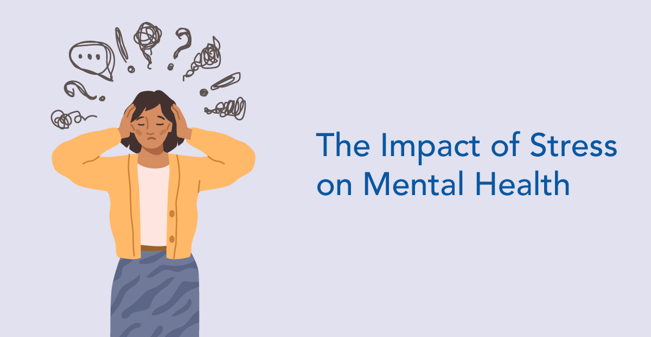
Lifestyle Imitation and Mental Disorders
Blindly following trends can disturb mental health. When individuals disconnect from their natural identity, they experience:
- Inner conflict
- Emotional instability
- Lifestyle disorders
Mental disorders often develop gradually due to:
- Body imbalance
- Emotional neglect
- Energy mismanagement
Mastery Over Body, Mind, Emotions, and Energy
True health is achieved when a person learns to manage:
- The body
- The mind
- Emotions
- Energy
This balance is the foundation of a disease-free life.
Especially in mental health, self-awareness is the first step. The moment you realize something needs improvement—that moment is the right time to act.
There is no “perfect time” in the future.
Seeking Help Is Strength, Not Weakness
If you feel:
- Confused
- Emotionally disturbed
- Mentally overwhelmed
Do not delay. Seek clarity, counseling, or consultation immediately.
Healing begins with awareness and willingness to change.