
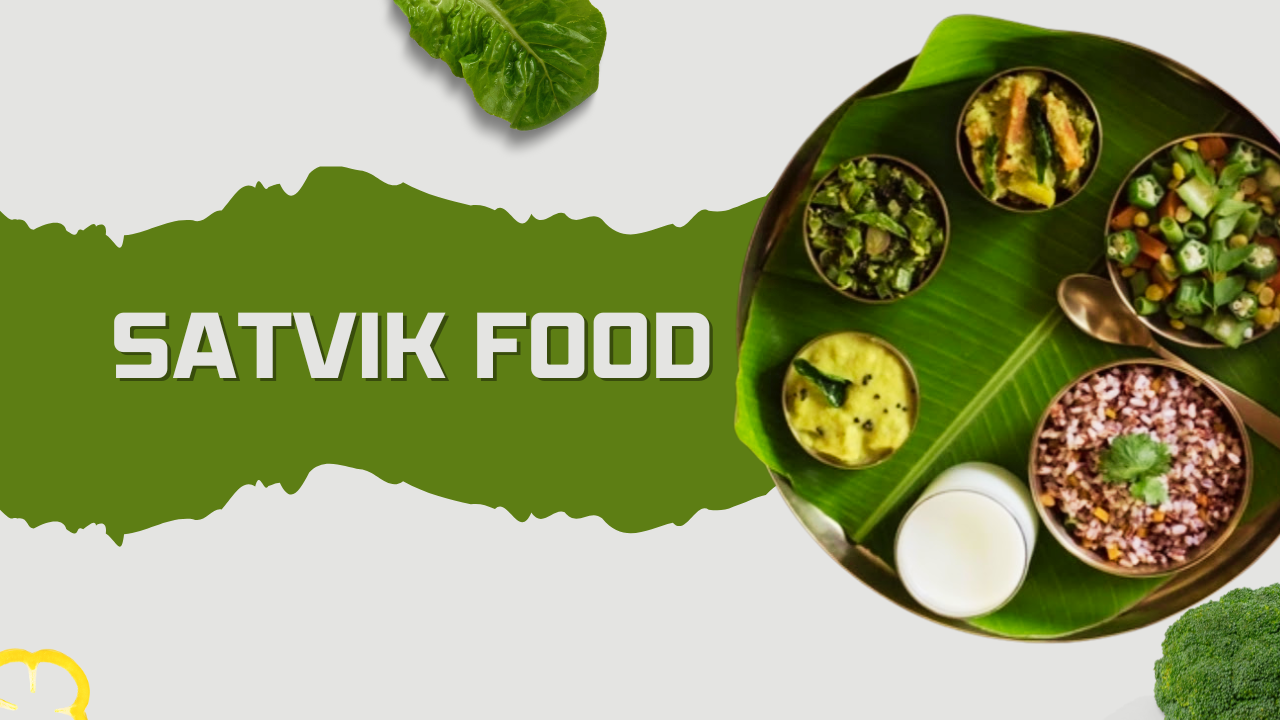
Satvik Food
Satvik Food and Lifestyle: A Path to Holistic Health
A warm welcome to everyone joining from different parts of the country. While Mumbai is experiencing intense heat, the northern regions are still shivering in the cold. This contrast itself reminds us of how seasonal changes affect our body and mind.
Traditionally, winter is considered the healthiest season of the year. Our ancestors believed that if one wants to stay healthy, one should simply enjoy the winter season and consume what nature offers during this time. During winter, the digestive fire (Agni) is at its peak. That is why across India, various traditional foods are prepared using herbs, spices, jaggery, ghee, and seasonal ingredients. These foods are not just meant for taste but are designed to boost immunity and strengthen the body from within.
Different regions of the country prepare special seasonal dishes that help enhance inner strength and vitality. The idea is simple—eat seasonal, local, and natural foods to maintain balance and health throughout the year.
Connection Between Winter and Satvik Lifestyle
Winter is closely related to the concept of Satvik food and lifestyle. This season offers an abundance of whole grains, green vegetables, colorful fruits, berries, and natural produce. Consuming these helps balance health for the rest of the year. This balanced and pure approach is known as Satvik living.
Before diving deeper into Satvik food, it is important to prepare the body and mind. Since many people feel cold and stiffness during winter, a simple box breathing technique can be extremely beneficial.
Box Breathing: A Simple Practice for Health
Box breathing is a powerful yet simple breathing technique that involves:
- Inhaling for 4 counts
- Holding the breath for 4 counts
- Exhaling for 4 counts
- Holding again for 4 counts
Practicing 3–4 cycles of box breathing helps:
- Strengthen digestive fire
- Boost immunity
- Improve lung capacity
- Calm the mind and brain
- Increase oxygen supply to the entire body
- Enhance energy levels and freshness
Even a few minutes of this practice daily can lead to noticeable changes. It supports detoxification, improves circulation, balances Surya and Chandra Nadi, and enhances the body’s natural healing power (Jeevani Shakti). It also positively impacts aura and mental clarity.
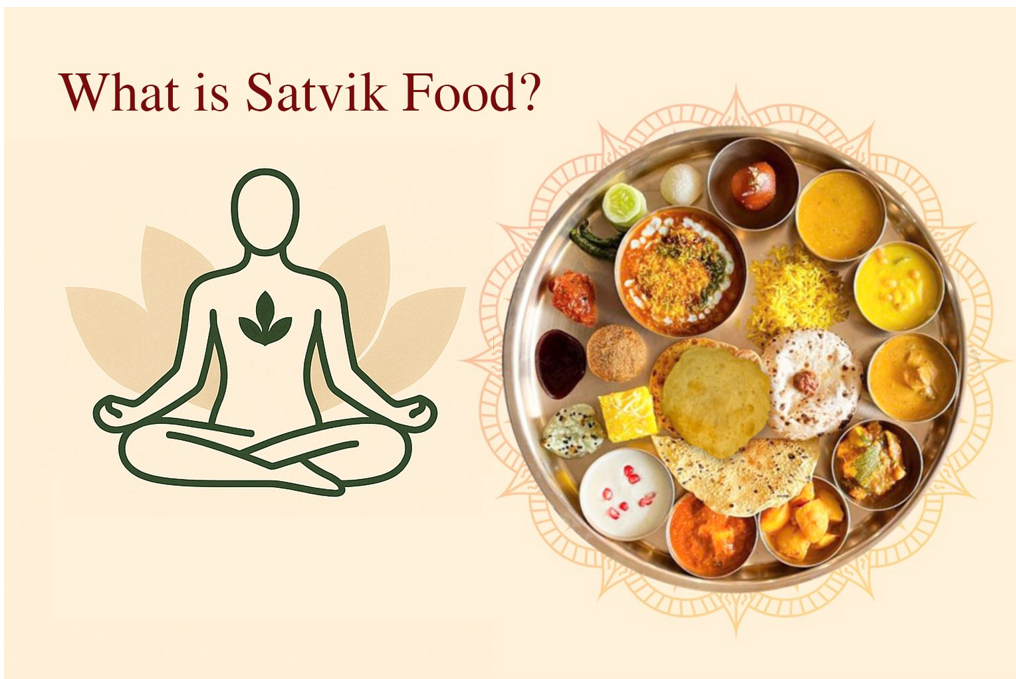
Understanding Satvik Food and Lifestyle
Satvik food is not just a type of diet—it is a complete lifestyle approach. In today’s fast-paced, stressful, and toxin-filled environment, adopting Satvik principles has become more important than ever. We are constantly exposed to environmental pollution, mental stress, anxiety, and irregular routines.
Satvik food is:
- Natural
- Peaceful
- Wholesome
- Fresh
- Nourishing
It is a complete meal in itself, requiring no artificial additions. When consumed regularly, it provides satisfaction not only to the body but also to the mind and soul.
Why Is There a Need to Return to Satvik Living?
The Satvik way of living is not new. It is deeply rooted in our culture and traditions. However, as life has become faster and more modern, we have slowly drifted away from our roots. Due to workload, stress, irregular schedules, and convenience, many people rely heavily on outside food and ready-to-eat meals.
Irregular eating habits, disturbed routines, and lack of mindful living have led to various lifestyle disorders. Therefore, there is an urgent need to return to natural living, even if only partially. Small changes—adding healthier foods and eliminating harmful habits—can make a big difference.
This approach is important for everyone, from newborns to the elderly. When roots are strong, the entire system remains strong.
Benefits of Satvik Food
Satvik food:
- Improves appetite naturally
- Enhances digestion and absorption
- Provides sustained energy
- Prevents bloating, acidity, laziness, and drowsiness
- Gives a deep sense of satisfaction after meals
Unlike processed or junk food, Satvik food is easy to digest and prepared using natural cooking methods. The grains, spices, and ingredients used are compatible with the human body and support optimal digestion.
Three Categories of Food According to Ancient Wisdom
Ancient texts classify food into three main categories:
- Rajasic Food
Rajasic food is rich, heavy, and stimulating. Traditionally consumed by kings and warriors, this food was designed to support intense physical activity.
Examples include:
- Foods cooked with excessive oil, ghee, and spices
- Rich sweets
- Heavy grain-based meals
- Certain non-vegetarian preparations
In today’s sedentary lifestyle, Rajasic food is often difficult to digest. A balanced approach is recommended—about 60% fiber-rich food and 40% cooked food.
- Tamasic Food
Tamasic food is considered the most harmful. It increases anxiety, stress, lethargy, and mental dullness. These foods disturb the body’s natural balance and raise Pitta levels, leading to inflammation and hormonal issues.
Examples include:
- Outside food
- Processed and packaged food
- Bakery items
- Artificially colored foods
- Ready-to-eat meals
Tamasic food acts as a brain blocker and weakens memory and concentration. It is strongly linked to modern lifestyle diseases.
One alarming consequence of Tamasic food is the rising rate of infertility, PCOS, hormonal imbalances, and reduced sperm count. Excess stress, poor diet, and lack of routine are major contributors.
Avoiding Tamasic food alone can help prevent or reverse nearly 80% of lifestyle-related diseases.
- Satvik Food
Satvik food supports clarity, calmness, digestion, immunity, and long-term health. It nourishes the body at all levels—physical, mental, and spiritual.
Satvik Food as Daily Medicine: Protecting Health Before It Is Lost
In today’s world, earning five or six digits may bring comfort and convenience, but once health is lost, no amount of money can truly restore it. Money may help manage illness, but it can never fully bring back lost vitality. Therefore, awareness about Tamasic food and conscious adoption of Satvik food as daily medicine is essential.
Satvik food is not boring or tasteless, as many people assume. If prepared thoughtfully, it can be colorful, flavorful, and enjoyable for the entire family—including children. The way Satvik food is prepared is entirely in our hands. It is easy to digest, rich in fiber, packed with nutrients, and extremely gut-friendly.
Modern science has now proven what ancient wisdom already knew: there is a deep and direct connection between the gut and the brain. This is why our culture always emphasized that “as you eat, so you become.” When you consume fresh, organic, and wholesome food, your state of mind becomes calm, balanced, and clear. Memory improves, decision-making becomes sharper, and emotional stability increases. Coolness of mind and inner balance are natural outcomes of Satvik eating.
Gut Health: The Root of All Healing
According to naturopathy, the root cause of almost every disease lies in the stomach and gut. Once digestion is disturbed, symptoms like bloating, gas, acidity, and indigestion begin. Over time, these acute issues gradually turn into chronic diseases.
Many people decide to adopt Satvik food only after falling sick. While transformation is always beneficial, the real question is—why wait? If we are already aware, then adopting Satvik principles from day one can prevent disease rather than treat it later.
What Is Satvik Food?
Satvik food includes everything that comes directly from nature in its natural, unprocessed form. Fruits, vegetables, grains, and legumes are naturally Satvik. Fruits, for example, do not require cooking. Most fruits can be consumed with their peels, which are rich in fiber and nutrients.
Concerns about pesticides are valid, but there are solutions. Naturally grown produce exposed to sunlight loses a significant portion of surface pesticides due to sun rays. Moreover, proper washing and soaking methods further reduce chemical residue.
Even without deep knowledge of Dosha imbalances, everyone can follow a basic principle—balance the three Doshas (Vata, Pitta, Kapha). Balanced Doshas ensure strong digestion, high immunity, and resilience against seasonal changes and diseases.
Three Simple Rules for Balancing Doshas

- Eat Living Food
Living food means food that is fresh and alive with prana (life energy). Most cooked food becomes “dead food” after about three hours. After this time, it begins to ferment and loses its vitality.
Ideally, food should be eaten freshly cooked, straight from the kitchen to the plate. In earlier times, this was a natural practice. Families cooked meals close to mealtime and ate together. This tradition existed partly because people completed their daily work before sunset and cooked food accordingly.
Today, due to work schedules, many households cook once and store food for multiple meals. This practice is one of the major contributors to digestive disorders and lifestyle diseases.
Ancient scriptures also emphasize this. In Bhagavad Gita (Chapter 17, Verse 10), it is clearly stated that food consumed after three hours becomes tasteless, fermented, and unsuitable for consumption. Such food increases Tamasic qualities and weakens digestion.
Whenever possible—especially for homemakers or those staying at home—fresh food should be prepared and consumed. This single change can significantly improve health.
- Eat Wholesome, Mostly Plant-Based Food
Wholesome food means food that comes directly from nature and contains all essential nutrients in balanced proportions. This does not mean rejecting non-vegetarian food completely. The key is to stick to your cultural and constitutional background.
If a person has been non-vegetarian by birth, their body may be adapted to digest such food. However, forcing non-vegetarian food—especially eggs and meat—onto traditionally vegetarian children in the name of protein is unnecessary and often harmful.
Plant-based protein sources are abundant and sufficient. Both vegetarian and non-vegetarian diets can be balanced when chosen wisely. Satvik living emphasizes plant-based foods but does not impose rigid rules—balance and suitability are key.
Nature provides seasonal and regional foods for a reason. During winter, green leafy vegetables, berries, and specific fruits are available because the body needs them at that time. Nature has far greater intelligence than we do, and following seasonal produce is the foundation of food as medicine.
Wholesome grains are equally important. Instead of refined wheat flour, whole wheat flour should be used without excessive straining. Even better, seasonal grains and millets such as bajra, barley, jowar, ragi, and other millets should be included.
Only one grain should be consumed at a time. Multigrain flour is a misconception and burdens digestion. The stomach releases specific enzymes for specific grains. Rotating grains daily provides variety and nutrition without digestive stress.
Millets like foxtail, barnyard, little millet, proso, and kodo millet can be consumed once or twice a day for energy. Traditionally, fasting days included non-grain foods like rajgira and singhara flour, which naturally supported digestion.
Instead of refined sugar, natural sweeteners such as dates, jaggery, and raw sugar should be used. All tastes—sweet, salty, bitter, pungent—are essential for balance. Jaggery, especially, is rich in iron, supports digestion, improves gut health, and strengthens bones when consumed in organic form.
Replacing polished white rice with unpolished or brown rice is another important step toward wholesome eating.
- Eat Water-Rich Food
The human body is made of nearly 70% fluids and 30% solids. Therefore, our diet should reflect the same ratio. Ideally, 60–70% of food intake should be water- and fiber-rich, while only 30–40% should be cooked food.
Water-rich foods include fruits, vegetables, salads, soups, juices, tender coconut water, and seasonal drinks like sugarcane juice. These foods hydrate the body, improve digestion, and support gut health.
Fiber acts as a protective barrier. It helps absorb nutrients efficiently and ensures smooth elimination of waste from the body. Without fiber, nutrients are lost and toxins accumulate.
Food choices should always respect season and region. What grows naturally in a particular area is best suited for the people living there. Mountain regions, coastal areas, and plains all have distinct traditional diets for a reason.
Balancing the Three Doshas: The Foundation of Fast Healing
In clinical practice, even without drastic dietary changes, balancing the three Doshas (Vata, Pitta, Kapha) can resolve nearly 50–60% of diseases and symptoms very quickly. This has been consistently observed in OPD practice. There is no need to frighten patients by asking them to completely change their diet overnight. Small, realistic adjustments within their existing routine are often enough to bring significant improvement.
Diet is not something separate or complicated. Diet simply means your daily routine food. Many people develop fear the moment they hear the word “diet,” assuming it involves strict rules and restrictions. In reality, following one’s traditional food habits in a balanced way itself becomes the best diet.
A Simple Satvik Daily Routine
A normal Satvik routine, when followed consistently, not only helps cure existing problems but also prevents diseases from developing in the first place.
Ideally, waking up during Brahma Muhurta (around 4:30 am) is recommended, though it may not be practical for everyone. Even waking up between 5:30 to 6:00 am is sufficient. After waking, the body needs time to cleanse and detoxify. Since the digestive system remains at rest during sleep, it is important to give the stomach at least two hours of rest before the first intake.
This is why the word breakfast literally means “breaking the fast.”
Morning Intake: Gentle Detoxification
The first intake of the day should be around 8:00 am. This can be:
- One glass (around 200 ml) of warm water
- A mild detox drink such as jeera water, soaked herb water, or any natural cleanser
Overconsumption of water in the morning is harmful and can burden the kidneys. One glass is sufficient.
After this, light activities such as yoga, walking, household work, or stretching can be done according to one’s routine.
Breakfast: The Most Alkaline Meal
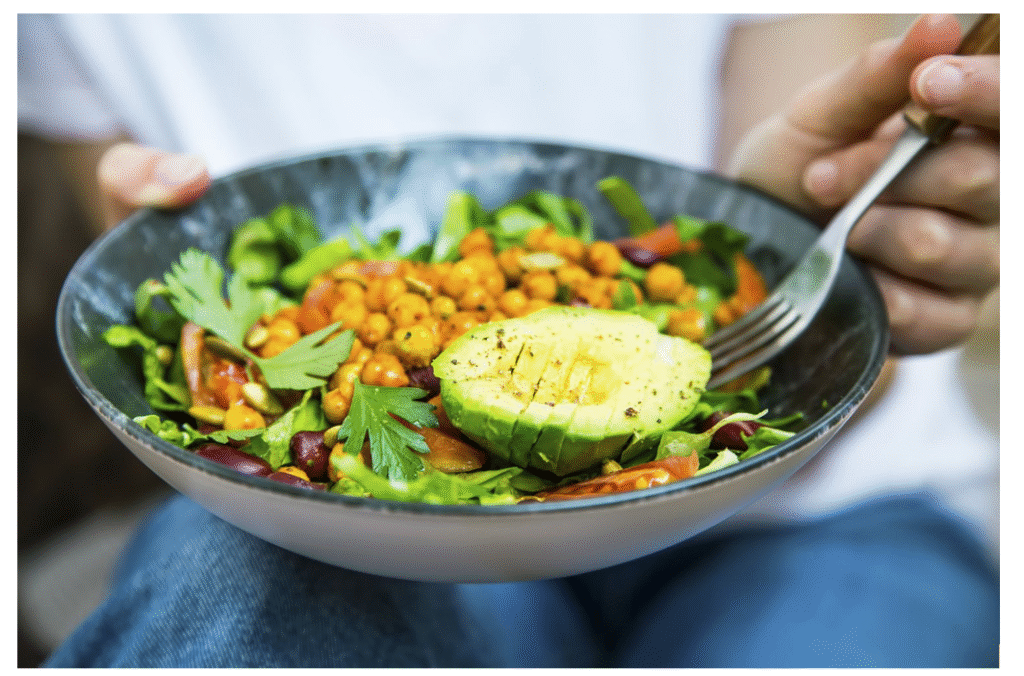
The ideal time for breakfast is between 9:30 to 10:00 am. Breakfast should consist mainly of seasonal fruits, eaten in their natural form.
- Prefer single fruit at a time
- Avoid fruit cocktails and multiple combinations
- Eat until appetite is satisfied
Fruits form the most alkaline, pre-digestive, and energizing meal of the day. Pulpy fruits provide better satisfaction than watery fruits. Seasonal options like papaya, guava, apple, chikoo, and banana are ideal.
Imported and fancy fruits may look attractive but are expensive and unnecessary for our climate. Local, seasonal fruits are healthier, economical, and better suited to our digestion.
Mid-Morning Hydration
Between breakfast and lunch, hydration can be maintained with:
- Normal water
- Tender coconut water
- Vegetable juice
- Seasonal natural drinks

Lunch: The Main Meal of the Day
Lunch should ideally be taken between 12:00 to 1:30 pm and must be the most satisfying meal of the day. It should provide sustained energy.
Key principles for lunch:
- One grain at a time
- Grains and vegetables must be present
- Avoid mixing rice and chapati in the same meal
If you eat chapati, avoid rice. If you eat rice, avoid chapati. Options like khichdi, dal-rice, pulao, or traditional rice dishes are acceptable when taken alone.
Before lunch, a bowl of salad is recommended. If chewing is difficult, vegetables can be grated and mixed into the chapati dough. This increases fiber, improves digestion, reduces grain quantity, and prevents post-lunch laziness.
Evening Intake: Light and Nourishing
Around 4:00 pm, if required:
- Tulsi decoction
- Green tea
- Herbal tea (without milk and sugar)
For taste, jaggery may be added.
This is the correct time to consume soaked nuts such as almonds, walnuts, and pistachios, or dried fruits like soaked raisins, dates, figs, and prunes. Eating nuts early morning disturbs digestion; evening intake is more suitable.
Dinner: Light, Early, and Grain-Free
Dinner should ideally be completed by 6:30 pm. Dinner does not require grains. The best options include:
- Soup and salad
- Salad with tofu or paneer (50–100 g)
- Salad with boiled chana or moong
This form of dinner is especially beneficial for people suffering from lifestyle or chronic diseases.
Satvik Diet Summary
A Satvik diet may vary slightly from person to person, but the core principles remain the same—fresh, seasonal, simple, and balanced.
Simple, Practical Soup Preparations
Many people believe soup preparation is complex, but it is actually simple and time-saving.

Tomato Soup
Tomatoes cooked with mint, ginger, pepper, salt, and jaggery. Pressure cook with water, blend, and consume. Cashews or walnuts can be added for creaminess without using cream
Lemon Coriander Soup
Made using fresh coriander stems, pepper, salt, and lemon zest. Light, refreshing, and ideal for digestion.
Drumstick Soup
Boiled drumsticks mashed and strained, flavored with black salt and lemon. Extremely nutritious.
Mixed Vegetable Soup
Prepared using leftover vegetables such as bottle gourd, ivy gourd, beetroot, tomato, etc. Boil, blend, and consume.
Protein-Rich Moong Soup
Soaked whole moong boiled with salt, pepper, hing, coriander, and lemon. Thick, nourishing, and suitable for all age groups.
Lentil Soup
Prepared using green moong dal with coriander stems and mild spices. Easy to digest and filling.
Mushroom & Broccoli Soup
A nutrient-dense seasonal soup prepared with minimal seasoning. Healthy and restaurant-like without added cost.
Sweet Corn Vegetable Soup
Made with sweet corn, carrot, beans, and capsicum. Light, satisfying, and child-friendly.
A Practical Guide to Healing Diet, Soups, Plant-Based Milk, Smoothies & Protein Salads
A balanced diet does not mean drastic changes or strict food rules. In clinical practice, it is observed that simply balancing the three doshas clears nearly 50–60% of symptoms very quickly. Diet is not about fear or restriction—it is about following your natural routine, local foods, and seasonal wisdom.
Many people panic when they hear the word diet, but diet simply means what you eat daily as part of your lifestyle. You don’t need fancy foods or expensive ingredients—simple, local, homemade food is more than enough to restore health.
Importance of Routine & Digestion
Waking up early is beneficial, but realistically, waking between 5:30–6:00 AM is ideal for most people. After waking, give your stomach at least two hours of rest before consuming anything. During sleep, the digestive system remains in rest mode—this is why the first meal is called breakfast (breaking the fast).
Your first intake should be around 8:00 AM, limited to 200 ml only. Overconsumption of water or detox drinks increases water retention and burdens the kidneys.
Options include:
- Warm water
- Herbal detox water
- Traditional soaked-water drinks
- Simple cleansing juices
Even plain warm water is sufficient if nothing else is available.
Breakfast: The Most Alkaline Meal of the Day
The best breakfast is seasonal fruits, preferably one single fruit at a time, or at most two. Avoid fruit cocktails.
Choose pulpy fruits, as juicy fruits do not give satiety. Seasonal options include:
- Papaya
- Apple
- Guava
- Banana
Avoid imported, expensive fruits like kiwi or dragon fruit unless locally grown. Local fruits suit your climate, digestion, and pocket better.
Lunch: The Main Energy-Giving Meal
Lunch should ideally be between 12:00–1:30 PM and must include:
- One grain at a time
- Vegetables
- Salad (raw or grated)
Golden rule:
- If you eat chapati, avoid rice
- If you eat rice, avoid chapati
Adding grated vegetables into chapati dough increases fiber, reduces grain intake, and prevents post-meal laziness.
Evening Time & Snacks
Around 4:00 PM, if required:
- Herbal tea
- Tulsi kadha
- Green tea (without milk or sugar)
For munching:
- Soaked almonds, walnuts, pistachios
- Soaked raisins, figs, dry dates
This is the right time for nuts, not early morning.

Dinner: Light, Early & Grain-Free
Dinner should ideally be completed by 6:30 PM.
Avoid grains completely at night.
Best options:
- Soup
- Salad
- Light protein additions like tofu or paneer (50–100 g)
- Boiled moong or chana (1 tbsp)
This satvic dinner is especially beneficial for lifestyle disorders and chronic diseases.
Simple, Healing Soup Recipes
All soups should be:
- Cooked in a pressure cooker
- With salt and pepper only
- No tadka
- Lemon added only after serving
Common Soup Options
- Tomato soup with mint, ginger, pepper, jaggery
- Coriander soup using stems for maximum nutrition
- Drumstick soup – highly nutritious and seasonal
- Mixed vegetable soup from leftovers
- Whole moong soup – excellent for elderly and gut health
- Moong dal or lentil soup
- Mushroom & broccoli soup
- Sweet corn vegetable soup
A teaspoon of ghee may be added while serving for children.
Special Therapeutic Soups
Pumpkin Soup (Highly Recommended)
Best for:
- Weight loss
- Kidney issues
- Heart disease
- Cholesterol
- BP problems
200 g pumpkin per person is enough. Acts like medicine when consumed daily for dinner.
Almond Soup
Soak almonds 10–12 hours, peel, add broccoli, ginger, garlic. Excellent for overall health.
Raw Banana Soup
Good for those avoiding carrot or potato. Add urad dal powder for taste and digestion.
Chana Dal Soup
Balance heaviness by adding more vegetables, cumin powder, and hing to prevent acidity.
Spinach & Leafy Soups
Rich in iron but heavy—consume once or twice a week only. Not suitable for thyroid or kidney patients.
Methi (Fenugreek) Soup
Excellent for diabetes, muscle strength, and gut health. Balance bitterness with jaggery and lemon.
Easy Kitchen Wisdom
Soups can be prepared alongside regular cooking—no extra time needed. Just put ingredients in the cooker while kneading dough. Simple, economical, and deeply nourishing.

Plant-Based Milk & Dairy Alternatives
Milk takes 17–18 hours to digest and can cause bloating and hormonal imbalance. Even children can avoid daily dairy.
Nut Milk Options
- Almond milk
- Cashew milk
- Walnut milk
- Coconut milk
Soak nuts 3–5 hours, blend, strain, and consume fresh.
Peanut Curd
Soak peanuts, blend, ferment using regular curd initially. Rich in protein and probiotics.
Coconut Buttermilk
Dilute coconut milk with water, add cucumber, coriander, lemon, salt. Keep at room temperature for 2–3 hours. Excellent digestive drink.
Dry Fruit Shakes (Without Milk)
Use water instead of milk.
Examples:
- Chikoo + soaked dates (chocolate-like taste)
- Fig + banana
- Raisins + apple or pear
- Papaya + soaked prunes
- Strawberry + cinnamon
No extra sweeteners needed. Suitable even for diabetics in controlled quantities.
Smoothies: Complete Meal Options
Salty Smoothies:
- Spinach + coconut pulp
- Soaked oats + carrot + pumpkin seeds
- Sweet potato + flax seeds
- Beetroot + melon seeds
Sweet Smoothies:
- Any single fruit + soaked oats
- Add cinnamon or cardamom
Smoothies can replace one full meal.
Protein Salads (Plant-Based)
Option 1: Sprouted Moong Salad
2–3 tbsp sprouts with cucumber, cherry tomatoes, basil or tulsi, lemon, pepper.
Option 2: Boiled Chickpea Salad
With seasonal vegetables, herbs, and lemon.
Final Thought
These foods are:
- Local
- Seasonal
- Affordable
- Easy to prepare
- Highly therapeutic
They improve digestion, energy, positivity, and overall health—without stress or complexity. Health begins in your kitchen, with simple choices made daily.
Protein-Rich Salads, Healing Drinks & the Essence of a Satvic Lifestyle
Protein Salads: Light, Nourishing & Easy to Digest
Protein salads can be made delicious, satisfying, and digestion-friendly without using grains or heavy dressings.
For a boiled chickpea salad, add salt, black pepper, lemon juice, and ajwain (carom seeds). If fresh ajwain leaves are available, they work even better—there is no need for oregano. Ajwain helps balance digestion, as chickpeas are naturally heavy and may cause bloating. Adding ajwain makes the salad lighter and easier to digest.
Another excellent option is hummus, commonly used in Middle Eastern diets. Hummus is very healthy when prepared correctly. Avoid adding extra virgin olive oil or any oil. Instead, blend boiled chickpeas with garlic, ginger, mint leaves, and a small amount of coconut pulp (malai) for smoothness. For those who consume dairy, a small piece of paneer can be added to improve texture.
Instead of bread, hummus can be enjoyed with fresh vegetables such as carrot sticks, cucumber, beetroot, or radish. This itself works as a complete salad.
You can also prepare salads using boiled green or brown chana (small chickpeas). Add beans, coriander, tomato, onion, cucumber, lemon, and salt. For healthy fats, include walnuts (15–20 grams per serving).
Avoid packaged dressings like Thousand Island or chipotle sauce. Instead, prepare fresh green chutney using coriander, mint, spring onion greens, or even radish leaves. These chutneys can be used as salad dressings. Garnish with lemon juice and fresh coriander.
To increase protein content, add paneer cubes and season with black pepper, salt, and cumin powder.
During peanut season, boiled peanuts can be combined with sweet corn, broccoli, boiled mushrooms, green chutney, lemon, black salt, and green chilies. This creates a balance of all tastes—sweet, salty, sour, and spicy—using only natural ingredients. These salads give fullness, are easy to digest, and do not require grains.
Seasonal Health Drinks & Natural Detox Options
Detoxification and immunity strengthening are best achieved through simple, seasonal drinks rather than complicated combinations.
- Giloy (Amruta) and Tulsi juice are excellent immunity boosters and blood purifiers. Giloy gained prominence during the COVID era and is known as the king of herbs.
- Amla juice (100 ml daily) during the season is highly beneficial. Avoid mixing multiple ingredients—keep health drinks simple.
- Aloe vera juice supports hair and skin health.
- Wheatgrass juice is a complete superfood, often referred to as “green blood,” supporting overall vitality.
- Jaggery lemon water can be prepared by soaking jaggery in water for one hour and adding lemon.

- Mint water (Pudina pani) with green chili, black pepper, coriander, curry leaves, lemon, and black salt is refreshing and digestive.
- Fennel seed water soaked overnight and strained in the morning supports digestion.
- Barley water is another excellent detox drink.
- Cumin and coriander seed water is especially useful for hormonal and glandular imbalances.
- Beetroot and carrot juice, bottle gourd juice, and ash gourd juice (seasonal) are highly nourishing.
- Tender coconut water can be consumed year-round.
Sugarcane juice, taken fresh without ice or masala, is one of the most underrated superfoods. Instead of spending money on soft drinks, a simple glass of fresh sugarcane juice provides nutrients and detoxification benefits. It can even replace one meal occasionally without causing weight gain.
Liquid Diet, Fasting & Healing the Body Naturally
Once a week, a liquid diet or fasting, based on age and health condition, gives complete rest to the body and mind. Liquid diets may include:
- Soups (without grains)
- Vegetable juices
- Fruit juices
- Coconut water
- Sugarcane juice
There is no need for expensive detox products or alkaline water. Rest itself is the greatest detox. When the body rests, it heals naturally and restores energy.
The True Meaning of Healthy Living
Healthy living is not limited to food alone. It includes:
- Happiness
- Rest
- Good digestion
- Sound sleep
- Minimal disease
This combination defines true health. Eating satvic food, sleeping well, digesting properly, and maintaining emotional balance together create a healthy life.
A simple practice—smiling for two minutes daily, even if artificial—can uplift mood. Laughter is a habit that improves happiness levels.
Never neglect rest. Maintain proper sleep timings. Balance taste and health in daily food. Transformation does not need to be drastic—small habit changes are enough.
If salads are difficult to consume daily, add soups or juices instead. Balance is more important than perfection.
Lifestyle, Movement & Mental Well-Being
Daily physical movement is essential. Aim for 40 minutes of yoga, walking, or exercise. If that feels difficult, even 24 minutes is acceptable—but doing nothing is not an option.
Connecting with the world, interacting with people, sharing feelings, and observing life beyond personal problems builds inner strength. Sharing thoughts with friends or loved ones, even casual conversations, reduces stress.
Crying is also healing—it lightens emotional load. Talking for just ten minutes daily with someone you trust can significantly improve mental health.
True happiness comes from balance—work, rest, connection, and self-time. “Me time” does not require anyone else; it is a moment to reconnect with yourself.
Dietary Clarifications & Common Questions
- One grain at a time is recommended. Vegetables are always included. Dal depends on age, activity level, and climate.
- For a sedentary lifestyle, grain + vegetables are sufficient.
- On liquid fasting days, avoid grains and heavy cooked food.
- Milk should be replaced with nut milk.
- For acidity, follow an alkaline diet—raw fruits, salads, juices, coconut water, cumin water. Soaked black raisins (munakka) with water are especially helpful.
- Both soaked raisins and their water can be consumed.
Hair Fall Between Ages 45–50 (Especially Women)
Hair fall during this age is common due to hormonal changes, especially around menopause. If health before menopause was balanced, reversal is easier. Otherwise, lifestyle changes are essential.
Key steps include:
- Following a 70% liquid + 30% cooked food diet
- Early dinner and early wake-up
- Weight management
- Flax seeds, walnuts, green leafy vegetables
- Yoga, pranayama, surya namaskar
- Stress reduction
These changes improve sebum secretion, strengthen hair roots, and gradually reduce hair fall while improving hair growth and volume.
Conclusion: Embracing Satvik Food and Lifestyle for Complete Well-Being
In today’s fast-paced and often chaotic world, the concept of Satvik food and lifestyle offers a grounding, nourishing, and deeply holistic approach to health. As we reflect on the wisdom shared through seasonal living, winter nourishment, and mindful practices like box breathing, one thing becomes very clear—true health is not created through shortcuts or extremes, but through harmony with nature.
Satvik food is far more than a dietary choice; it is a way of living that respects the natural rhythms of the body and the environment. By consuming seasonal, local, and naturally available foods, we allow our body to function in alignment with its innate intelligence. Winter, in particular, teaches us this lesson beautifully. With digestive fire (Agni) at its strongest, the body is naturally prepared to digest nourishing, grounding foods enriched with ghee, jaggery, herbs, and spices. These traditional preparations, passed down through generations, were designed not only to satisfy hunger but to strengthen immunity, build vitality, and prepare the body for the changing seasons ahead.
A Satvik lifestyle also reminds us that food alone is not enough. The state of our mind and breath plays an equally important role in maintaining health. Practices such as box breathing act as a bridge between body and mind. Just a few conscious breaths can calm the nervous system, improve oxygenation, stimulate digestion, and enhance overall energy levels. When practiced regularly, such techniques awaken the body’s healing power—Jeevani Shakti—allowing balance to be restored naturally. This balance reflects not only in physical health but also in emotional stability, mental clarity, and inner peace.
Moreover, Satvik living cultivates awareness. It encourages us to eat mindfully, live simply, and choose purity over excess. When the body is nourished with Satvik food, the mind becomes calmer, thoughts become clearer, and emotions remain balanced. This purity extends beyond the plate—it influences our behavior, relationships, and outlook on life. As the mind becomes less agitated and more centered, stress reduces, immunity strengthens, and resilience increases.
Another important aspect of Satvik lifestyle is its adaptability. India’s diverse climates and regional foods demonstrate that there is no single rigid rule for healthy living. Instead, the guiding principle is to honor nature—eat what grows around you, respect seasonal changes, and listen to your body’s needs. This flexibility makes Satvik living sustainable and practical for modern life, while still rooted in ancient wisdom.
In conclusion, Satvik food and lifestyle offer a timeless path to holistic health—one that nurtures the body, calms the mind, and uplifts the spirit. By aligning our diet with the seasons, practicing mindful breathing, and choosing simplicity and purity in daily life, we can create long-lasting wellness rather than temporary relief. Health, in its truest sense, is a state of balance—between heat and cold, activity and rest, nourishment and detoxification, body and mind. Satvik living gently guides us toward this balance, helping us not only to live longer, but to live better, with awareness, vitality, and inner harmony.