

Sleep Disorder & Stress
Holistic Perspective of Naturopathy: Sleep Disorders and Stress
In naturopathy, we always emphasize a holistic definition of health. Naturopathy does not focus only on physical symptoms; instead, it considers the mind, body, and soul as a unified whole. Any imbalance in one aspect affects the others. Therefore, treatment and education in naturopathy are never limited to symptom management alone but aim to address the root cause of disease.
When we teach students, especially those who are already well-educated and academically advanced, our formal teaching is often restricted to the prescribed curriculum. However, learning in naturopathy should not stop at textbooks. For those who are genuinely interested in gaining deeper practical and applied knowledge, we encourage following our educational platforms on YouTube and other social media channels, where we regularly share videos, demonstrations, audio lectures, daily routines, and therapy procedures.
The purpose of sharing such content is twofold. First, it is often directly related to ongoing lecture topics. Second, our panel of doctors is always available to address genuine queries from students. However, in recent times, we have observed that many students at the Master’s and PhD levels are asking very basic questions—such as the use of mud therapy or the method of application—which are concepts already covered in diploma and bachelor-level courses. While we are always open to answering questions, we expect advanced-level students to focus more on root causes, mechanisms, and integrative understanding rather than elementary techniques.
That said, students are welcome to raise queries anytime. Many students also send questions via email, and we make it a point to respond regularly. Continuous learning and curiosity are always encouraged.

Introduction to Sleep Disorders and Stress
Today’s lecture focuses on sleep disorders and stress, two highly prevalent conditions in modern life. This topic may not seem new because almost every individual experiences stress or sleep disturbances at least once in their lifetime.
Stress can sometimes be positive, acting as a motivating force. However, chronic stress is harmful and often closely linked with sleep disorders. Both conditions are deeply interconnected and influence each other significantly.
In a previous lecture, we discussed acne and pimples, where improper sleep patterns and excessive mental burden were highlighted as major contributing factors. Lack of quality sleep, combined with continuous thought overload, leads to stress, which eventually manifests as physical health problems.
Sleep, Stress, and Lifestyle Diseases
We frequently discuss lifestyle diseases such as diabetes, high cholesterol, elevated triglycerides, and hypertension. These are commonly categorized as lifestyle disorders, but the important question remains:
Why do these diseases occur?
What mistakes are we making in our daily lifestyle?
One of the most neglected aspects is sleep, which is the body’s natural state of rest and repair. According to naturopathy and traditional health sciences, the human body is composed of Pancha Mahabhutas (five elements) and regulated by the three doshas. Any imbalance in these elements or doshas leads to disease.
Insufficient or disturbed sleep disrupts this balance. Sleep disorders can be considered a problem, while stress is more of a condition—but both are interlinked and influence the development of various health issues.
Importance of Sound and Calm Sleep
Adequate sleep is essential for maintaining physical, mental, and emotional balance. The body requires a minimum of six to eight hours of sound and calm sleep daily. Without proper sleep, the nervous system becomes overactive, hormonal balance is disturbed, and stress levels increase.
A simple and practical example can be observed in daily routine management. Sleeping around 10:00 PM and waking up between 5:30 AM and 6:00 AM is considered an ideal and natural rhythm. This schedule aligns with the body’s circadian rhythm and supports optimal physiological functioning.
Following such a routine not only improves sleep quality but also enhances mental clarity, reduces stress, and helps prevent lifestyle-related disorders.
Weekend Lifestyle Changes and Their Impact on Sleep
To maintain a healthy lifestyle, consistency is essential. However, in practical life, occasional changes are unavoidable. Everyone needs a break from routine; otherwise, life becomes monotonous. Weekends, especially Saturdays, are commonly treated as leisure time because Sunday is a global holiday. As a result, people tend to relax, become slightly lazy, and move into their comfort zones.
On weekends, many individuals indulge in late-night movies, parties, social gatherings, or extended family discussions. Those who usually follow a disciplined sleep routine from Monday to Friday—going to bed around 10:00 PM—often delay their bedtime until 11:00 PM, midnight, or even later on Saturdays, depending on circumstances and activities.
Consequently, the next morning begins later than usual. Although individuals may wake up feeling slightly drowsy or lethargic, they often justify it by thinking that there is no work pressure that day. The entire day may pass in a relaxed state. However, when Monday arrives, they are expected to immediately return to their regular weekday routine.
Effects of Irregular Sleep Patterns on the Body and Mind
When sleep schedules are altered—going to bed late and waking up early or changing routines abruptly—the body responds with noticeable symptoms. These effects are not limited to the physical body alone; they also manifest at the mental and psychological levels.
Occasional disturbances, such as once a week, may not cause significant harm. However, when irregular sleep patterns become a routine and individuals consistently fail to obtain six to eight hours of sound and calm sleep, the consequences gradually accumulate. Over time, this leads to chronic fatigue, irritability, reduced concentration, and increased stress levels.
It is important to understand that merely increasing the number of sleeping hours does not guarantee quality rest. Many individuals sleep for nine to ten hours, yet still wake up feeling tired, dull, and unrefreshed. This indicates poor sleep quality.
Importance of Sleep Quality Over Duration
While sleep duration is important, sleep quality and soundness are far more critical. Even six hours of deep, calm, uninterrupted sleep can be more refreshing and restorative than ten hours of disturbed or superficial sleep.
Sound sleep allows the nervous system to relax, hormonal balance to stabilize, and the mind to rejuvenate. When a person wakes up feeling fresh and energetic, it is a clear indicator of good-quality sleep. Therefore, sleep should not be assessed only by counting hours, but by evaluating its depth and restorative impact.
Different age groups require different sleep patterns and durations, which can be studied in detail while discussing various types of sleep disorders. However, maintaining calm, sound sleep remains a universal requirement at all ages.
Rising Anxiety and Sleep Disorders in Modern Society
In present times, both practitioners and healthcare professionals observe a growing number of individuals suffering from anxiety, restlessness, hyperactivity, and impatience. Compared to previous generations—such as parents and grandparents—who appeared calmer and more patient, the younger generation today tends to be more short-tempered and emotionally reactive.
There are multiple reasons behind this behavioral shift, but sleep disorders and irregular sleep patterns are among the major contributing factors. Continuous disruption of natural sleep cycles leads to overstimulation of the nervous system, resulting in mental hyperactivity and emotional instability.
Definition of Sleep Disorder
A sleep disorder is defined as a condition that affects the quality, duration, timing, or regularity of sleep, and subsequently impairs an individual’s ability to function properly while awake. This definition highlights that sleep health is not limited to duration or timing alone, but is deeply connected to the overall quality and impact of sleep on daily life.
For example, some individuals may sleep fewer hours yet remain energetic and alert throughout the day. This demonstrates that quality of sleep plays a more significant role than quantity alone.

Examples Emphasizing Sleep Quality
It is often observed that highly disciplined individuals or leaders function efficiently with fewer hours of sleep due to exceptional sleep quality and mental discipline. Similarly, in ancient times, sages and spiritual practitioners were capable of remaining awake for extended periods in deep meditative states. Despite sleeping for very few hours, they maintained high levels of mental clarity, positivity, and physical endurance.
However, it is important to note that such practices require years of training, discipline, and mental conditioning. For the average individual, especially in modern lifestyles, adequate duration combined with sound and calm sleep is essential for maintaining health and preventing stress-related disorders.
Understanding Sleep Disorders: A Condition, Not a Disease
It is important to understand that a sleep disorder is not a disease but a condition or situation. Because it is a condition, it can be corrected. Although the process may be time-consuming, it is relatively easy when approached with discipline and awareness.
In today’s clinical practice, a large number of patients present with complaints related to stress, anxiety, fatigue, and lifestyle disorders. One of the most common observations during patient history-taking is irregular daily routines—especially poor sleep habits. When practitioners carefully examine a patient’s lifestyle from morning to night, sleep quality and sleep timing often emerge as the primary issues.
The Three Pillars of Healthy Sleep
When addressing sleep-related disorders, three key factors must be considered:
- Quality of sleep
- Duration of sleep
- Schedule (timing) of sleep
Among these, quality of sleep is the most important, followed by duration, and then schedule. Even if a person sleeps for an adequate number of hours, poor-quality sleep will still result in fatigue, stress, and health disturbances.
The sleep schedule, or consistency of timing, is equally crucial. For example, if a person sleeps at 10:00 PM on one day, 12:00 midnight the next day, and at different times on subsequent days, it disrupts the body’s internal clock. Even seven hours of sleep may still lead to sleep disorders or related health problems if the timing is inconsistent.
Occasional deviations—such as once a week—do not significantly affect health. However, when irregularity becomes routine, it gradually leads to imbalance. Whether it is food, exercise, or rest, routine is the foundation of health in naturopathy.
Learning from Nature: The Importance of Punctuality
Nature teaches us punctuality and discipline. The sun rises every morning at a fixed time and never delays its schedule. The moon follows its cycle consistently. Natural elements such as oxygen, carbon dioxide, and other gases function in perfect balance without interruption.
Imagine if oxygen stopped flowing for even a minute—the entire world would collapse. Similarly, when humans fail to follow natural rhythms, especially sleep rhythms, the body system begins to malfunction.
This is an alarming and critical issue because nearly 90% of modern health problems originate from disturbed sleep patterns and poor rest. During sleep, the body performs essential functions such as tissue repair, hormonal regulation, detoxification, and mental restoration. When adequate time and quality sleep are not provided, the entire system becomes disturbed, resulting in various health hazards.
What Is Proper Sleep?
Proper sleep is a state of rest characterized by altered consciousness, reduced awareness of the environment, and physical inactivity. In simple terms, it is sound and calm sleep without excessive dreaming or thought processes, lasting for six to eight hours.
During deep sleep, the body reaches a state of complete relaxation, similar to stillness. Achieving this level of sleep is a sign of excellent health. People who fall asleep immediately after switching off the lights demonstrate healthy nervous system function and balanced mental activity.
After a long day involving physical work, mental stress, and daily responsibilities, the body naturally demands rest. Early dinner and a calm evening routine support the onset of deep, automatic sleep.
Sleep as a Foundation of Long-Term Health
Sound sleep is one of the strongest indicators of long-term health. With proper sleep:
- Metabolism functions efficiently
- Immunity strengthens naturally
- Mental clarity improves
- Stress levels reduce
Good sleep acts as a preventive measure against numerous diseases. It is a personal choice whether sleep is treated as a priority or neglected. Each individual must decide its importance in their life.
Clinical Application: Sleep Assessment in Patient Care
From a clinical perspective, sleep assessment should be the first step in patient treatment. Regardless of the disease or complaint, evaluating sleep quality, duration, timing, and restfulness provides valuable insight into the root cause of illness.
Based on over 18 years of clinical experience, it is evident that many patients suffer from psychological or psychosomatic conditions. Although they feel unwell, their medical reports often appear normal. In such cases, disturbed sleep and mental stress are the primary underlying factors.
By correcting sleep patterns and restoring calm, deep rest, many health problems—both physical and psychological—can be effectively managed or even completely resolved.

Psychological Roots of Illness and the Healing Power of Sleep
In clinical practice, it is frequently observed that patients complain of illness despite having normal medical parameters. Their hemoglobin levels, blood pressure, and blood sugar readings are often within normal limits, yet they continue to feel unwell. In such cases, the problem is not physiological but functional and psychological.
When these patients are guided to follow proper sleep timing, consistent sleep routines, and appropriate naturopathic therapies, significant improvement is often seen within 10 days. Many patients describe this transformation as “magic,” but there is no magic involved. There are no shortcuts. These improvements are simply the result of following the basic, natural principles of naturopathy, which work in harmony with the body’s innate healing ability.
Sleep: One-Third of Human Life
Sleep occupies nearly one-third of the human lifespan. If an individual calculates their age and the number of hours they sleep daily, it becomes clear how significant sleep is in overall life and health. This duration is not wasted time—it is essential for restoration, repair, and regeneration.
It is widely recognized that 95–98% of diseases have a psychological component rather than a purely physical origin. One of the major contributors to psychological imbalance is improper sleep patterns or sleep disorders. Sleep directly affects human health at the mental, physical, and emotional levels.
Emotional Stress, Mental Health, and Sleep Disturbance
Emotional disturbances clearly demonstrate the connection between the mind and sleep. For example, when an individual hears distressing news—such as an accident, sudden illness, or death of a loved one—they may experience intense emotional reactions. On the same night, sleep becomes difficult or impossible due to continuous thought processes.
Physically, the person may be healthy, as the trauma has not occurred to them directly. However, mentally and emotionally, they feel restless, weak, sorrowful, and exhausted. Crying, sadness, and emotional instability are common during such times. These reactions are natural and confirm that humans are emotionally sensitive beings.
Similarly, disturbed sleep patterns can produce comparable psychological and emotional effects, even in the absence of external trauma.
Scientific Understanding of Sleep Requirements Across Ages
Science and natural health systems both recognize that sleep requirements vary with age due to different stages of growth and development.
Infants
Infants require approximately 16 to 20 hours of sleep per day. This is because all body systems—including organs, tissues, and the nervous system—are in the active growth and development phase. Newborns sleep for extended periods, waking only for feeding and basic needs.
Children
Young children, up to around 10–12 years of age, require 10 to 12 hours of sleep daily. During this stage, physical growth is significant, and mental development is actively progressing. Sleep supports learning, memory formation, and emotional stability.
Teenagers
Adolescents aged 13 to 18 years need 7 to 9 hours of sleep per day. This stage is marked by hormonal changes, puberty, emotional fluctuations, and psychological development. Adequate sleep during adolescence helps manage hormonal balance, emotional regulation, and physical maturation.
Adults
Once an individual reaches adulthood, a minimum of 6 to 8 hours of sound and calm sleep per day is essential. This duration supports metabolic balance, immune function, mental clarity, and emotional resilience.
Continuous Sleep vs. Broken Sleep: Understanding the Body’s Repair Mechanism
There are certain exceptions and options that have already been discussed. However, for normal, working individuals—those who do not follow a sedentary lifestyle—life is demanding. Morning and evening schedules are fixed, travel is involved, and multiple responsibilities must be managed daily. This applies equally to both men and women in today’s society.
For such individuals, a minimum of six to eight hours of sound and calm sleep is essential.
Daytime Sleep: An Option, Not the Ideal
A common concern is raised, especially by homemakers, who argue that due to joint family responsibilities, household work, or extended duties, they are unable to complete six to eight hours of continuous night sleep. As a result, they compensate by sleeping for one to two hours in the afternoon.
While this practice may provide temporary physical rest, it should be clearly understood that daytime sleep is optional—not ideal. For effective repair, detoxification, and regeneration, sleep must be continuous.
Why Continuity of Sleep Matters: A Simple Analogy
Consider a simple example:
If you want to boil one liter of water and reduce it to half a liter, the flame must remain continuously high. Within 15–20 minutes, the water will reduce efficiently due to uninterrupted heat.
However, if the flame is repeatedly turned on and off—sometimes high, sometimes low—the same process will take much longer, perhaps 30 minutes to an hour or more.
The human body functions in the same way.
When the body receives six to eight hours of continuous sleep in one session, essential internal processes such as:
- Cellular repair
- Detoxification
- Hormonal regulation
- Nervous system recovery
occur smoothly and efficiently.
If sleep is broken into fragments—two to three hours at night and another nap during the day—the repair process is repeatedly interrupted. This disturbance prevents the body from completing its natural healing cycle.
The Reality: When Daytime Sleep Becomes Necessary
Despite this, daytime naps do have one positive aspect: they provide physical rest. Without adequate total rest, the body experiences weakness, drowsiness, fatigue, and reduced productivity.
Therefore, if continuous night sleep is genuinely not possible, a short daytime nap of one to two hours may be taken as a temporary adjustment. However, this should never replace the goal of achieving six to eight hours of uninterrupted night sleep.
Whenever possible, individuals should reorganize their schedules to prioritize continuous sleep.
Hormonal and Neurological Benefits of Proper Sleep
Sleep is not passive rest—it is an active biological process. During sleep:
- Human Growth Hormone (HGH) is released, which supports tissue repair, muscle development, and recovery from daily wear and tear.
- Learning ability improves as memory consolidation occurs.
- Neural connections, or synapses, are strengthened, supporting long-term memory and cognitive function.
- Emotional regulation and stress resilience improve naturally.

The Inner Biological Clock: Listening to the Body
Just as we follow an external clock to manage daily activities—such as meals, work, and rest—the body has its own internal biological clock, known as the circadian rhythm.
This internal clock regulates:
- Sleep–wake cycles
- Hormonal secretion
- Digestion
- Energy levels
Nature has gifted this system to every human being. When individuals consistently ignore or disturb this internal clock—by irregular sleep timings, late nights, or fragmented rest—the entire body system becomes imbalanced.
The result is the gradual development of health issues, disorders, and functional disturbances.
Sleep as a Basic Physical Necessity
Sleep is a basic physical need, just like food and water. To sustain physical health, emotional stability, and mental clarity, the body requires:
- Proper sleep
- Adequate rest
- Balanced nutrition
Neglecting sleep weakens the foundation of health, while respecting it strengthens the body’s natural ability to heal and maintain balance.
Types of Sleep Disorders: A Scientific Overview for Naturopathy Practice
After understanding the importance of sleep, it is essential to discuss the types of sleep disorders in a scientific and clinical manner. As naturopaths, we must be familiar with commonly used medical and psychological terminology, because patients who experience sleep problems often consult physicians, psychologists, or psychiatrists before reaching us.
Healthcare professionals use specific terms to describe different stages and types of sleep disorders. Understanding these terms helps us communicate effectively and guide patients toward appropriate, natural interventions.
Insomnia
Insomnia is one of the most common sleep disorders. It refers to difficulty in falling asleep, staying asleep, or achieving restful sleep.
Types of Insomnia
Insomnia is broadly classified into two main types:
- Sleep-Onset Insomnia
Difficulty in falling asleep at bedtime, often due to excessive thinking, stress, or anxiety. - Sleep-Maintenance Insomnia
Difficulty in maintaining sleep, characterized by frequent awakenings during the night.
Causes and Early Management
In the early stages, insomnia is relatively easy to treat. Short-term interventions, such as lifestyle correction, specific naturopathic therapies, relaxation techniques, and appropriate exercises, can resolve the condition effectively.
Clinical observation suggests that:
- Around 90% of insomnia cases are psychological
- About 5% are physical
- The remaining 5% are emotional
By identifying and treating the root cause, insomnia can often be reversed without medication.
Dangers of Neglecting Insomnia
Unfortunately, many patients initially ignore sleep problems. They justify their sleeplessness with reasons such as work pressure, stress, or daily responsibilities. Over time, this neglect allows insomnia to become a habit and eventually a chronic condition.
In today’s fast-paced lifestyle, impatience and short temper are common. Despite inadequate sleep, people must wake up early and attend work. As a result, many turn to sleeping pills for immediate relief.
However, prolonged use of sleeping pills:
- Leads to dependency
- Interferes with normal neural functioning
- Makes natural sleep difficult without medication
- Becomes challenging to discontinue without professional counseling
Recovery from pill dependency often requires long-term support from psychologists, doctors, and therapists.
Therefore, it is strongly advised to address sleep problems at an early stage and avoid dependence on sleeping medications. Natural sleep is always superior to chemically induced sleep.

Obstructive Sleep Apnea (OSA)
Another major sleep disorder is Obstructive Sleep Apnea (OSA), which is commonly associated with chronic snoring.
Understanding Obstructive Sleep Apnea
In OSA, the airway becomes partially or completely blocked during sleep, leading to interrupted breathing. The most noticeable sign is loud and persistent snoring.
Interestingly, the person who snores is often unaware of the problem. It is usually the sleeping partner who notices the disturbance and brings it to attention.
When Snoring Becomes a Disorder
Occasional snoring is not necessarily abnormal. It may occur:
- During deep sleep
- Due to nasal congestion
- During temporary respiratory issues
- Due to temporary aggravation of bodily imbalances
However, continuous snoring throughout the night is not normal. It indicates a chronic condition that should not be ignored. Once sleep apnea reaches an advanced stage, reversal becomes difficult.
Restless Leg Syndrome (RLS)
Another sleep-related disorder is Restless Leg Syndrome (RLS).
Characteristics of RLS
RLS is characterized by:
- Continuous, involuntary movement of the legs during sleep
- Frequent repositioning of legs
- Disturbed sleep posture
These repetitive movements interrupt the sleep cycle and prevent deep, restorative sleep. Over time, this leads to fatigue, body pain, and sleep deprivation.
Importance of Early Identification and Natural Management
Sleep disorders should never be ignored. Early identification allows for simple, non-invasive, and natural management strategies. Naturopathy focuses on:
- Root cause correction
- Lifestyle modification
- Mental and emotional balance
- Restoration of natural sleep rhythms
By addressing sleep disorders early, patients can avoid medication dependency and long-term complications.
Common Sleep Disorders and Their Understanding
Sleep disorders are increasingly common in today’s lifestyle-driven world. Many individuals experience disturbed sleep patterns due to nutritional deficiencies, work schedules, or underlying neurological and physiological conditions. Below are some important sleep-related disorders explained in a simple and structured manner.
Restless Legs Syndrome (RLS)
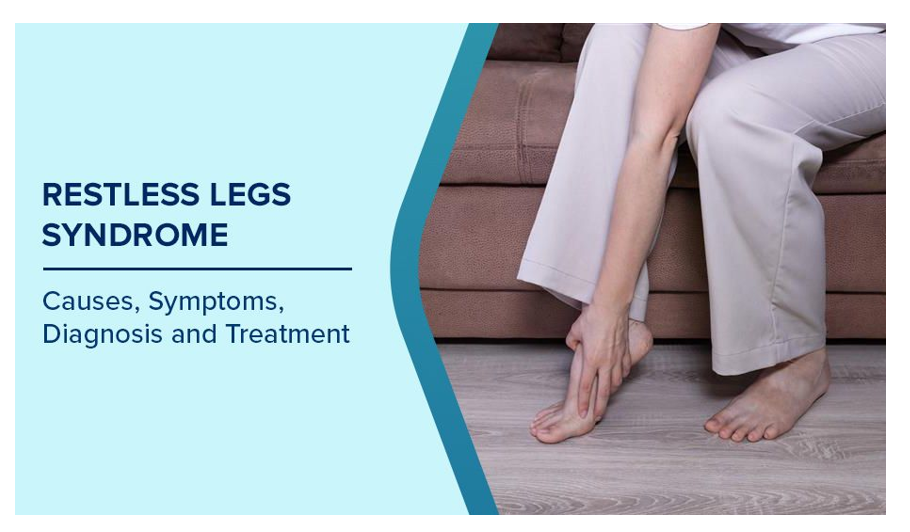
Restless Legs Syndrome usually begins in the evening, especially after sunset. A person may feel mild to moderate discomfort in the legs, starting from the thigh and extending down to the calf region. This discomfort often worsens at night and creates an uncontrollable urge to move the legs continuously.
Initially, this condition may be associated with deficiencies such as calcium, vitamin B12, or other minerals. However, if laboratory investigations show that all mineral and vitamin levels are within the normal range and the discomfort still persists—especially with continuous leg movement during sleep—then it is indicative of Restless Legs Syndrome. This condition should be addressed and treated at an early stage to avoid chronic sleep disturbance.
Narcolepsy
Narcolepsy is a chronic sleep disorder that differs from insomnia. While insomnia refers to the inability to sleep, narcolepsy involves sudden and uncontrollable episodes of sleep.
In this condition, a person may suddenly fall asleep while talking, walking, or even during work, without being aware of it. These sleep attacks occur automatically and can be dangerous if left untreated. Narcolepsy often develops due to long-term neglect of sleep disorders, inadequate sleep, poor nutrition, or continuous mental stress and overthinking. Early diagnosis and proper management are essential for improving quality of life.
Shift Work Sleep Disorder
Shift work sleep disorder is one of the most challenging sleep-related conditions to manage. It commonly affects individuals who work in rotating or night shifts, such as nurses, call center employees, pilots, and other professionals.
It is not practical or feasible to advise such individuals to quit their jobs. Therefore, the focus should be on managing their sleep schedule according to their work shifts. Although this disorder cannot be completely cured—because the human biological clock is naturally aligned with sunrise and sunset—it can be minimized with disciplined routine management.
Individuals working night shifts should compensate by ensuring adequate daytime sleep. However, they must be very conscious of the quality of daytime sleep and maintain proper dietary habits. Digestion is strongest during the daytime when sunlight is present and weakens after sunset. Therefore, food timing and food choices play a crucial role in managing shift-related sleep disturbances.
Strict adherence to a fixed sleep-wake schedule, even on off days, can help regulate body functions and reduce the severity of symptoms.
Delayed Sleep Phase Syndrome (DSPS)
Delayed Sleep Phase Syndrome is a condition where a person is willing and ready to sleep at a desired time, such as 10:00 PM, but is unable to fall asleep despite switching off lights and going to bed.
The individual may lie awake for one to three hours, unable to achieve deep or sound sleep. Eventually, after this delay, the person enters a sound sleep phase. This condition is commonly seen in individuals with irregular sleep habits, excessive screen exposure, or poor circadian rhythm regulation.
To overcome Delayed Sleep Phase Syndrome, specific lifestyle modifications and certain types of exercises are recommended. Regular physical activity, exposure to natural sunlight, and consistent sleep routines can significantly help in correcting this disorder.
Therapeutic Approaches and Advanced Sleep Disorders
Sleep disorders can be effectively managed not only through modern medical approaches but also with the help of traditional systems such as Ayurveda and naturopathy. These systems focus on calming the nervous system, improving circulation, and restoring the natural sleep–wake rhythm of the body.
Ayurvedic and Naturopathic Approaches for Delayed Sleep Phase Syndrome
In Ayurveda and naturopathy, certain simple yet effective therapies are recommended to manage Delayed Sleep Phase Syndrome. One commonly used method is magneto therapy, which is applied to the feet before bedtime.
Another effective practice involves applying cow ghee (cow’s clarified butter) to the soles of the feet. The ghee is gently rubbed using a bronze vessel or utensil for about five minutes on each foot before going to bed. This practice helps calm the nervous system, improve grounding, and promote natural sleep. When performed regularly, it can significantly help in relieving Delayed Sleep Phase Syndrome.
However, a common mistake many people make is related to bedtime behavior. Although they switch off the lights and lie down on the bed, they do not actually prepare the body and mind for sleep. Activities such as reading, listening to audio, or—most importantly—scrolling on mobile phones are extremely harmful to sleep quality. Continuous exposure to screens stimulates the brain and worsens sleep disorders. Merely lying down without mental relaxation will not resolve the symptoms.
To overcome this, individuals should practice light physical exercises, deep breathing, or relaxation techniques before sleep. Deep breathing is one of the most effective and simple techniques to calm the mind. Other helpful methods include reverse counting and mindfulness practices, which assist in gradually bringing the body into a restful state.
REM Sleep Behavior Disorder
Another important sleep disorder is REM Sleep Behavior Disorder. REM stands for Rapid Eye Movement, which is the phase of sleep during which dreaming occurs.
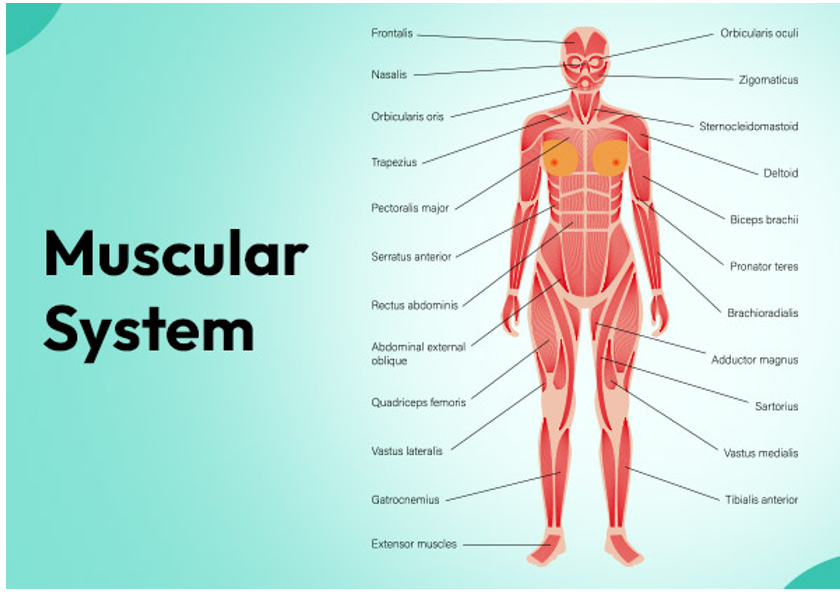
In this disorder, a person physically acts out their dreams during sleep. Although the individual is in a deep sleep and is not consciously aware of these actions, the person sleeping beside them can easily observe abnormal movements. These may include frequent eye movements beneath closed eyelids, movements of hands and legs, murmuring, lip movements, or subtle facial muscle activity around the eyes, nose, or ears.
Dreaming itself is a normal process, but when dreams become excessive, disturbing, or prevent the mind from attaining calmness, it leads to REM Sleep Behavior Disorder. Dreams often reflect unfulfilled desires, emotional stress, or experiences and visual impressions accumulated throughout the day. When the mind remains continuously active during sleep, true rest is not achieved.
Impact of Continuous Dreaming on Sleep Quality
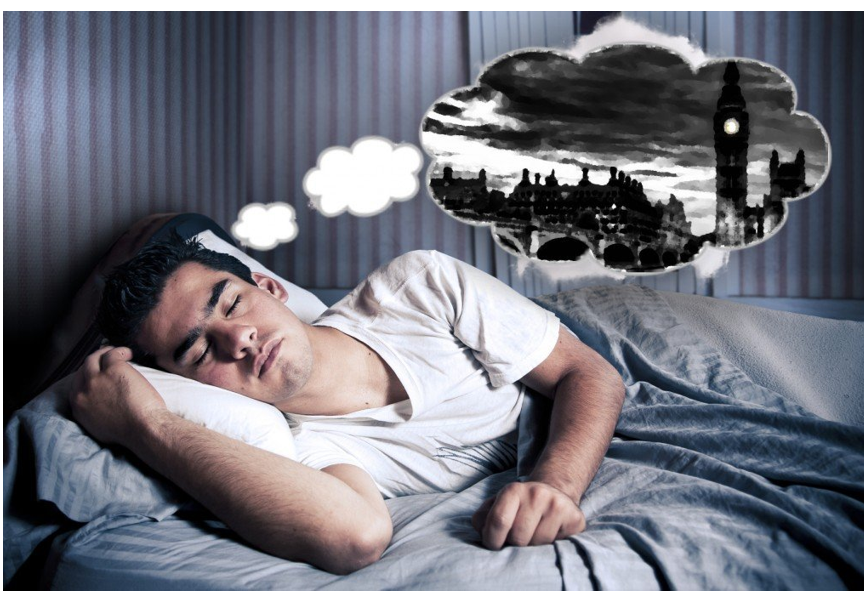
Many individuals report that they sleep on time, for example between 10:00 PM and 6:00 AM, yet still wake up feeling tired, drowsy, and lacking energy. They may not remember anything that occurred during their sleep and appear to have slept deeply. However, the absence of freshness indicates that the conscious and unconscious mind remained active throughout the night due to continuous dreaming.
In such cases, although sleep duration is adequate, mental calmness is absent. The brain remains overactive, processing visuals and thoughts even with closed eyes. This continuous mental activity disrupts restorative sleep and results in fatigue upon waking.
This condition falls under REM Sleep Behavior Disorder, which is another significant category of sleep disorders requiring proper diagnosis and management.
Importance of Correct Diagnosis and Holistic Management of Sleep Disorders
Sleep disorders can be broadly classified into several types, and proper identification of the exact disorder is essential for successful treatment. Treating a patient without understanding the root cause of their sleep problem often leads to ineffective results. For example, if a person is suffering from REM Sleep Behavior Disorder but is treated for narcolepsy, the treatment will not work. Therefore, accurate diagnosis is the foundation of effective sleep therapy.
Understanding the Root Cause Through Counseling
In cases of sleep disorders, counseling and detailed conversation with the patient play a crucial role. Each and every symptom, habit, emotional factor, and lifestyle pattern must be carefully discussed. Only through thorough interaction and clinical experience can a practitioner truly understand what type of sleep disorder a person is facing.
Once the root cause is identified, appropriate therapies, lifestyle tips, and routine exercises can be recommended. These individualized interventions help patients gradually overcome their sleep-related problems.
Complementary and Holistic Treatment Approaches
When patients visit doctors, psychologists, or therapists, they are often advised to follow a complementary health approach. This holistic strategy may include:
- Melatonin support when required
- Mindfulness-based therapies
- Relaxation therapies
- Meditation and yoga
- Massage therapy
All of these therapies work together to restore the natural sleep–wake cycle and calm the nervous system.
Role of Hormones and Nutrition in Sleep
Sleep is closely connected to the balance between stress hormones and anti-stress hormones in the body. Any disturbance in this balance can directly affect sleep quality.
In some cases, melatonin supplements may be prescribed for a limited duration, especially during chronic phases of sleep disorders. However, natural sources of melatonin should always be encouraged. Foods such as green leafy vegetables, fruits, seeds, and nuts are naturally rich in melatonin and should be included in the daily diet.
Supplements should be used only when necessary and under guidance, while long-term improvement should focus on nutrition and lifestyle correction.
Relaxation Therapies and Lifestyle Practices
Relaxation is an essential component of sleep management. Various relaxation therapies can be chosen based on individual preference, availability, and affordability. For example, receiving a massage at least once a week can be highly beneficial. Massage therapy has proven scientific benefits—it relaxes deep tissues, improves circulation, and supports detoxification.
Daily practices such as 15 to 20 minutes of deep breathing exercises are extremely effective in calming the mind and nervous system. Apart from this, engaging in activities that bring happiness and satisfaction is also a form of relaxation therapy. Helping others, playing with pets, listening to favorite music with closed eyes, or simply spending quiet time alone can all contribute to mental relaxation.
It is important to ensure complete mental relaxation for at least 15 to 20 minutes, and at most up to one hour. Excessive indulgence is not required and may even become counterproductive.

Deep Breathing vs. Meditation in Sleep Disorders
Many people commonly suggest meditation as a solution for stress and sleep disorders. However, meditation is often misunderstood. Meditation is a deep and advanced practice that requires mental stability and consistency.
During periods of high stress or chronic sleep disorders, meditation may actually intensify negative thoughts, as it involves looking inward. At such times, the priority should be to release emotional and mental stress rather than suppress it.
Deep breathing (Pranayama or AYA) is far more effective during acute stress and sleep disturbances. Once a person feels relaxed and emotionally stable, meditation can be gradually introduced. Meditation is not a short-term practice—it requires long-term discipline to create positive changes in the body, mind, and soul.
Sleep Scheduling and Lifestyle Discipline
Maintaining a fixed sleep schedule is one of the most important steps in managing sleep disorders. This is especially crucial for individuals working in shifts.
Afternoon naps should generally be avoided, as they can disturb nighttime sleep. However, if no alternative is available due to work demands, short naps may be taken cautiously. Ideally, sleep should be consolidated into one continuous stretch of six to eight hours, preferably at night.
Disorders such as Delayed Sleep Phase Syndrome often prevent individuals from getting sufficient sleep, yet they are still required to wake up early due to daily responsibilities. In such cases, strict routine management becomes essential to prevent further deterioration of sleep quality.
Afternoon Naps, Electronics, and Their Impact on Sleep Quality
Many people try to compensate for inadequate night sleep by taking long afternoon naps. However, this approach often leads to a vicious cycle that further disturbs the natural sleep rhythm. Sleeping for two hours in the afternoon—commonly between 2:00 to 4:00 PM or 3:00 to 5:00 PM—is not considered a short nap but rather an extension of sleep. Such prolonged daytime sleep directly affects nighttime sleep quality and delays sleep onset.
Afternoon Naps: When Are They Helpful?
A true nap should ideally last 10 to 15 minutes. Short naps can be refreshing and are generally safe for most individuals if time and circumstances allow. However, sleeping for one to two hours in the afternoon is not advisable, especially for individuals suffering from sleep disorders such as Delayed Sleep Phase Syndrome.
For those undergoing treatment for sleep disorders, long afternoon naps should be strictly avoided, as they interfere with nighttime sleep and slow down recovery. If unavoidable, naps should be kept very short and taken earlier in the day.
The Role of Electronic Devices in Sleep Disturbance
One of the most important lifestyle changes for improving sleep quality is avoiding electronic devices at least 30 to 40 minutes before bedtime. This practice is crucial and strongly supported by scientific evidence.
In earlier times, before smartphones became common, people typically watched television for a limited period, spent quality time with family, and then went to bed. Today, however, smartphones are used excessively by all age groups—from children to elderly individuals.
During counseling sessions, it is often observed that even couples spend hours in the bedroom scrolling through their individual smartphones without interacting with each other. This not only affects relationships but also severely impacts sleep health.

Blue Light and Melatonin Suppression
Smartphones, laptops, televisions, and other electronic devices emit blue light, which has been scientifically proven to interfere with the body’s natural sleep mechanism. Blue light suppresses the secretion of melatonin, the hormone responsible for regulating sleep.
This is especially concerning because melatonin supplements are often prescribed to improve sleep. If electronic devices are already suppressing melatonin production, the effectiveness of treatment reduces significantly. Therefore, avoiding screen exposure before bedtime is a simple yet powerful step in restoring healthy sleep patterns.
Practical Guidelines for Electronic Device Usage
To protect sleep quality, the following practices are strongly recommended:
- Avoid using smartphones, laptops, televisions, or other screens 30 to 40 minutes before bedtime.
- Emergency situations are exceptions, but routine use should be minimized.
- Do not keep electronic devices close to the bed while sleeping.
- Ideally, keep mobile phones outside the bedroom.
- If this is not possible, place devices at least four feet away from the bed.
In metropolitan cities where bedroom sizes are often small, maintaining distance from electronic devices becomes even more important to reduce constant stimulation and electromagnetic exposure.
Creating a Sleep-Friendly Environment
The bedroom should be a space dedicated to rest, relaxation, and sleep, not constant digital engagement. Keeping electronic devices away from the bed helps calm the nervous system and prepares the mind for restful sleep.
Simple lifestyle modifications—such as avoiding long afternoon naps, reducing screen time before bed, and maintaining distance from electronic devices—can significantly improve sleep quality and support recovery from sleep disorders.
Creating an Optimal Bedroom Environment for Better Sleep
A healthy sleep environment is a critical factor in improving sleep quality and managing sleep disorders. Even small changes in bedroom setup, lighting, air circulation, and daily routines can have a significant impact on the body’s natural rhythm and overall well-being.
Distance from Electronic Devices
Many people keep their mobile phones or other electronic devices near their beds. In small urban bedrooms, it may not always be possible to place devices far away, but ideally, a minimum distance of four feet from the bed should be maintained. If possible, consider placing electronic devices in another room, such as the kitchen or living room. This simple adjustment helps reduce distractions and exposure to electromagnetic waves, which can interfere with sleep.
Creating a Pleasant and Calm Bedroom
A comfortable and serene bedroom environment is essential for restorative sleep. Naturopathy and alternative therapists emphasize that the bedroom should be visually and physically calming. Some key tips include:
- Cleanliness: Ensure that your bed sheets, pillows, and surroundings are clean and comfortable.
- Lighting: Use soft, calming lights that are easy on the eyes. Avoid harsh or overly bright lighting in the bedroom.
- Air circulation: Proper ventilation is important for a comfortable sleep environment. Ensure fresh air circulation and adjust windows or fans as needed.
- Noise management: For those living in noisy areas, consider soundproofing options like soundproof glass or heavy curtains to minimize disturbances.
Enhancing the Sleep Atmosphere
Small touches can improve the ambiance of your bedroom and create a positive psychological effect on sleep:
- Arrange pillows and bedding comfortably.
- Use calming and familiar decor that makes the space inviting.
- Incorporate relaxing scents or minimal ambient lighting if it helps with relaxation.
These adjustments trigger the release of serotonin, the happiness hormone, which naturally improves mood and encourages restful sleep.
Avoid Stimulants in the Evening
Consumption of caffeine, tea, coffee, or alcohol after 4:00 PM should be avoided as these substances disrupt sleep patterns. Similarly, heavy or late dinners can interfere with the natural circadian rhythm:
- Early Dinner: Aim to finish dinner before sunset, or at least by 7:30–8:00 PM in metro lifestyles. Eating late, after 9:00 PM or 10:00 PM, can disturb the sleep cycle, particularly for individuals with digestive imbalances.
Naturopathy Tips for Sleep Position
The body’s sleeping position also plays a role in physical and mental health. According to naturopathy:
- Avoid lying on your stomach: This position is often associated with feelings of sadness or depression and can strain internal organs.
- Avoid lying flat on your back if you have digestive issues or snoring problems, as it may worsen discomfort or sleep disturbances.
Correct sleeping posture supports proper body alignment, aids digestion, reduces snoring, and contributes to better mental and emotional health.
Naturopathic Guidelines for Proper Sleeping Positions and Techniques
Proper sleeping positions and techniques play a critical role in ensuring restorative sleep, maintaining energy levels, and supporting overall physical and mental health. Incorrect positions can aggravate digestive issues, reduce sleep quality, and worsen chronic fatigue.

Recommended Sleeping Positions
Sleeping on the back continuously throughout the night is generally not recommended. Individuals who lie flat on their back for long periods may experience:
- Digestive discomfort or issues related to abdominal organs.
- Snoring or breathing difficulties.
- Lower energy levels due to inefficient circulation and body alignment.
Instead, naturopathy emphasizes sleeping on the side:
- Left Side: Beneficial for individuals requiring more energy or dealing with digestive challenges. Sleeping on the left side helps activate the right nostril, promoting circulation and life force (prana) flow throughout the body. This position can also help open the body’s cooling channels, providing natural relief in hot conditions.
- Right Side: Ideal during warm weather or for individuals experiencing hot flashes. Sleeping on the right side helps activate the left nostril and the cooling aspect of the body, promoting calmness and restful sleep.
Individuals can choose their preferred side based on natural dominance: right-handed people may find the right side more comfortable, while left-handed individuals may prefer the left side. Twisting and turning during sleep is normal, but maintaining a general side-sleeping posture is recommended for optimal health.
Breathing Techniques to Support Sleep
Correct breathing techniques complement proper sleep positions. Many people practice shallow or incorrect breathing, which reduces relaxation and oxygenation during sleep.
Deep Belly Breathing Guidelines:
- On inhalation, allow the stomach to expand outward.
- On exhalation, allow the stomach to contract inward.
- Avoid shallow chest breathing, which does not fully oxygenate the body and can increase stress.
Regular practice of deep belly breathing helps regulate the autonomic nervous system, improves oxygen flow, and supports restorative sleep.
Naturopathic Yoga Practices for Sleep Disorders
Certain yoga asanas can aid in managing sleep disorders and improving relaxation:
- Kriya Asanas and Ba Asanas: These asanas stimulate the body’s natural rhythms, promote relaxation, and help balance energy channels.
- Integration with Breathing Exercises: Combining yoga with proper deep belly breathing amplifies the effects of restorative sleep and relaxation.
Understanding Stress in Relation to Sleep
Stress is an unavoidable part of modern life and directly impacts sleep quality. Effective stress management is essential for healthy sleep patterns. Naturopathy encourages practical stress-coping techniques rather than aiming for a completely stress-free life, which is unrealistic.
- Stress should be acknowledged, not ignored.
- Practices such as deep breathing, yoga, and relaxation therapies can help divert stress and minimize its impact on sleep.
Understanding Stress: A Naturopathic Perspective
Stress is an inevitable part of modern life, yet defining it precisely is challenging. Its perception varies from person to person, depending on individual preferences, experiences, and coping mechanisms. In naturopathy, stress is understood not only as a psychological phenomenon but also as a physiological response to any change that requires adjustment.
The Subjective Nature of Stress
Stress cannot be universally defined because it encompasses a wide range of experiences. What may be stressful for one person can be enjoyable for another. For example:
- Talking extensively may be stressful for one individual but therapeutic for another.
- Listening to certain types of music, such as hip-hop, may cause stress for some, while others find it relaxing or invigorating.
Ultimately, stress is a personal experience. No philosopher, psychologist, or scientist can define it perfectly for anyone else. Each individual is the best judge of whether they are under stress or managing it effectively.
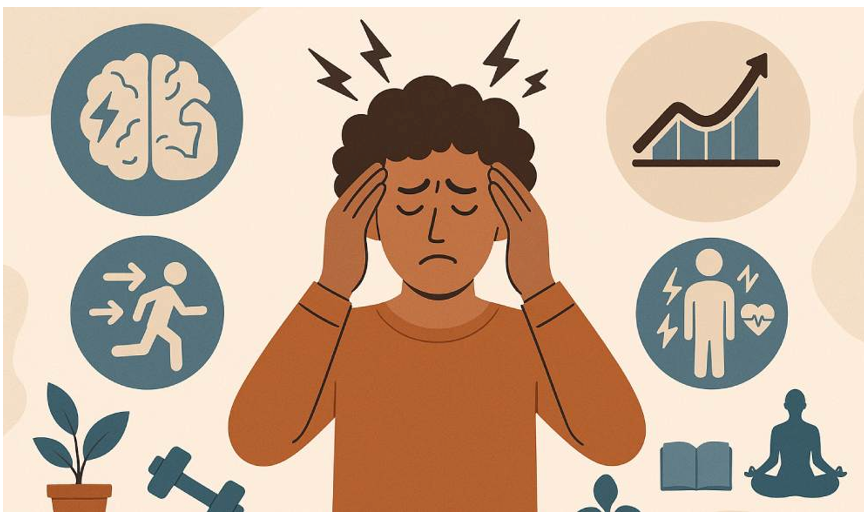
Stressors and Their Effects
Stressors are external or internal triggers that provoke stress. These can include:
- Academic pressures: Exams, deadlines, and performance expectations can create stress, even if the situation is objectively manageable.
- Professional demands: Work deadlines, corporate targets, and project responsibilities can trigger stress, depending on personal interpretation and coping ability.
It is important to note that stress is not inherently negative. The body responds to change with physical, psychological, and emotional reactions. The response may be:
- Positive: Stress can motivate, enhance creativity, focus, and productivity. It can prepare individuals to handle challenges effectively.
- Negative: Excessive or unmanaged stress can lead to psychological strain, physiological imbalance, and reduced overall well-being.
The Role of Perception in Stress
How a person perceives a situation significantly influences their stress response. For example:
- Parents may feel stressed when trying to manage the younger generation, while the children themselves remain unaffected.
- Individuals may react negatively to new experiences or foods their body is not accustomed to, similar to the stomach rejecting unfamiliar dietary changes.
Stress is essentially the body and mind’s reaction to situations that require adaptation. Understanding one’s own limits and responses is crucial for managing stress effectively.
Naturopathic Insights on Stress Management
Naturopathy emphasizes awareness and conscious management of stress. Key principles include:
- Awareness of stress responses: Recognizing both physical and psychological signs of stress allows timely interventions.
- Positive stress utilization: Transforming certain stressors into motivators can increase productivity and creativity.
- Support systems: Seeking guidance or assistance during periods of heightened stress helps restore balance and prevent long-term negative effects.
By understanding stress as a natural response and actively managing it, individuals can maintain both mental clarity and physical health. The goal is not to eliminate stress entirely, but to harness it constructively and minimize its harmful impact.
Stress Management: Cultivating Positivity and Understanding Stress Types
Stress is an inevitable aspect of life, but how we perceive and respond to it determines whether it becomes a burden or a motivator. A key principle in managing stress is cultivating a positive mindset. Feeding the mind with positivity is not a short-term exercise—it is a lifelong practice that must be integrated into your daily routine.
Embracing Positivity Amid Challenges
Even when circumstances are unfavorable or responses from others are not positive, maintaining a positive outlook is crucial. Over time, consistently thinking positively allows outcomes to align with your efforts. A useful mantra to remember is:
“Let it be. I will focus on doing my work honestly and to the best of my ability, and let others think what they want.”
Listening to others’ opinions excessively can create negativity. True support and motivation often come from within yourself, not from external sources. Studies, lectures, and podcasts on this approach have helped many individuals transform their mindset and approach to challenges.
Transforming Stress into Productivity
Stress is not inherently negative. It can be a driving force that motivates productivity, creativity, and goal achievement. For instance, meeting a work deadline under pressure can lead to promotions, recognition, and satisfaction once the task is completed. The perception of stress determines whether it has a positive or negative impact on an individual.
Chronic Stress and Its Effects
When stress becomes intense or prolonged, it can interfere with daily life. Chronic stress may manifest through symptoms such as:
- Irritability
- Difficulty concentrating
- Anxiety and racing thoughts
- Constant worry
- Headaches
- Feeling overwhelmed
Physical symptoms can also occur, including rapid heartbeat, chest pain, or a sensation of heaviness in the chest. In extreme cases, individuals may perceive heart-related symptoms even without a medical issue. Recognizing these symptoms early is essential for proper stress management.
Classification of Stress
Psychologists and therapists typically classify stress into four categories, helping to guide treatment and interventions:
- Acute Stress:
- The most common form of stress, often triggered by immediate demands or pressures.
- Short-term and situation-specific, such as exam stress or a tight work deadline.
- Generally resolves once the stressor is removed, providing relief.
- Episodic Stress:
- A more persistent form of acute stress.
- Occurs when individuals frequently experience stressful situations without adequate relief.
- Can lead to a sense of continuous pressure, affecting overall well-being.
- Chronic Stress:
- Long-term stress that persists over weeks, months, or years.
- Can negatively impact both mental and physical health if not addressed.
- Eustress:
- Positive stress that motivates and energizes.
- Helps individuals remain focused, productive, and resilient in challenging situations.
Key Takeaways
- Stress is a non-specific response to any demand for change.
- Acute stress is normal and often beneficial, while episodic and chronic stress require careful management.
- Positivity, self-awareness, and conscious coping strategies are essential to transform stress into a productive force.
- Consistently practicing positive thinking and focusing on what you can control enhances resilience and overall well-being.
Understanding Chronic Stress and Eustress: Turning Challenges into Opportunities
Stress affects everyone, but its impact varies depending on its type and duration. While occasional stress can be manageable, continuous or long-term stress can have serious consequences on physical and mental health.
Episodic Stress: The Continuous Burden
Episodic stress occurs when an individual repeatedly faces stressors without sufficient relief. For example, consider a middle-class individual managing a monthly budget. At the start of the month, when salary is received, everything seems manageable. However, as expenses accumulate and resources dwindle, the individual constantly worries about balancing finances.
During the first week of the month, relief may be felt, but for the remaining three weeks, stress persists. This cycle illustrates episodic stress—continuous concern triggered by recurring challenges, creating ongoing mental and emotional strain.
Chronic Stress: When Relief Seems Impossible
Chronic stress is long-term stress that persists month after month or even year after year. In such cases, individuals often feel trapped, unable to find solutions or relief. Even when attempts are made to manage the stress, setbacks can reinforce the sense of helplessness.
Chronic stress can affect every aspect of life—physical health, mental clarity, relationships, and overall well-being. Professional intervention is often necessary to help individuals navigate chronic stress and develop effective coping strategies.

Eustress: The Positive Side of Stress
Not all stress is harmful. Eustress, or positive stress, motivates individuals to achieve their goals and realize their potential. While stress is typically associated with pressure and discomfort, eustress can inspire creativity, resilience, and determination.
Many successful individuals have faced tremendous challenges, yet their ability to channel stress positively helped them rise from adversity. Reading about the journeys of resilient figures, such as those who overcame immense obstacles, can inspire and reinforce a positive approach to stress. The mythical Phoenix, which rises from its ashes, serves as a symbolic reminder of the transformative power of eustress.
Cortisol: The Stress Hormone and Its Effects
Cortisol, often called the “stress hormone,” is secreted by the adrenal glands in response to stress. Elevated cortisol levels are associated with numerous health issues, including:
- High blood sugar
- Elevated cholesterol
- Hypertension
- Increased risk of chronic illnesses
When a person experiences sadness, anxiety, or prolonged stress, cortisol levels rise naturally. While this response is involuntary, awareness and proactive coping strategies can help mitigate its negative effects.
Managing Stress Effectively
To reduce stress and its physiological impact:
- Stay positive: Train your mind to focus on constructive and solution-oriented thoughts.
- Seek perspective: Learn from inspiring stories or individuals who have overcome adversity.
- Use professional guidance: Chronic stress may require intervention from therapists or psychologists.
- Lifestyle adjustments: Regular physical activity, proper sleep, and mindful practices can help regulate cortisol and enhance overall well-being.
Stress is an inherent part of life, but its effects depend on how we respond. By understanding the types of stress—episodic, chronic, and eustress—and taking conscious steps to manage it, we can maintain our health, focus, and resilience in the face of challenges.
Hormones, Anti-Stress Mechanisms, and the Importance of “Me Time”
Stress affects the body not only psychologically but also physiologically. Understanding how our hormones respond to stress and how to counteract these effects is essential for overall well-being.
The Role of Cortisol
Cortisol, secreted by the adrenal glands, is often called the “stress hormone.” Once released into the bloodstream, cortisol prioritizes energy delivery to the brain, sometimes at the expense of other bodily systems.
High cortisol levels can negatively affect the brain, interfere with glucose metabolism, and disrupt mitochondrial function, leading to elevated blood sugar and other metabolic imbalances. While cortisol is vital for immediate stress responses, chronic elevation can harm physical and mental health.

Boosting Anti-Stress Hormones
To counteract the negative effects of cortisol, the body relies on four key anti-stress hormones: endorphins, dopamine, serotonin, and oxytocin. Here’s how to naturally enhance them:
- Endorphins – Known as natural painkillers, endorphins are released during rigorous physical activity. Exercises lasting 30–40 minutes, causing perspiration and physical exhaustion, effectively stimulate endorphin production. Simple walks or brief exercises are usually insufficient.
- Dopamine – Often associated with motivation and reward, dopamine increases when we accomplish goals or engage in meaningful, positive work. Achieving objectives, however small, triggers feelings of satisfaction and happiness, naturally boosting dopamine levels.
- Serotonin – Known as the “happy hormone,” serotonin levels rise through acts of kindness and positive social interactions. Helping others, volunteering, or simply performing good deeds enhances serotonin production, promoting a sense of well-being.
- Oxytocin – The “bonding hormone,” oxytocin increases through safe, positive physical touch. Hugging a loved one, shaking hands during happy or unexpected moments, or sharing supportive gestures can naturally elevate oxytocin levels, reinforcing social bonds and emotional stability.
These hormones can be enhanced naturally without the need for supplements—through exercise, kindness, social connection, and mindful practices.
Relaxation Techniques and Mind-Body Care
In addition to hormone regulation, relaxation therapies play a crucial role in reducing stress:
- Massage Therapy: A full-body massage helps release tension, improve circulation, and rejuvenate both mind and body.
- Mindful Relaxation: Simple activities like listening to music, deep breathing exercises, or quiet reflection can reduce stress levels significantly.
- Sleep Hygiene: Prioritizing adequate, high-quality sleep ensures the body has time to repair and regulate hormone levels effectively.
The Importance of “Me Time”
In today’s busy lifestyle, taking time for oneself is often overlooked but critically important. “Me time” involves dedicating 10–20 minutes daily to check in with your body, mind, and emotions.
During this time, one can:
- Observe personal needs and desires
- Reflect on daily activities and emotional responses
- Focus on relaxation and mindfulness
- Reconnect with oneself without distractions
This simple practice strengthens self-awareness, reduces stress, and improves overall quality of life.
Stress Management, Vacations, and the Healing Power of Expression
Managing stress is not only about understanding the body and mind but also about applying practical techniques in daily life. Simple lifestyle practices, small changes, and positive diversions can have a profound impact on mental and physical well-being.
The Importance of Vacations
Vacations are essential for everyone, regardless of age or occupation. For housewives, who often manage the household without a break, vacations provide a refreshing change from routine. For children, it offers opportunities for growth and exploration. For working professionals, a break from workload is critical to recharge both mind and body.
Vacations need not be extravagant. Simply stepping out of your home—whether within the city or beyond—is enough to experience a change in environment, mood, and perspective. Exposure to new surroundings helps relax the mind, reduce stress, and rejuvenate energy levels.

The Power of Speaking and Expression
Open communication and self-expression are vital for mental health. Many individuals, especially women in conservative or restrictive societies, may feel constrained in expressing their thoughts and feelings. Bottling up emotions can lead to stress and depression.
Talking openly, whether with a trusted companion, a camera, or even a mirror, allows one to release inner tension. Expressing thoughts aloud helps clarify feelings, reduce mental burden, and create a sense of control over one’s life.
Reactions and Decision-Making
Learning to respond consciously to situations is an important life skill. Reactions, whether a simple “yes” or “no,” reinforce self-confidence and help establish personal boundaries. Thoughtful reactions allow others to understand priorities, respect personal choices, and improve interpersonal relationships.
Diversions and Hobbies as Stress Relief
Diversions play a crucial role in stress management. Engaging in activities you enjoy—such as music, dance, shopping, or watching movies—can effectively divert the mind from stressors. Hobbies offer relaxation, mental stimulation, and emotional satisfaction. The key is to choose activities that resonate with your interests, comfort, and available resources.
The Role of Natural Remedies
Nature provides herbs and remedies that support mental and physical health. Depending on individual needs, specific herbs can be used to target certain conditions:
- Brahmi – Helps improve memory and cognitive functions, especially under stress.
- Ashwagandha – Reduces mental fatigue and promotes emotional stability.
- Aloe Vera – Supports digestion and overall vitality.
- Other herbs – Various natural remedies can address issues like constipation, fatigue, or hormonal imbalance.
These natural solutions complement lifestyle practices but should be chosen according to personal needs and effects.
Stress, Sleep, and Natural Remedies: A Holistic Approach
Stress and sleep disorders are deeply interconnected, and managing them effectively requires a combination of lifestyle practices, natural remedies, and self-awareness. Understanding the root cause of stress and its physical manifestations can empower individuals to regain control over their mental, emotional, and physical health.
Using Natural Remedies for Stress and Digestion
Certain natural herbs can help address specific stress-related symptoms and improve overall wellness. These remedies are safe, effective, and have no known side effects when used in normal dosages:
- Chia Seeds – Helpful in regulating acid reflux, especially after late-night or spicy dinners that may disturb gut health.
- Brahmi – Supports cognitive function and reduces stress-related mental fatigue.
- Ashwagandha – Improves energy levels and emotional stability.
- Amruta (Guduchi) – Supports metabolism and aids in regeneration of body tissues.
- Other Herbs – Depending on individual needs, herbs like Aloe Vera, Triphala, or Alfalfa can be used to support digestion, immunity, and stress management.
These herbs can be used individually or in combination, once or twice a day, depending on availability and personal requirements. For patients or clients, recommending these natural remedies alongside therapies can enhance mental and emotional resilience.
Sleeping Positions and Physical Comfort
Proper sleeping positions are crucial for sound sleep and overall health. Individuals with shoulder pain, frozen shoulder, or one-sided discomfort should adjust their sleeping posture to reduce pressure and prevent further strain. Alternating sides throughout the night can provide relief and improve sleep quality.
Insights from Stress Research
Long-term research on stress highlights its widespread effects on both mind and body. Lack of sleep is one of the most significant contributors to elevated stress levels, primarily because it increases cortisol, the body’s stress hormone. High cortisol levels can lead to:
- Weight gain around the abdomen (often referred to as “cortisol belly”)
- Disrupted menstrual cycles and fertility issues
- Insulin resistance and metabolic problems
- Acid reflux, gut disturbances, and other digestive issues
Interestingly, individuals who manage stress effectively—through practices that enhance endorphins and serotonin—can thrive even under high-pressure circumstances, as demonstrated by world leaders and successful professionals.
Types of Stress
Stress is not inherently negative. There are multiple types of stress:
- Positive Stress – Examples include exam stress, interview stress, or challenging work goals. This form of stress can motivate, enhance focus, and promote personal growth.
- Negative Stress – Arises from self-imposed pressures, unhealthy relationships, or unmanageable situations. This type of stress negatively impacts physical and mental health, particularly the gut system, metabolism, and hormone balance.
Understanding the difference between positive and negative stress helps in managing it more effectively and prevents long-term health consequences.
Holistic Stress Management
Managing stress holistically involves:
- Lifestyle Adjustments – Incorporating proper sleep, balanced meals, and regular physical activity.
- Natural Remedies – Using herbs to support gut health, cognitive function, and stress resilience.
- Mental Techniques – Meditation, mindfulness, and self-reflection can help regulate emotional responses and reduce cortisol levels.
- Positive Diversions – Engaging in hobbies, vacations, or leisure activities to redirect attention and relax the mind.
By addressing both the physical and mental aspects of stress, individuals can prevent sleep disorders, digestive issues, and hormonal imbalances, leading to better health and overall well-being.
Stress, Sleep, and Gut Health: A Holistic Perspective
Our health is intricately connected to stress, sleep, and the functioning of our digestive system. When these aspects are balanced, the body is naturally resilient, and the risk of disease significantly reduces.
The Body’s Resilience
The human body is designed with incredible resilience. Unlike machines or cars, we are not equipped with “spare parts.” Every organ has a vital function, and when the body becomes unwell, it is often due to chronic stress, poor sleep, or lifestyle imbalances. Addressing these factors can prevent illness and promote overall well-being.
Sleep and Hormonal Balance
Sleep is a critical factor in managing stress and maintaining optimal health. Lack of sleep, even for a few days, can make ordinary situations feel overwhelmingly stressful. Proper sleep helps regulate key hormones such as:
- Leptin – Signals feelings of fullness and regulates appetite.
- Ghrelin – Stimulates hunger; elevated levels due to sleep deprivation can lead to overeating and weight gain.
Following a natural daily rhythm, such as completing breakfast by mid-morning and ensuring digestion before sunset, supports healthy metabolic and digestive cycles. This timing aligns with the body’s energy flow, or “ti,” which affects organ function and overall vitality.

Gut Health and Digestive Patterns
Stress has a profound impact on the gut system, contributing to acid reflux, indigestion, and other gastrointestinal disturbances. Correcting and supporting gut health is foundational for preventing broader health issues. Simple interventions such as eating almonds, drinking herbal teas, or consuming pineapple or apple slices in the evening can support liver function and improve sleep quality.
Personalized Lifestyle Approaches
Individual differences play a significant role in how lifestyle practices affect health. For example, some people may be able to drink coffee before bed without sleep disruption, while others may find even a small cup of tea affects their rest. Understanding your body’s unique needs and responses is essential.
Stress Identification and Management
Before attempting meditation or mindfulness exercises, it is important to identify the root causes of stress. Stress may arise from:
- Relationship challenges
- Career pressures
- Financial burdens
Symptoms such as indigestion, nausea, constipation, or memory issues often indicate underlying stress. Addressing these physical signs, alongside emotional and psychological factors, is crucial.
Importance of Sleep for Brain Health
Sleep is essential for optimal brain function. During deep rest, the brain processes information, repairs itself, and maintains cognitive health. Without sufficient sleep, the brain may begin to “consume” its own resources, leading to memory issues and reduced mental performance. Prioritizing sleep is therefore critical not only for physical health but also for cognitive well-being.
Stress Hormones, Sleep, and Natural Remedies: Key Insights
Understanding Cortisol and Its Effects
Cortisol, often called the “stress hormone,” is secreted by the adrenal glands and circulates through the bloodstream. While it helps the body respond to stress by providing energy to the brain, elevated cortisol levels have negative effects on both the brain and glucose metabolism. High cortisol can interfere with mitochondrial function, leading to elevated blood glucose—a key concern for individuals with diabetes.
Managing cortisol is therefore critical for overall health. Techniques to naturally reduce cortisol include:
- Exercise: Continuous, moderate-to-intense exercise for 30–40 minutes, until the body feels exhausted, helps regulate stress and boosts anti-stress hormones.
- Positive actions: Engaging in acts of kindness, achieving personal goals, and avoiding negativity increases dopamine, serotonin, and oxytocin.
- Nutrition: Consuming green leafy vegetables, fruits, nuts, and seeds in their natural form supports both physical and mental well-being.
The Role of Anti-Stress Hormones
Our bodies produce four key anti-stress hormones:
- Endorphins – Released during exercise, laughter, and physical activity.
- Dopamine – Boosted by positive achievements and goal completion.
- Serotonin – Increases through acts of kindness and emotional satisfaction.
- Oxytocin – Stimulated by positive physical touch and human connection, such as hugging or holding hands.
Cultivating habits that increase these hormones can help counteract the effects of chronic stress.
Addressing Weakness and Fatigue
Even with a proper diet and adequate sleep, some individuals may experience weakness, often due to a lack of energy or “syndrome of fatigue.” To address this:
- Ensure sleep routines are consistent.
- Focus on nutrient-rich diets.
- Use targeted natural remedies like wheatgrass for fatigue and digestion support.
- Mindfulness exercises can help improve focus and reduce forgetfulness.
Sleep Disorders and Digestive Health
Sleep disorders, including obstructive sleep apnea or snoring, require individualized assessment and treatment. Stress, digestive issues, and improper nutrition can exacerbate these conditions. Combining proper lifestyle interventions with natural remedies—such as wheatgrass, herbs, and mindful practices—supports better sleep quality.

Preventing Nutrient Deficiencies
Deficiencies in essential nutrients are a common underlying factor in fatigue, poor immunity, and stress-related complications. Maintaining a diet rich in naturally available vitamins and minerals, alongside mindfulness and regular physical activity, is key to preventing these deficiencies.
Managing Stress, Chronic Disease, and Lifestyle Challenges
Observing Behavioral and Physical Changes
Negative behavior changes and physical symptoms can often indicate stress or underlying health issues. Awareness of these changes is the first step in managing overall well-being. Physical activity and proper observation play a key role in addressing these behavioral patterns, especially in children and adolescents.
Chronic Diseases and Timing Interventions
For individuals with chronic diseases such as diabetes, cancer, or metabolic disorders, lifestyle interventions can be highly effective. Timing of activities and dietary intake is important:
- Morning routines: Engaging in light physical activity and maintaining a healthy breakfast can support metabolism and reduce cortisol levels.
- Cortisol management: Cortisol levels tend to peak at different times of the day, and interventions such as stress-reducing exercises or mindful practices are more effective when aligned with natural hormonal cycles.
- Empty stomach intake: Certain natural supplements or foods consumed on an empty stomach may help improve metabolic regulation when done consistently over time.
Hyperactivity and Lifestyle Strategies
In cases of hyperactivity, particularly in children, observation and physical activity are key management tools:
- Structured physical activity helps channel energy positively.
- Observation and monitoring are essential to understanding patterns and triggers.
- Lifestyle adjustments, rather than quick fixes, are more effective in the long term.
Night Shift and Sleep Patterns
For individuals working night shifts, maintaining a consistent routine is crucial:
- Establish a fixed sleep schedule even when working irregular hours.
- Use sleep hygiene techniques, such as a darkened, quiet environment and limiting caffeine before bedtime.
- Align meals and light exposure to support circadian rhythm adjustments.
Practical Recommendations
- Focus on routine and observation: Short-term, result-oriented lifestyle changes can yield significant benefits.
- Address hyperactivity or behavioral changes with structured physical activity rather than relying solely on external interventions.
- For chronic disease management, align interventions with your body’s natural cycles for maximum efficacy.
- Apply knowledge in daily routines consistently and encourage sharing these practices to foster collective well-being.
Conclusion
Sleep disorders and stress are among the most prevalent health challenges of modern life, and their rising incidence clearly reflects the growing imbalance between mind, body, and environment. From a naturopathic perspective, these conditions cannot be viewed in isolation or treated merely as symptoms. Disturbed sleep is not just a night-time problem, and stress is not only a mental state; both are interconnected manifestations of deeper disharmony within the individual. Naturopathy emphasizes that true health exists only when physical, mental, emotional, and spiritual aspects are aligned, and any disturbance in one inevitably affects the others.
The holistic philosophy of naturopathy offers a comprehensive framework to understand and manage sleep disorders and stress by addressing their root causes rather than suppressing their expressions. Irregular lifestyles, improper diet, lack of physical activity, emotional suppression, excessive sensory stimulation, and disconnection from nature all contribute to disturbed sleep and chronic stress. Naturopathy aims to restore balance through natural means such as lifestyle correction, dietary regulation, stress management techniques, natural therapies, and mindful living. In this way, sleep becomes a natural outcome of internal harmony rather than a forced or medicated process.
Education plays a vital role in spreading this holistic understanding. While formal academic curricula provide essential theoretical foundations, naturopathy as a science and art of healing demands continuous learning beyond textbooks. Practical exposure, observation, and self-experience are crucial to truly grasp the principles of natural healing. Educational platforms such as lectures, demonstrations, audio-visual content, and daily routine guidance help bridge the gap between theory and practice, enabling learners to develop a deeper and more applied understanding of concepts like sleep physiology, stress response, and natural therapeutic interventions.
At advanced levels of education, such as Master’s and PhD programs, the focus should gradually shift from basic techniques to critical thinking, analytical reasoning, and integrative understanding. While foundational therapies remain important, advanced learners are expected to explore mechanisms of action, individual constitutional differences, psychosomatic links, and long-term lifestyle influences. This deeper inquiry not only strengthens clinical competence but also helps future practitioners educate patients more effectively and ethically.
At the same time, curiosity and questioning should never be discouraged. Asking questions is an essential part of learning, and seeking clarity reflects a sincere desire to understand. However, the nature of questions should evolve with academic progression, moving from “how to apply” toward “why it works” and “how it integrates with the whole system of health.” This shift in perspective is essential for nurturing skilled, confident, and responsible naturopathic professionals.
In conclusion, the naturopathic approach to sleep disorders and stress highlights the importance of holistic health, continuous learning, and self-awareness. By addressing root causes, promoting natural living, and encouraging deeper academic engagement, naturopathy not only helps individuals overcome sleep and stress-related issues but also empowers students and practitioners to become lifelong learners and compassionate healers.