

SuperFood
SUPERFOOD
Understanding Superfoods — Beyond the Hype
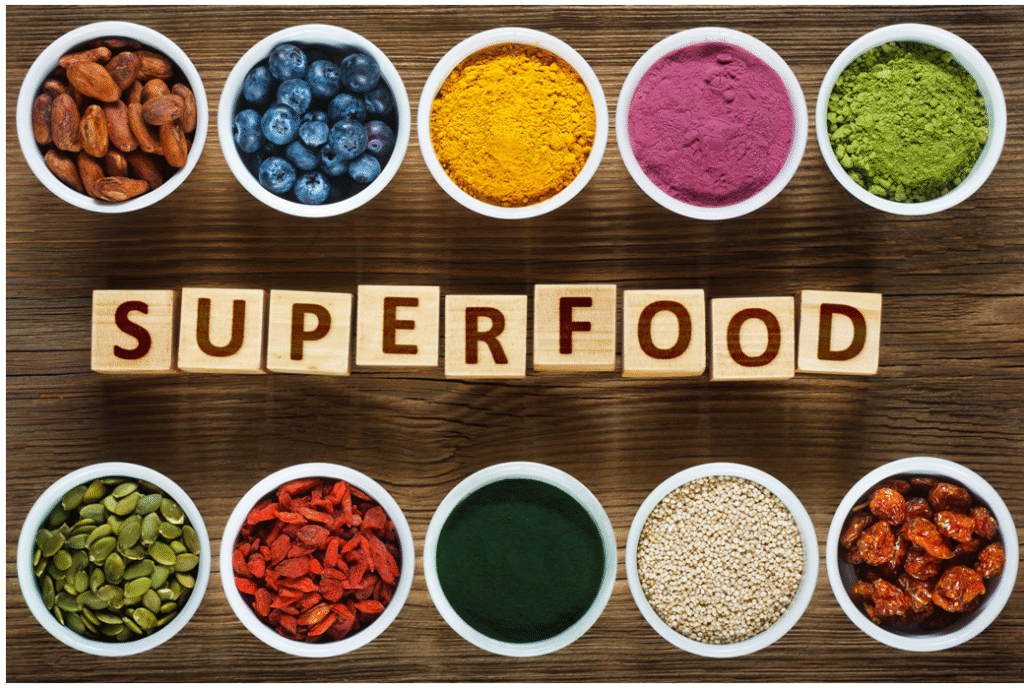
Today, we talk about superfoods.
When we hear the term superfoods, what first comes to our mind? Perhaps foods like quinoa, berries, acai berries, or spirulina — all of which sound exotic or trendy. For many people, the word superfood often feels like a marketing buzzword they see on Instagram — something new, fashionable, and visually appealing. However, the goal of this lecture is to go beyond this hype. Rather than looking at superfoods from an influencer or social media perspective, we will explore them from a physician’s point of view — scientifically, nutritionally, and clinically.
What Are Superfoods?
Superfoods are foods that are nutrient-dense, antioxidant-rich, anti-inflammatory, and hepatoprotective. Let us understand what each of these terms means.
- Nutrient-Dense Foods
When we say a food is nutrient-dense, it means that even a small quantity of that food provides a large amount of nutrients. In other words, you don’t need to eat a lot of it to get substantial health benefits.For example, a spoon of spirulina powder or a handful of nuts contains more vitamins, minerals, and proteins than a large serving of many other common foods. Such foods efficiently provide the body with essential nutrition, energy, and protection.
- Antioxidant-Rich Foods
Antioxidants are substances that help the body remain healthy and youthful. They protect our cells from damage caused by free radicals — unstable molecules that can harm cells, accelerate aging, and lead to chronic diseases. Antioxidant-rich foods help us stay young, active, and healthy. Because of these benefits, antioxidants are now widely recommended and prescribed for managing chronic metabolic diseases such as diabetes, cardiovascular disorders, and obesity. Some examples of antioxidant-rich superfoods include blueberries, green tea, turmeric, and dark chocolate.
- Anti-Inflammatory Foods
Anti-inflammatory foods help reduce inflammation in the body. Inflammation is the body’s natural response to infection or injury, but when it becomes chronic, it becomes the root cause of most diseases — including arthritis, heart disease, diabetes, and even cancer. By consuming anti-inflammatory foods such as turmeric, ginger, leafy greens, and flaxseeds, we can naturally bring down inflammation and promote better overall health.
- Hepatoprotective Foods
The term hepatoprotective comes from hepatic, which means liver. Therefore, hepatoprotective foods are those that protect the liver and help it function efficiently. The liver is a vital organ responsible for detoxifying the body, metabolizing nutrients, and regulating hormones. Foods like amla, garlic, turmeric, and green vegetables help strengthen liver function and protect it from toxins or stress.
Superfoods — From Tradition to Therapeutic Use
We already know that superfoods are nutrient-dense, antioxidant-rich, anti-inflammatory, and hepatoprotective. But let’s explore a deeper understanding of where this concept originated, how it evolved, and how it applies to clinical and everyday nutrition.
The Concept of Superfoods Is Not New
The idea of superfoods is not something new or modern. It has existed for decades, though the term itself has become more popular in recent years.
In fact, during 1918, during the time of the UFC famine, bananas were introduced as a nutritional solution.
Bananas became an easily available, affordable, and effective source of nutrition for the population. Everyone could access them, and they served as a valuable dietary component during that time of scarcity.
This example teaches us an important lesson — a superfood does not have to be exotic or imported from another country. A food can be considered “super” simply because of its nutritional value, accessibility, and benefits.
Local and Seasonal Superfoods
Most real superfoods are actually regional and seasonal. They are often the foods we have been eating since childhood — familiar items grown naturally in our local climate.
A simple banana, for instance, was once regarded as a superfood. It didn’t come in a fancy package or carry a foreign label, yet it was powerfully nourishing.
Superfoods are not about the fancy powders sold on Amazon or the beautifully labeled supplements in expensive jars. In reality, most of our true superfoods are growing right in our backyards — in our gardens, farms, or local markets.
Recognizing Local Superfoods
Let’s pause for a moment and reflect:
Can you think of one local superfood that you use regularly at home?
Perhaps it’s something you add to your meals every day — like turmeric, moringa leaves, amla, or tulsi. These common items often go unnoticed, yet they carry extraordinary nutritional and medicinal properties.
As we move forward in this discussion, you can think about your answer and share it when the session opens for questions and answers.
The Influence of Social Media on Food Perception
Today, most of us already know about superfoods. The problem, however, is not ignorance but misdirection. We have become heavily influenced by social media trends and health influencers.
Now, this is not to say that influencers are bad. In fact, many of them share useful information. But the issue arises when marketing and glamour overshadow science.
It often seems more appealing to promote something exotic — something that isn’t grown locally but comes in a shiny imported package. However, that does not define what a true superfood is.
A real superfood is something you can easily find in your own region, something seasonal, locally grown, and naturally suited to your body’s environment.

The Indian Perspective on Superfoods
So, let’s now focus on our Indian list of superfoods. India has a vast variety of locally available foods that offer immense health benefits.
Before discussing individual items, it’s important to understand how biochemistry connects to nutrition.
To make this easier, imagine a master table that summarizes key compounds in superfoods and their functions in the human body. This table simplifies the complex biochemical processes and helps you identify which nutrients benefit which conditions.
Using Biochemical Understanding in Practice
There is a lot of biochemistry behind superfoods, but we can simplify it.
For instance, this table highlights which bioactive compounds are responsible for specific health effects.
You should remember this table or even print it out. It will help you in both clinical and personal settings.
For example:
- If a food is rich in polyphenols, you’ll know that it supports immunity. So, for a patient recovering from a viral infection or with low immunity, foods high in polyphenols can be recommended.
- If someone comes with non-alcoholic fatty liver, liver necrosis, or fibrosis, you can think of hepatoprotective compounds like silymarin (found in milk thistle) and curcumin (found in turmeric). These help repair and protect liver cells.
By understanding these connections, you can design targeted dietary recommendations for patients. You can even decide combinations — such as pairing an antioxidant with an anti-inflammatory compound for holistic healing.
For example, if someone currently has a viral infection, you can include foods containing flavonoids, which have antiviral properties.
This biochemical understanding transforms food from being just a meal into functional medicine.
Beginning with the First Superfood: Wheatgrass
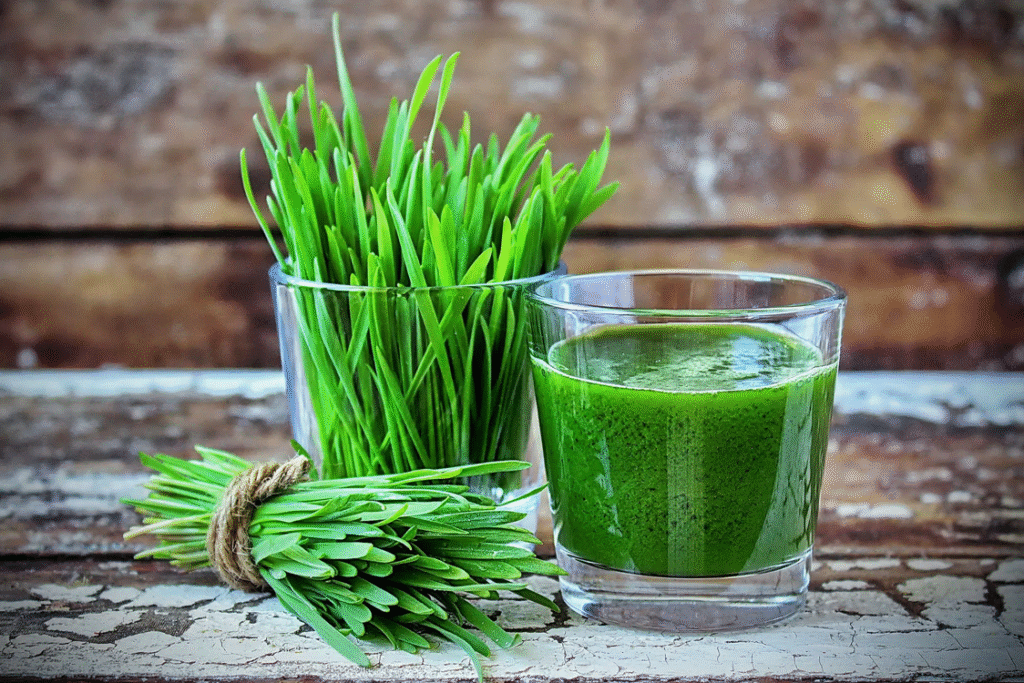
Now that we have set the foundation, let’s begin exploring individual superfoods — starting with one of the most remarkable ones: Wheatgrass.
What is Wheatgrass?
Wheatgrass is the fresh sprouted shoot of the wheat plant. It is harvested before the wheat grain develops — during its early growth phase — when the plant is at its peak nutritional state.
Why is Wheatgrass Special?
Wheatgrass is special because it contains a concentrated amount of vitamins, minerals, chlorophyll, enzymes, and amino acids in just a small serving. It acts as a natural detoxifier, immune booster, and rejuvenator for the body.
It is widely known for its alkalizing effect, helping balance the body’s pH, purify the blood, and promote liver health.
The Alkalizing Power and Healing Benefits of Wheatgrass
Wheatgrass is one of the most celebrated natural foods in the world of holistic health and naturopathy. It is known for its exceptional nutritional profile and its ability to support detoxification, strengthen immunity, and promote overall vitality. The reason wheatgrass holds such importance lies in its unique composition — it contains chlorophyll, flavonoids, and alkaloids, each contributing to its remarkable health benefits.
Wheatgrass and Its Alkalizing Nature
One of the most valuable properties of wheatgrass is its ability to alkalize the body. However, it is important to understand what “alkalizing” truly means in a scientific context.
When we say wheatgrass alkalizes the body, it does not mean it drastically changes the blood’s pH level. Our body’s pH operates within a very narrow and critical range, approximately between 7.36 and 7.44. This range is vital for survival because most of our biochemical and enzymatic activities depend on this balance.
If the body’s pH drops to around 7.1, it leads to a condition known as metabolic acidosis, which can be fatal. Similarly, if it rises beyond 7.5, it can cause metabolic alkalosis, which is equally dangerous. Therefore, maintaining this narrow range is essential for sustaining life and allowing all enzymes and metabolic processes to function efficiently.
Understanding the Concept of Alkalinity
When we talk about wheatgrass as an “alkalizing food,” it refers to the metabolic byproducts — not the direct change in blood pH.
To understand this, think of how burning wood leaves behind ash. Similarly, when our body metabolizes or breaks down food, it leaves a kind of “metabolic ash.” This metabolic residue can be acidic or alkaline, depending on the food we consume.
Foods that produce an alkaline ash — such as green leafy vegetables, fruits, and wheatgrass — help maintain a clean, balanced internal environment. This alkaline ash remains in the body until it is eliminated through stool, sweat, or respiration. Therefore, when we describe wheatgrass as alkalizing, we mean that its byproducts help reduce internal acidity and support detoxification, not that it changes the blood’s pH.
Scientific Findings and Therapeutic Benefits
Various studies have demonstrated the therapeutic potential of wheatgrass. It has been shown to:
- Reduce post-chemotherapy toxicity, helping patients recover from the side effects of cancer treatments.
- Improve symptoms of ulcerative colitis, aiding in the healing of the intestinal lining.
- Support cancer recovery, owing to its high antioxidant and detoxifying properties.
These findings underline why wheatgrass is often considered a superfood in natural medicine and integrative health systems.
Fresh vs. Processed Wheatgrass — What Matters Most
While wheatgrass is beneficial in many forms, it is crucial to note that fresh wheatgrass juice is the most potent. The vitality and enzymatic activity of wheatgrass remain at their peak for only about 20 minutes after extraction. Hence, consuming it fresh — ideally within 20 minutes of juicing — ensures that you receive the maximum chlorophyll, enzymes, and bioactive compounds.
Consuming packaged or bottled wheatgrass juice, on the other hand, is not recommended, as most of its live enzymes and nutrients degrade with time and exposure to light and air.
Alternative Forms — Powder, Pills, and Tablets
For individuals who do not have access to fresh wheatgrass, powdered or tablet forms are practical alternatives. These forms have a longer shelf life and can still offer significant nutritional value. However, it is essential to understand that the therapeutic potency of these processed forms is generally lower than that of freshly prepared juice.
To obtain similar effects from powder or tablets, one must consume them regularly and in adequate quantities, as their nutrient bioavailability is reduced during processing.
Wheatgrass: Dosage, Contraindications, and Safe Usage Guidelines
While wheatgrass is celebrated for its rich nutritional profile and alkalizing properties, it is equally important to understand its dosage, form, and possible contraindications to ensure safe and effective use in clinical and home-based naturopathic practice.
Nutrient Stability in Different Forms
Fresh wheatgrass juice contains a significant amount of vitamin C and flavonoids, both vital for antioxidant defense and cellular repair. However, as the juice undergoes dehydration during powder formation, the concentration of these nutrients — particularly vitamin C — diminishes. Hence, fresh juice remains the superior form nutritionally, though powders and tablets offer practical alternatives for daily supplementation.
Recommended Dosage and Administration
When prescribing or consuming wheatgrass, the form and dosage are critical to achieving therapeutic benefits without side effects.
- Fresh Wheatgrass Juice
- Dosage: Not more than 120 ml per day.
- Timing: Preferably on an empty stomach, unless the person suffers from ulcerative colitis or similar gastrointestinal issues — in such cases, it should be taken after food.
- Rationale: The live enzymes and chlorophyll act most effectively when the stomach is relatively empty, aiding detoxification and nutrient absorption.
- Wheatgrass Capsules
- Standard Size: Size ‘0’ capsule, containing 500 mg.
- Dosage: Two capsules twice daily (BID) after meals.
- Notes: Capsules are convenient for those unable to tolerate the taste of wheatgrass juice and ensure consistent intake.
- Wheatgrass Powder
- Dosage: Begin with ½ teaspoon twice daily; gradually increase to 1 teaspoon twice daily if tolerated.
- Maximum Limit: Although up to 40 g per day is considered safe, most practitioners recommend not exceeding 8 g daily to avoid laxative effects.
- Timing: Best taken after food, as chlorophyll may stimulate bowel movement when taken on an empty stomach.
Important Consideration:
Chlorophyll, being a natural cleanser, can act as a mild laxative. Therefore, a gradual increase in dosage helps prevent digestive discomfort, loose stools, or nausea. When consumed in capsule or tablet form, it is advisable to maintain at least a one-hour gap after meals or liquids for optimal absorption.
Contraindications and Allergic Reactions
Every natural remedy, despite its benefits, must be used with awareness of its contraindications.
Individuals with a known allergy to the grass family should avoid wheatgrass. Common indicators include:
- Development of hives after eating leafy greens.
- Seasonal allergies triggered during pollen season.
- Respiratory irritation upon exposure to grass or freshly cut plants.
For patients exhibiting these symptoms, it is advisable to conduct an IgG allergy test before prescribing wheatgrass. Though such cases are rare, clinical prudence is always recommended.
Possible Side Effects
Even in non-allergic individuals, excessive wheatgrass intake may occasionally cause:
- Nausea
- Mild abdominal pain
- Loose stools
- Skin rashes or hives
When such symptoms occur, it is a clear sign that the dosage is excessive for that individual. The practitioner or user should immediately reduce the dose or discontinue use temporarily before resuming at a lower quantity.
Moringa: The Miracle Tree of Life
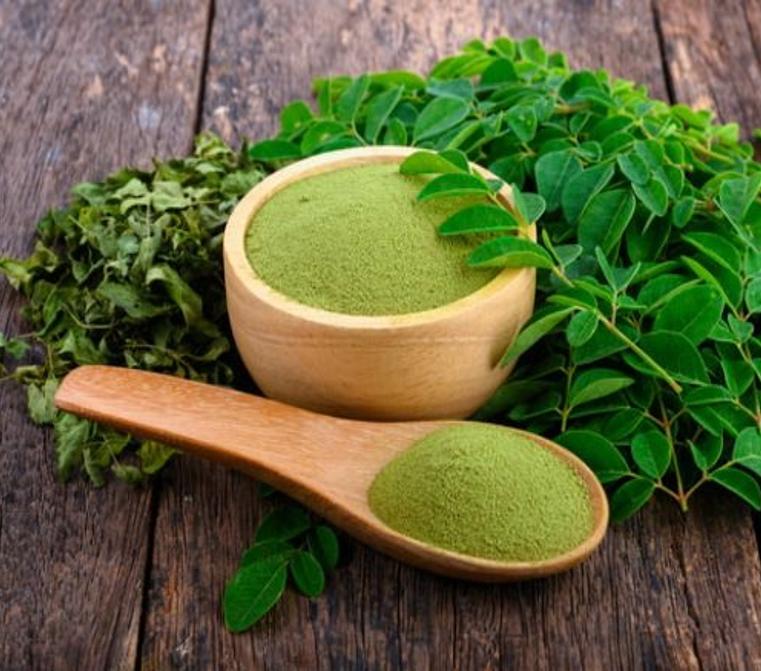
Transitioning from wheatgrass, another extraordinary superfood in naturopathy is Moringa oleifera, commonly known as drumstick tree. Revered in both Greek and Egyptian traditions, it has earned names like the “Miracle Tree” and “Tree of Life.”
Ancient civilizations valued moringa for its life-restoring properties, and numerous cultural stories reflect its powerful healing potential.
The Legend of Moringa
A popular tale from ancient India beautifully illustrates moringa’s miraculous power. It tells the story of a young prince, barely in his twenties, who fell gravely ill. Despite the best efforts of royal physicians, his condition worsened, and his survival seemed impossible.
One day, a royal physician, overwhelmed with despair, sat beneath a tree to reflect on the situation. As he pondered, a moringa leaf and flower gently fell onto his palm. With no hope left and guided by intuition, he ground the leaf and flower into a paste and administered it to the prince.
To everyone’s astonishment, the prince gradually recovered — marking the beginning of moringa’s recognition as a life-giving tree in traditional medicine.
Why Moringa Is Called the Miracle Tree
Moringa has earned its title because of its rich phytochemical composition — containing nearly 100 different natural chemicals identified to date. These compounds include vitamins, minerals, amino acids, flavonoids, alkaloids, and antioxidants, all working synergistically to support various physiological functions.
Interestingly, science has only identified a portion of moringa’s components, implying that there are still many undiscovered bioactive compounds yet to be studied. This vast chemical diversity translates into moringa’s ability to aid numerous conditions, making it one of nature’s most versatile healing plants.
This is the beauty of phytonutrients — natural, plant-derived compounds that provide nourishment, protection, and balance to the body without the side effects associated with synthetic pharmacological agents.
Phytonutrients vs. Pharmacological Nutrients
As explained by practitioners trained in both allopathic and naturopathic medicine, phytonutrients are always preferred over isolated pharmacological nutrients.
While pharmacological nutrients target specific deficiencies, phytonutrients work in a more holistic and adaptive manner — they identify what the body lacks and help restore balance naturally.
This personalized healing approach aligns perfectly with the principles of naturopathy, which emphasize treating the root cause rather than merely managing symptoms.
A Clinical Case: Moringa and Fertility Restoration
To better understand moringa’s effectiveness, consider this real-life clinical example shared by a naturopathic practitioner.
A woman, aged in her mid-thirties, initially visited the clinic with chronic back pain. Once her pain was resolved, she confided that she and her husband had been trying to conceive for 12 years without success.
She was a strict vegetarian, consuming very low levels of protein in her diet, and complained of fatigue, poor recovery, and hormonal imbalance. Despite using commercial protein supplements, her condition showed little improvement.
The Naturopathic Intervention
The practitioner suggested incorporating moringa leaves into her daily diet — either as a powder added to chapati dough, as chutney, or in other mild preparations. However, since excessive cooking reduces nutrient availability, she was instead given standardized moringa capsules, prepared from fresh farm-grown leaves and blended with amla for additional vitamin C and antioxidant benefits.
Moringa was chosen because it is a complete plant protein source containing 19 amino acids, including all the essential amino acids required for cellular repair and reproductive health.
Within just two months of supplementation:
- Her body composition improved remarkably.
- Protein levels normalized, enhancing muscular strength and stamina.
- Back pain disappeared completely.
- Most importantly, she conceived naturally after 13 years of marriage.
This case highlights moringa’s therapeutic versatility, not only as a nutritional supplement but as a functional food that supports fertility, hormonal balance, and tissue regeneration.
Nutritional Richness and Therapeutic Value
Moringa is a powerhouse of nutrients that contribute to overall health:
- 19 amino acids, including essential ones.
- Vitamins A, B-complex, C, E, and K.
- Calcium, iron, magnesium, potassium, and zinc.
- Antioxidants and flavonoids that protect against oxidative stress.
- Anti-inflammatory compounds that help reduce pain and promote healing.
Because of this exceptional nutritional profile, moringa is considered a natural multivitamin, capable of restoring deficiencies and improving vitality in both men and women.
Vegetarian Protein and B12 Myth
A common misconception among vegetarians is that they cannot meet their protein and B12 requirements without animal products. However, moringa challenges this belief.
As noted by the practitioner herself — a lifelong vegetarian who does not consume eggs — a balanced plant-based diet enriched with moringa, sprouts, legumes, and leafy greens can provide ample protein and essential micronutrients naturally.
Thus, moringa serves as an excellent plant-based protein alternative for those following vegetarian or vegan lifestyles.
Understanding How Phytonutrients Work
Unlike synthetic nutrients, phytonutrients from plants act intelligently within the body.
They “recognize” deficiencies and fill the nutritional gaps as needed. For example:
- If you are low in protein, moringa provides amino acids.
- If you are deficient in vitamin C, it replenishes it naturally.
- If your body lacks flavonoids or antioxidants, moringa delivers them in bioavailable form.
This adaptability and self-regulating nature make phytonutrients more harmonious with the human body — supporting its natural healing intelligence.
Holistic Approach to Healing
The key message here is not to treat patients in isolation, focusing on one symptom or organ. Instead, healing must consider the entire human system — body, mind, and spirit — nourished through the right balance of natural foods and herbs.
Moringa beautifully exemplifies this philosophy. It not only strengthens the body but also revitalizes energy, enhances mental clarity, and promotes reproductive health — truly living up to its name as the “Miracle Tree of Life.”
Moringa and Turmeric: Powerful Superfoods in Clinical Practice
Moringa: A Miracle Herb for Multiple Conditions
Moringa, also known as the drumstick tree or Moringa oleifera, has long been recognized for its exceptional nutritional and medicinal benefits. In naturopathic practice, it serves as a versatile remedy for several ailments ranging from inflammation to diabetes and respiratory issues.
Applications of Moringa in Clinical Practice
- Rheumatoid Arthritis and Joint Swelling:
For patients suffering from rheumatoid arthritis, where joints are red, swollen, and painful, Moringa leaves can be applied externally. A paste (pis form) made from fresh Moringa leaves can be applied directly over the affected areas. This method provides remarkable relief from inflammation and pain. - Diabetes Management:
In diabetic patients, Moringa can be used in combination with Gymnema sylvestre (Gurmar) to regulate blood sugar levels. A customized capsule blend of Moringa and Gymnema is effective in maintaining glucose balance and supporting overall metabolic health. - Kidney Stones:
For individuals dealing with kidney stones, the root of Moringa is beneficial. The root is made into a customized powder and prescribed to aid in the breakdown and elimination of kidney stones. - Bronchitis and Respiratory Disorders:
Moringa leaves are excellent for respiratory health. Inhaling steam infused with Moringa leaves helps open up the bronchial airways due to its bronchodilatory effect, allowing easier breathing and relief from congestion. - Cardiac and Lipid Management:
Moringa is also beneficial for heart health. It helps normalize lipid profiles, especially in patients with high cholesterol or those taking long-term statins. Its natural antioxidant and anti-inflammatory properties make it a vital support for cardiovascular wellness. - Protein Source for Vegetarians:
Moringa leaves are a rich source of plant-based protein, making them an excellent supplement for vegetarians who require additional protein intake.
Dosage Guidelines for Moringa
- Bark and Root: Do not exceed 5 grams per day.
- Leaves: Safe for pregnant and breastfeeding women in moderate doses of 6–10 grams per day, either as powder or capsules.
Turmeric: The Golden Healer
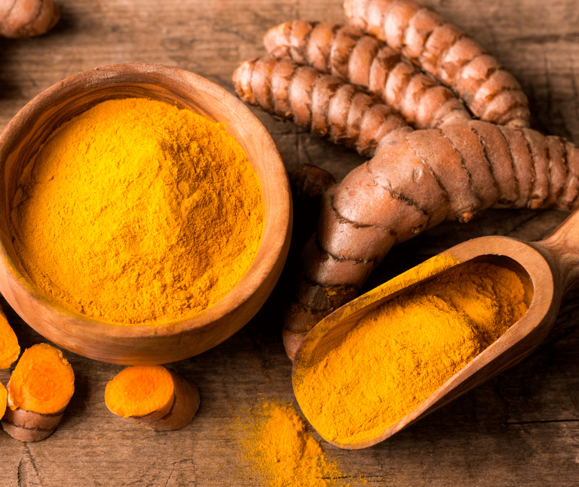
Turmeric (Curcuma longa) is a well-known and widely used spice, cherished for its golden hue and medicinal potency. It has been a part of traditional diets for centuries and continues to be a cornerstone of naturopathic healing.
Varieties and Active Compound
The active compound in turmeric is Curcumin, responsible for its color and therapeutic properties. There are over 120 varieties of turmeric, but only a few are edible and medicinally significant. Among them, Lakadong turmeric from Meghalaya, India, is considered the best due to its highest curcumin content.
Other varieties like Sangli turmeric from Maharashtra also hold significant medicinal value. Sangli turmeric, which has received the GI (Geographical Indication) tag, signifies that it is native to a specific region and possesses unique characteristics tied to that geography. The deep orange hue of Sangli turmeric is an indicator of its high curcumin concentration and strong healing potential.
Medicinal Benefits of Turmeric
- Cholesterol Management:
Turmeric helps in regulating cholesterol levels. For patients with weak liver function, cholesterol may rise due to inefficient utilization. In such cases, turmeric helps in balancing lipid levels naturally without pushing them below healthy limits. - Wound Healing:
Turmeric’s powerful antimicrobial and anti-inflammatory nature makes it an effective agent for wound healing. It is especially useful for individuals exposed to harsh environments, such as soldiers, who frequently experience cuts, rashes, and infections. - Dental and Oral Health:
For dental pain and swollen gums, a mixture of mustard oil and turmeric can be applied locally. Regular oil pulling with this mixture not only reduces pain but also prevents infections and strengthens oral tissues. Around 85–90% of patients experience significant relief from dental discomfort using this natural remedy. - Antimicrobial and Antifungal Properties:
Turmeric is widely known for its antimicrobial action, helping in the prevention and treatment of bacterial and fungal infections.
Cultural and Regional Importance
The GI tag emphasizes the significance of using regionally and seasonally available herbs and foods. Unfortunately, with the rise of imported products and lack of traditional cooking knowledge, many regional foods are disappearing from local diets.
For instance, traditional vegetables like Ratalu (violet yam), once commonly used in Rajasthan, are now rarely found in markets. Such foods carry immense nutritional and medicinal value, which modern generations risk losing due to the decline in traditional food practices.
The Role of Turmeric in Inflammatory Conditions and Joint Health
Turmeric, known for its powerful anti-inflammatory and healing properties, has long been used in natural medicine to treat a variety of health concerns. It is particularly beneficial in conditions involving inflammation, autoimmune disorders, and joint pain.
Therapeutic Uses of Turmeric
Turmeric is highly valued for its role in wound healing and managing inflammatory conditions. However, it should not be applied or used when a joint is very hot or acutely inflamed. In most other cases, it can be safely incorporated into the diet or taken in capsule form.
Many practitioners prefer the Lacadong variety of turmeric, as it has shown remarkable results in reducing inflammatory markers in patients suffering from autoimmune diseases and chronic inflammation. Patients with elevated inflammatory levels have experienced significant improvement when turmeric is included in their treatment plan.
Understanding Arthritis and Inflammation
A common question among patients is whether arthritis falls under inflammatory conditions. The answer is yes—arthritis literally means inflammation of the joints and surrounding soft tissues.
However, it is important to distinguish between different types of arthritis. One such condition is osteoarthrosis, where the damage occurs primarily to the cartilage, the soft tissue that cushions joints. As this cartilage deteriorates, it eventually affects the underlying bone structure, leading to stiffness and pain.
For such cases, consulting a natural medicine practitioner is highly recommended. Most inflammatory conditions, including arthritis, often begin in the gut. A disrupted gut microbiome can trigger chronic inflammation throughout the body, ultimately affecting joints and muscles.
The Connection Between Gut Health and Pain
Chronic pain and inflammation are not isolated to the affected area alone. As explained by experts, pain should not be viewed as confined to a single muscle or joint. For instance, neck pain or shoulder pain may not originate solely from those regions but could be a reflection of deeper internal imbalances, often beginning in the digestive system.
This concept is explored in the forthcoming book “Beyond Muscles and Joints”, which focuses on understanding how pain begins in the gut and how holistic healing can be achieved through gut restoration and natural therapies.
Enhancing Turmeric’s Effectiveness with Black Pepper
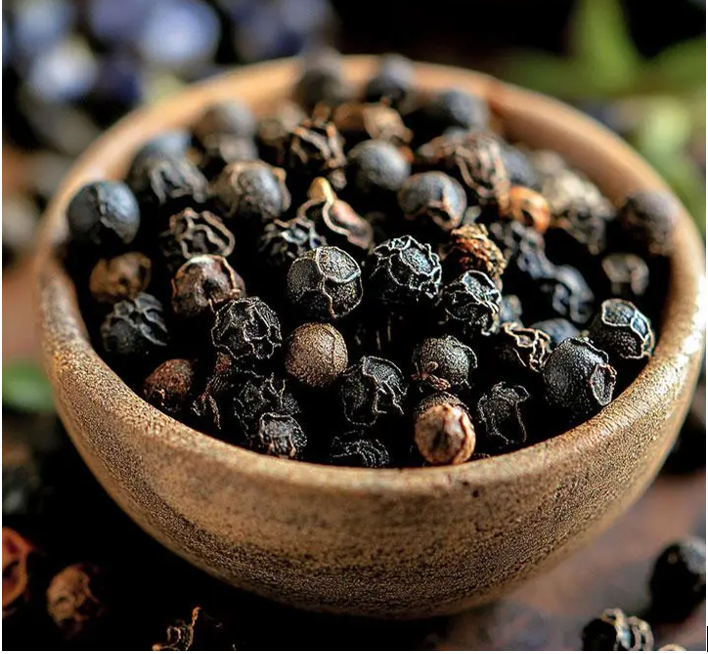
It is commonly believed that combining turmeric with black pepper enhances its bioavailability by almost ten times. This is because piperine, an active compound in black pepper, helps increase the absorption of curcumin, the key active ingredient in turmeric.
However, caution should be exercised. In patients with autoimmune conditions such as psoriasis, black pepper may cause sensitivity or allergic reactions. Therefore, it is advisable to first administer turmeric alone and introduce black pepper gradually, only after ensuring that the patient does not react adversely to it.
Turmeric, Its Dosage, Absorption, and the Role of Millets in Holistic Nutrition
Understanding the Clinical Importance of Turmeric
Turmeric is one of the most powerful herbs in natural and traditional medicine, valued for its anti-inflammatory, antioxidant, and healing properties. During clinical practice, it is often used in various inflammatory conditions and chronic diseases.
A very important clinical pearl shared by practitioners is that turmeric alone is poorly absorbed by the body. This means that when turmeric is given as a medicine or supplement, it should always be paired with black pepper. Black pepper contains an active compound called piperine, which significantly enhances the absorption and bioavailability of turmeric.
Pairing Turmeric with Fats for Better Absorption
Apart from black pepper, turmeric’s absorption can also be improved by pairing it with healthy fats. Traditionally, in Ayurvedic medicine, many formulations were made using ghee (clarified butter) as the base. This was not accidental — the fat component in ghee helps transport turmeric’s active compounds into the cells more effectively.
In modern practice, some physicians recommend patients to take turmeric with a drop of ghee or even with two capsules of cod liver oil, depending on the case. This approach is especially useful when dealing with compounds that are fat-soluble — meaning they are better absorbed in the presence of fats.
However, this does not apply to all herbal medicines, so it is important to understand which compounds benefit from fat pairing and which do not.
Dosage Guidelines and Safety Precautions
When prescribing turmeric as a therapeutic agent, following proper dosage principles is essential. The general recommendation is to start slow — typically with 500 mg per day. This allows the body to adjust and helps monitor tolerance levels.
However, care should be taken as turmeric can interact with certain medications, including:
- Blood thinners
- Blood pressure medicines
- Diabetes medications
- Drugs used for acid reflux
To minimize the risk of interaction, patients should maintain at least a 2-hour gap between taking turmeric and any of these medications.
Monitoring for Side Effects
Like any natural medicine, turmeric can cause side effects in some individuals. These may include:
- Diarrhea
- Headache
- Skin rash
- Yellow-colored stools
- Feeling of warmth in the body
If such symptoms occur, it is advised to reduce the dosage — for example, lowering it from 500 mg to 250 mg per day. This ability to adjust and personalize the dosage is one of the greatest advantages of phyto-medicine (herbal medicine). Unlike synthetic drugs, herbal remedies do not cause dependency and can be safely customized for each individual patient.
The Rise of Millets: Ancient Grains for Modern Nutrition
Introduction to Millets
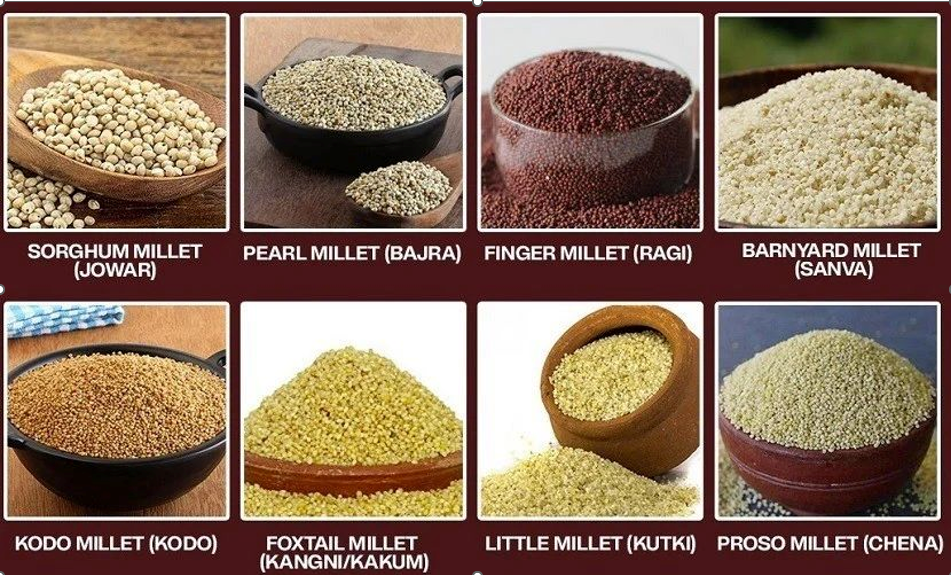
In recent years, millets have made a strong comeback in nutrition and natural health discussions. These are small-seeded grains belonging to the grass family. Though they are now gaining popularity, millets have been a part of traditional diets for centuries across different cultures.
Some commonly used millets include:
- Jowar (Sorghum)
- Bajra (Pearl Millet)
- Ragi (Finger Millet)
- Foxtail Millet
- Kodo Millet
- Barnyard Millet
Nutritional Value of Millets
Millets are known for their nutrient density and high protein content. On average, they contain 7–12% protein. They are also rich in calcium, antioxidants, and essential amino acids such as tryptophan.
Because of their nutritional profile, millets provide a strong sense of satiety (feeling full), which helps with weight management. They also support muscle growth, bone strength, and overall vitality — making them excellent alternatives to processed grains like rice and wheat.
Millets for Mood and Mental Health
Ragi (Finger Millet) deserves special mention due to its high content of tryptophan, an amino acid responsible for producing serotonin — the “feel-good” hormone. Serotonin plays a crucial role in regulating mood, sleep, and mental well-being.
In clinical practice, patients suffering from depression, anxiety, or mood disorders are often advised to eliminate gluten, dairy, and refined sugar from their diet and replace them with finger millet-based foods. This dietary shift helps restore gut health and improves emotional balance naturally.
Interestingly, several patients on antidepressant medications have been able to gradually taper off their drugs with proper supervision after switching to millet-rich diets — a testament to the therapeutic potential of natural foods.
Millets and Healthy Fats
Apart from proteins and amino acids, millets also contain beneficial fatty acids. These contribute to better cardiovascular and metabolic health. With the growing awareness of healthy fats such as medium-chain triglycerides (MCTs) and coconut oil, adding millets to the diet provides an additional, natural source of essential fats.
Millets are easily digestible and well-tolerated by most individuals, making them an ideal choice for all age groups. They serve as a versatile ingredient that can be used in porridges, rotis, dosas, or baked goods, offering both nutrition and variety in daily meals.
Healing the Gut with Millets: Clinical Insights and the Power of Amla (Indian Gooseberry)
Millets and Gut Health
In clinical experience, millets have shown remarkable benefits even for patients suffering from Irritable Bowel Syndrome (IBS). Although millets are high in fiber and protein, they are surprisingly easy to digest and well-tolerated by those with sensitive guts.
Patients with IBS who incorporated millets into their diets experienced significant improvement in digestion. In fact, millets helped them heal the gaps in the intestinal lining, medically known as tight junctions. These tight junctions play a vital role in maintaining the integrity of the gut barrier and preventing “leaky gut syndrome.”
Among various millets, Foxtail Millet has been found particularly beneficial. This millet is rich in a special protein called lecithin, which acts as a builder and repairer of body tissues. Lecithin supports the healing of the intestinal wall and contributes to better gut health.
Another major advantage of foxtail millet is that it is completely gluten-free. This makes it a perfect dietary alternative for individuals suffering from celiac disease, autoimmune conditions, or gluten sensitivity.
Research and Personal Experience with Millets
The speaker shared a personal journey that led to deep research on millets. Over a period of three years, extensive research was conducted focusing only on different types of millets and their health benefits.
This exploration began with a personal story. When the speaker’s second daughter was born, she was underweight and had multiple health challenges, including a narrow trachea and feeding difficulties. To support her growth, a gluten-free porridge was prepared using finger millet along with other wholesome grains.
This millet-based diet turned out to be a turning point. Over time, the child’s health improved significantly — she gained weight, developed strength, and went on to perform excellently in her studies. This real-life example highlights the healing and nourishing potential of millets when used correctly and consistently.
Clinical Tip: Millets for Autoimmune and Gluten-Sensitive Patients
From a clinical perspective, millets are a wonderful alternative to wheat. Patients with autoimmune diseases, gut sensitivities, or gluten intolerance can greatly benefit from replacing wheat-based foods with millet-based preparations.
In India, where wheat forms a major part of the diet through chapatis, parathas, and rotis, patients often ask what they can eat when wheat is eliminated. The answer lies in millets — they can easily replace wheat and can be used to prepare chapatis, dosas, idlis, or even baked items.
Thus, millets provide both digestive comfort and nutritional balance, making them a key food in naturopathic dietary therapy.
Amla (Indian Gooseberry): A True Superfood
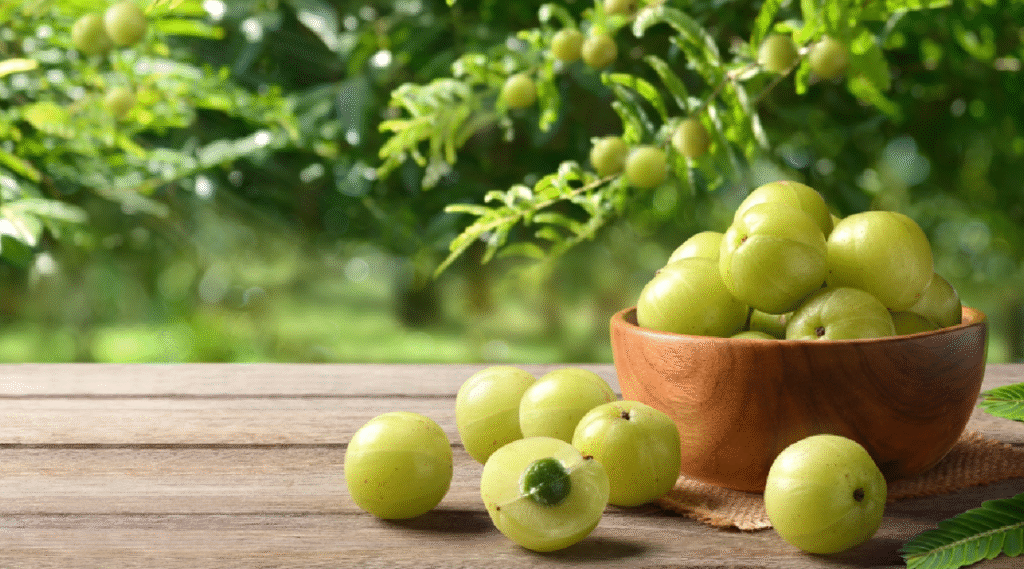
Introduction to Amla
The next remarkable food discussed is Amla, also known as Indian Gooseberry. Most of us are familiar with amla in traditional forms such as amla murabba (sweet preserve) or amla pickle, which are common additions to Indian meals.
Amla has been a staple in Indian diets for centuries due to its strong rejuvenating and immune-boosting properties. It is one of the richest natural sources of Vitamin C, contributing to about 46% of its total weight.
The Vitamin C Powerhouse
Vitamin C is one of the most essential vitamins for immune health, skin repair, and collagen formation. However, many people rely on synthetic vitamin C supplements such as chewable tablets (for example, “Chaki” tablets) — especially during times like the COVID-19 pandemic.
Unfortunately, these synthetic tablets are not bioavailable — meaning, they are not properly absorbed by the body. This is because vitamin C is water-soluble; it cannot be stored in the body for long and needs certain supporting compounds for absorption.
For vitamin C to be absorbed effectively, it must be bound to dietary fiber and flavonoids. These natural compounds work together to slow down its breakdown and improve its retention in the system.
Nature, in its wisdom, has provided exactly this combination in Amla — it contains:
- High Vitamin C content
- Natural fiber
- Powerful flavonoids
Thus, amla delivers vitamin C in its most natural and absorbable form, making it far superior to any synthetic supplement.
Amla’s Rich Mineral Composition
Apart from vitamin C, amla also contains important minerals that play a key role in bone building and red blood cell formation. These include:
- Copper
- Manganese
- Iron
- Calcium
These minerals work synergistically to enhance the body’s repair mechanisms, support hemoglobin production, and maintain strong bones and joints.
Amla, therefore, stands as a complete nutrient package — antioxidant-rich, vitamin-loaded, and mineral-dense — making it one of the most effective natural rejuvenators known in naturopathy and Ayurveda.
Amla: The Natural Ally for Iron Absorption and Digestive Health
In my clinical practice, I frequently recommend amla (Indian gooseberry) to patients struggling with iron deficiency. But why is amla particularly effective? The answer lies in its unique role in improving digestion and optimizing iron absorption.
Iron absorption in the body requires an acidic environment in the stomach, ideally with a pH around 2. However, many of us, including my patients, struggle with low stomach acid. Contrary to popular belief, acidity issues rarely mean excess acid. In fact, most people have insufficient or improperly functioning stomach acid, which leads to poor digestion and prevents the body from fully absorbing nutrients from food.
Adding amla to the diet stimulates stomach acid production, which helps break down proteins and releases iron from food, making it more bioavailable. As I always emphasize, our health is not only determined by what we eat but also by what we digest. Therefore, there are two crucial components to wellbeing: the quality of the food we consume and our ability to digest it effectively. In many cases, the latter is what is lacking—not just in patients but often in healthy individuals as well.
Beyond its role in digestion, amla is particularly beneficial for anemia management. In my practice, I often combine amla with moringa in capsules for patients with low iron levels. The high vitamin C content (ascorbic acid) in amla aids in iron absorption by preventing iron from lingering in the stomach and facilitating its movement into cells. This natural synergy can significantly improve iron markers; I have observed patients with serum ferritin levels as low as 30 increase to 77 over time.
Amla and Tulsi: Natural Allies for Iron, Immunity, and Stress Management
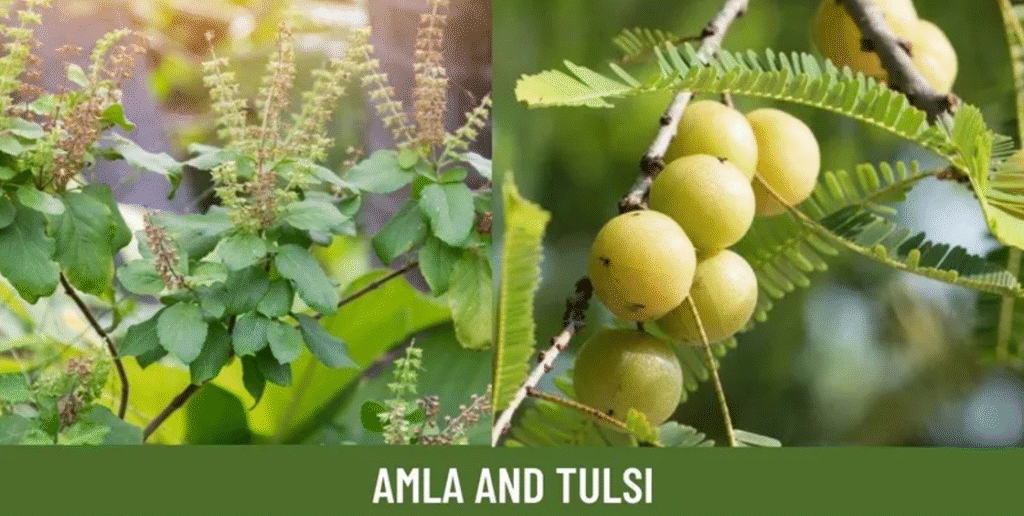
Amla for Iron Deficiency and Anemia
Amla (Indian gooseberry) is a powerhouse for individuals with iron deficiency anemia. Unlike synthetic iron supplements, which often cause nausea, diarrhea, or rashes, amla is naturally absorbed by the body without side effects. Its high vitamin C content stimulates stomach acid production, aiding in protein breakdown and enhancing the absorption of iron from food. In clinical practice, patients with low ferritin levels have shown significant improvement when consuming amla, especially when paired with moringa in supplement form.
However, caution is advised for certain conditions. Individuals with irritable bowel syndrome or stomach ulcers should avoid taking raw amla juice on an empty stomach, and the juice should never be mixed with hot water as heat destroys its vitamin C content.
Immunity and Autoimmune Support
Beyond anemia, amla is highly beneficial for autoimmune conditions. When paired with giloy (Tinospora cordifolia), it supports immune modulation and provides antioxidant protection, which is particularly helpful for patients recovering from chemotherapy or managing chronic inflammatory conditions.
Tulsi: The Adaptogen for Stress Management
Tulsi (Holy Basil), a member of the mint family, is widely grown in Indian households and is renowned for its adaptogenic properties. Adaptogens help the body manage stress without causing harm, balancing physiological responses during both transient and chronic stress.
Chronic stress, caused by factors like family responsibilities, financial concerns, health issues, or environmental pressures, keeps the adrenal glands activated and raises cortisol levels persistently. High cortisol disrupts metabolic balance, increasing insulin levels and contributing to conditions like obesity, heart disease, and other metabolic disorders. Tulsi helps counteract these effects by calming the nervous system and supporting hormone regulation, making it an excellent natural remedy for stress management.
Managing Stress, Anxiety, and Metabolic Health Naturally with Herbs
The Hidden Dangers of Chronic Stress
Chronic stress is one of the most underestimated health risks today. Persistent stress keeps cortisol levels elevated, which in turn raises insulin levels, putting additional strain on the heart and disrupting sugar metabolism. This imbalance contributes to early-onset metabolic disorders, including obesity, type 2 diabetes, and heart problems—even in individuals as young as 22–25 years old with no prior cardiac issues.
High stress levels can also prevent weight loss, even in individuals following strict diets or low-calorie regimens. This is a common sign that the body is struggling under prolonged stress, affecting hormonal balance and metabolism.
Herbal Solutions for Stress and Anxiety
Adaptogenic herbs, such as Tulsi (Holy Basil) and Giloy (Tinospora cordifolia), offer natural, non-addictive solutions to stress management. Unlike anti-anxiety medications, which can create dependency and disrupt the body’s hormone production over time, these herbs help regulate the body’s response to stress without harmful side effects.
Tulsi, a member of the mint family, relaxes smooth muscles and supports the nervous system. It acts as an adaptogen, helping the body cope with both transient and chronic stress, from everyday irritations to ongoing life challenges such as family pressures, financial concerns, or health issues. Giloy complements Tulsi by modulating immunity, balancing the body’s defense mechanisms without overstimulation.
Case Study: Transformative Effects of Herbal Blends
A middle-aged woman came to my clinic experiencing chronic fatigue, low immunity, irritability, and difficulty losing weight despite dieting. She was stressed by family responsibilities and daily life pressures. After a tailored herbal blend of Tulsi and Giloy was prescribed in capsule form, remarkable results were observed.
Within three months, she reported losing 15 kilograms naturally, without any additional lifestyle changes, and felt rejuvenated and more energetic. This demonstrates how proper herbal support can help the body restore balance, reduce stress, and improve metabolic function.
Natural Alternatives for Anxiety Management
For individuals dealing with anxiety, combinations of Tulsi and Giloy can be used instead of conventional anti-anxiety medications. These herbs provide gentle, long-term support for the nervous system, helping manage stress and anxiety naturally without creating dependency or interfering with the body’s hormonal functions.
Understanding Adaptogens: Nature’s Answer to Stress and Anxiety
In the realm of herbal medicine, treatment is never one-size-fits-all. Unlike conventional medicine, where a single drug may be prescribed for a particular symptom, herbal medicine is highly personalized. It focuses on the individual — their constitution, emotional state, and overall wellbeing — rather than merely addressing a disease in isolation.
As a practitioner who has transitioned from allopathic medicine to natural healing, I have learned that herbs must be chosen not just for their pharmacological effect but also for their energetic compatibility with the person. This is particularly true in managing conditions such as anxiety, chronic stress, and hormonal imbalance.
The Role of Adaptogens in Anxiety and Stress Management
When it comes to anxiety and emotional imbalance, I often rely on a special class of herbs known as adaptogens. Adaptogens help the body adapt to physical, emotional, and environmental stressors while restoring internal balance. They neither overstimulate nor suppress bodily functions but instead promote homeostasis — the body’s natural state of equilibrium.
Among the adaptogens I commonly use are:
- Tulsi (Holy Basil)
A sacred herb in India, Tulsi helps calm the mind, reduce cortisol levels, and support emotional stability. - Rhodiola (Rhodiola rosea)
Known for enhancing energy, focus, and resilience to stress, particularly beneficial for those with fatigue and low motivation. - Ashwagandha (Withania somnifera)
A powerful adaptogen that reduces anxiety, improves sleep quality, and supports adrenal health.
In my practice, Tulsi and Ashwagandha are the most frequently used because they offer both mental and physical support without dependency or side effects.
Customizing Herbal Combinations
For younger individuals, especially those struggling with brain fog, poor memory, or constant restlessness, I often include Bacopa monnieri (Brahmi). Brahmi improves cognitive function, enhances memory, and brings mental clarity — making it an ideal companion herb for stress and anxiety.
When formulating herbal preparations, I use a principle called the Herbal Energetic or Tripod Theory, which includes:
- Main herb – the primary active plant targeting the condition.
- Accessory herb – supports and enhances the effect of the main herb.
- Supportive herb – balances the formula and ensures better assimilation by the body.
All three herbs work in synergy, forming a balanced “triangle” of healing energy.
Applications of Adaptogens Beyond Anxiety
Adaptogens are not limited to managing anxiety alone. Their scope extends across several physiological and psychological conditions:
- ADHD (Attention Deficit Hyperactivity Disorder):
Tulsi has shown remarkable results in calming hyperactivity and improving focus in children. - Pre- and Post-Menopausal Women:
Adaptogens help regulate mood swings, hormonal fluctuations, and sleep patterns naturally. - Men with Low Testosterone:
Adaptogenic herbs like Ashwagandha and Tulsi can enhance vitality, improve hormonal balance, and support reproductive health.
What Exactly Are Adaptogens?
Many people often ask if adaptogen is a capsule or a specific herb. The answer is neither. Adaptogen refers to a class or category of herbs known for their ability to help the body adapt to stress.
In herbal classification, plants are grouped according to their functional action on the body — and adaptogens are among the most valuable for modern-day living, where chronic stress is a silent epidemic.
Adaptogens and the Power of Ghee: Nature’s Tools for Balance and Vitality
Understanding Adaptogens

Adaptogens are a unique class of herbs that help the body adapt to physical, emotional, and environmental stress. These herbs strengthen our resilience, calm the nervous system, and support overall wellbeing.
In simple terms, adaptogens train the body to handle stress better. They do not work like stimulants or sedatives but rather normalize physiological functions, helping the body maintain balance under pressure.
Common Adaptogenic Herbs
Some of the most effective and widely studied adaptogens include:
- Tulsi (Holy Basil): A sacred herb in Indian tradition, Tulsi supports mental clarity, reduces anxiety, and strengthens immunity.
- Ashwagandha: Known for its calming and rejuvenating properties, it supports the adrenal glands, reduces cortisol levels, and helps with sleep and mood regulation.
- Rhodiola (Rhodiola rosea): A powerful herb for combating fatigue and increasing stamina. It enhances focus, memory, and energy levels.
These herbs are available in the market in various forms — powders, capsules, or teas — and can be incorporated into daily wellness routines under proper guidance.
The Science Behind Tulsi
Tulsi (Ocimum sanctum) has been studied for its remarkable stress-relieving properties. It helps regulate cortisol — the stress hormone — and supports both the mind and body’s adaptive response to modern-day stressors. Beyond this, Tulsi has antioxidant, anti-inflammatory, and immune-boosting effects, making it a cornerstone herb in natural medicine.
In naturopathy, practitioners are encouraged to “think like physicians” — to understand not just the traditional use of herbs, but also the scientific mechanisms behind their healing power.
Ghee: The Mindful Superfood
After understanding the role of adaptogens, let’s move to another superfood from our kitchen — Ghee.
Ghee, or clarified butter, has been part of Indian diets for centuries. When used mindfully, it acts as a superfood that nourishes the body and mind. However, excess consumption can have adverse effects, so moderation is key.
Nutritional Profile of Ghee
Ghee is rich in palmitic acid and oleic acid, both of which are essential saturated fats. These fats are crucial for maintaining cellular health.
Every cell in our body is made up of 50% protein and 50% fat, which means fats are an indispensable part of our diet. Eliminating them completely can harm cell structure and, consequently, cellular function.
Ghee and Cellular Health
The famous scientist Linus Pauling once said, “If you correct the form, function will follow.”
This principle applies perfectly to nutrition — when you provide your body with the right building materials (like good fats), your cells can function efficiently.
A healthy cell membrane ensures proper nutrient absorption, waste removal, and communication between cells — all of which are essential for good health.
Ghee in Specific Conditions
While ghee is beneficial, individuals with hypercholesterolemia (high cholesterol levels) should be cautious. Instead of immediately eliminating fats, it is more effective to first support the liver, since the liver plays a vital role in fat metabolism. Once liver health is improved, moderate intake of ghee can be safely resumed.
The key takeaway:
“Ghee is not the villain — excess ghee is.”
Use it wisely, enjoy its richness, but always in moderation.
Milk Thistle: A Rare Yet Powerful Herb

Another important herb worth mentioning is Milk Thistle (Silybum marianum). Though not commonly grown in India, it is widely recognized for its liver-protective properties. The active compound, silymarin, helps detoxify the liver, regenerate damaged cells, and improve overall liver function.
Milk Thistle is particularly beneficial for those dealing with fatty liver, medication-induced liver stress, or chronic toxicity.
The Healing Power of Milk Thistle and Moong Dal
Milk Thistle (Silybum marianum): A Natural Healer for the Liver
Milk Thistle, scientifically known as Silybum marianum and commonly referred to as St. Mary’s Thistle, is a powerful herb celebrated for its hepatoprotective properties—meaning it protects and heals the liver. The active compound in this herb is Silymarin, which offers a wide range of health benefits.
- Regeneration of Liver Cells
One of the most remarkable properties of Milk Thistle is its ability to regenerate damaged liver cells. This makes it a valuable herb for those suffering from conditions like fatty liver, liver toxicity, or sluggish liver function.
- Improves Bile Production
For effective detoxification, the liver must efficiently produce bile. Milk Thistle enhances bile secretion, facilitating digestion and removal of toxins. A healthy bile flow is the foundation of any detox process.
- Tonifies the Liver and Gallbladder
This herb strengthens and tones both the liver and gallbladder, making it useful for people with gallstones, poor fat metabolism, or fatty liver conditions. Those who experience headaches, bloating, or poor fat tolerance can greatly benefit from its use.
Interestingly, in India, the equivalent herb to Milk Thistle is known as Bhumi Amlaki—a natural liver tonic used in traditional medicine for similar purposes.
- A Bitter Taste, a Sweet Effect
There’s an old saying:
“Bitter to the mouth, sweet to the liver.”
Though Milk Thistle is quite bitter, this bitterness is exactly what makes it beneficial for liver health. The seeds of the plant are most often used in herbal medicine.
- Methods of Use
- Powdered or Roasted Seeds: Traditionally, the seeds are lightly roasted and consumed directly.
- Capsule Form: 400–600 mg per day is recommended for therapeutic purposes.
- Combination Use: It can be blended with Amla for antioxidant support and Marshmallow Root to improve absorption.
Fresh seeds are preferred over processed capsules, as they retain natural fiber and healthy fats, preventing rancidity and preserving potency.
A Real-Life Case Study
A 58-year-old patient approached with uncontrolled diabetes and fatty liver. Despite being on insulin, his blood sugar remained high. He was advised to consume roasted Milk Thistle seeds, one teaspoon daily, followed by warm water.
After 45 days, significant improvements were observed:
- Liver enzymes normalized
- Fasting insulin reduced from 10 to 5
- HbA1c levels dropped from 8.2 to 6.4
This case clearly demonstrates the liver-regenerative and metabolic-balancing potential of Milk Thistle.
However, one must be cautious—Milk Thistle interacts with several medications, so it should be used under proper guidance.
Moong Dal: The Humble Superfood

Often considered a “sick person’s food,” Moong Dal (green gram) is actually one of the most nutrient-rich legumes and deserves a regular place in everyone’s diet.
- Rich in Vitamin B1 (Thiamine)
Moong Dal is packed with Vitamin B1 (Thiamine)—a vital nutrient responsible for driving most of the body’s biochemical reactions. Thiamine acts as a catalyst in converting food into energy and supports nerve, heart, and muscle function.
- Supports Metabolic Functions
The body operates like a complex chemical factory, and B1 is one of the key workers ensuring smooth function. A deficiency can slow down essential metabolic reactions, leading to fatigue, poor digestion, and reduced concentration.
- Gentle Yet Powerful
Moong Dal is light on the stomach, easy to digest, and balances all three doshas—making it perfect for recovery, detox, and everyday nourishment.
The Power of Moong Dal: Nature’s Protein-Rich Superfood
If you want your body to function smoothly—maintaining a healthy weight, glowing skin, strong hair, high energy levels, and overall wellness—then Vitamin B1 (Thiamine) is essential. This vitamin plays a key role in energy production, nerve function, and metabolism. But instead of relying on multivitamin supplements, the best and most natural source of Vitamin B1 is dal (lentils).
Why Moong Dal Deserves a Place on Your Plate
Moong dal stands out among all dals for its unique nutritional profile. It provides a combination of protein, fiber, and Vitamin B1 in a slow-release form—ensuring sustained energy throughout the day.
Additionally, moong dal is rich in two crucial minerals:
- Zinc – the “repairer” of the body, essential for building immunity and tissue healing.
- Magnesium – a natural relaxant that calms the nerves and muscles.
Together, these nutrients support over 500 biochemical processes in the body, making moong dal one of nature’s most complete foods.
A Clinical Pearl
Moong dal is protein-rich and easily digestible, making it a great choice for vegetarians and those with sensitive digestion. Compared to other lentils, it causes less bloating and discomfort, making it suitable even for people with Irritable Bowel Syndrome (IBS).
For those with IBS, moong dal can be made gentler on the stomach by roasting, soaking, or sprouting it before cooking. This process enhances its bioavailability and aids digestion.
A Simple Digestive Tip
When preparing moong dal, always add a dash of lemon juice. Lemon increases stomach acid production, which helps break down protein more effectively in the stomach. This ensures that protein is fully digested and absorbed in the small intestine—because truly, we are what we digest, not just what we eat.
The Importance of Natural Zinc
In today’s world, many people turn to supplements—zinc, magnesium, selenium, NAC, and glutathione—to boost their health. However, your body can get these nutrients naturally from real foods and herbs like moong dal. Whole, unprocessed foods nourish and heal the body better than synthetic supplements.
How to Enjoy Moong Dal
For a healthy twist, you can also make moong dal sattu by roasting or sprouting and then powdering it. It can be added to drinks, smoothies, or porridge—a wholesome option for children and adults alike.
When choosing moong dal, always prefer green moong (moong chilka)—the one with its skin intact—as it is richer in fiber, chlorophyll, and nutrients.
The Healing Power of Curd and Buttermilk
When it comes to digestive wellness and daily nourishment, few foods are as beneficial as curd and buttermilk. These traditional staples have long been recognized in natural health systems for their probiotic and nutritional value.
Choosing Between Curd and Yogurt

There is often confusion between curd and yogurt, especially with the increasing availability of flavored, sweetened, and commercial yogurt varieties. While both are fermented dairy products, homemade curd is considered superior because it contains more live probiotic strains such as Lactobacillus and Bifidobacterium.
Probiotics are beneficial microorganisms that reside in the gut, particularly in the large intestine. They play a crucial role in regulating several body functions, including digestion, immunity, metabolism, weight control, and even the aging process. A balanced gut microbiome ensures overall well-being.
Commercial yogurts, on the other hand, often contain added sweeteners, stabilizers, and preservatives, which reduce their probiotic effectiveness. Hence, homemade unsweetened curd is always a better and more natural option. For vegetarians, it also serves as a rich source of Vitamin B-complex, supporting energy metabolism without causing digestive discomfort.
Benefits of Buttermilk
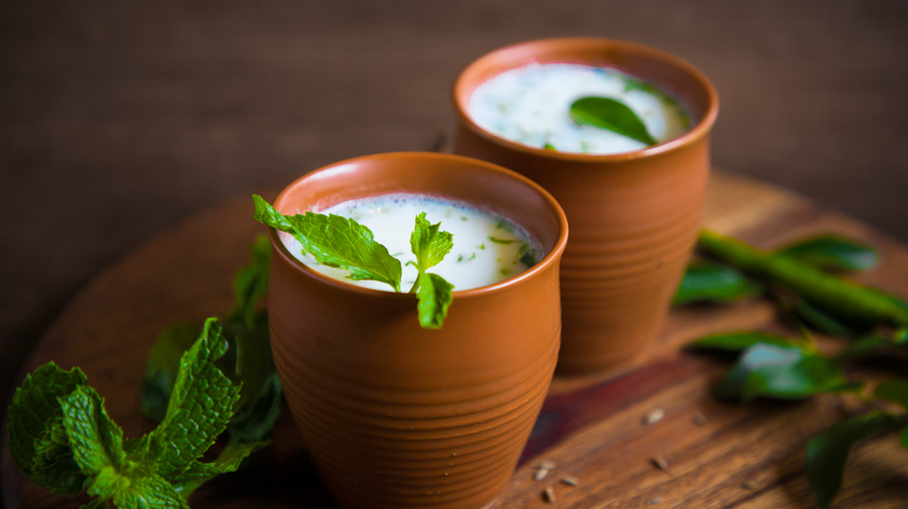
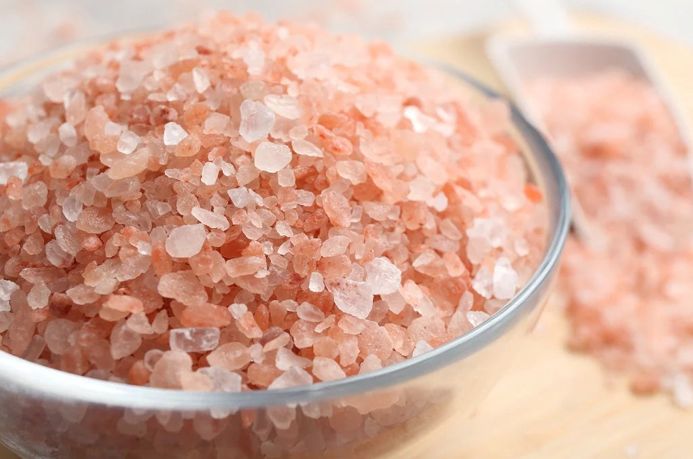
Between curd and buttermilk, buttermilk is often the healthier choice for regular consumption. It is not only lighter on the stomach but also deeply hydrating and cooling. When prepared with a pinch of Himalayan pink salt, it helps electrolytes enter body cells faster, improving hydration levels effectively.
Buttermilk also supports digestion, weight management, and gut health. It is particularly beneficial for conditions like constipation, gastritis, and acidity. Regular intake of fresh, diluted buttermilk can enhance metabolism, balance the digestive fire, and promote detoxification.
For individuals with very sensitive digestion, it is advisable to avoid dal or curd at dinner and instead consume them in small, manageable portions during the day.
The Science and Art of Using Superfoods
As we conclude the discussion on superfoods, it is essential to remember that these foods should never be prescribed randomly. The first step in any nutritional approach is assessment.
A practitioner should begin by identifying the key health issue:
- Is there a gut imbalance?
- Is the person deficient in specific nutrients?
- Is there inflammation or poor detoxification?
Only by understanding these factors can one recommend the right superfood for an individual’s condition.
Test, Don’t Guess
Functional blood work plays a vital role in personalized nutrition. Understanding and interpreting biochemical parameters helps in identifying deficiencies, imbalances, and metabolic dysfunctions accurately.
Food as an Emotional Experience
Food is not only nourishment but also an emotional and sensory experience. Hence, healthy eating should also be tasty and sustainable. When prescribing herbs or natural remedies, it is best to use whole herbs rather than extracts, starting with low doses and gradually increasing to therapeutic and then maintenance levels.
Embrace Regional and Seasonal Foods
One of the key principles of naturopathic nutrition is to prefer regional and seasonal foods. There is no need to follow global food trends mindlessly. For instance, one need not choose quinoa when local millets and pulses offer similar or better nutrition. Each individual should develop their own nutritional ideology based on natural, locally available foods.
The True Philosophy of a Healer
To be an effective naturopath or health practitioner, one must combine scientific knowledge with artistic application. A good physician should think like a scientist and work like an artist, blending evidence-based practice with empathy and creativity.
Natural healing is not about following trends—it is about understanding the body, nature, and balance.
The Right Way to Consume Amla: Raw, Juice, or Pickle?
Amla, also known as Indian Gooseberry, is one of the most powerful superfoods in naturopathy. It is a rich source of Vitamin C, antioxidants, and essential phytonutrients that strengthen immunity, enhance digestion, and promote glowing skin.
But one common question arises:
Does the way we consume amla—raw, juiced, or pickled—make a difference in its benefits?
Let’s understand this in detail.
- Eating Amla Raw: The Ideal Way
Ideally, amla should be consumed as a whole fruit, as it contains the perfect balance of fiber, Vitamin C, and antioxidants. However, the fruit is naturally very sour, and many people today find it hard to eat raw due to increased tooth sensitivity.
In the past, our grandparents enjoyed eating raw amla with rock salt. Their strong tooth enamel protected them from acidity and sensitivity. Over generations, however, our enamel strength has reduced, making it difficult for most people to tolerate very sour or acidic foods.
For those who can handle the sourness, raw amla remains the best and most potent form.
- Homemade Amla Pickle – Tasty & Healthy
For those who cannot eat it raw, amla can be turned into a healthy pickle or side dish without cooking it. Here’s a simple recipe:
- Chop fresh amla into small pieces.
- Add turmeric, black pepper, ginger, Himalayan rock salt, and a dash of lemon juice.
- Toss the ingredients well and let them sit for about 30 minutes.
This version should be prepared fresh each time, as Vitamin C gets denatured (destroyed) when exposed to air and time. Avoid storing it for long durations.
This quick amla pickle not only enhances your meal’s taste but also aids in digestion and boosts immunity naturally.
- Amla Juice – Convenient but Lower in Fiber
Many people prefer amla juice because it’s easier to consume, especially for those who cannot tolerate the fruit’s sourness. However, juicing does reduce fiber content, since blending or filtering removes most of the pulp.
If you still wish to retain some fiber, prepare amla juice in a blender instead of a high-speed juicer, and avoid straining it. This way, the fiber remains partially intact, offering better digestion and slower nutrient release.
- Amla Murabba – Sweet Yet Nutritious
Another popular form is Amla Murabba, commonly enjoyed in Indian households. Traditionally, it is prepared using sugar syrup, but for a healthier version, use honey instead.
Keep in mind that murabba should not be stored for more than 15 days, as prolonged storage leads to a loss of Vitamin C and natural antioxidants.
Whether you eat it raw, juiced, or as a pickle, amla remains a powerhouse of nutrients. The only difference lies in fiber content and Vitamin C stability.
- Best for maximum nutrition: Raw Amla
- Best for sensitive teeth: Amla Juice (with pulp)
- Best for taste and digestion: Fresh Amla Pickle with turmeric, pepper & salt
- Occasional treat: Amla Murabba (in moderation)
Including amla in your daily routine supports immunity, metabolism, skin glow, and digestion—a true gift from nature for overall wellness.
Lecture Follow-Up: Notes Access and Communication
During the recent lecture session, students actively engaged with the faculty to clarify doubts regarding the availability of class notes and study materials. The discussion focused on ensuring that every participant could conveniently access the shared content and maintain effective communication with the lecturer.
Access to Notes and Presentations
Students inquired about the PowerPoint presentations and other lecture materials used during the session. The faculty explained that the notes and PPTs are usually provided to students after each class. For this particular session, the faculty confirmed that the notes had already been shared in the group messages and made available for download.
Students who were unable to locate the notes were advised to check the class group messages again. In case of any difficulty, they were instructed to contact the lecturer directly via email to request the materials. The lecturer also mentioned that only the essential lecture notes would be shared, while detailed reference materials may be provided later as per academic requirements.
Communication and Coordination
To streamline the process, the lecturer shared her official email ID with the students and suggested that one student volunteer should send a collective email on behalf of the class. This would help avoid multiple requests and make coordination easier. Once the lecturer shares the notes with the representative, that student can distribute them among the rest of the batch.
The faculty also shared her Facebook page details, where she regularly posts blogs, informative articles, and updates related to health, naturopathy, and holistic wellness. Students were encouraged to follow the page for continuous learning and to stay informed about related topics.
Product References and Practical Applications
During the discussion, the lecturer referred to several natural and organic products mentioned throughout the course, such as Tulsi, Ashwagandha, and other herbal supplements. Students were guided to explore these authentic products through Saffron Organic, where a link was shared during the session. These references were made purely for educational and practical understanding within the field of naturopathy.
Clarifications and Technical Assistance
Some students experienced difficulty viewing the shared screen or accessing the displayed details such as the email ID and Facebook link. The lecturer patiently re-displayed the information and asked if all participants could see it clearly. Those who were still unable to view the screen were encouraged to take assistance from classmates who had successfully accessed the details.
The faculty emphasized teamwork and communication among students to ensure that no one missed out on any important information.
Lecture Discussion Summary: Sharing of Notes and Menopause-related Queries
Towards the end of the lecture, students raised questions regarding access to the class notes and the speaker’s contact details. The lecturer assured the participants that the PowerPoint presentation (PPT) and lecture materials would be shared. She mentioned that the notes had already been uploaded in the chat and were also available in the group messages. For those unable to access them, she offered to share her email ID and requested one student to mail her directly so that she could forward the notes to that person for redistribution among others.
The lecturer also shared her Facebook ID, Tangjana, where she regularly posts blogs related to her lectures and topics of herbal medicine. Students were encouraged to connect with her there to read further information. Additionally, she mentioned that most of the herbal products discussed in the lecture, such as Tulsi and Ashwagandha, are available on the Saffron Organic platform.
Later in the session, a student raised a question about suitable herbs for women during menopause. The lecturer clarified that this topic falls outside the immediate scope of the current lecture but still provided valuable insights. She explained that menopause is not a single condition but a cluster of multiple symptoms that vary among individuals. Some women experience brain fog, body aches, weight gain, or emotional instability. Therefore, herbal treatment for menopause must be personalized according to each person’s unique symptoms and constitution.
As an example, she discussed the case of a 53-year-old postmenopausal woman who suffered from chronic fatigue, low energy, poor exercise recovery, and irritability, which also affected her personal life. For this patient, the lecturer prescribed a combination of adaptogenic herbs to improve stress response and physical stamina. The formulation included Ashwagandha, known for enhancing muscle recovery and balancing energy, along with Shatavari and other supportive herbs. This blend was customized to the patient’s condition.
The lecturer emphasized that in herbal medicine, each formulation should be built using a triad or triangular approach. This involves selecting:
- A primary herb that directly targets the main issue,
- A supportive herb that enhances the effect of the primary one, and
- A balancing herb that ensures overall harmony in the formulation.
Lecture Summary: The Concept of Herbal Triad and Principles of Clinical Herbal Medicine
During the session, the lecturer introduced the concept of the Herbal Dynamic Triad, also known as the Herbal Energetic Triangle. This framework explains how herbs can be combined in a balanced and complementary manner to achieve optimal therapeutic outcomes. The lecturer emphasized that a well-structured herbal formula must always maintain harmony between its components to ensure both safety and effectiveness.
The herbal triad consists of three categories of herbs: the main herb, the complementary herb, and the supporting herb.
- Main Herb: This is the primary ingredient that directly targets the key health issue. For example, in the case of a postmenopausal woman experiencing muscle pain, fatigue, and slow recovery after exercise, the main herb selected was Ashwagandha. Known for enhancing muscular recovery and energy levels, Ashwagandha helps strengthen the mitochondria and improve physical stamina.
- Complementary Herb: The second herb should enhance or support the function of the main herb, without contradiction. It must work synergistically to improve the overall therapeutic outcome. In the given example, Tulsi (Holy Basil) was chosen as the complementary herb due to its calming and adaptogenic properties. It helped the patient manage emotional stress and anxiety associated with menopause.
- Supporting Herb: The third herb balances the overall formulation. Since both Ashwagandha and Tulsi are warming herbs that can increase body heat or cause minor discomforts like boils or loose motions, a cooling and stabilizing herb is added to neutralize the excess heat. In this case, Shatavari was selected as the supporting herb because it helps balance estrogen and progesterone levels in postmenopausal women, while maintaining internal harmony.
The lecturer clarified that her approach to herb selection is guided by biochemistry, rather than classical Ayurvedic principles. She explained that herbs rich in antioxidants and flavonoids should be balanced with other herbs that maintain physiological stability. Shatavari, being a cooling and nourishing herb, plays a vital role in ensuring hormonal balance and preventing testosterone dominance in women, which can otherwise lead to hair loss and other issues.
She concluded that every herbal combination should be developed thoughtfully, keeping in mind the individual’s constitution, symptoms, and tolerance levels. This practice ensures safety and enhances the body’s natural healing processes.
When a student asked if this approach was termed “herb balancing,” the lecturer clarified that the correct term is Clinical Herbal Medicine. She described it as a scientific and systematic study of how herbs interact with the human body to promote healing.
The lecturer also shared insights into her professional background. She began her career in sports medicine and gradually developed an interest in chronic pain management. As her patients often sought advice on nutrition and natural therapies, she pursued advanced studies in nutrition, functional medicine, natural medicine, and herbal medicine. Today, she identifies herself as an Integrative Pain Specialist, combining her expertise in herbal science and gut health to help individuals manage pain naturally and avoid unnecessary surgeries.
Understanding SIBO (Small Intestinal Bacterial Overgrowth) and Its Management
Small Intestinal Bacterial Overgrowth (SIBO) is a condition where bacteria, which are normally confined to the large intestine, start colonizing the small intestine. The small intestine is usually a sterile environment, and the majority of the gut microbiome, approximately 90%, should reside in the large intestine. The presence of bacteria in the small intestine can lead to various digestive issues and symptoms commonly associated with Irritable Bowel Syndrome (IBS).
Managing SIBO requires identifying its root cause. Several factors can contribute to bacterial overgrowth in the small intestine:
- Dietary Habits: High carbohydrate intake and very low fiber consumption can promote bacterial growth.
- Sleep Patterns: Insufficient sleep can weaken digestive function and contribute to SIBO.
- Hydration: Low fluid intake, especially when combined with stimulants like coffee in the morning, can impact gut motility.
- Constipation: Infrequent bowel movements lead to prolonged retention of waste in the gut, causing fermentation and bacterial overgrowth. Ideally, bowel movements should occur every 24 to 48 hours.
- Stomach Acid Levels: Low stomach acid can fail to eliminate bacteria entering the small intestine, facilitating SIBO development.
- Anatomical Issues: Certain muscular problems, such as an improperly functioning lower sphincter between the small and large intestines, can allow bacteria to migrate into the small intestine.
A detailed patient history is critical in identifying the underlying causes of SIBO. This includes understanding diet, sleep patterns, medication use, and other lifestyle factors. Long-term use of antacids or proton pump inhibitors (e.g., omeprazole, pantoprazole, or ranitidine) is commonly associated with persistent SIBO.
Environmental Factors and Their Impact
External factors, such as living conditions, can also play a role. For example, exposure to mold or damp environments in living quarters can trigger chronic health issues, including knee pain or digestive problems, highlighting the importance of considering environmental health when diagnosing chronic conditions. This phenomenon is sometimes referred to as “sick building syndrome.”
Management and Dietary Considerations
Increasing stomach acid naturally can help reduce bacterial overgrowth. One recommended approach is to increase protein intake, particularly plant-based protein. However, while increasing stomach acid can reduce SIBO symptoms, it may not completely eradicate long-standing cases.
It is important to note that certain fibers, especially soluble fibers like acacia fiber, can serve as food for bacteria. Consuming these fibers during active SIBO may worsen symptoms because they are metabolized by the overgrown bacteria. Therefore, fiber intake must be carefully managed depending on the type and severity of SIBO.
SIBO and Related Digestive Concerns: Expert Discussion
Small Intestinal Bacterial Overgrowth (SIBO) is characterized by an abnormal increase in bacteria in the small intestine. Unlike the large intestine, which normally houses the majority of gut microbiota, the small intestine is meant to remain relatively sterile. SIBO involves not only an overgrowth of commensal bacteria but can also include pathogenic bacteria, which can lead to digestive disturbances.
It is important to note that while SIBO can be associated with Irritable Bowel Syndrome (IBS), not all cases of IBS are caused by SIBO. IBS can arise from various factors, including nutrient deficiencies, a leaky gut, or other gastrointestinal dysfunctions. Therefore, management strategies must be tailored to the specific underlying cause of the condition.
Dietary Considerations and Fiber Intake
In some cases, doctors may recommend the consumption of soluble fibers for IBS. However, during active SIBO, soluble fibers can serve as a food source for bacteria, potentially worsening symptoms. The impact of fiber depends on the type of bacteria present and the individual’s condition. Therefore, dietary interventions should be carefully personalized.
Nutritional Support and Specific Foods
Certain foods, such as specific types of millet, may be suggested to support gut health. However, it is crucial that these recommendations are tailored to the individual’s present health condition and digestive profile.
Patient Education and Awareness
Understanding SIBO and its implications is vital for effective management. Patients are encouraged to educate themselves about SIBO, its causes, and its relationship with conditions like IBS. Awareness of bacterial overgrowth, lifestyle factors, and dietary choices can significantly influence outcomes.
Conclusion:
Digestive health is a cornerstone of overall wellness, and conditions such as Small Intestinal Bacterial Overgrowth (SIBO), Irritable Bowel Syndrome (IBS), and leaky gut highlight the complexity of the human gastrointestinal system. These conditions are not isolated problems; they often arise due to a combination of dietary habits, lifestyle factors, and physiological imbalances. SIBO, for example, is characterized by an abnormal increase of bacteria in the small intestine, which should ideally remain a relatively sterile environment. This overgrowth can result from multiple factors, including high carbohydrate diets, low fiber intake, chronic constipation, low stomach acid, prolonged use of antacids, or structural issues such as a malfunctioning lower sphincter between the small and large intestine.
It is crucial to approach such conditions holistically. Management begins with thorough evaluation and identification of the root cause for each individual. A detailed history of diet, sleep patterns, medications, and bowel habits is essential to determine the underlying triggers. Environmental factors, such as exposure to mold or “sick building syndrome,” can also contribute to persistent health issues, as seen in certain cases where external conditions influenced the patient’s recovery.
Nutrition plays a pivotal role in restoring gut health. A well-balanced diet rich in plant-based proteins can support optimal stomach acid production, which in turn helps regulate bacterial growth in the intestines. Careful selection of dietary fibers is also important, as certain soluble fibers can inadvertently feed bacterial overgrowth if consumed inappropriately. Thus, any dietary recommendations, including the use of specific millets or other natural remedies, must be personalized according to the patient’s condition and needs.
Furthermore, conditions such as IBS and leaky gut demonstrate that gut health is interconnected with multiple bodily systems. IBS is not always caused by SIBO and can result from nutrient deficiencies, chronic inflammation, or advanced gut permeability issues. Leaky gut, in particular, requires comprehensive strategies that address both the underlying causes and the symptomatic management of digestive imbalances.
In conclusion, the management of digestive disorders requires a comprehensive and individualized approach. Practitioners should focus on understanding the patient’s unique condition through careful assessment, addressing dietary and lifestyle factors, and implementing natural, supportive interventions. By emphasizing prevention, personalized nutrition, and holistic care, it is possible to restore gut balance, improve overall health, and enhance quality of life. Proper gut health is not only about alleviating symptoms but about fostering long-term wellness through conscious lifestyle choices and informed, targeted interventions.