

Winter Diseases
Understanding Winter as a Season of Restoration
Winter is widely recognized in naturopathy and Ayurveda as a season of deep restoration, nourishment, and inward healing. As the external environment becomes cold, dry, and slow, the human body naturally shifts its vital forces inward to support repair and strengthening of tissues. This inward movement of energy makes winter an ideal time for enhancing immunity, stabilizing the nervous system, and improving metabolic strength. However, the same environmental conditions that encourage restoration can also challenge the body’s natural equilibrium. The drop in temperature causes dryness and stiffness in the body, slowing circulation and creating a tendency for respiratory congestion. Therefore, understanding the physiological nature of winter is essential for maintaining health throughout this season.
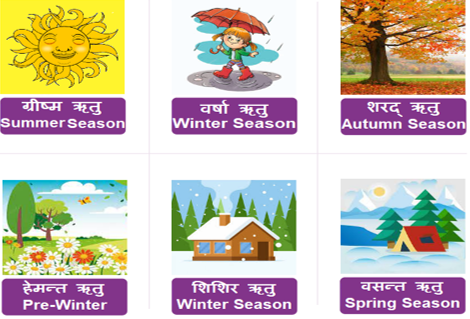
Ayurvedic View of Hemant and Shishir Ritu
According to Ayurveda, winter is divided into Hemant (early winter) and Shishir (late winter), both considered seasons of power, nourishment, and strong digestion. During these periods, digestive fire or Agni remains powerful, allowing the body to assimilate nutrients effectively. At the same time, the cold weather aggravates the Vata dosha, which governs movement, and the Kapha dosha, which governs structure and lubrication. The aggravation of Vata due to cold and dryness leads to issues such as rough skin, joint stiffness, constipation, and increased anxiety. Kapha increases due to dampness and cold, producing excessive mucus, heaviness, sinus blockage, and respiratory disorders. Pitta remains relatively stable, but heavy foods and overeating during winter can still disturb digestion if balance is not maintained. Ayurveda emphasizes that this season is ideal for building strength, provided that lifestyle and dietary choices are aligned with nature’s rhythm.
Pathophysiology of Winter and Common Disorders
The physiological changes brought about by winter contribute to a range of common seasonal disorders. When Vata rises, the body experiences dryness of skin, cracked heels, hair fall, muscle stiffness, and joint pain. The increased Kapha causes respiratory congestion, cough, cold, sinusitis, bronchitis, and worsening of asthma symptoms. The cold weather slows blood circulation, leading to reduced nutrient delivery to tissues and increased fatigue. The digestive system, although capable of strong digestion, becomes easily imbalanced when exposed to heavy, oily, or processed foods, resulting in indigestion, bloating, gas, and metabolic sluggishness. Emotional health can also be affected, as shorter days and colder climates may contribute to irritability, mood swings, or a lack of motivation. Understanding these underlying mechanisms helps in preventing illness and designing effective natural treatments.
Naturopathic Principles in Winter Care
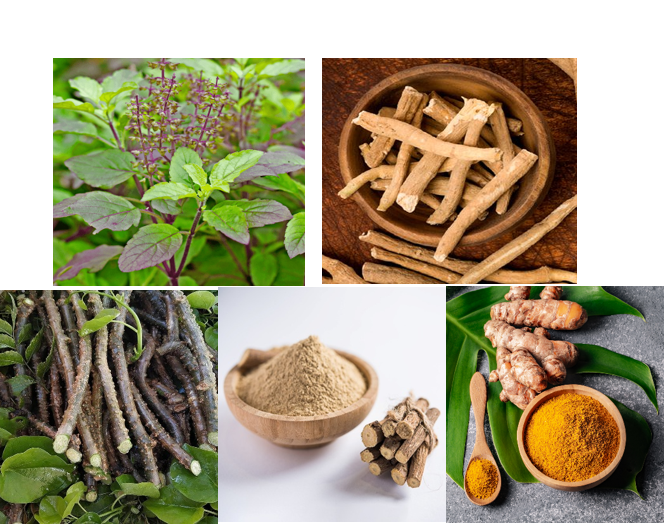
Naturopathy emphasizes aligning with nature by utilizing the elements—air, water, earth, sunlight, diet, and herbs—for healing and balance. In winter, the focus is on warmth, grounding, and nourishment rather than detoxification. Warmth helps stabilize Vata, while grounding practices support emotional balance and digestion. Techniques such as heliotherapy (sun exposure) improve immunity and provide natural Vitamin D, which is essential for bone health and respiratory strength. Hydrotherapy plays an important role through warm foot baths, warm compresses on the chest and sinuses, and steam inhalation to relieve congestion. Herbal support using ginger, tulsi, turmeric, licorice, ashwagandha, and black pepper strengthens immunity, enhances respiratory function, and maintains digestive fire. Earth therapies such as mud packs help reduce inflammation and soothe dryness. By combining these elements, naturopathy provides a holistic approach to managing winter-related concerns.
Dietary Requirements and Metabolic Balance in Winter
Diet plays a crucial role in maintaining health during winter. The body’s demand for warmth increases, making warm, cooked, and nourishing foods essential for balancing doshas. Seasonal vegetables like carrots, beetroots, sweet potatoes, pumpkin, and leafy greens support immunity and provide grounding energy. Foods rich in natural oils, such as ghee, sesame oil, nuts, and seeds, counteract dryness and provide sustained warmth. Soups, porridges, and herbal teas improve circulation and digestion, while jaggery acts as a natural energizer that strengthens respiratory health. Cold foods, refrigerated items, carbonated drinks, and raw salads can disturb digestion and aggravate Kapha and Vata, making them unsuitable for winter. By choosing foods that align with the season, the body maintains metabolic stability and resists diseases more effectively.
Winter Routine (Dinacharya) for The Season
A winter-friendly daily routine supports the body’s rhythm and enhances resistance to seasonal ailments. Waking up around sunrise allows the mind and body to connect with natural light, improving mood and energy. Drinking warm water with ginger and honey helps stimulate digestion and remove mucus. Self-abhyanga, or oil massage, using sesame or mustard oil, nourishes the skin, improves circulation, reduces dryness, and balances Vata. Gentle exercises such as Surya Namaskar, stretching, breathing practices, and light walking warm the body and stimulate circulation without overexertion. Exposure to morning sunlight enhances immunity and supports emotional stability. In the evening, warm meals, early dinner, and relaxation techniques such as mild heat therapy or foot baths help the body unwind and prepare for restorative sleep. Adopting these practices consistently ensures better health throughout winter.
Dietary Guidance for Winter Nourishment
During winter, the body requires warm, cooked, and nourishing foods to maintain digestive strength and metabolic stability. The cold external environment naturally stimulates a stronger digestive fire, and when this internal heat is not supported with appropriate foods, individuals may experience acidity, discomfort, or digestive irritation. Including warm soups, porridges, lightly spiced meals, and khichdi enriched with ghee helps maintain balance and promotes easy digestion. Seasonal vegetables such as carrots, beetroots, spinach, fenugreek, and bathua supply essential nutrients and grounding energy needed during cold weather. Herbal teas prepared with tulsi, ginger, cinnamon, and licorice support respiratory health by reducing congestion and enhancing immunity. Jaggery becomes a preferable sweetener during winter because it provides warmth, supports Kapha balance, and strengthens the respiratory system. To prevent digestive imbalance and seasonal illnesses, cold, raw, and refrigerated foods should be avoided as they suppress digestive fire and increase mucus formation.

Daily Lifestyle Practices for Winter Care
Lifestyle adjustments play a significant role in maintaining health during winter. Keeping the body warm with proper clothing, protecting oneself from direct exposure to cold winds, and making use of sunlight whenever possible are essential practices. Sunbathing during the morning hours enhances natural Vitamin D synthesis and supports immunity, bone strength, and emotional well-being. Steam inhalation infused with eucalyptus oil or basil leaves helps prevent respiratory infections and provides relief from congestion. Gentle breathing practices such as Bhastrika Pranayama and Anulom Vilom strengthen the lungs, improve oxygenation, and reduce the impact of cold weather on the respiratory system. Adequate rest forms another important pillar of winter health, as the body requires seven to eight hours of sleep to maintain immunity, regulate hormones, and sustain overall vitality. Incorporating these practices ensures a stable balance between the external climate and the body’s internal functioning.
Seasonal Rasayanas and Herbal Support
Specific herbs and rasayanas play a supportive role in enhancing strength and immunity during winter. Ashwagandha is a valuable adaptogenic herb known for reducing stress, improving stamina, and balancing aggravated Vata. Half a gram of Ashwagandha powder taken twice daily with warm milk or lukewarm water nourishes tissues and promotes resilience. Guduchi, or Giloy, is an immunomodulatory herb that supports immunity and balances Kapha and Pitta. Its decoction can be prepared by soaking small pieces of the stem overnight and boiling it in the morning during winter; in summer, the same preparation can be taken without boiling. Chyawanprash is a well-recognized Ayurvedic formulation rich in antioxidants and rejuvenating herbs, supporting respiratory strength and winter vitality when taken one to two teaspoons daily with warm milk or lukewarm water. Trikatu, a classical combination of ginger, black pepper, and long pepper, enhances digestion, stimulates metabolic fire, and clears phlegm. One to two grams of Trikatu powder with honey or warm water after meals helps prevent sluggish digestion and respiratory accumulation. Tulsi serves as an antiviral herb that reduces phlegm, alleviates cold symptoms, and strengthens the respiratory system through infusions, extracts, or capsules.
Naturopathic Winter Care and Core Principles
Naturopathy functions on timeless principles that guide both disease prevention and the promotion of optimal seasonal health. Winter, being a cold, dry, and energy-conserving season, naturally challenges the body’s equilibrium. By applying naturopathic principles, individuals can prevent illness, enhance immunity, and support the body’s inherent self-healing capacities. The principle of First Do No Harm emphasizes choosing gentle, non-invasive therapies that work in harmony with the body’s natural processes. During winter, this includes prioritizing warmth, nourishment, and stabilization rather than aggressive cleansing or strenuous practices. Supporting digestion, preserving body heat, maintaining moisture through oils, and minimizing external stressors create an environment where the natural healing mechanisms can function effectively. By integrating these principles with seasonal dietary and lifestyle practices, winter becomes a period of strength-building, tissue repair, and enhanced vitality.
- Gentle, Non-Invasive Methods for Winter Care
Winter care in naturopathy always begins with gentle, non-invasive methods because the goal is not to fight or suppress the body’s natural reactions but to support and strengthen them. During the cold season, the body undergoes various physiological adjustments, such as increased mucus production, decreased circulation, and tighter muscles, all of which are protective mechanisms rather than signs of weakness. When we use strong medicines or painkillers to immediately suppress symptoms, we interfere with the body’s natural rhythm and healing intelligence. Naturopathy emphasizes that symptoms like phlegm, cough, slight stiffness, or drainage are part of the body’s attempt to maintain balance. Instead of blocking these responses, we create conditions that help the body complete its healing cycle safely and effectively. This gentle approach allows the body to heal at its own pace without causing further strain or side effects.
- Warm Oil Therapies for Circulation & Comfort
Warm oil therapies form a deeply nourishing part of winter routines because they provide warmth, grounding, and lubrication to the body during a time when dryness, coldness, and sluggish circulation are common. Massaging the body with oils such as sesame or mustard oil helps to counteract the cold qualities of the season. These oils penetrate the tissues, strengthen the muscles, reduce stiffness, and promote smooth joint movement. The warmth generated by the oil enhances blood circulation, allowing nutrients to travel more effectively throughout the body while removing metabolic waste. Regular oil massages also activate the lymphatic system, which plays a crucial role in detoxification and immunity. The process itself is deeply calming, reducing stress, improving sleep quality, and stabilizing mood — all of which are essential for winter wellness. For many people, even a simple daily or alternate-day routine of warm oil application becomes a powerful practice that protects their health throughout the season.
- Steam Inhalation & Hydrotherapy for Respiratory Support
Steam inhalation and hydrotherapy have been used for generations as natural ways to support respiratory and circulatory health, especially in winter when the air is dry and cold. Steam inhalation softens and loosens mucus, making it easier for the respiratory system to expel congestion without any medication. When infused with herbs like eucalyptus, tulsi, or basil, the steam not only clears nasal passages but also reduces microbial load, soothes inflammation, and supports the immune system. Hydrotherapy techniques such as warm baths, hot fomentation on the chest, or alternating hot and cold compresses stimulate circulation, improve metabolic activity, and reduce stiffness in the body. These therapies work by awakening the body’s internal healing force, improving blood flow to affected areas, and supporting natural detox pathways. Unlike harsh treatments that can disturb the body’s balance, hydrotherapy aligns with the body’s temperature and circulation patterns, making it an ideal winter remedy.
- Herbal Teas, Natural Detox & Fermentation
Herbal teas, detox measures, and fermented foods or drinks play a key role in winter naturopathy because they support digestion, immunity, and internal warmth—three pillars of winter health. Herbal combinations such as ginger, tulsi, cinnamon, mulethi, and black pepper help ignite the digestive fire, which often slows down due to the cold weather. When digestion weakens, the body becomes more prone to mucus formation, bloating, heaviness, and lethargy. Herbal teas restore this balance by stimulating metabolism, improving circulation, and cleansing the respiratory passages. Natural detox practices like warm water therapy, gentle fasting, fermented drinks, and herbal decoctions help the body clear toxins without exerting pressure on the system. These methods encourage the liver, kidneys, and skin to function more efficiently. Fermented foods add beneficial bacteria that support gut health, which is closely linked to immunity. The goal of these gentle detox practices is not to push the body into forceful cleansing but to create an environment where the body can naturally function at its best.
- Healing Power of Nature in Winter
Naturopathy is built on the principle that the body has an innate healing intelligence, and this power is activated when we align ourselves with nature. Winter is a season when connecting with natural forces becomes even more important because environmental cues guide our circadian rhythm, immune function, and mental health. Sunlight in the morning plays a powerful role in synthesizing vitamin D, stabilizing mood, regulating hormones, and enhancing immunity. Fresh air, especially during early hours, strengthens respiratory function by improving oxygenation and clearing the lungs. Spending time outdoors helps balance emotional well-being, reduces stress hormones, and increases the body’s vitality. Nature acts as a healer by influencing our physical, emotional, and mental systems simultaneously. When we embrace elements like sunlight, open air, natural warmth, and grounding activities, we create a harmonious internal environment that allows healing to occur effortlessly.
- Therapeutic Use of the Five Elements
In naturopathy, the five elements—Earth, Water, Fire, Air, and Ether—are used therapeutically to correct imbalances and guide healing. During winter, these elements play an even more crucial role in restoring harmony. Earth element, through mud packs, helps cool inflammation, reduce acidity, and calm irritated tissues. Water element, used through steam baths, warm baths, compresses, and hydrotherapy, helps regulate body temperature, remove toxins, and stimulate blood flow. Fire element is experienced through sunlight exposure, warm food, heat therapies, and oil massages, which help maintain digestive fire and internal warmth. Air element is strengthened through deep breathing practices, pranayama, and exposure to fresh, clean air, improving lung capacity and oxygen circulation. Ether element is nurtured through silence, meditation, rest, mental clarity, and mindful living. By integrating these elements into daily routines, naturopathy helps individuals create balance within the body and mind, preventing diseases and supporting natural vitality.
- Natural Immunity Boosters Provided by Nature
Nature provides a rich range of herbs that act as powerful immunity boosters, especially during winter when resistance tends to weaken. Herbs like Tulsi, Giloy, Ashwagandha, Turmeric, and Mulethi work synergistically to reduce inflammation, balance stress hormones, strengthen respiratory pathways, and enhance digestive strength. These herbs do not force the immune system; instead, they nourish it gradually, helping the body adapt to changes in temperature and fight infections naturally. Tulsi supports respiratory health, Giloy acts as a natural detoxifier and fever regulator, Ashwagandha strengthens the nervous system and reduces stress, while Turmeric supports liver function and reduces inflammation. When consumed consistently, either as teas, decoctions, or natural supplements, these herbs build long-term immunity and resilience against winter challenges.
- Treating the Root Cause of Winter Illnesses
Winter illnesses such as recurring cough, sinusitis, bronchitis, and skin dryness often have deeper causes that remain unaddressed when symptoms are treated superficially. Factors such as poor circulation due to prolonged exposure to cold, weak digestive fire, excessive mucus production, and toxin buildup in the body contribute to these conditions. Naturopathy emphasizes identifying these root causes through detailed assessment rather than immediately suppressing symptoms. If digestion is weak, warming foods and herbs are given. If circulation is poor, oil massages and hydrotherapy are recommended. If mucus is excessive, detox and strengthening methods are used. By addressing the underlying imbalance rather than masking symptoms, naturopathy ensures long-term healing and prevents chronic patterns from developing.
- Patient Education for Winter Self-Care
Winter is one of the best seasons for educating individuals about self-care because the environment naturally encourages slower, more mindful living. Teaching patients about daily oil massages helps them build warmth, improve skin health, and support circulation. Guiding them on practicing simple but effective breathing exercises strengthens lung capacity and enhances oxygenation. Educating about warming herbal teas, seasonal foods, and proper hydration encourages them to nourish their bodies naturally. Sun exposure early in the morning reinforces healthy sleep cycles and improves immunity. When patients incorporate these practices, they develop a deeper understanding of how to care for themselves, making winter a season of rejuvenation and nourishment rather than sickness and discomfort.
- Preventive Care for Strong Immunity
Preventive care is the foundation of naturopathy, especially during winter when the risk of illness increases due to cold temperatures, reduced sunlight, and lower digestive fire. Strengthening immunity beforehand helps protect the body against seasonal infections like colds, coughs, flu, sinus congestion, and digestive disturbances. Preventive practices include eating warm, freshly cooked, nutrient-rich meals; following a regular sleep schedule; staying hydrated with herbal teas and warm water; and practicing relaxation methods like pranayama and meditation. These habits help regulate metabolism, balance hormones, reduce stress, and keep the immune system strong. When preventive care becomes part of daily life, the body becomes more resilient, adaptable, and capable of handling seasonal variations without falling sick.
Winter brings with it a unique set of challenges for the human body. As temperatures drop, the body naturally shifts its energy toward maintaining internal warmth, which can sometimes reduce immunity and increase susceptibility to infections. Naturopathy emphasizes working with the body’s natural rhythms, and it focuses on preventive care rather than simply treating symptoms. The aim is to keep the body balanced so that seasonal stress does not convert into disease. Several gentle practices—adequate rest, hydration with warm fluids, warming herbs like cinnamon and black pepper, and mental calmness through meditation—help the body maintain equilibrium even during harsh weather. When these habits become part of the daily routine, one can effectively bypass many common winter illnesses.
Before diseases manifest, subtle imbalances begin to build inside the body. Lack of rest, dehydration, cold exposure, and stress weaken natural defenses. Naturopathy teaches that timely intervention with supportive habits strengthens internal resilience. Warm fluids keep the throat moist and support circulation, while warming herbs stimulate metabolic fire and immunity. Meditation helps maintain emotional balance, a crucial factor considering how the mind influences the body’s healing capacity. This blend of simple lifestyle habits supports an internal environment where diseases find it difficult to develop, reinforcing the principle that prevention is always better than cure.
In recent years, naturopathy has gained significant scientific validation. Modern research has examined herbs, foods, and lifestyle interventions traditionally recommended in naturopathy and found measurable benefits for conditions like common cold, flu, respiratory congestion, and seasonal mood changes. This evolving evidence base is transforming naturopathy from a purely traditional practice into a credible, research-supported health system. Understanding these findings empowers individuals to adopt naturopathic methods more confidently and consistently.
One of the most widely studied winter-friendly remedies is ginger tea. A 2023 study published in the Journal of Ethnopharmacology reported that ginger tea reduced symptoms of cold and sore throat by nearly 20%. Researchers highlighted the herb’s strong anti-inflammatory and antiviral properties, noting that it provides measurable benefits for upper respiratory tract infections. Unlike many over-the-counter decongestants, ginger offers relief without causing side effects such as drowsiness or dryness. This positions ginger tea as a validated, accessible, and safe intervention for early winter symptoms. Its warming nature also supports digestion and circulation, making it an excellent daily addition during colder months.
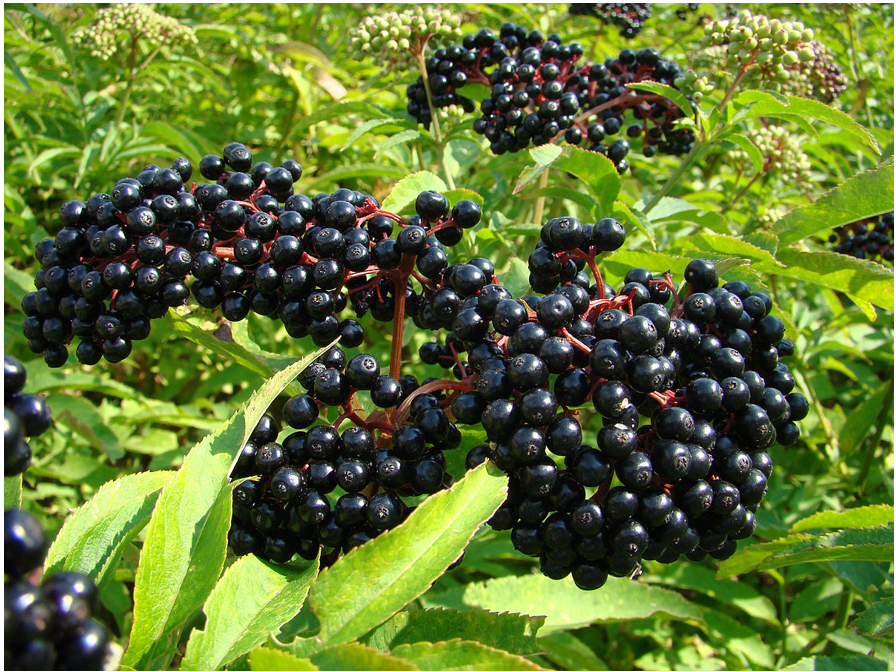
Another herb gaining scientific attention is elderberry, a natural antiviral botanical used traditionally in many cultures, including in India where its varieties are available. According to a 2022 Cochrane Review, elderberry extract was found to reduce the duration of influenza-like illness by two to four days. Participants consuming elderberry experienced reduced symptom intensity and faster recovery. Since antibiotics are ineffective against viral infections, elderberry offers an important supportive role in winter immunity. Its bioactive compounds help the body mount a faster and stronger response to viral pathogens, making it a valuable naturopathic herb during seasonal outbreaks.
Beyond herbs, research has also examined lifestyle-based naturopathic protocols and their influence on winter health. The Institute for Functional Medicine reported that holistic interventions—such as sunlight exposure, nutrient-dense foods, hydrotherapy, and guided relaxation—significantly improved seasonal affective patterns in individuals, with benefits observed in up to 70% of participants. Seasonal Affective Disorder (SAD), a mood condition triggered by limited sunlight during winter, affects many people globally. Practices such as spending time in natural light, consuming foods rich in vitamins and minerals, using warm and cold hydrotherapy techniques, and incorporating relaxation rituals help regulate mood, support hormone balance, and strengthen immunity. These findings highlight the power of simple lifestyle adjustments in maintaining both emotional and physical health during the winter season.
The principle of restoring balance in naturopathy reflects the philosophy that the human body has an inherent rhythm and natural wisdom. When lifestyle practices align with these rhythms, healing becomes smoother and preventive care becomes more effective. This is why naturopathy emphasizes simple yet powerful corrections—maintaining adequate rest, using warming herbs, hydrating with warm fluids, and practicing mental calmness. These are not mere traditional practices; modern scientific evidence now supports many of these interventions. They work with the body instead of against it, helping it adapt to winter stress in a gentle and sustainable manner.
Supporting this perspective, the American Association of Naturopathic Physicians has highlighted that nearly 40% of patients who follow structured Naturopathic Winter Protocols experience benefits in managing seasonal respiratory infections. This reveals that nature-based preventive methods do more than support recovery—they also reduce the unnecessary use of antibiotics. In today’s world, where antibiotic resistance is a serious global threat, such findings make naturopathy even more relevant and valuable. These numbers indicate that these methods are not arbitrary or experimental; they are validated through research and practical outcomes.
Research on herbs like ginger and elderberry, as well as studies on lifestyle-based winter protocols, demonstrates that naturopathy is an evidence-informed system. Ginger’s anti-inflammatory effects, elderberry’s antiviral action, and the positive impact of sunlight exposure, hydrotherapy, and relaxation techniques show that natural interventions hold measurable value. The key principle is integration—using naturopathic support alongside allopathic care when needed. In severe or high-risk cases such as asthma, advanced bronchitis, or acute respiratory distress, medical care becomes essential. However, once the patient stabilizes, integrative naturopathy helps restore the body’s natural state. Working in cooperation with conventional medicine strengthens outcomes and maintains long-term wellness.
As winter approaches, the body undergoes natural physiological changes. The blood vessels constrict in response to cold, reducing blood flow to the skin and extremities. The body directs its energy inward to maintain core temperature, often resulting in dry skin, reduced skin nutrition, and weakened respiratory defenses. Low sunlight exposure decreases serotonin levels, leading to fatigue, mood dips, and in some cases, Seasonal Affective Disorder (SAD). Spending extended time indoors further increases the risk of exposure to infectious agents, contributing to the rise in common winter ailments such as colds, flu, bronchitis, asthma flare-ups, sinusitis, and seasonal skin issues.
Among these, the common cold and flu are the most frequently experienced. These viral respiratory infections become more prevalent in winter due to weakened immunity, reduced sunlight, and increased exposure to cold air. Symptoms often include sneezing, nasal congestion, sore throat, low fever, and fatigue. From a naturopathic viewpoint, the focus is on supporting the body’s natural defenses rather than suppressing symptoms. Simple methods—such as steam inhalation with basil leaves or eucalyptus oil—help clear nasal passages and provide relief from congestion. Warm saline gargles reduce throat irritation and improve local immunity. Adequate rest, hydration, warm soups, and broths activate the body’s defense mechanisms, accelerating natural recovery.
Herbal support plays an important role as well. Basil leaf decoction taken twice a day strengthens respiratory health. Ginger powder, when mixed with honey and taken twice daily, reduces inflammation and soothes the throat. Turmeric milk provides antioxidant and antimicrobial effects. Licorice (mulethi) powder, taken with warm water, acts as an expectorant and helps clear mucus. Along with these remedies, it is important to avoid cold milk, curd, and fried foods, which increase mucus formation. Warm water infused with lemon and mint, steam inhalation, and chest packs further assist in easing symptoms. Depending on the stage and intensity of the illness, one or two remedies can be selected and used appropriately.
Another common condition during winter is bronchitis and asthma. Cold air irritates the bronchial tubes, triggers inflammation, and increases mucus production. People already sensitive to weather changes, pollution, or dust often experience worsening symptoms. Naturopathic care for bronchitis and asthma focuses on improving lung circulation, reducing inflammation, and encouraging easier breathing. Chest fomentation using hot towels helps loosen mucus and relieve tightness. Eucalyptus steam—derived from the white eucalyptus tree—opens the airways and improves breathing. Spinal baths support circulation and strengthen the respiratory system. Deep breathing exercises and chest-expanding movements are vital components of naturopathic management, promoting better oxygenation and lung function.
Herbal interventions for bronchitis and asthma include Vasa (Adhatoda vasica), a well-known herb in respiratory care. The juice or extract of Vasa, taken in doses of about 10 ml twice daily, acts as a strong expectorant. It helps reduce congestion, supports clearer breathing, and aids in healing the inflamed bronchial passages. When combined with lifestyle changes and supportive therapies, these natural methods offer meaningful relief during winter.
During winter, the body undergoes several physiological changes that make it more susceptible to seasonal illnesses. Cold temperatures constrict blood vessels, reduce circulation to the extremities, and decrease skin hydration. At the same time, low sunlight exposure reduces serotonin levels, which can contribute to fatigue, low mood, and even Seasonal Affective Disorder (SAD). The body’s immune response may also weaken, making viral infections like cold, flu, sinusitis, and respiratory issues more likely. Naturopathy emphasizes restoring balance through natural interventions, herbal remedies, lifestyle adjustments, and hydrotherapy, all aimed at supporting the body’s innate healing mechanisms.
For respiratory conditions such as bronchitis and asthma, naturopathic care focuses on clearing mucus, reducing inflammation, and improving lung function. Pipli powder (long pepper) can be taken in a dose of half a gram mixed with honey once daily; its warming properties help in reducing bronchial congestion. Licorice decoction soothes inflamed mucous membranes and supports expectoration. Hydrotherapy techniques, including hot chest packs applied for 15 minutes twice daily, followed by warm full-body wraps or pavements, help relax the entire body, reduce bronchial tension, and improve breathing efficiency. Such therapies complement herbal interventions, promoting overall respiratory health during winter months.
Sinusitis is another common winter ailment, often triggered by cold weather and thickened mucus that blocks sinus drainage. Symptoms include facial pain, nasal blockage, heaviness in the face, and general discomfort. Naturopathic management focuses on clearing the sinuses and reducing inflammation naturally. Steam inhalation with herbs like eucalyptus or basil opens nasal passages, while nasal irrigation (Neti Kriya) helps flush out accumulated mucus, reducing congestion. Hot fomentation over the face provides quick relief and enhances circulation in the sinus region. Avoiding cold drinks and excessive dairy products is recommended, as these can increase mucus production. Herbal support includes ginger tea, basil tea, turmeric powder with honey, and peppermint oil for nasal decongestion. Lifestyle adjustments, such as sleeping in a warm, humidified room and practicing Anulom Vilom (alternate nostril breathing), further support sinus health.
Winter also affects the skin, leading to dryness, eczema, and other conditions caused by low humidity, reduced oil secretion, and cold exposure. Naturopathic care emphasizes natural hydration and protection. Daily oil massages with warm sesame or coconut oil help maintain skin moisture and improve circulation. Chemical soaps are avoided, and gentle herbal cleansers like gram flour and rose water are recommended for regular cleansing. Topical herbal applications such as aloe vera gel, neem leaf paste, or turmeric-coconut oil paste soothe inflammation and promote skin healing. Nutritional support is equally important: consumption of flaxseed oil or whole flaxseeds, seeds, nuts, ghee, and vitamin C-rich seasonal fruits supports skin health from within, enhancing collagen production and maintaining elasticity.
Joint stiffness and pain often increase during winter due to reduced circulation and aggravated Vata dosha, leading to conditions like arthritis. Naturopathic interventions include hot fomentations, oil massages, and gentle yoga or stretching exercises to maintain flexibility and relieve discomfort. Patients are advised to avoid cold and damp conditions and maintain a warm environment. Herbs such as ginger, turmeric, Ashwagandha, and Guggul can be incorporated internally for their anti-inflammatory and rejuvenating effects. For example, ginger or turmeric can be mixed with warm milk, Ashwagandha taken with warm water, and Guggul administered after meals. Castor oil can be taken internally for lubrication and detoxification. Hydrotherapy techniques, including hot compresses, steam baths, and Epsom salt foot baths, further relieve stiffness and improve circulation, supporting joint health naturally.
Hair and scalp health are also affected during winter due to dryness and reduced blood flow. Dandruff and hair fall are common concerns. Naturopathic approaches include scalp massages with warm oils, such as coconut or sesame oil, which improve circulation, hydrate the scalp, and reduce flaking. Maintaining a nutrient-rich diet and proper hydration also strengthens hair health from within, supporting overall well-being during the colder months.
Winter brings specific challenges to the body, affecting everything from the scalp to mood and metabolism. Cold temperatures, low humidity, and reduced sunlight not only cause physical discomfort but also impact mental health and digestion. Naturopathy emphasizes gentle, evidence-based interventions that work with the body’s natural rhythms to maintain balance and health during these months.
During winter, hair and scalp health are particularly affected. Cold weather reduces blood flow to the scalp, leading to dryness, dandruff, and hair fall. Frequent use of hot water baths and chemical shampoos can worsen these conditions by stripping natural oils and further dehydrating the scalp. Naturopathic treatment recommends warm oil massages using oils like coconut oil or Bhringraj oil three times a week. Additionally, herbal interventions such as Amla juice (20 ml daily) and fenugreek paste applied to the scalp for 20 minutes once weekly support hair growth and reduce scalp inflammation. Nutritional support is also important: sesame seeds, almonds, leafy greens, and sprouts provide essential proteins and healthy oils necessary for strong hair.
Mental health is another key area influenced by winter. Reduced sunlight in winter lowers serotonin levels, often leading to fatigue, sadness, lack of motivation, and seasonal depression. This condition is common among students and professionals who spend long hours indoors. Naturopathic care for mood balance includes sun exposure for 20 to 30 minutes daily, preferably during morning walks. Meditation helps regulate the nervous system and boosts serotonin levels. Maintaining regular sleep, daily exercise, and social interactions is crucial, as isolation can worsen depressive symptoms. Certain herbs also provide support: Brahmi or Madhya Rasayana (about 0.5 grams daily) helps balance mood, Ashwagandha (1 gram twice daily) reduces stress, and basil tea consumed twice daily has an uplifting effect. Lifestyle practices such as gratitude journaling, light therapy, and avoiding alcohol or excessive refined sugar further enhance mood and mental resilience.
Winter also affects metabolism and digestion, offering a unique opportunity for nourishment. In colder months, the body’s digestive fire naturally becomes stronger. When the external environment is cold, the body generates internal heat, allowing for better digestion and absorption of heavier, nutrient-dense foods. Naturopathy recommends incorporating warm, oily foods such as ghee, sesame, jaggery, dates, and nuts, which generate heat, improve digestion, and provide deep nourishment. Spices such as ginger, black pepper, cinnamon, and cumin enhance circulation and metabolism, adding warmth to the body. Conversely, cold drinks, raw salads, and excessive raw foods should be avoided during winter, as they can strain the digestive system and reduce internal warmth.
Certain winter-specific foods provide additional health benefits. Ginger, for example, contains bioactive compounds that reduce inflammation, improve circulation, and boost digestion. Fresh ginger (2–4 grams) can be consumed as grated or as 1–2 cups of ginger tea daily. Turmeric milk, prepared with half a teaspoon of turmeric powder in warm milk, is particularly beneficial at night. Turmeric contains curcumin, a potent antioxidant, which reduces inflammation, boosts immunity, and soothes the throat during cold months. Sesame seeds are rich in sesamin, sesamol, and calcium. These nutrients provide healthy fats, support bone health, nourish dry skin, and improve digestion. Consuming 1–2 teaspoons of roasted sesame seeds or traditional sesame laddoos in winter helps maintain warmth and overall health, explaining their traditional seasonal use.

Through these simple yet effective naturopathic interventions—warm oil massages, herbal remedies, lifestyle adjustments, and seasonal nutrition—the body can maintain balance, strengthen immunity, and remain healthy and resilient during winter.
Winter is a season that requires special attention to diet and lifestyle in order to maintain immunity, energy, and overall health. The cold weather, low sunlight, and reduced humidity can lead to fatigue, dryness, weakened immunity, and digestive challenges. Naturopathy emphasizes using seasonal foods and simple lifestyle practices that work with the body’s natural rhythms to provide warmth, nourishment, and protection against winter-related health issues.
Gooseberries (Amla) are one of the most beneficial fruits in winter. Rich in vitamin C, polyphenols, and gallic acid, amla strengthens immunity, supports respiratory health, improves digestion, and promotes glowing skin during the dry winter months. Amla can be consumed fresh daily, or in powdered form—one to two teaspoons per day. Modern research shows that the beneficial effects of amla remain effective regardless of the form in which it is consumed. Amla can also be included in the diet as candies, gummies, or pickles, provided the preparation is low in oil and salt. Regular inclusion of amla in any form is a simple and effective way to boost immunity and maintain overall health during the cold season.
Carrots are another valuable winter food, containing beta-carotene, lutein, and antioxidants that support eye health, boost immunity, and protect the skin. One medium carrot or half a cup of cooked carrots can be consumed daily, and grated raw carrots can be added to salads. It is preferable to avoid raw carrots at night as they are harder to digest. Similarly, sweet potatoes provide beta-carotene, fiber, and complex carbohydrates, offering sustained energy, supporting gut health, and warming the body. A medium-sized sweet potato, either roasted or dry roasted at home, is a nutritious addition to the winter diet.
Dates are a seasonal fruit rich in iron, potassium, natural sugars, and fiber, providing energy, supporting digestion, and generating internal warmth. Two to three dates can be included in the daily diet. For diabetics, it is recommended to consume dates in the morning when activity levels are high to aid digestion and minimize impact on blood sugar. However, if sugar levels are already elevated, it is advisable to avoid dates entirely.
Almonds are another winter superfood. They contain vitamin E, healthy fats, and magnesium, which support skin health, nerve function, and immunity. Consuming five to seven soaked almonds in the morning, after removing the peel, helps counteract winter dryness and provides essential nutrients.
Leafy greens such as spinach are also important. Spinach is rich in antioxidants, supports blood health, and boosts immunity. It can be incorporated in multiple ways—chopped and kneaded into flour, added to lentils or dals, or cooked as a vegetable. Additionally, jaggery is a traditional winter food that provides iron, minerals, and antioxidants, supporting hemoglobin levels, aiding digestion, and generating internal warmth. A small piece of jaggery after meals is a time-honored practice in India, particularly during winter.
Incorporating these foods into a structured daily winter routine further enhances their benefits. A sample winter day could begin with warm lemon water, followed by light stretching and sun exposure for 15–20 minutes, which helps boost vitamin D levels and mood. Breakfast could include oatmeal or millet porridge with nuts, providing warmth and sustained energy. Lunch can consist of lentils, sautéed seasonal vegetables, brown rice, and ghee, which nourish the body and improve digestion. Dinner can include light vegetables, soups, and grains to aid overnight digestion. Throughout the day, hydration with herbal teas helps reduce dryness, supports digestion, and provides warmth. These combined dietary and lifestyle practices create a holistic framework for maintaining energy, immunity, and overall wellness during winter.
Winter brings a unique set of challenges for the human body, including reduced immunity, respiratory congestion, joint stiffness, and skin dryness. Naturopathy offers a variety of therapies and lifestyle routines that work with the body’s natural rhythms to maintain health, improve immunity, and support overall well-being during the colder months.
Hydrotherapy and Temperature-Based Therapies are foundational in winter naturopathy. Hot and cold applications, including warm foot baths, spinal baths, and localized fomentation, improve circulation, relieve congestion, and enhance metabolism. Fomentation should be applied directly to the affected area, while warm foot baths stimulate the entire body, promoting relaxation and systemic healing. Similarly, mud therapy or mud packs over the abdomen or joints help remove toxins, balance local temperature, and reduce inflammation in affected areas. These therapies not only support physical health but also improve the body’s natural detoxification processes.
Sun exposure, or heliotherapy, is another key naturopathic intervention. Early morning sunlight helps in vitamin D synthesis, uplifts mood, enhances blood circulation, and supports immunity. This simple practice has profound effects on overall health and is considered one of the most natural preventive therapies during winter.
Massage and oil therapy, particularly self-massage or Abhyanga, is an essential part of winter care. Warm oil applied to the body before bathing nourishes the skin, strengthens the nervous system, improves blood flow, and alleviates dryness. Combined with steam therapy, these practices help loosen mucus, open airways, detoxify the skin, and improve respiratory function.
In addition to therapies, lifestyle practices are critical for prevention during winter. Going to bed early and rising with the sun, wearing warm clothing, maintaining indoor air circulation, and performing light exercises such as Surya Namaskar, Kapalbhati, and Anulom Vilom support oxygenation and maintain internal warmth. Adequate rest, emotional balance, and consumption of fresh, seasonal foods act as preventive medicine and help the body maintain its natural equilibrium.
Case Studies
Case Study 1: Recurrent Cold in a School Teacher
A 30-year-old school teacher with a busy schedule and frequent exposure to children during winter presented with recurrent episodes of sneezing, nasal congestion, mild fever, and throat irritation over two to three weeks during the cold season. The diagnosis was recurrent viral rhinitis due to low immunity and mucosal dryness.
Naturopathic Treatment Plan:
- Steam inhalation with three to four basil leaves or two drops of eucalyptus oil twice daily
- Ginger powder (1 gram) with honey twice daily to reduce inflammation and boost immunity
- Turmeric milk at bedtime to soothe the throat and support digestion
- Licorice decoction twice daily for mucosal care
- Avoiding cold foods, curd, and refined sugar to prevent excess mucus formation
- Daily sunlight exposure for 10 minutes and deep breathing exercises in the morning
Expected Outcome After Six Weeks:
- Reduced frequency of colds and respiratory symptoms
- Improved energy levels and better sleep quality
- Enhanced digestion and overall well-being
Case Study 2: Chronic Bronchial Asthma in an Office Worker
A middle-aged office worker with a 10-year history of mild bronchial asthma experienced exacerbations every winter. Symptoms included wheezing, breathlessness, night-time cough, productive cough, and chest tightness. The condition was identified as chronic bronchial asthma aggravated by cold exposure and poor lung conditioning.
Naturopathic Approach for Winter Asthma:
- Steam therapy with eucalyptus or basil to clear the airways and reduce congestion
- Warm fomentation on the chest to relieve tightness and improve lung circulation
- Breathing exercises, including deep diaphragmatic breathing and Anulom Vilom, to strengthen respiratory function
- Herbal support, such as Vasa (Adhatoda vasica) extract or juice, to act as an expectorant
- Lifestyle adjustments including warm clothing, avoiding cold drafts, and moderate indoor exercise to maintain lung warmth and overall immunity
These case studies illustrate how combining targeted naturopathic therapies, herbal support, and lifestyle interventions can significantly reduce winter-related illness and enhance resilience. By focusing on preventive care, circulation, and natural immunity, naturopathy offers an integrative framework for managing winter health effectively.
Winter Management for Respiratory, Skin, Joint, and Sinus Conditions
Winter brings a significant rise in health challenges due to cold temperatures, low humidity, and reduced sunlight. Respiratory issues, skin conditions, joint stiffness, and sinus problems are commonly aggravated during this season. Naturopathy offers a comprehensive approach through herbal therapies, lifestyle interventions, and hydrotherapy, which not only manage symptoms but also enhance immunity and overall well-being.
Case Study 1: Bronchial Asthma
A patient with chronic bronchial asthma was treated using a combination of naturopathic therapies and herbal supplements to improve lung function and reduce dependence on inhalers. Daily chest fomentation with a hot towel for 15 minutes was performed, followed by steam inhalation with basil leaves and ginger to loosen mucus and clear the airways. Vasa leaf juice (10 ml twice daily) and Pipli powder (0.5 grams with honey once daily) were prescribed as herbal expectorants.
Additionally, turmeric (0.5 teaspoon) with black pepper in warm milk every night was included; black pepper increases the absorption of turmeric by up to 2000%, enhancing its anti-inflammatory properties. Licorice decoction (50 ml twice daily) was given for throat care and mucus regulation. Complementary therapies included hot foot baths before bedtime, chest packs during acute episodes, and pranayama practices such as Anulom Vilom and Bhastrika for 15 minutes daily to strengthen respiratory muscles and improve oxygenation.
Within two months, this regimen led to a significant reduction in symptoms, decreased frequency of attacks, reduced dependence on inhalers, and improved overall respiratory function, particularly during extreme cold exposure.
Case Study 2: Chronic Eczema
A homemaker with chronic eczema since childhood presented with itching, dryness, cracking, and mild oozing of the skin, primarily on hands and legs. Winter exacerbated the condition due to skin dehydration and low humidity.
The naturopathic treatment included daily oil massage (Abhyanga) with warm sesame oil before bathing, followed by the application of aloe vera gel twice daily. Neem leaf decoction was used as a natural skin wash to reduce inflammation, and turmeric powder (0.5 teaspoon in warm water twice daily) was taken internally for its anti-inflammatory and healing properties. Flaxseed oil (1 teaspoon daily) was added to the diet for internal nourishment, while coconut oil and turmeric paste were applied externally at night. Hydrotherapy using alternate hot and cold hand immersions improved local circulation and skin hydration.
After six weeks, the eczema improved by approximately 80%, with reduction in new lesions, smoother skin, and enhanced overall mood due to better sleep and improved skin comfort.
Case Study 3: Osteoarthritis
A post-menopausal woman with knee osteoarthritis for five years experienced stiffness, pain, and swelling, which worsened in cold weather. Mobility was reduced, and morning stiffness affected daily activities.
Naturopathic care included gentle massage with warm castor oil, combined with herbal supplementation: Ashwagandha (2 grams twice daily), Guggul (0.5 grams twice daily), turmeric (0.5 teaspoon), and ginger powder in warm milk twice daily. Additionally, castor oil (1 spoonful at night) was used for internal lubrication. The diet emphasized warming and nourishing foods, including sesame seeds, garlic, soups, while avoiding exposure to cold and damp conditions.
After eight weeks, the patient experienced a 60% reduction in pain, improved flexibility, and better joint mobility. Yoga and regular oil massage were recommended as maintenance therapy to prevent symptom recurrence and maintain joint health.
Case Study 4: Chronic Sinusitis
A patient with recurrent sinus headaches and nasal blockage during winter presented with facial pain, post-nasal drip, head heaviness, and dry throat. Diagnosis indicated chronic maxillary sinusitis, triggered by cold exposure and indoor pollution.
The naturopathic treatment plan included Neti Kriya with lukewarm saline water to clear nasal passages, steam inhalation with peppermint oil, and consumption of ginger tea (three cups daily). Turmeric and honey paste (0.5 teaspoon twice daily) was applied to the face to reduce inflammation, and Tulsi decoction (100 ml morning and evening) supported immunity and sinus health. Cold foods, curd, and cheese were avoided, as they exacerbate mucus formation. Daily Kapalbhati pranayama was included to improve respiratory function and reduce congestion.

Within one month, the patient experienced significant reduction in nasal blockage, improved sinus drainage, and relief from headaches, demonstrating the effectiveness of an integrative naturopathic approach combining herbal therapy, hydrotherapy, and lifestyle adjustments.
Winter brings unique challenges for both physical and mental health. The cold weather, reduced sunlight, and indoor confinement can aggravate respiratory issues, skin conditions, hair problems, and mood disturbances. Naturopathy offers a comprehensive, evidence-informed approach through herbal therapy, hydrotherapy, diet regulation, and lifestyle interventions, which help restore balance, prevent recurrence, and promote overall wellness.
Chronic Sinusitis
Chronic sinusitis is a common winter condition, often characterized by nasal blockage, post-nasal drip, facial pain, head heaviness, and dry throat. The cold weather, combined with indoor pollution, aggravates mucus accumulation, making drainage difficult. Naturopathic care focuses on regular nasal hygiene and dietary management to prevent recurrence.
Treatment protocol:
- Neti Kriya with lukewarm saline water helps clear nasal passages and reduce congestion.
- Steam inhalation with peppermint oil or basil leaves opens airways and promotes drainage.
- Ginger tea (three cups daily) enhances immunity and supports respiratory health.
- Turmeric and honey paste (0.5 teaspoon twice daily) applied topically helps reduce inflammation in the nasal passages.
- Tulsi (Holy Basil) tea twice daily provides mild stimulation, supports immunity, and reduces respiratory discomfort.
- Avoidance of cold foods, dairy, and refined sugar helps prevent excess mucus formation.
With consistent application, these interventions can significantly reduce chronic sinusitis symptoms, restore regular nasal function, and prevent recurrence, demonstrating the effectiveness of naturopathic protocols in winter respiratory care.
Seasonal Affective Disorder (SAD)

Reduced sunlight exposure during winter months often leads to Seasonal Affective Disorder (SAD), particularly in students and professionals with erratic schedules. Symptoms include low motivation, sadness, difficulty focusing, irregular sleep, sugar cravings, and general lethargy.
Diagnosis: Seasonal Affective Disorder due to reduced sunlight and irregular daily routines.
Naturopathic management:
- Morning sunlight exposure for 30 minutes combined with deep breathing exercises stimulates serotonin production, uplifts mood, and enhances energy levels.
- Regular yoga sessions, including Surya Namaskar, improve circulation, flexibility, and mental focus.
- Herbal support with Ashwagandha (1 gram daily) as an adaptogen reduces stress, while Brahmi Medhya (1 gram daily) improves cognitive function and concentration.
- Tulsi tea (two cups daily) provides mild mental stimulation.
- Lifestyle modifications such as gratitude journaling, reducing caffeine intake, and engaging in outdoor physical activity help maintain mental and emotional balance.
Within four weeks, these interventions promote mood stabilization, improved sleep, enhanced focus, and reduced depressive symptoms, supporting academic and professional performance during the winter months.
Hair Fall and Dandruff
Dry, cold winter conditions often exacerbate hair fall and dandruff, leading to itching, white flakes, and thinning hair. These issues are commonly linked to dry scalp and heat imbalance, especially when frequent hot water baths or chemical shampoos are used.
Naturopathic treatment plan:
- Bhringraj oil massage on the scalp thrice weekly nourishes hair follicles.
- Herbal hair wash using boiled water with amla (gooseberry) and hibiscus flowers helps maintain scalp health.
- Amla juice consumption daily supports internal nutrition and promotes hair growth.
- Fenugreek seed paste applied to the scalp and coconut oil with lemon juice at night helps control dandruff.
- Dietary modifications include soaked almonds, sesame seeds, leafy greens, and sprouts, which provide essential proteins, iron, and healthy fats necessary for hair and scalp health.
After one month of consistent application, the scalp remains hydrated, dandruff reduces significantly, and hair fall decreases, highlighting the effectiveness of natural interventions combined with diet and herbal therapy.
Integrated Approach Across Conditions
Across all cases—respiratory, dermatological, musculoskeletal, mood, and hair-related conditions—naturopathy relies on a holistic combination of natural interventions:
- Herbal therapies to reduce inflammation, improve immunity, and support organ function.
- Hydrotherapy such as steam inhalation, fomentation, and hot/cold baths to improve circulation and relieve congestion.
- Dietary corrections with seasonal, nutrient-dense foods that nourish the body and enhance internal warmth.
- Lifestyle interventions including yoga, pranayama, sun exposure, and journaling for physical and emotional balance.
This integrative approach provides sustainable improvement in winter health without the side effects often associated with conventional medications, allowing the body to function optimally throughout the season.
Winter is a season that poses unique challenges to the body, yet it also offers an excellent opportunity to strengthen immunity, enhance vitality, and restore overall balance. Cold mornings, reduced sunlight, and seasonal changes often lead to low-grade respiratory issues, digestive discomfort, and general fatigue. Naturopathy emphasizes aligning lifestyle and natural therapies with the season to maintain physical, mental, and emotional health.
Strengthening Immunity During Winter
During the cold hours of the morning, even brief exposure can trigger sneezing, cold sensations, and respiratory discomfort. These occurrences highlight the importance of strengthening the body’s immune system. Naturopathic interventions focus on improving innate immunity and respiratory resilience through herbal supplements, warming practices, and lifestyle adjustments.
A practical routine for boosting immunity includes:
- Ashwagandha powder: Consuming half a teaspoon daily for 15–20 days can strengthen the immune system, increase resistance to infections, and support overall energy levels.
- Chyawanprash: A spoonful daily enhances vitality and provides antioxidants and vitamin C to help the body combat winter ailments.
- Steam therapy: Performing steam inhalation with basil leaves or eucalyptus oil two to three times a week helps clear nasal passages, reduces congestion, and prevents respiratory infections.
- Head covering: Protecting the head during early morning exposure minimizes the risk of cold-related illnesses and upper respiratory tract infections.
By following these measures consistently, the body can better withstand seasonal challenges, reducing the frequency of colds and enhancing overall resilience.
Dietary Considerations for Winter Wellness
Winter also affects digestive efficiency. Late-night meals or inadequate spacing between dinner and sleep can slow down the metabolic fire, which is the body’s natural digestive and repair mechanism. Eating too close to bedtime forces the body to digest food while simultaneously attempting to rest and repair tissues, leading to sluggish digestion, bloating, and discomfort.
Practical recommendations include:
- Meal timing: Ideally, dinner should be consumed two to three hours before sleep. For instance, if bedtime is 10:00 p.m., dinner should be completed by 7:00 p.m. If a later schedule is unavoidable, try to finish meals at least one hour before sleeping. This ensures that digestion occurs efficiently and the body can focus on repair and regeneration during rest.
- Digestive aids: Incorporating lemon and ginger with a pinch of rock salt before meals can stimulate digestive fire, improve appetite, and facilitate smoother digestion. Chewing two to three small pieces helps the digestive system prepare for the meal, reducing strain and promoting nutrient absorption.
By managing meal timing and incorporating natural digestive aids, winter digestive discomfort can be minimized, and energy levels maintained throughout the day.
Holistic Winter Routine
Naturopathy encourages a seasonal approach to lifestyle, combining diet, herbal support, and mindful practices. For optimal health in winter:
- Maintain adequate rest and prioritize sleep for proper immune and metabolic function.
- Use warming herbs, teas, and food to stimulate circulation and maintain core body warmth.
- Engage in gentle exercise, stretching, and breathing practices to support cardiovascular and respiratory health.
- Incorporate herbal interventions like Ashwagandha, Chyawanprash, basil, and eucalyptus to enhance immunity naturally.
This integrated approach ensures that physical immunity, emotional balance, and overall vitality are maintained even during the harshest winter days. Through conscious daily practices, the body becomes more resilient, digestion remains strong, and respiratory health is supported, allowing individuals to navigate winter safely and comfortably.
Winter is a season that brings multiple changes to our body, particularly affecting digestion and skin health. Many people experience bloating, heaviness in the stomach, and skin dryness or itching during the colder months. These issues often arise due to timing of meals, lifestyle habits, and seasonal environmental changes, but they can be effectively managed through simple naturopathic routines and mindful practices.
Optimizing Digestion During Winter
The digestive fire, or metabolism, naturally becomes stronger during winter, as the body needs to generate warmth internally. However, improper meal timing can disrupt this process, leading to sluggish digestion and accumulation of fat, particularly around the stomach area. Ideally, it is recommended to eat one to one and a quarter hours before sleeping. Going to bed immediately after eating slows down digestion, as the body is unable to efficiently process food while simultaneously entering a state of rest.
A simple routine to aid digestion includes taking a short walk of 100 steps after meals. This can be done casually, such as walking across a room or while watching television. Following this, sitting in Vajrasana for two to three minutes further supports digestion. Vajrasana helps in directing blood flow to the stomach region, stimulating digestive enzymes, and enhancing nutrient absorption. These small steps allow the digestive system to function optimally, even if meal timings are slightly delayed due to work or other commitments.
Dietary choices also play a key role in preventing stomach heaviness and fat accumulation. Overconsumption of calories, particularly beyond your individual energy needs, can contribute to excess fat storage in the abdominal region. Additionally, diets high in refined sugar, excess oil, or processed foods can exacerbate bloating and slow digestion. Maintaining a balance between calorie intake and physical activity is essential. Integrating warming foods, ginger, lemon, and rock salt before meals can further aid digestion, stimulating the metabolic fire and reducing the negative effects of late meals.
Managing Winter Skin Dryness and Itching
Winter dryness often leads to itching and irritation on the skin, which can range from mild discomfort to severe irritation in some cases. This occurs due to reduced humidity and natural drainage of oils from the skin, resulting in loss of hydration and skin elasticity. Naturopathy emphasizes simple, accessible measures to maintain skin health and prevent discomfort.
Daily oil massage is one of the most effective strategies. Even brief massages with warm oils such as sesame or coconut oil before bathing can restore moisture, improve circulation, and soothe dry, itchy skin. The massage does not require elaborate setups or excessive time; it can be incorporated easily into your routine, such as applying oil immediately before or after bathing. Consistency in this practice keeps the skin nourished, hydrated, and resilient against the harsh winter environment.
Additionally, applying herbal oils or natural remedies to particularly dry areas helps relieve itching and strengthens the skin’s protective barrier. Combining internal support, such as adequate hydration and warming foods, with external care, such as oil massage, ensures overall skin health and comfort during winter.
Integrating Lifestyle Practices for Holistic Winter Health
Winter wellness is not limited to diet and skincare alone. Small lifestyle adjustments can have a profound impact on digestion, immunity, and skin health. Walking after meals, practicing Vajrasana, and using natural digestive aids like ginger, lemon, and rock salt support internal metabolism. Simultaneously, regular oil massage addresses external hydration, preventing dryness and itching.
These simple, integrative practices reflect the naturopathic approach of living in harmony with the season. By respecting the body’s natural rhythms and responding proactively to seasonal challenges, individuals can maintain optimal digestion, healthy skin, and overall well-being throughout the winter months.
Winter brings a unique set of challenges for the body, particularly in terms of skin dryness, itching, digestion, and maintaining internal warmth. Naturopathy emphasizes balancing the body through both external care and internal nourishment, ensuring that the body remains warm, hydrated, and resilient throughout the cold season.
External Greasing and Skin Care
One of the most effective strategies for winter skin care is oil therapy. Mustard oil is traditionally recommended due to its warming properties, but sesame oil is even better for overall nourishment and hydration. The practice involves applying a small amount of oil over the entire body after a warm bath. This can be done using a mug of hot water mixed with the oil, pouring it over the body, and gently rubbing it in. Only light tapping is needed to dry off the excess water; heavy toweling is unnecessary. This technique helps the skin retain moisture for long periods, preventing dryness and itching that are common during winter.
During the day, if skin dryness persists, aloe vera-based moisturizers or natural body lotions can be applied to maintain hydration. The key principle is to keep the body greased both externally and internally. Externally, oil massages and baths provide immediate relief, while internally, proper nutrition ensures that the body maintains its natural oils and hydration.
Internal Greasing and Nutrition
Maintaining internal moisture is equally important. Hydration through warm fluids like herbal teas, licorice tea, soups, and hot water helps prevent dryness from within. Certain foods also provide internal greasing: soaked almonds, roasted sesame seeds, and jaggery are excellent for this purpose. They can be consumed directly or prepared as sesame laddoos, which are not only nourishing but also warming for the body. When internal and external greasing are properly maintained, winter itching can be significantly reduced, and the skin remains soft and healthy.
Raw Foods and Seasonal Considerations
During winter, it is advised to avoid raw vegetables and cold foods, particularly at night. According to naturopathy and Ayurveda, winter is a season dominated by Vata dosha, which tends to increase dryness and cold in the body. Consuming raw vegetables, such as chopped carrots or salads, can aggravate this condition because they are cooling in nature. Instead, vegetables should be lightly steamed, which preserves their nutrients while neutralizing their cooling effect. Lightly cooked vegetables consumed during the daytime are better tolerated, as the body is naturally warmer during the day.
Dietary Tips for Reducing Belly Fat in Winter
While winter encourages the consumption of warming and nourishing foods, maintaining a healthy body composition is also important. For reducing belly fat, a balanced diet plan is necessary, focusing on low carbohydrates, high protein, and controlled fat intake. It is not always practical to follow an extremely strict diet due to household routines and shared meals. Therefore, simple substitutions can make a significant difference.

For example, traditional stuffed parathas can be modified. Instead of deep-frying, the stuffed paratha can be cooked on a dry pan, like bread, using fillings such as radish, cabbage, potato, or mixed vegetables. This approach allows individuals to enjoy traditional winter foods while keeping calorie intake under control. Swapping parathas for rotis in regular meals is another simple yet effective change. These small adjustments help manage belly fat while maintaining energy and warmth during the colder months.
Summary of Winter Wellness Practices
Winter wellness in naturopathy revolves around three main principles: external greasing, internal nourishment, and mindful dietary choices. By combining oil massages, warm baths, hydrating foods, herbal teas, and seasonally appropriate meals, the body remains balanced, hydrated, and resistant to the typical winter ailments like dry skin, itching, digestive heaviness, and fat accumulation. Incorporating these practices into daily routines ensures that the body remains warm, nourished, and healthy throughout the season.
Healthy Winter Eating Habits for Digestion and Weight Management
Winter is a season that encourages hearty and nourishing meals, but it can also challenge digestion and contribute to weight gain, particularly around the belly area. Naturopathy emphasizes mindful cooking methods, appropriate food choices, and gentle physical activity to maintain digestive health, metabolic balance, and overall wellness during the colder months.
Breakfast Choices for Winter Wellness
Breakfast sets the tone for the day, and in winter, it is important to choose warm, easily digestible, and nourishing foods. Traditional parathas, often fried in excessive oil, should be modified for better digestion. One practical alternative is to cook stuffed parathas on a dry pan, much like bread, rather than deep-frying them. Once cooked, a small amount of ghee can be applied on top to enhance flavor and provide healthy fats. Unlike butter or fried oil, ghee is light, nourishing, and does not overburden the stomach, giving a feeling of warmth and satiety.
Other wholesome breakfast options include millet-based upma, oatmeal (sweet or salted), and porridge. These meals are warming, nutrient-dense, and promote sustained energy release, which is particularly beneficial during the colder mornings. Incorporating spices like cumin, coriander, and fenugreek can naturally enhance flavor while supporting digestion and metabolism.
Lunch and Midday Nutrition
For lunch, minimal use of oil is advised, and it should primarily serve as a medium for roasting spices such as cumin or mustard seeds. The taste of the meal should come from natural spices and herbs rather than excess oil. Ingredients like ginger and garlic add both flavor and health benefits, such as improving digestion, enhancing circulation, and boosting immunity.
Vegetable preparations should be lightly cooked or sautéed with minimal oil, and a variety of warming spices should be used to make meals flavorful. For those aiming to reduce belly fat, pairing lunch with high-fiber foods like khichdi or cooked vegetables is ideal, as they provide satiety without overloading the digestive system.
Dinner Strategies for Weight Management
Dinner in winter should be lighter than lunch to allow the body to rest and repair overnight. Instead of consuming multiple rotis or heavy meals, one can focus on soups, vegetable dishes, and khichdi. If bread is included, limiting it to one or two servings is sufficient. Millet-based dishes or light khichdi at night are particularly beneficial because they are warming, easy to digest, and supportive of long-term weight management.
Incorporating Physical Activity
Alongside dietary adjustments, gentle physical activity is essential for maintaining a healthy metabolism and reducing belly fat. Even if going outside is not possible, short home-based exercises of 5 to 15 minutes can make a significant difference. Simple routines that use household furniture, such as holding a chair or using a bench for support, can help strengthen the core and improve circulation. Regular activity, combined with mindful eating, supports weight management, digestion, and overall energy levels.

Seasonal Tips for Sustained Results
Winter is an ideal season for metabolic nourishment, as the body naturally craves warmth and energy-dense foods. By following simple principles—using minimal oil, relying on spices for flavor, eating warm and lightly cooked meals, and incorporating gentle exercise—one can maintain digestive health, manage weight, and reduce belly fat effectively. These practices also enhance overall vitality and internal warmth, supporting the body in coping with the colder climate.
Winter Wellness: A Naturopathic Perspective – Conclusion
Winter is a season of contrasts. While the cold weather and shorter daylight hours can pose challenges for the body, it also provides a unique opportunity to strengthen immunity, restore balance, and nurture overall health. Naturopathy emphasizes living in harmony with seasonal changes by adapting our diet, lifestyle, and self-care routines to the needs of the colder months. By observing these principles, one can not only prevent common winter ailments but also enhance vitality, mood, and resilience.
The cold weather often reduces the body’s metabolic and digestive efficiency, leading to slowed digestion, low energy, and increased susceptibility to respiratory infections. To counter this, it is essential to focus on warming, easily digestible foods that nourish the body from within. Herbs and spices such as ginger, black pepper, cinnamon, cumin, turmeric, and garlic play a pivotal role in stimulating digestion, improving circulation, and boosting immunity. Foods like millets, oats, ghee, sesame, jaggery, dates, almonds, sweet potatoes, and seasonal vegetables provide warmth, essential nutrients, and healthy fats that support internal balance. Moreover, fruits like amla, carrots, and gooseberries enhance immunity, provide antioxidants, and support skin health during the dry winter months.
In addition to diet, hydration and internal greasing are crucial. Herbal teas, warm water, soups, and soaked nuts maintain fluid balance and internal moisture, while certain foods, like sesame seeds, almonds, and jaggery, provide healthy fats that combat winter dryness. Maintaining regular eating schedules, avoiding cold and raw foods at night, and ensuring a gap of one to one and a half hours between meals and sleep all optimize digestion and metabolic efficiency. Gentle walking, Vajrasana after meals, and light exercises further improve digestion and maintain internal warmth.
Winter also significantly impacts skin, hair, and nails. Dryness, itching, dandruff, and hair fall are common complaints during this season. Regular oil massage (Abhyanga) using sesame or mustard oil, followed by warm water baths and minimal toweling, ensures external lubrication and helps retain moisture. Internal nutrition through soaked almonds, sesame seeds, and flax seeds complements external care. Herbal remedies, such as amla, hibiscus, fenugreek, and aloe vera, provide antioxidant support and enhance scalp and skin health, while avoiding harsh chemical shampoos and excessive hot water prevents aggravation of dryness and hair loss.
The respiratory system is particularly vulnerable during winter. Conditions such as cold, flu, chronic sinusitis, and bronchial asthma are often triggered by low immunity and mucosal dryness. Naturopathic interventions such as steam inhalation with basil or eucalyptus, hot foot and chest baths, herbal teas (ginger, tulsi, licorice), turmeric milk, pranayama, and controlled exposure to sunlight strengthen respiratory function, reduce inflammation, and minimize the frequency and severity of infections. Regular nasal hygiene, such as Neti Kriya, helps maintain mucosal health and prevents recurrence of sinus problems.
Winter also affects mental health, with reduced sunlight often leading to seasonal affective disorder (SAD). Symptoms include low motivation, fatigue, sadness, and disrupted sleep. Naturopathic management focuses on daily sun exposure, meditation, yoga, pranayama, herbal adaptogens (Ashwagandha, Brahmi), Tulsi tea, journaling, and physical activity. These interventions help balance neurotransmitters, improve serotonin levels, and restore emotional resilience and mental clarity.
Joint health can also decline in winter, especially in individuals with osteoarthritis or chronic musculoskeletal pain. Cold weather can exacerbate stiffness, swelling, and discomfort. Naturopathy recommends warm oil massage, herbal remedies (Ashwagandha, Turmeric, Ginger), castor oil lubrication, supportive diet (sesame, garlic, soups), and yoga exercises to maintain joint flexibility, reduce pain, and improve mobility. Hydrotherapy with alternate hot and cold compresses helps in relieving inflammation and promoting circulation in affected areas.
Winter is also a critical time for weight management. Reduced physical activity and high-calorie winter foods can lead to belly fat accumulation. Naturopathic strategies involve modifying cooking methods (minimal oil, steamed or roasted foods), replacing fried foods with pan-cooked millet parathas or upma, incorporating spices for flavor instead of fat, and balancing macronutrients with a focus on high-protein, low-fat, and moderate carbohydrate intake. Short bouts of home-based exercises and regular walking help maintain metabolism and support long-term fat reduction.
Ultimately, winter wellness in naturopathy revolves around holistic care: supporting the body internally through nutrition and hydration, externally through oil massage and skincare, and mentally through sun exposure, exercise, and mindfulness practices. Herbs, natural oils, hydrotherapy, and daily routines tailored to the season enhance immunity, improve digestion, balance emotions, and strengthen the body against environmental stressors. By embracing these practices, one can experience a warm, nourished, and resilient body despite the harshness of winter, while preventing common illnesses and promoting overall health.
The winter season, while challenging, offers an unparalleled opportunity to restore, nourish, and strengthen the body and mind. Naturopathy emphasizes living in harmony with the season, respecting the body’s natural rhythms, and utilizing the gifts of nature, including sunlight, air, water, herbs, and wholesome foods, to maintain long-term wellness, energy, and vitality.