
Part-1: Neurons Internal Imbalance
Healthy Winters start with the Right Choices
Mental Health in the Modern Era – A Naturopathic Perspective
Introduction
In today’s rapidly changing and fast-paced world, mental health has emerged as one of the most significant health concerns across all age groups. Earlier, mental health issues were often associated only with the elderly or with extreme psychiatric conditions. However, modern clinical experience and global research clearly show that mental health challenges are now affecting children, adolescents, adults, and even young professionals at an alarming rate.
With more than 18 years of experience in the field of naturopathy, it has been consistently observed that while patients still approach healthcare systems for physical ailments, a growing number of individuals are silently suffering from mental and emotional imbalances. These imbalances often remain unnoticed until they begin to affect physical health, relationships, productivity, and overall quality of life.
Mental health is no longer a secondary aspect of health; it is a central pillar of human well-being. Understanding its meaning, causes, and increasing prevalence is the first step toward healing and prevention.
Understanding Mental Health
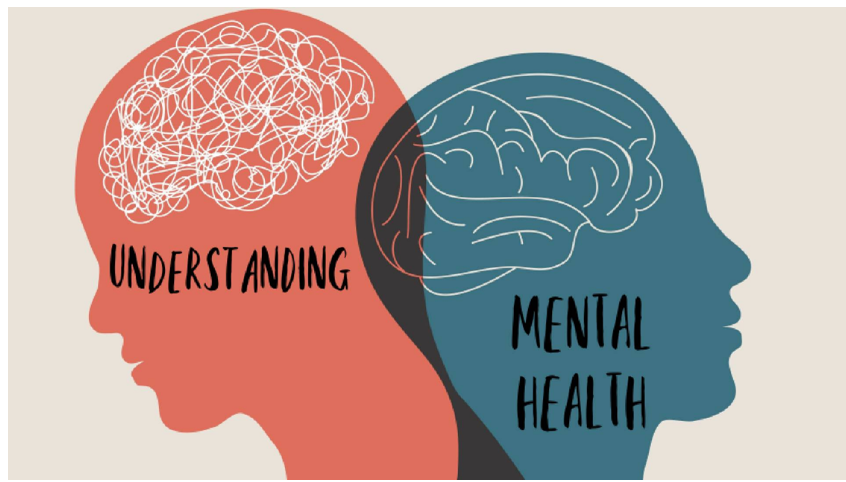
Mental health is not merely the absence of mental illness. It is a state of balance where an individual is emotionally stable, mentally alert, socially connected, and capable of handling life’s daily challenges with clarity and resilience. From a holistic perspective, mental health represents harmony between the mind, body, and environment.
According to the World Health Organization (WHO), mental health is defined as a state of well-being in which an individual realizes their abilities, can cope with normal stresses of life, can work productively, and is able to contribute to their community. Another widely accepted definition describes mental health as a state of harmony between the self and others, where a person remains aware of both their inner world and their surroundings.
This awareness allows an individual to respond consciously rather than react impulsively. It helps maintain emotional control, clarity of thought, and appropriate behavior in social and professional environments.
The Shift from a Balanced Life to a Hyperactive Lifestyle
In earlier times, life was relatively simple. People had limited goals, fewer distractions, and a slower pace of living. Patience was a natural part of daily life, and expectations were realistic. Social bonds were stronger, and individuals had more time to connect with nature, family, and themselves.
In contrast, the modern generation is living in a state of constant urgency. Everything is expected instantly—fast delivery, quick results, immediate answers, and rapid success. This impatience and hyperactivity have deeply affected the nervous system. The mind is continuously stimulated, leaving little room for rest, reflection, or emotional processing.
This constant pressure to perform, achieve, and compete creates internal imbalances that gradually disturb mental health. The brain, which thrives on rhythm and balance, becomes overstimulated, leading to fatigue, irritability, anxiety, and emotional instability.
The Role of the Brain and Neurons in Mental Health
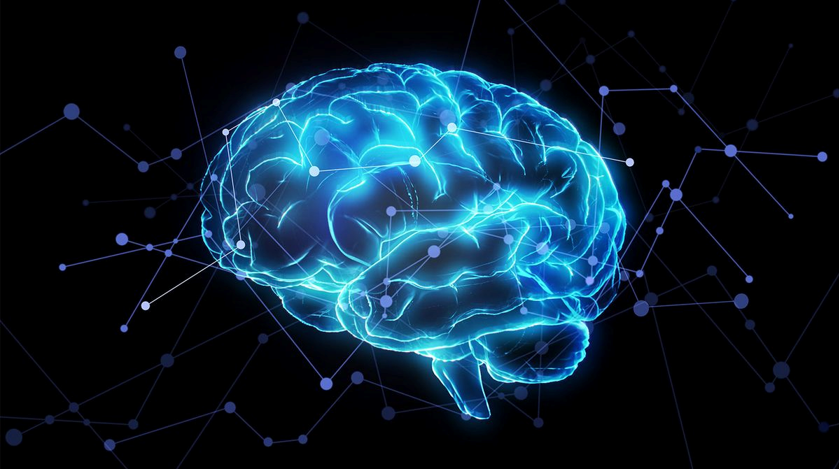
The human brain functions through an intricate network of neurons that communicate with each other through electrical signals and chemical messengers known as neurotransmitters. These neurotransmitters form chains of communication that regulate memory, emotions, movements, thoughts, and behavior.
Every conscious action—standing, walking, speaking, thinking, or expressing emotions—is governed by the rhythmic movement of neurons. When this rhythm is maintained, the individual experiences clarity, awareness, and emotional balance.
However, when chemical imbalances occur within the body, this neuronal rhythm gets disturbed. Such disturbances mark the beginning of mental health challenges. These imbalances do not occur overnight; they develop gradually due to lifestyle stress, emotional trauma, lack of rest, poor diet, and continuous mental pressure.
Neurotransmitters and Emotional Balance
Neurotransmitters play a vital role in regulating mood and emotional well-being. Chemicals such as dopamine and serotonin are often referred to as “feel-good hormones” because they contribute to feelings of happiness, motivation, satisfaction, and emotional stability.
When these neurotransmitters are released in appropriate amounts, a person experiences a balanced mood, positive outlook, and emotional resilience. However, when their secretion is disrupted, mood swings, irritability, sadness, anxiety, and emotional numbness may occur.
An imbalance in neurotransmitters does not mean that a person is mentally weak or incapable. It simply indicates that the body and mind are out of balance and require attention, care, and correction through holistic means.
Mental Disturbance vs Mental Illness
It is essential to understand the difference between mental disturbance and mental illness. Temporary emotional reactions such as anger, frustration, fear, or impulsive behavior do not automatically indicate mental illness.
Many individuals react impulsively in stressful situations—speaking harshly in public, reacting aggressively, or acting without awareness. Later, they may realize that their reaction was inappropriate. This loss of awareness at the moment indicates a temporary disturbance in mental balance, not a permanent mental disorder.
Mental disturbance often arises due to hyperactivity, suppressed emotions, unresolved trauma, or chronic stress. It does not mean that a person has “gone crazy” or is mentally challenged. These are reversible conditions caused by neurotransmitter imbalance and lifestyle factors.

Awareness and Conscious Living
True mental health is deeply connected to awareness. Awareness of oneself, one’s emotions, thoughts, actions, and surroundings is the foundation of mental balance.
A mentally healthy individual remains conscious of where they are, how they are behaving, and how their actions affect others. This awareness allows them to pause, reflect, and respond wisely instead of reacting impulsively.
Loss of awareness often leads to emotional outbursts, regret, and guilt. Rebuilding awareness through mindful living, self-reflection, and holistic practices is a key step in restoring mental health.
Why Mental Health Problems Are Increasing
The rising prevalence of mental health issues in today’s world is not accidental. Several contributing factors are responsible for this increase:
- Continuous mental stimulation through digital devices
- Excessive screen time and information overload
- Chronic stress and unrealistic expectations
- Lack of physical activity and nature exposure
- Emotional suppression and unresolved trauma
- Poor dietary habits affecting brain chemistry
- Disturbed sleep cycles and lack of rest
One of the most important realizations is that humans themselves are a major cause of their mental suffering. Modern lifestyles have moved far away from natural rhythms, creating disharmony within the nervous system.
Global Statistics and Reality
Scientific research indicates that more than 300 million people worldwide are currently struggling with mental health issues. These range from minor emotional disturbances to severe mental disorders. Many individuals continue their daily lives while silently battling anxiety, depression, mood disorders, and emotional instability.
Mental illness is not a single condition but a journey that varies in intensity and duration. Early identification and holistic intervention can prevent minor imbalances from developing into major disorders.

The Naturopathic Perspective on Mental Health
From a naturopathic point of view, mental health is inseparable from physical health. The mind and body function as a unified system. Any imbalance in lifestyle, diet, emotions, or environment reflects in mental well-being.
Naturopathy emphasizes restoring balance through natural means rather than suppressing symptoms. The focus is on correcting the root cause of imbalance, supporting the nervous system, and enhancing the body’s self-healing capacity.
Mental health can be improved and even reversed when individuals consciously adopt healthier lifestyles, emotional awareness, and natural therapies.
Reversing Mental Health Imbalances
Healing mental health issues requires a complete shift in approach. Quick fixes and instant solutions may provide temporary relief but do not address the root cause. True healing involves:
- Slowing down the pace of life
- Developing patience and emotional tolerance
- Following a balanced and nourishing diet
- Ensuring adequate sleep and rest
- Practicing mindfulness and self-awareness
- Reducing digital dependency
- Reconnecting with nature and physical movement
When these principles are applied consistently, neurotransmitter balance gradually restores, leading to emotional stability and mental clarity.