


Black Truth Behind Ready-to-Eat & Packed Food
Today, we are discussing an important topic — the black truth behind ready-to-eat and packaged food. In the current scenario, the consumption of packaged food has increased significantly, not only in foreign countries where it was already dominant, but now in India as well. One of the main reasons for this rise is our busy lifestyle. People today are highly occupied with their work, businesses, and daily responsibilities, which has led to a growing demand for convenient food options. As a result, packaged and ready-to-eat foods have become a regular part of daily life.
If we look at the data, the Indian packaged food market has crossed approximately ₹3.5 lakh crore, which reflects the massive scale at which these products are being consumed. It also shows how industries are targeting a large population to distribute their packaged food products. Studies suggest that around 73% of Indians consume processed or packaged food daily. Even individuals who are aware of natural health practices, including naturopathy students and practitioners, are not completely free from consuming such foods in their routine.
One major aspect of packaged food is the use of additives and preservatives. Since these foods need to be stored for longer durations, various chemicals are added to maintain their shelf life, taste, and appearance. Globally, more than 10,000 food additives have been approved for use. While these additives serve a functional purpose, their long-term impact on human health cannot be ignored.
The increasing consumption of such chemically processed foods has been linked to a rise in various health issues. These include non-communicable diseases, digestive problems, and even serious conditions like cancer. In fact, research indicates a sharp rise in cancer cases, with some studies suggesting an increase of up to 400%, potentially associated with the consumption of processed and packaged foods. The presence of artificial substances and preservatives disrupts the natural balance of the body, leading to long-term health complications.
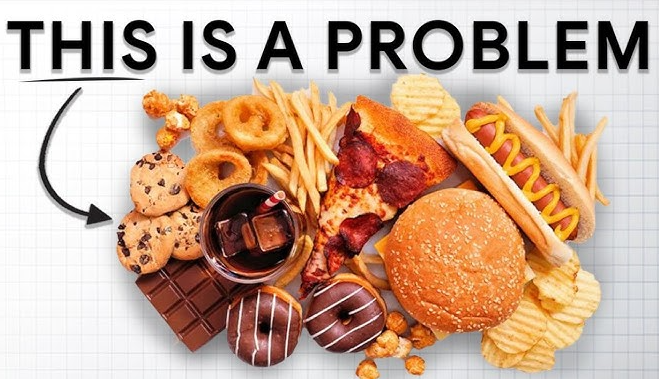
Today’s discussion focuses on an increasingly relevant topic — the growing role of packaged food in our daily lives and why it deserves closer attention. Packaged food has been a part of human lifestyle for many years, but in recent times, its consumption has increased significantly. With fast-paced routines, busy schedules, and limited time for cooking, people are increasingly relying on ready-to-eat and processed food options that are easily available and convenient.
This brings us to an important question — why does this matter? The shift from fresh, home-cooked meals to packaged food is not just a change in habit, but a transformation that directly impacts our health. Fresh food has always held a vital place in maintaining overall well-being due to its natural nutrients, enzymes, and vitality. In contrast, packaged food often undergoes processing that reduces its nutritional value. In this session, we will explore the key differences between fresh and packaged food, focusing on the nutrients that are lost during processing and how this affects the human body.
Another critical aspect we will examine is the use of preservatives and artificial color additives. These substances are commonly added by manufacturing companies to increase shelf life and enhance visual appeal. Although many of these additives are approved and regulated by authorities, their long-term impact on health remains a matter of concern. Understanding what goes into our food is the first step toward making informed choices.
Moving further, we will discuss how packaged food affects digestion. Poor digestion is often the root cause of various health issues, and regular consumption of processed food can disrupt the natural digestive process. This leads us to the next important topic — the link between packaged food and the rise of lifestyle diseases. Conditions such as obesity, diabetes, and digestive disorders are increasingly being associated with dietary patterns dominated by processed foods.
We will also address the concept of “nutritional void” in packaged food — where calories are present, but essential nutrients are lacking. Alongside this, we will explore the connection between ready-to-eat foods and serious health concerns such as cancer, understanding the potential risks associated with long-term consumption.
As students of naturopathy, it is essential to look at solutions through a natural and holistic lens. Therefore, we will discuss the naturopathic approach to reducing dependence on packaged food and promoting healthier alternatives. Naturopathy emphasizes prevention, natural living, and aligning with nature’s principles — all of which play a key role in restoring balance in our dietary habits.
The Growing Importance of Being Careful About Our Diet in Today’s Scenario
In today’s fast-paced world, being mindful of our dietary habits has become more important than ever—both in India and globally. A major reason for this concern is the alarming rise in non-communicable diseases (NCDs), commonly known as lifestyle diseases. These include conditions such as Type 2 Diabetes, Hypertension, high cholesterol, PCOS, and PCOD, among others.
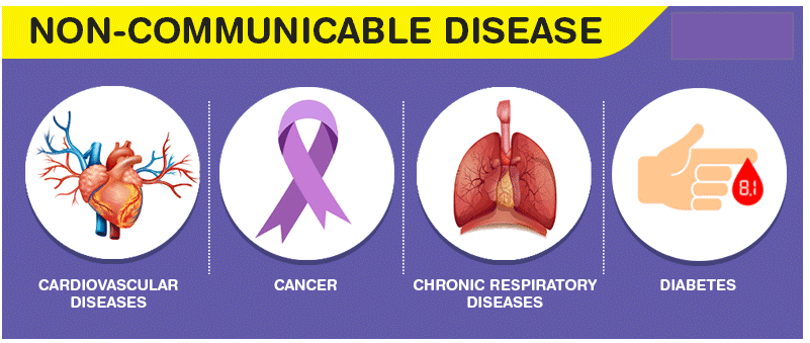
Recent observations indicate that nearly one in three Indians above the age of 30 suffers from at least one such disease, most of which are directly or indirectly linked to diet and lifestyle choices.
Changing Health Scenario Over the Years
If we look back 10–15 years, diseases like Type 2 Diabetes were relatively less common. While not entirely rare, they were certainly not as widespread as they are today. However, in the current scenario, it has become increasingly common to find one or more individuals in almost every family dealing with such conditions. This sharp rise clearly reflects a shift in our lifestyle patterns, particularly in our eating habits.
Rise of the Packaged Food Industry
One of the most significant contributors to this shift is the rapid growth of the packaged and processed food industry. According to data from the Food Safety and Standards Authority of India in 2024, India’s packaged food market has reached approximately ₹3.5 lakh crore and is growing at an annual rate of 15%.
Even more concerning is that around 67% of calories in urban Indian diets now come from ultra-processed foods. This marks a dramatic change from earlier decades when fresh, home-cooked meals dominated daily consumption.
Evolution of Food Consumption Patterns
The trend of processed food consumption can be better understood by looking at its progression over time:
- 1980–1995: During this period, the consumption of processed food was minimal. Limited awareness, lower income levels, and restricted availability meant that most people relied on traditional, home-cooked meals.
- 1995–2010: With economic growth, rising incomes, and increasing awareness, people began incorporating packaged foods into their diets. Convenience started becoming a priority.
- 2010–2024: This period witnessed a sharp surge in processed food consumption. The rise of smartphones, internet accessibility, and food delivery platforms made food more accessible than ever before.
Today, with platforms like Zomato, Swiggy, and Blinkit, food can be ordered within minutes and delivered to almost every corner of the country—including rural areas. Increased affordability, higher disposable incomes, and busy lifestyles have further accelerated this trend.
Why This Situation is Alarming
The growing dependence on processed and ultra-processed foods has led to a significant increase in lifestyle diseases. Government bodies and health organizations consider this an alarming situation because of the direct correlation between dietary habits and the rise in NCDs.
These foods are often high in refined sugars, unhealthy fats, preservatives, and additives, which negatively impact metabolism and overall health. Over time, this leads to chronic conditions like diabetes, heart disease, hormonal imbalances, and obesity.
The Current Scenario: A Crisis Stage in 2026
As we step into 2026, the present situation can rightly be described as a crisis stage. The primary reason behind this is the continuous and alarming rise in non-communicable diseases such as Type 2 Diabetes, Hypertension, obesity, and hormonal disorders like PCOS and PCOD.
While multiple factors contribute to this growing health burden—such as stress, lack of physical activity, and poor sleep—food remains the most dominant and influential factor. Over the years, our lifestyle has significantly deteriorated when it comes to health and wellness, and dietary habits are at the center of this shift.
Convenience vs. Health
In today’s digital age, food is more accessible than ever before. With just a few taps on platforms like Zomato, Swiggy, and Blinkit, meals can be delivered within minutes. While this convenience has simplified modern living, it has also increased our dependency on packaged and processed foods.
Additionally, aggressive marketing strategies play a major role in influencing consumer behavior. Attractive packaging, misleading nutritional claims, and visually appealing advertisements make these products highly desirable. However, these “lucrative” promotions often hide the true nutritional reality, leading people to make unhealthy food choices. This combination of convenience and marketing is significantly contributing to the current health crisis—and if not addressed, the situation is likely to worsen.
Fresh Food vs. Packaged Food: Understanding the Core Difference
From a naturopathic and yogic perspective, food is not just about physical nourishment—it is deeply connected to our mental and emotional well-being. According to traditional principles, food is categorized into three qualities, known as gunas:
- Sattva (pure and balanced)
- Rajas (active and stimulating)
- Tamas (dull and heavy)

Among these, Sattvic food is highly recommended for maintaining overall health, clarity of mind, and balanced energy. This category mainly includes fresh, natural, and minimally processed foods.
A well-known principle states: “As your food, so is your mind.”
This highlights the deep connection between the food we consume and the way we think, feel, and function.
Why Freshly Cooked Food is Superior
Fresh food possesses qualities that directly support digestion, nutrient absorption, and overall vitality:
- Presence of Live Enzymes
Freshly prepared food contains natural enzymes that aid digestion. When we consume such food, our body efficiently breaks it down, allowing better absorption of nutrients.
In contrast, packaged and processed foods are often exposed to high temperatures during manufacturing. This process destroys these natural enzymes, making digestion more difficult. As a result, individuals may experience issues like bloating, gas, acidity, constipation, or even diarrhea.
- High Bioavailability of Nutrients
Bioavailability refers to the extent to which nutrients can be absorbed and utilized by the body. Fresh food offers nutrients in their most natural and usable form, ensuring maximum benefit.
On the other hand, processed foods often lose their nutritional value during refining, preservation, and storage. Even when fortified, these nutrients may not be as easily absorbed by the body.
Understanding Bioavailability and the Hidden Impact of Packaged Food
One of the most crucial yet often overlooked aspects of nutrition is bioavailability. Bioavailability refers to how effectively the nutrients we consume are absorbed and utilized by the body. It is not enough to simply eat food rich in nutrients—what truly matters is whether the body can actually use those nutrients for growth, repair, and overall functioning.
If the body absorbs nutrients but is unable to utilize them efficiently, or if they are quickly flushed out, then the body derives little to no benefit. This is why focusing on highly bioavailable food is essential for maintaining optimal health.
Why Bioavailability Matters
When we consume fresh, natural food, the nutrients are present in their most usable form. These nutrients are easily recognized by the body, absorbed efficiently, and utilized for various physiological functions.
However, in the case of packaged and processed foods, this is rarely the case. These foods are often stored for long durations, treated with preservatives, and subjected to multiple processing techniques. As a result, the natural nutritional value begins to degrade over time. Every nutrient has a certain shelf life, and prolonged storage significantly reduces its effectiveness.
Moreover, the addition of preservatives and additives further impacts the quality of these nutrients, making them less beneficial for the body.
Natural Fiber vs. Processed Fiber
Another major difference between fresh and processed food lies in their fiber content.
In natural, whole foods, fiber is present in its intact and balanced form. This type of fiber supports digestion, regulates blood sugar levels, and contributes to overall gut health.
However, in packaged foods, fiber is often either:
- Removed during processing, or
- Replaced with synthetic fiber
A simple example can be seen with lentils. Traditionally, when lentils were grown and consumed in their natural form, they were rich in fiber, protein, vitamins, and essential nutrients. However, when these same lentils are heavily processed in industrial settings, much of their fiber and nutrient content is stripped away, leaving behind primarily carbohydrates.
This pattern is not limited to lentils—it applies to many processed food items available in the market today.
Hidden Chemicals in Packaged Food
Fresh and organic food is naturally free from harmful chemicals. It does not require artificial preservation because it is consumed within a short time frame.
In contrast, packaged foods often contain:
- Preservatives
- Artificial flavors
- Additives
- Stabilizers
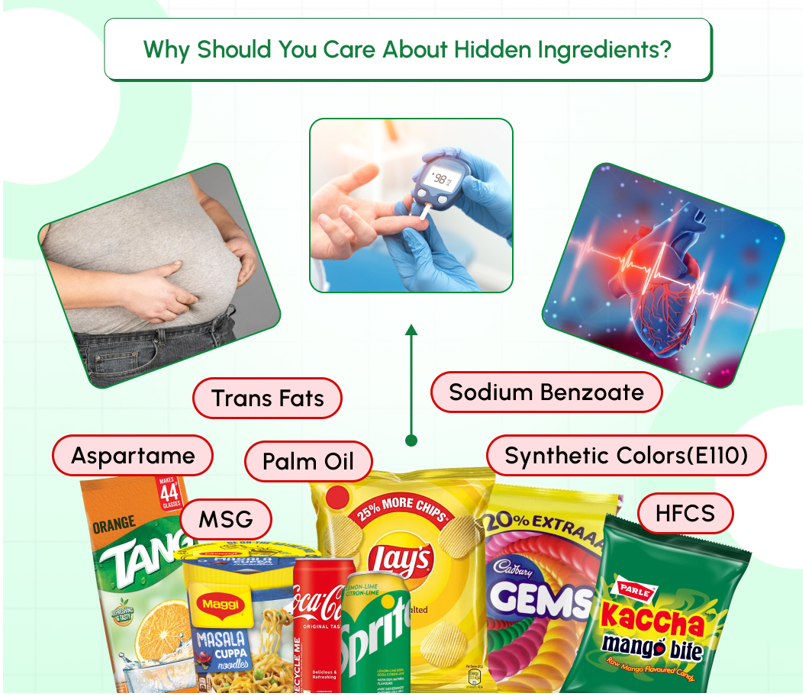
These substances are added to extend shelf life and enhance taste or appearance, but they can have long-term negative effects on health. Many of these chemicals are not always clearly understood by consumers, making them “hidden” risks in everyday diets.
Impact on Gut Microbiome
The human gut contains trillions of microorganisms, including beneficial bacteria that play a vital role in digestion, immunity, and overall health. A balanced gut microbiome is essential for the body to function efficiently.
Fresh foods such as fruits, vegetables, and whole grains nourish these beneficial bacteria and help maintain a healthy gut environment.
On the other hand, excessive consumption of processed and packaged foods disrupts this balance. These foods tend to promote the growth of harmful bacteria while reducing beneficial ones. Over time, this imbalance can contribute to various health issues, including digestive disorders and even autoimmune conditions.
The Concept of Prana and Food Energy
From a yogic and naturopathic perspective, food is not just a source of physical nourishment but also of energy, often referred to as Prana or life force.
Foods are categorized based on their energetic qualities into:
- Sattvic (pure and energizing)
- Rajasic (stimulating)
- Tamasic (dull and energy-depleting)
Fresh, natural, and minimally processed foods are considered Sattvic, meaning they enhance clarity, balance, and vitality. These foods support both physical and mental well-being.
In contrast, highly processed and stale foods fall into the Rajasic or Tamasic categories, which can lead to lethargy, imbalance, and reduced mental clarity.
Modern science also acknowledges that everything in nature carries a certain form of energy. The quality of food we consume directly influences our body’s energy levels, mood, and overall functioning.
Fresh Food, Prana, and the True Essence of Nourishment
From both a naturopathic and yogic perspective, food is not merely a source of calories—it is a source of life energy, often referred to as Prana. This life force plays a vital role in maintaining physical vitality, mental clarity, and overall well-being.
When we consume fresh, natural, and freshly cooked food, it is rich in this vital energy. As this food enters the body, it helps to build and strengthen our own life force, enhancing the body’s natural ability to heal, function, and thrive.
In contrast, packaged and processed foods are often considered “dead food.” While they may still contain macronutrients like carbohydrates, proteins, and fats—as well as some vitamins and minerals—they lack this essential life energy. As a result, they may provide calories but fail to truly nourish the body at a deeper level.
Energy vs. True Nourishment
It is important to understand the difference between energy and nourishment. Packaged foods can provide immediate energy due to their carbohydrate and fat content. However, they do not support the body’s internal systems in the same way that fresh food does.
Fresh food works holistically:
- It supports digestion
- Enhances nutrient absorption
- Balances hormones
- Strengthens immunity
On the other hand, processed food may fill the stomach but does not contribute effectively to long-term health and vitality.
Impact on Immunity and Body Functions
Fresh food plays a crucial role in supporting the immune system. Since it is rich in natural enzymes, antioxidants, and bioavailable nutrients, it helps improve digestion and maintain a healthy gut microbiome.
A healthy gut directly influences:
- The endocrine system
- Hormonal balance
- Immune response
When digestion and absorption are efficient, the body functions optimally, leading to stronger immunity and better overall health.
Oxidative Stress and Free Radical Damage
One of the major drawbacks of consuming packaged food is the increase in oxidative stress. This refers to the imbalance between free radicals and antioxidants in the body.
Excessive intake of processed and preserved foods leads to the production of free radicals, which can damage cells and tissues. Over time, this contributes to chronic health conditions, including Type 2 Diabetes, cardiovascular issues, and premature aging.
This is the reason why many people rely on antioxidants—to counteract the damage caused by oxidative stress. However, the most natural way to reduce this stress is by consuming fresh, antioxidant-rich foods.
Inflammation: The Root of Many Diseases
Another critical difference between fresh and processed food lies in their effect on inflammation.
- Fresh, natural food helps reduce inflammation in the body
- Packaged and processed food promotes chronic inflammation
Chronic inflammation is a key factor behind many lifestyle diseases, including Hypertension, obesity, and autoimmune disorders. Over time, continuous inflammation weakens the body’s systems and leads to long-term health complications.
Nutrient Retention: Fresh vs. Processed Food
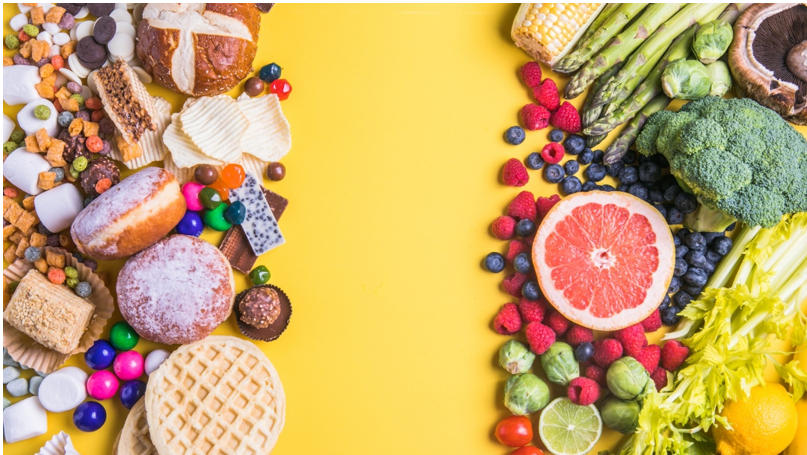
Scientific data from organizations like the Indian Council of Medical Research and the Food and Agriculture Organization highlights the significant difference in nutrient retention between fresh and processed foods.
Vitamin C:
In freshly cooked food, approximately 85–95% of Vitamin C is retained and utilized by the body. However, in packaged food, up to 75% of Vitamin C is lost due to processing, storage, and preservation methods.
Vitamin B:
Fresh food provides nearly 85% bioavailability, whereas processed food results in almost 50% lower absorption.
Enzymes:
Freshly prepared food contains active enzymes that support digestion. In contrast, processed food loses most of its enzymes during high-temperature processing, making digestion more difficult and less efficient.
This clearly shows that while packaged food may appear nutritionally adequate on labels, its actual usable value in the body is significantly reduced.
What Really Happens to Nutrients in Processed and Packaged Food?
While packaged foods may appear convenient and nutritionally adequate on labels, the reality is quite different. During processing, storage, and preservation, a significant portion of essential nutrients is either destroyed or becomes less bioavailable to the body.
One of the most critical factors is heat. Scientific understanding shows that temperatures above 48°C can destroy natural enzymes present in food. These enzymes are essential for digestion and nutrient absorption. Even if enzymes are artificially added during processing, they are often rendered inactive due to high-temperature treatments.
Loss of Essential Nutrients
Vitamin B Complex
Vitamin B is highly sensitive to processing. During manufacturing, washing, and storage, nearly 50–60% of Vitamin B content is lost, primarily due to its water-soluble nature.
Antioxidants
Fresh foods are naturally rich in antioxidants, which help combat oxidative stress in the body. However, in processed foods, antioxidant levels significantly decline due to exposure to heat, oxygen, and prolonged storage.
Minerals
Although minerals are relatively stable, their bioavailability decreases in packaged foods. Processing methods often strip away natural cofactors required for proper absorption.
Omega-3 Fatty Acids
Healthy fats like omega-3 are extremely sensitive to heat and oxidation. During frying and industrial processing, these fats become oxidized, losing their benefits and sometimes even becoming harmful.
The Reality of Nutritional Labels
One important point to understand is that the nutritional values mentioned on packaged food labels may not reflect what your body actually receives. Due to nutrient degradation during processing and storage, the actual usable nutrition is often far less than what is advertised.
This means that even if you believe you are consuming a balanced diet through packaged foods, your body may still be lacking essential nutrients.
Common Preservatives and Their Effects
Packaged foods often contain preservatives, usually identified by “E numbers.” These chemicals help extend shelf life but can have negative health effects when consumed regularly.
E211 – Sodium Benzoate
Commonly found in soft drinks, jams, and pickles. It can convert into benzene (a carcinogen) in the presence of Vitamin C and is associated with increased cancer risk.
E320 & E321 – BHA and BHT
Found in chips, biscuits, and cereals. These act as preservatives but are known endocrine disruptors, potentially interfering with hormonal balance and possibly linked to cancer.
E250 – Sodium Nitrite
Used in processed meats such as sausages. It can form harmful compounds in the body and is strongly associated with increased cancer risk.
Sulfur Dioxide
Present in dried fruits, juices, and wines. It can trigger asthma and may damage the gut lining, affecting digestion and immunity.
E202 – Potassium Sorbate
Found in cheese and baked goods. In high doses, it may lead to DNA damage and suppress immune function.
E385 – EDTA
Used in canned foods, mayonnaise, and dressings. While it helps stabilize products, excessive intake may interfere with nutrient absorption.
Hidden Risks in “Healthy” Choices
Even foods that appear healthy—like dried fruits or salads with dressings—can contain hidden preservatives and additives. For example, packaged salad dressings or mayonnaise may introduce harmful chemicals into an otherwise healthy meal.
This highlights an important reality:
It is not always possible to completely eliminate preservatives, but being mindful of consumption can significantly reduce their impact.
Artificial Food Colors: Attractive but Harmful
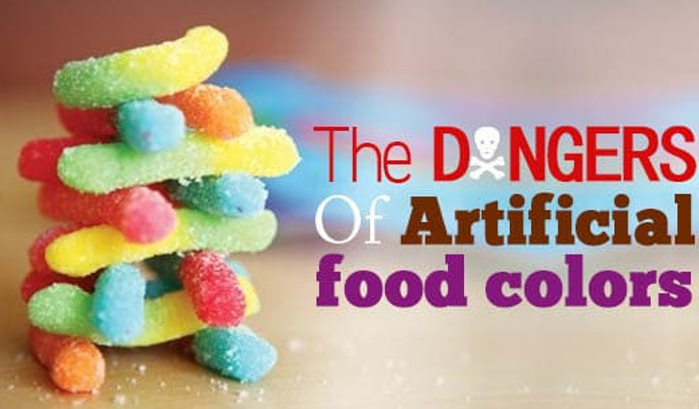
Packaged foods are often visually appealing due to the use of artificial colors. These colors are added to enhance attractiveness and influence consumer perception.
Colors play a psychological role—they stimulate appetite and create emotional responses, making food appear more delicious and desirable. However, many of these artificial colors may have harmful effects on health, especially when consumed frequently.
They may:
- Trigger hyperactivity in children
- Affect neurological responses
- Contribute to long-term toxicity
Thus, while these foods may look appealing on the outside, they can be potentially harmful on the inside.
The Hidden Dangers of Artificial Food Colors and Packaged Food on Digestion
In today’s fast-paced world, packaged foods have become a daily convenience. However, behind their attractive appearance and long shelf life lies a serious concern—the increasing use of artificial food colors and additives, many of which are derived from petroleum and synthetic chemicals.
Globally, several countries, especially within the European Union, have imposed strict regulations or even bans on many of these substances. In contrast, regulations in India are comparatively less stringent, allowing the continued use of certain artificial colors and additives in everyday food products.
What Are Artificial Food Colors?
Artificial food dyes are chemical compounds added to enhance the visual appeal of food. While they make products look more attractive and “fresh,” they often do not reflect the true nature of the food.
For example, packaged fruit juices that appear vibrant—bright yellow mango drinks, deep red cranberry juices, or colorful mixed beverages—often contain very little real fruit pulp (sometimes as low as 5–10%). The rest is largely composed of water, sugar, additives, and artificial coloring agents.
Common Artificial Food Colors and Their Risks
Tartrazine (E102 / Yellow 5)
Commonly found in noodles, sweet drinks, and processed snacks.
Associated risks include:
- Hyperactivity and ADHD in children
- Allergic reactions
Sunset Yellow (E110)
Present in chips, juices, and ice creams.
Potential risks:
- Allergic reactions
- Kidney-related issues (observed in animal studies)
Allura Red
Used in soft drinks and candies.
Linked to:
- Hyperactivity in children
- Possible genetic toxicity
Brilliant Blue
Found in ice creams and syrups.
Risks include:
- Asthma triggers
- Potential chromosomal damage
Erythrosine (E127 / Red 3)
Used in cherries and pastries.
Associated with:
- Thyroid tumors
- Endocrine disruption
Indigo Carmine (E132)
Present in biscuits and sweets.
May cause:
- Nausea
- Hypertension
- Respiratory issues
Many of these colors are either banned or require warning labels in several European countries due to their potential health risks. Despite this, some are still commonly used in Indian food products.
A Simple Rule: Check the “E Numbers”

Every packaged food contains a label listing ingredients and additives, often marked with “E numbers.” These numbers represent different preservatives, colors, and additives.
A simple habit of checking these labels can help you become more aware of what you are actually putting into your body.
How Packaged Food Disrupts Digestion
The human digestive system is highly sophisticated, and the gut is often referred to as the “second brain.” Nearly 70% of the immune system resides in the gut, largely due to the presence of beneficial gut bacteria (microbiome).
However, packaged foods can systematically disrupt this entire system.
Impact on Different Parts of the Digestive System
- Mouth – Altered Taste and Overeating
Artificial sweeteners and flavor enhancers interfere with taste receptors. They override the body’s natural “satiety signals” (the feeling of fullness).
This is why foods like chips or packaged snacks are difficult to stop eating—even when you are already full. This leads to overeating and poor dietary control.
- Stomach – Weak Digestion and Bacterial Growth
Preservatives can reduce the effectiveness of gastric acid (HCl) in the stomach. This acid is essential for:
- Breaking down proteins
- Killing harmful bacteria
When gastric acid weakens:
- Digestion becomes inefficient
- Harmful bacteria like H. pylori may survive and multiply
- This can lead to bloating, acidity, and other digestive disorders
- Small Intestine – Damage to Absorption System
The small intestine is responsible for nutrient absorption. However:
- Emulsifiers (used to mix oil and water in foods like mayonnaise) can damage the intestinal lining
- This may lead to “leaky gut syndrome,” a condition where harmful substances pass into the bloodstream
Additionally:
- Enzyme secretion is reduced
- Nutrient absorption becomes inefficient
What Are Emulsifiers?
Emulsifiers are chemicals used to blend substances that normally don’t mix, such as oil and water. They are widely used in processed foods like sauces, spreads, and packaged snacks.
While they improve texture and shelf life, they can negatively affect gut health by disturbing the intestinal barrier.
The Bigger Picture: A System Under Attack
From altering taste signals to weakening digestion and damaging gut health, packaged foods impact the body at multiple levels:
- They encourage overeating
- They reduce digestive efficiency
- They disturb gut microbiome balance
- They increase the risk of chronic diseases
Over time, this continuous exposure contributes to lifestyle disorders, poor immunity, and long-term health complications.
Impact of Processed Food on Gut Health and Overall Well-being
In today’s fast-paced lifestyle, processed and packaged foods have become a regular part of daily consumption. While they offer convenience, their long-term effects on human health—especially gut health—are significant and often harmful.
How Processed Food Affects the Intestinal Lining
The intestinal lining plays a crucial role in nutrient absorption and acts as a protective barrier between the digestive tract and the bloodstream. However, frequent consumption of processed food weakens this lining, leading to a condition commonly known as leaky gut syndrome.
When the gut lining becomes compromised, it allows partially digested food particles, toxins, and even nutrients to leak into the bloodstream. This triggers an immune response, as the body identifies these particles as foreign invaders. Over time, this can lead to inflammation and the development of various health issues.
One of the contributing factors to this condition is gluten intolerance, which further damages the intestinal lining and worsens gut permeability.
Reduced Enzyme Secretion
Processed foods negatively impact the body’s ability to produce digestive enzymes. These enzymes are essential for breaking down food and ensuring proper absorption of nutrients. A reduction in enzyme secretion leads to incomplete digestion, further burdening the digestive system and contributing to gut imbalance.
Role of Fiber and the Large Intestine
After nutrients are absorbed in the small intestine, the remaining food passes into the large intestine. Here, water and certain vitamins, such as Vitamin B, are absorbed, and waste is prepared for excretion.
However, processed foods are typically low in dietary fiber. This lack of fiber has several consequences:
- Weakens peristalsis (the movement of the intestines)
- Leads to constipation
- Starves beneficial gut bacteria
- Causes inflammation
Fiber acts as food for good bacteria in the gut. Without it, these beneficial microbes decrease in number, while harmful bacteria begin to thrive. This imbalance in gut microbiota, known as gut dysbiosis, is a major contributor to digestive disorders.
Gut Microbiome Imbalance
The gut microbiome consists of trillions of microorganisms that play a vital role in digestion, immunity, and overall health. Diet has a direct influence on the composition of these microbes.
A healthy, natural diet supports the growth of beneficial bacteria such as:
- Firmicutes
- Akkermansia
- Bifidobacterium
- Lactobacillus
In contrast, a processed food diet significantly reduces their presence.
For example:
- Firmicutes: Around 20% higher in a healthy diet vs. only 5% in a processed diet
- Akkermansia: Approximately 35% in natural diets vs. 12% in processed diets
- Bifidobacterium: 25% vs. 5%
- Lactobacillus: 30% vs. 8%
This clearly shows that natural, whole foods promote a healthier gut environment compared to packaged foods.
Even when probiotic products like Yakult are consumed, their effectiveness is limited if the overall diet is poor. Natural foods provide a much better environment for these beneficial bacteria to grow and thrive.
Constipation and Digestive Disorders
One of the most common issues arising from low-fiber, processed diets is constipation. Weak intestinal movement and poor gut flora contribute to irregular bowel movements, toxin buildup, and inflammation.
Over time, this can lead to chronic digestive problems and further complications.
Liver Health and Processed Foods
Another major concern associated with processed food consumption is its impact on liver health.
Excess intake of high-fructose corn syrup and high glycemic index foods leads to frequent spikes in blood sugar levels. This puts pressure on the pancreas to produce more insulin. The liver then processes the excess sugar, which gradually gets converted into fat.
This condition is known as Non-alcoholic fatty liver disease, a disorder that has become increasingly common in recent years—even among individuals who do not consume alcohol.
Time Required for Recovery
An important point to understand is that damage caused by processed foods is not quickly reversible. Studies and clinical observations suggest that gut dysbiosis caused by long-term consumption of processed foods may take 6 to 24 months to fully reverse—even with proper naturopathic or natural healing protocols.
This highlights the severity of the impact and emphasizes the importance of preventive care through diet.
Gut Microbiome Imbalance and the Impact of Packaged Food on Health
The human gut is home to trillions of microorganisms, collectively known as the gut microbiome. When this delicate ecosystem is disturbed, a condition called dysbiosis occurs. Dysbiosis refers to an imbalance where harmful or pathogenic bacteria begin to dominate over beneficial bacteria, leading to chronic low-grade inflammation and various health disorders.
This imbalance is strongly associated with digestive conditions such as Irritable Bowel Syndrome and Inflammatory Bowel Disease. In recent years, there has been a significant rise—nearly 40%—in IBS cases, with a major contributing factor being the increased consumption of processed and packaged foods.
The Gut-Brain Connection
The gut and brain are closely connected through what is known as the gut-brain axis. One of the most important roles of gut bacteria is regulating the production of serotonin, a neurotransmitter responsible for mood, sleep, and emotional stability.
In fact, a large portion of serotonin is produced in the gut. When gut bacteria are imbalanced, serotonin production is affected, which can contribute to mental health issues such as Anxiety and Depression.
Today, rising cases of anxiety and depression across India and globally may also be linked to poor gut health, driven in part by increased intake of packaged and processed foods.
Key Gut Bacteria and Their Functions
Understanding the role of major gut bacteria helps highlight how crucial they are for overall health:
- Firmicutes (≈60% of Gut Microbiome)
Firmicutes form a major portion of gut bacteria and play a vital role in:
- Energy extraction from food
- Production of short-chain fatty acids (SCFAs)
- Supporting gut lining and metabolism
However, imbalance in Firmicutes is linked to:
- Weight gain
- Obesity
- Metabolic Syndrome
This explains why some individuals struggle with weight loss despite eating healthy and exercising—gut imbalance may be the underlying cause.
- Akkermansia (1–3%)
Akkermansia is crucial for maintaining:
- Gut mucus layer
- Intestinal barrier integrity
- Insulin sensitivity
Low levels are associated with:
- Diabetes
- Leaky gut
- Poor metabolic health
- Bacteroidetes (≈35%)
These bacteria are responsible for:
- Breaking down complex carbohydrates and fiber
- Supporting digestion and nutrient absorption
- Producing beneficial fatty acids
Deficiency may lead to:
- Poor digestion
- Reduced metabolism
- Lower SCFA production
- Bifidobacteria
Bifidobacteria help in:
- Producing lactic acid
- Maintaining gut pH balance
- Preventing growth of harmful bacteria
Low levels can result in:
- Digestive issues
- Infections
- Disrupted gut environment
How Packaged Food Disrupts Gut Health
Modern diets rich in packaged and processed foods contain preservatives, additives, artificial sweeteners, and excess sugar. These substances:
- Destroy beneficial gut bacteria
- Promote harmful bacterial growth
- Reduce microbial diversity
- Increase inflammation
Even though many people consume probiotic supplements, they often fail to restore gut health effectively if the diet continues to include processed foods. Natural, home-cooked meals are far more effective in nourishing beneficial bacteria and restoring balance.
Diseases Linked to Packaged Food Consumption
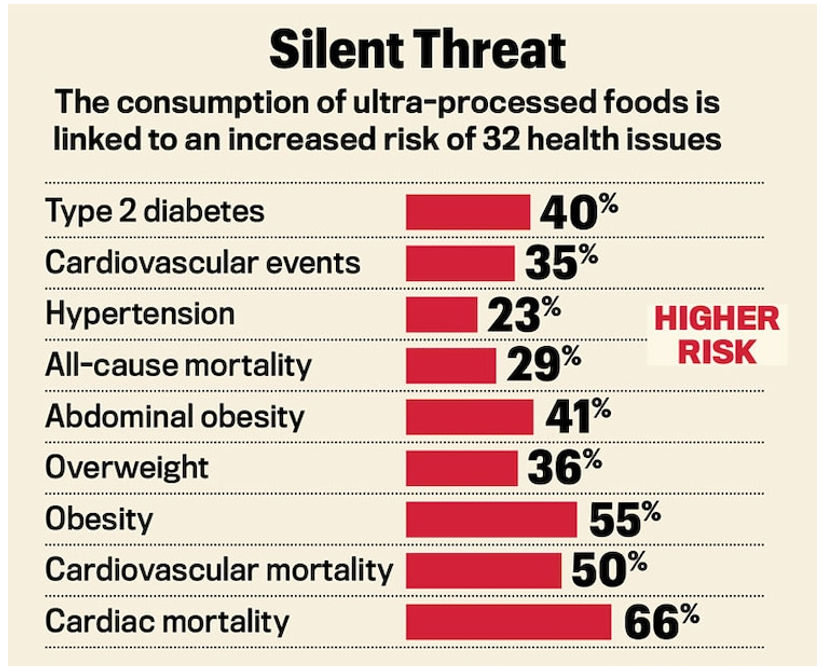
The rise in packaged food consumption has directly contributed to a surge in lifestyle diseases:
- Type 2 Diabetes
Over 60 million Indians are affected by Type 2 Diabetes.
High glycemic index foods, refined sugars, soft drinks, and processed snacks lead to insulin resistance and elevated blood sugar levels.
- Hypertension
Excess sodium intake—often above 3000 mg/day—from packaged foods contributes to Hypertension.
This condition is commonly seen alongside diabetes.
- Obesity
India has over 135 million obese individuals.
Highly processed foods are designed to be hyper-palatable, leading to overeating and hormonal imbalance, resulting in Obesity.
- Non-Alcoholic Fatty Liver Disease (NAFLD)
Affects nearly 1 in 3 urban Indians.
High intake of fructose (especially from corn syrup in packaged foods) leads to fat accumulation in the liver, causing Non-Alcoholic Fatty Liver Disease.
- Colorectal Cancer
Around 30% of cases are linked to dietary patterns.
Low fiber intake combined with preservatives and nitrites damages the colon, increasing the risk of Colorectal Cancer.
The rising burden of lifestyle diseases in today’s world is closely linked to our changing dietary habits, especially the increasing dependence on packaged and processed foods. One major concern is Colorectal Cancer, which has been more prevalent in Western countries like the United States due to their high consumption of packaged and processed meat. In India, although meat consumption exists, people have traditionally preferred fresh sources, which has kept the incidence comparatively lower. However, with urbanization and changing lifestyles, even in India the risk is gradually increasing. Along with this, neurological conditions such as Attention Deficit Hyperactivity Disorder and Autism Spectrum Disorder have seen a sharp rise in the past two decades, with studies suggesting that artificial food colors like tartrazine and other neurotoxic additives may play a role in affecting brain function and development.
Hormonal health is also being impacted significantly, with over 42 million Indians suffering from Thyroid Disorders. Chemicals such as BPA and artificial compounds present in packaged foods act as endocrine disruptors, interfering with normal hormone balance. Additionally, phytoestrogens found in certain processed foods can mimic or alter estrogen levels, contributing to conditions like Polycystic Ovary Syndrome. Digestive health is equally affected, as around 14% of the population now experiences gut-related disorders. Emulsifiers and additives in packaged foods damage the gut lining, leading to inflammation and increased intestinal permeability, commonly known as leaky gut, which further triggers a cascade of health issues.
Over the years, India has seen a dramatic rise in non-communicable diseases such as Type 2 Diabetes, Hypertension, and Obesity. Data from 1990 to 2025 shows a steady and alarming increase in these conditions, especially after 2005, despite growing awareness about fitness and healthy living. This indicates that while people may focus on exercise and lifestyle management, the quality of food being consumed remains a major concern. In fact, nearly 75% of the rise in non-communicable diseases in India coincides with the rapid growth of the packaged food market, highlighting a strong correlation between the two.
A closer look at packaged foods reveals that they are largely built on what can be called the “four whites”—white sugar, white salt, white flour (maida), and hydrogenated fats. These components are highly processed and stripped of essential nutrients, making them harmful when consumed regularly. Most packaged foods are dominated by refined carbohydrates, unhealthy fats, and artificial additives, while the actual nutritional value is minimal. Even when labels claim certain nutrient content, the bioavailability of those nutrients is often very low, meaning the body cannot effectively utilize them.
Marketing claims on packaged foods can also be misleading. Products labeled as “high in protein” often provide negligible amounts, sometimes comparable to a simple spoon of dal. Similarly, items claiming to be “made with real fruit” are usually prepared from fruit concentrates that lack fiber and are loaded with fructose, which is linked to Non-Alcoholic Fatty Liver Disease. Labels stating “no added sugar” can be deceptive, as sugar may be present in other forms like maltodextrin, corn syrup, or dextrose. “Low-fat” products often compensate by increasing sugar and salt content, making them equally or more harmful, while “baked, not fried” foods may still contain high levels of sodium and additives.
Understanding food labels is therefore essential. Consumers should always check the serving size, as companies often display smaller portions to make nutritional values appear lower. The ingredient list should be carefully examined, as the first few ingredients represent the largest proportion of the product and often include refined carbohydrates and unhealthy fats. Recognizing hidden sugars and misleading claims can help individuals make better dietary choices.
In today’s fast-paced lifestyle, understanding what we consume has become more important than ever. Packaged foods, though convenient, often contain hidden ingredients and harmful additives that significantly impact our health. One of the simplest ways to evaluate any packaged product is by carefully reading its ingredient list and nutritional label. The first three ingredients listed on any product indicate the components present in the highest quantity. If these ingredients include refined carbohydrates, unhealthy fats, or sugars, it is a clear sign that the product is not nutritionally beneficial.
Another critical factor to consider is the presence of “E numbers,” which represent food additives. While some additives are safe, a product containing more than five E numbers generally indicates that it is highly processed and loaded with synthetic chemicals. Similarly, sodium content is a major concern. Any product containing more than 600 mg of sodium per serving is considered high in sodium, yet many commonly consumed items like chips and instant noodles contain between 800 to 1200 mg, far exceeding safe limits. This excessive sodium intake is directly linked to conditions such as Hypertension and cardiovascular complications.
Sugar is another hidden component that often appears under different names. Food labels may not always explicitly mention “sugar,” but instead use terms like dextrose, fructose, maltodextrin, or corn syrup. These are all forms of simple sugars that rapidly increase blood glucose levels and overburden the pancreas, contributing to metabolic disorders such as Type 2 Diabetes. Therefore, being aware of these alternate names is essential for making informed dietary choices.
Packaged foods are typically dominated by what can be referred to as the “four whites”—white sugar, white salt, white flour (maida), and hydrogenated fats. These components form the bulk of most processed foods. A closer look at their nutritional composition reveals that refined carbohydrates and sugars occupy the largest portion, followed by unhealthy fats, artificial flavors, and high sodium content. In contrast, the actual nutritional value remains minimal. Moreover, even the small amount of nutrients present is often poorly absorbed by the body due to low bioavailability.
Food marketing further complicates consumer choices by presenting misleading claims. Products labeled as “high in protein” may provide only 2–3 grams of protein per serving, which is negligible and comparable to a spoonful of dal. Similarly, beverages marketed as “made with real fruit,” such as packaged fruit juices, are often made from fruit concentrates that lack fiber and are loaded with fructose. This excessive fructose consumption is strongly associated with Non-Alcoholic Fatty Liver Disease. Labels such as “no added sugar” can also be deceptive, as sugar is still present in alternative forms. Likewise, “low-fat” products often compensate by increasing sugar and salt content, making them equally harmful. Even “baked, not fried” foods may contain high levels of sodium and additives, challenging the perception that they are healthier options.
Understanding how to read nutritional labels is therefore crucial. Consumers should first check the serving size, as companies often display smaller portions to make the nutritional values appear lower. It is also important to remember that a single packet may contain multiple servings. The ingredient list should be reviewed carefully, with particular attention to the first few ingredients, as they represent the majority of the product’s composition.
Beyond general health concerns, there is a strong link between processed foods and cancer risk. According to the International Agency for Research on Cancer, which operates under the World Health Organization, food-related carcinogens are classified into different categories. Group 1 carcinogens include processed meats such as sausages and salami, alcohol, and aflatoxins found in improperly stored grains, all of which have a proven link to cancer. Group 2A includes probable carcinogens such as red meat (when consumed in excess) and high-temperature fried foods that produce harmful compounds. Group 2B includes possible carcinogens such as certain preservatives like BHA and BHT, as well as excessive coffee consumption.
One of the most concerning compounds found in everyday snacks is acrylamide, a chemical formed when starchy foods are cooked at high temperatures above 120°C, such as during frying or baking. It is commonly found in chips, biscuits, toast, and even coffee. Research by the European Food Safety Authority has highlighted its potential cancer risk, leading to strict monitoring in many regions.
The consumption of ultra-processed foods has been strongly linked to various types of cancers, including Colorectal Cancer, Breast Cancer, Gastric Cancer, Pancreatic Cancer, Liver Cancer, and Esophageal Cancer. These findings emphasize the long-term dangers of regularly consuming highly processed and chemically treated foods.
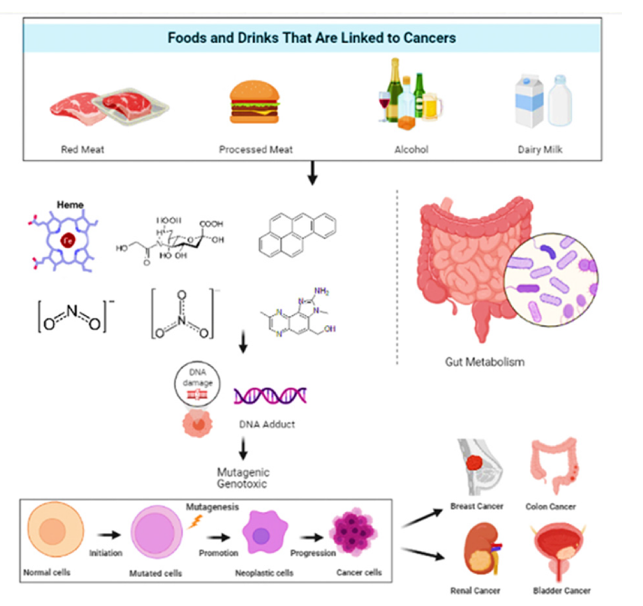
While packaged foods offer convenience, their long-term impact on health cannot be ignored. By becoming more aware of ingredient lists, hidden sugars, sodium levels, and misleading marketing claims, individuals can make better dietary choices. Shifting towards fresh, natural, and home-cooked meals is not just a lifestyle preference but a necessity for maintaining overall health and preventing chronic diseases. Small, conscious changes in everyday eating habits can lead to significant improvements in long-term well-being.
The relationship between processed food consumption and rising cancer cases has become increasingly evident across the globe. Comparative data from countries such as the United States, United Kingdom, Australia, France, India, and Japan clearly demonstrates this trend. Nations like the United States and the United Kingdom, where ultra-processed foods make up a significant portion of daily diets, also report the highest cancer incidence per 100,000 population. Similarly, Australia and France follow this pattern, indicating a strong correlation between dietary habits and disease prevalence.
In contrast, India has traditionally had lower cancer rates, particularly in rural areas where fresh and minimally processed foods were the norm. However, with rapid urbanization, changing lifestyles, aggressive marketing, and easy availability of packaged foods, the scenario is shifting. Urban India is witnessing a steady rise in processed food consumption, bringing it closer to Western dietary patterns. Consequently, cancer rates in urban populations are also increasing. Even rural India is no longer untouched, as packaged foods have penetrated these regions through widespread distribution and advertising. This shift highlights a concerning trend where dietary transitions are directly influencing public health outcomes.
In response to these challenges, naturopathy offers a holistic and preventive approach to health. One of its core principles is “Let food be thy medicine,” emphasizing the body’s natural ability to heal when provided with pure and nourishing foods. The naturopathic approach promotes a sattvic diet, which includes fresh, seasonal, minimally processed whole foods such as grains, fruits, vegetables, seeds, and natural produce. This dietary pattern focuses on restoring balance and supporting the body’s internal healing mechanisms.
A key component of this approach is gut restoration. Instead of relying on packaged probiotics, natural alternatives such as fermented drinks like kanji can be incorporated into the diet. Prebiotic foods like bananas, onions, and garlic help nourish beneficial gut bacteria. Elimination diets are also recommended to identify and remove allergens, while practices such as liquid fasting or controlled fasting protocols can support digestive healing and detoxification.
Liver detoxification is another important aspect of naturopathy. Natural remedies such as milk thistle, dandelion root, beetroot, and lemon water are commonly used to support liver function. Periodic fasting further enhances the body’s ability to eliminate accumulated toxins. Additionally, reducing chronic inflammation is crucial, and this can be achieved by incorporating anti-inflammatory foods such as turmeric, ginger, amla, green leafy vegetables, and omega-3-rich sources like flaxseeds.
Education plays a vital role in the naturopathic system. Rather than expecting individuals to completely eliminate packaged foods overnight—which is often impractical—naturopathy emphasizes gradual and informed change. Teaching people how to read food labels, understand ingredient lists, and identify harmful additives empowers them to make better choices. Cooking methods are also addressed, encouraging healthier techniques such as steaming instead of excessive frying. Meal planning guidance helps individuals maintain a balanced intake of carbohydrates, proteins, and fats, while also understanding portion sizes and meal frequency.
Detox protocols, including water fasting, juice fasting, and the inclusion of natural probiotic drinks, are introduced as periodic practices to cleanse the body. The importance of maintaining electrolyte balance and hydration is also highlighted as part of a holistic health routine.
On a broader level, there is a need for policy advocacy to address the growing health crisis. Strengthening regulations under the Food Safety and Standards Authority of India is essential to ensure transparent labeling, restrict harmful additives, and promote genuinely organic and safe food production. While efforts are being made to encourage organic farming, concerns regarding pesticide and chemical use still remain, making it necessary for communities and policymakers to work collaboratively toward safer food systems.
A practical example of the impact of dietary habits can be seen in the case of a 38-year-old urban software engineer from Pune. He presented with multiple health issues, including fatigue, Irritable Bowel Syndrome, acne, headaches, and a weight gain of 14 kilograms over three years. His daily diet consisted largely of noodles, chips, biscuits, energy drinks, and other packaged foods—reflecting a common pattern among corporate professionals with long working hours and limited time for home-cooked meals.
Through naturopathic intervention, which included dietary correction, gut restoration protocols, detoxification practices, and lifestyle modifications, such conditions can be significantly improved or even reversed. This case highlights how modern lifestyle diseases are often rooted in poor dietary habits and how natural healing approaches can effectively restore health.
In today’s fast-paced world, the dietary habits of individuals have undergone a significant transformation, particularly among working professionals. Long working hours, constant deadlines, and a lack of time for cooking have led many people to depend heavily on packaged and convenience foods. This is no longer limited to a few individuals; rather, it has become a common lifestyle pattern followed by a large portion of the population. Foods such as noodles, chips, biscuits, and energy drinks have become daily staples, replacing traditional home-cooked meals.
As a result, a wide range of health complaints has become increasingly common. Fatigue is one of the most prevalent issues, affecting nearly half of the population due to poor diet and stressful lifestyles. Digestive disorders like Irritable Bowel Syndrome are rising rapidly, along with conditions such as acne, frequent headaches, and significant weight gain. For instance, a weight gain of 14 kilograms over three years may appear moderate, but with such dietary patterns, the increase can often be much higher.
Before adopting a healthier lifestyle, individuals consuming large amounts of processed foods often exhibit alarming health indicators. Body Mass Index (BMI), a standard measure used to classify weight categories, may rise to levels such as 31.2, which falls under obesity class I. Blood sugar levels may also become elevated—for example, a fasting blood glucose level of 128 mg/dL is considered pre-diabetic and indicates a high risk of developing Type 2 Diabetes. Inflammation markers such as C-reactive protein (CRP) are often elevated, reflecting chronic internal inflammation.
Another critical issue is gut dysbiosis, which refers to an imbalance in the gut microbiome. This imbalance plays a major role in digestive disorders like IBS and can further affect immunity and mental health. Nutritional deficiencies are also common, particularly Vitamin D Deficiency and Vitamin B12 Deficiency, which contribute to fatigue, weakness, and neurological symptoms. Additionally, many individuals develop early-stage liver conditions such as Fatty Liver Disease. Mental health is also impacted, with symptoms like anxiety, mood disturbances, and brain fog becoming increasingly prevalent.
However, adopting a naturopathic and natural lifestyle approach can bring significant improvements. Within a period of six to ten months, depending on individual response, noticeable positive changes can occur. BMI can return to a healthy range, such as around 24.8, indicating normal weight. Blood sugar levels can stabilize, reducing the risk of diabetes. Inflammation markers like CRP can decrease, and the gut microbiome can be restored to a healthier balance. Nutritional deficiencies, including Vitamin D and B12, can be corrected, and liver health can improve to the point where no fatty liver is detected on ultrasound. Alongside physical improvements, individuals often experience better mood, increased energy levels, and enhanced mental clarity.
To prevent the harmful effects of packaged foods, certain practical lifestyle guidelines can be followed. Cooking fresh food daily, even simple meals like dal and vegetables, is far healthier than relying on processed alternatives. Choosing whole grains instead of refined flour (maida) ensures better fiber intake and improved digestion. Hydration is equally important—drinking plain water instead of packaged juices, soft drinks, or energy beverages helps maintain overall health. Carrying a water bottle can encourage regular water intake throughout the day.
Special attention should be given to children, particularly those under five years of age, as early exposure to packaged foods can have long-term health consequences. Including fermented foods in the daily diet, such as traditional preparations like kanji, provides natural probiotics that support gut health. Reading ingredient labels is another crucial habit; if an ingredient is difficult to pronounce, it is often a sign of a synthetic chemical and should be avoided. Foods with more than five ingredients are generally highly processed and should be limited.
Eating seasonal and locally sourced foods is a fundamental principle of naturopathy, as such foods are more nutritious and environmentally sustainable. It is also important to remember that foods with a long shelf life often have low life-giving value. Ultimately, food should be treated as medicine, and the kitchen should be viewed as the starting point of healing.
On a regulatory level, there are notable differences between India and global standards in food safety. The Food Safety and Standards Authority of India permits several additives, such as tartrazine (a synthetic yellow color), without mandatory warning labels. In contrast, regions like the European Union require warning labels for such additives, and the United States also enforces stricter disclosure norms.
Trans fats, which are highly harmful, were previously allowed up to 5% in India and have now been reduced to 2%. However, they have already been banned in many developed regions. Additives like monosodium glutamate (MSG) are freely permitted in India, often without clear labeling, whereas other countries require explicit mention on packaging.
Front-of-pack labeling, which helps consumers quickly understand the nutritional value of a product, is still voluntary in India, while it is mandatory in many European countries through systems like Nutri-Score. Similarly, sugar content warnings are not compulsory in India, whereas other regions enforce clearer labeling practices. Advertising regulations also differ, with stricter controls in some countries to protect children from misleading food promotions.
The modern lifestyle has led to a significant rise in the consumption of packaged and processed foods, especially in countries like India, where busy schedules, long working hours, and convenience-driven habits dominate daily routines. Unfortunately, the regulation of such products, particularly in terms of advertising and safety standards, remains relatively weak compared to global benchmarks like the European Union and the United States Department of Agriculture. In India, advertisements for packaged foods are largely unregulated, meaning that individuals of all age groups—including children—are freely exposed to persuasive marketing and can easily access and purchase these products without restriction. In contrast, the European Union enforces strict advertising regulations, while the United States imposes moderate controls.
Another area of concern is organic certification. While India has its own regulatory body, Food Safety and Standards Authority of India, its certification standards are often considered less stringent than those followed in Europe or under USDA organic guidelines. This creates uncertainty among consumers, as they cannot always be assured whether organic products are truly free from pesticides or harmful chemicals. As a result, there is a growing need for stronger food safety legislation and stricter monitoring systems in India to protect public health.
From a naturopathic perspective, the principle “you are what you eat, not what the package claims” holds immense importance. Packaged food is not real food in its natural sense; rather, it is an industrial product loaded with preservatives, artificial colors, flavor enhancers, and additives that contribute to cumulative toxicity in the body. These substances gradually damage the gut microbiome, leading to chronic health issues such as inflammation, metabolic disorders, and lifestyle diseases. The harm caused by processed food is not immediate but develops over months or even years, often taking 6 to 24 months or more to reverse through natural healing methods.
Non-communicable diseases (NCDs), such as obesity, diabetes, and cardiovascular disorders, are largely preventable and even reversible with proper dietary and lifestyle changes. In this context, food itself becomes the most powerful form of medicine. Educating patients about reading food labels, understanding ingredients, and adopting home-cooked, natural meals is essential and non-negotiable. Naturopaths play a crucial role not only in treating diseases but also in transforming lifestyles and advocating for improved food safety regulations.
In India, the consumption of packaged snacks is alarmingly high. Studies indicate that nearly 95% of top-selling snacks contain additives like monosodium glutamate (MSG), and billions of rupees are spent annually on such products. Even more concerning is the fact that thousands of children consume packaged snacks daily, increasing their risk of obesity and metabolic disorders at an early age.
Among the most commonly consumed packaged foods, instant noodles such as Maggi fall into the high-risk category. These products contain harmful ingredients like MSG, refined flour (maida), excessive sodium, and preservatives such as E319, which is derived from petroleum and has potential carcinogenic effects. A single serving can provide more than half of the recommended daily sodium intake, significantly increasing the risk of hypertension. Healthier alternatives include ragi roti with dal, brown rice with vegetables, or homemade whole wheat noodles.
Similarly, potato chips are another high-risk food, loaded with trans fats, artificial flavors, and excessive sodium. These ingredients contribute to cardiovascular diseases, obesity, and addictive eating behavior. Artificial colors like tartrazine, often found in such snacks, have been linked to hyperactivity in children and are restricted in several European countries. Natural alternatives such as roasted chana, makhana, or homemade baked snacks are far healthier options.
Extruded snacks like masala munch are also widely consumed but are far from traditional foods. Made with refined rice, cornmeal, palm oil, and multiple additives, they offer little to no nutritional value and can rapidly spike blood sugar levels. Healthier substitutes include puffed rice (murmura), roasted peanuts, and sun-dried papad.
Even products often perceived as “healthy,” such as glucose biscuits, are misleading. These biscuits are high in refined flour, sugar, and trans fats, and may contain more sugar per 100 grams than a piece of cake. They are frequently given to children, unknowingly contributing to poor dietary habits. Better alternatives include homemade ragi and jaggery biscuits, dates stuffed with nuts, or fresh seasonal fruits.
Packaged drinks present another major concern. Popular beverages like Frooti or Maaza contain only a small percentage of real fruit pulp, with the majority consisting of water, sugar, and synthetic additives. Preservatives like sodium benzoate, when combined with added vitamin C, can form benzene—a known carcinogen. Despite being marketed as vitamin-enriched or healthy, these drinks pose significant long-term health risks.
The Reality of Lifestyle, Menopause & Packaged Food: A Naturopathy Perspective
In today’s fast-paced world, completely eliminating health symptoms is neither practical nor natural—especially when it comes to processes like menopause. Menopause is a natural phase in a woman’s life, and some symptoms are inevitable. However, the intensity and impact of these symptoms largely depend on one’s lifestyle. A woman following a balanced routine—timely meals.
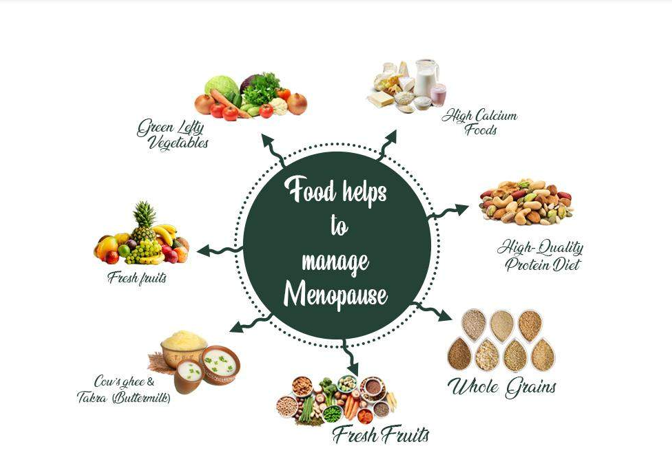
proper sleep, and natural food—will generally experience milder symptoms compared to someone with an irregular and unhealthy lifestyle. While symptoms may still appear, a healthy lifestyle prevents them from escalating into serious complications.
The major concern today is not the presence of symptoms, but our reduced ability to handle them due to poor lifestyle habits. Unhealthy eating patterns, lack of physical activity, and excessive dependence on processed foods weaken the body’s natural resilience. This is where naturopathy emphasizes control—not perfection. By managing food quality, daily habits, and overall lifestyle, the body becomes more capable of handling natural changes smoothly.
When discussing packaged foods, many people assume the problem lies only in preservatives and additives. However, the issue runs deeper. The method of processing plays a crucial role. For instance, foods like rice, wheat, and lentils—though seemingly natural—often undergo refining. This process removes essential nutrients such as fiber (bran/chilka), increasing the glycemic index and reducing their health benefits. Similarly, refined wheat flour (maida) lacks the fiber that helps regulate digestion and blood sugar levels.
Even packaged staples like rice or pulses require careful selection. It’s not just about branding or packaging, but about how the food is sourced, processed, and stored. Labels may not always reveal the complete truth, and cross-contamination during manufacturing is also a possibility. Therefore, choosing minimally processed and less refined options becomes essential.
Hotel food, often perceived as fresh, may also not be entirely reliable. In many cases, gravies and base preparations are made in bulk and reused, making it difficult to ensure freshness and quality.
Products like millet noodles or millet-based foods are gaining popularity as “healthy alternatives,” but they too require scrutiny. While mislabeling is a legal violation and unlikely, the level of processing still matters. The more processed a food is, the more it loses its natural value.
Understanding Organic Food, Consumer Awareness & Practical Naturopathy
In today’s health-conscious world, the term “organic” has become a major point of discussion, especially among consumers who are becoming increasingly aware of what they eat. However, simply labeling a product as organic is not enough. True organic quality depends on several important factors—how the crop is grown, whether chemical fertilizers or pesticides are used, and how the entire farming and processing cycle is managed.
For a conscious buyer or a business owner, it becomes essential to verify these aspects. Many individuals now go a step further by directly interacting with manufacturers, visiting farms, and conducting factory inspections to ensure authenticity. This level of involvement not only builds trust but also helps in delivering transparency to end consumers. In business, especially when dealing with health-related products, providing proof and clarity about sourcing and production practices is crucial.
Practical experience in farming further strengthens this understanding. Those who have experimented with both chemical and organic farming methods clearly observe the difference. Chemically grown crops often rely heavily on fertilizers and pesticides, which may increase yield but compromise long-term health benefits. On the other hand, organic farming uses natural manures and bio-pesticides, promoting safer and more sustainable food production.
However, the reality of today’s market is that completely chemical-free food is difficult to guarantee. Even after harvesting, vendors may use chemicals to enhance the appearance and shelf life of fruits and vegetables. For example, artificially ripened bananas often look appealing but spoil quickly, whereas naturally ripened ones last longer and retain better quality.
To minimize exposure to such chemicals, simple home practices can be adopted. Washing fruits and vegetables with baking soda solution, vinegar, or even ozone-treated water can help remove a significant amount of chemical residue and harmful microbes. These small yet effective habits allow individuals to take control of their daily consumption.
At the same time, it is important to accept that achieving a 100% organic lifestyle is not always practical. Market limitations, supply chain challenges, and lack of strict regulations can make it difficult to ensure complete purity. Therefore, instead of striving for perfection, the focus should be on being mindful and making better choices wherever possible.
Naturopathy, in essence, promotes this balanced approach. It does not demand extreme restrictions but encourages awareness, moderation, and consistency. By staying informed, asking the right questions, and adopting simple preventive measures, individuals can significantly improve their health while navigating the realities of modern food systems.
Conclusion
In conclusion, the conversation around organic food, packaged products, and lifestyle habits highlights a deeper truth about modern living—health today is not just about what we eat, but how aware we are of what we consume and how consistently we make better choices. In a world driven by convenience, mass production, and marketing claims, it has become increasingly important for individuals to move beyond surface-level information and truly understand the journey of their food.
The term “organic” has gained significant popularity, but its real meaning often gets diluted in the marketplace. True organic food is not just about the absence of chemicals in the final product; it is about the entire process—how the soil is prepared, what kind of fertilizers are used, how pests are managed, and how the crop is handled post-harvest. Chemical fertilizers and pesticides may increase yield and improve appearance, but they can also have long-term implications on human health and environmental sustainability. On the other hand, organic farming practices rely on natural inputs such as compost, bio-fertilizers, and plant-based pest control methods, which support both soil health and safer consumption.
However, one must also acknowledge the practical limitations of the current food ecosystem. With growing populations and increasing demand, completely eliminating chemicals from farming and food distribution is extremely challenging. Even if crops are grown organically, contamination can occur during transportation, storage, or packaging. Vendors often use chemicals to preserve freshness and enhance visual appeal, as seen in artificially ripened fruits like bananas, which may look perfect but spoil quickly and lack natural quality.
This brings us to an important realization: while it may not be possible to control everything, it is certainly possible to control something. Consumers today have more power than they realize. By asking the right questions, choosing reliable sources, and adopting simple preventive measures, they can significantly reduce their exposure to harmful substances. For example, washing fruits and vegetables with baking soda, vinegar, or ozone-treated water can help remove a portion of pesticide residues and surface contaminants. Opting for less processed and minimally refined foods also ensures that the natural nutritional value is preserved.
Equally important is the role of lifestyle in determining overall health. The body is naturally designed to handle changes and challenges, whether it is menopause or other physiological processes. Symptoms are a natural part of these transitions, but their severity often depends on how well the body is supported. A lifestyle that includes balanced nutrition, regular physical activity, adequate sleep, and stress management enables the body to cope more efficiently. On the contrary, poor lifestyle habits—such as irregular eating patterns, excessive consumption of processed foods, and lack of movement—can weaken the body’s resilience and amplify symptoms, often leading to further complications.
From a business perspective, especially in the health and wellness industry, transparency and responsibility are non-negotiable. Consumers are becoming more informed and cautious, and they expect honesty from the brands they trust. For businesses, this means going beyond marketing claims and ensuring that every product they offer meets genuine quality standards. Visiting farms, understanding sourcing methods, conducting factory inspections, and maintaining clear communication with customers are all essential steps in building credibility. When businesses are transparent, they not only gain trust but also contribute to a more ethical and informed marketplace.
At the heart of this entire discussion lies the philosophy of naturopathy, which emphasizes balance over perfection. Naturopathy does not demand that individuals completely eliminate all toxins or strictly adhere to an unrealistic standard of living. Instead, it encourages a practical and sustainable approach—minimizing harmful exposure while maximizing natural intake. It recognizes that modern life comes with its own set of challenges, and rather than resisting them entirely, it teaches individuals how to navigate them wisely.
The idea is not to create fear around food but to build awareness and responsibility. It is about understanding that every small choice matters—whether it is selecting a less refined grain, washing produce properly, or choosing home-cooked meals over packaged options. These small decisions, when practiced consistently, lead to significant improvements in health over time.
Ultimately, achieving a completely toxin-free lifestyle may not be realistic, but striving for a more conscious and informed way of living certainly is. Health is not a one-time effort but a continuous journey shaped by daily habits, informed decisions, and a willingness to adapt. By staying mindful, asking questions, and choosing wisely, individuals can create a balance between modern convenience and natural well-being.
In the end, the goal is simple—to live a life that is not perfect, but healthier, more aware, and closer to nature.

